
Posts
Discover Best Gajak Sweets from Rajasthan Traditional Winter


Explore authentic Gajak sweets from Rajasthan featuring traditional sesame-jaggery combinations, winter specialties, artisanal preparation methods, and health benefits. Discover heritage confections celebrated during Makarsankranti and winter seasons, made using time-honored techniques that create crunchy, nutritious delicacies embodying Rajasthan’s culinary traditions and warming properties.
Discover the Best Gajak Sweets from Rajasthan
Introduction: Exploring Rajasthan’s Beloved Winter Specialty
Among the treasured confections of Rajasthan’s culinary heritage, Gajak sweets from Rajasthan hold special distinction as quintessential winter specialty embodying the region’s desert-adapted food wisdom and celebration traditions. This beloved brittle-style sweet, crafted from roasted sesame seeds and jaggery, represents perfect marriage of nutrition, flavor, and cultural significance that has sustained communities through harsh winter months for centuries. The characteristic golden-brown appearance, satisfying crunch, and warming properties make these preparations essential elements of Rajasthani winter traditions, particularly during Makarsankranti festival when families and friends exchange these nutritious delicacies as symbols of seasonal celebration and good wishes.




The preparation and consumption of these winter sweets reflect Rajasthan’s remarkable ability to transform simple, locally available ingredients into extraordinary confections that serve both nutritional and cultural purposes. Sesame seeds and jaggery—the primary components—each provide substantial health benefits perfectly suited to winter wellness needs, while their combination creates taste experiences that satisfy sweet cravings without refined sugar’s drawbacks. The brittle preparation technique, requiring precise timing and temperature control, transforms these basic ingredients into crispy, flavorful treats that store well without refrigeration—essential consideration in pre-modern desert environments and still valued today for convenience and traditional authenticity.
Govindam Sweets, while renowned for signature Rajasthani specialties including Ghewar and Balwan Laddu, maintains equal commitment to seasonal preparations like traditional winter confections that showcase our comprehensive expertise across Rajasthani culinary traditions. Our Jaipur heritage connects us to authentic preparation methods, ingredient sourcing, and cultural knowledge surrounding these winter specialties, ensuring customers experience genuine Rajasthani traditions rather than commercialized adaptations compromising authenticity for convenience. Understanding what makes exceptional versions requires appreciating the craftsmanship, seasonal significance, and health wisdom embedded in these remarkable winter treats.



Amla Chunda
Price range: ₹299.00 through ₹650.00
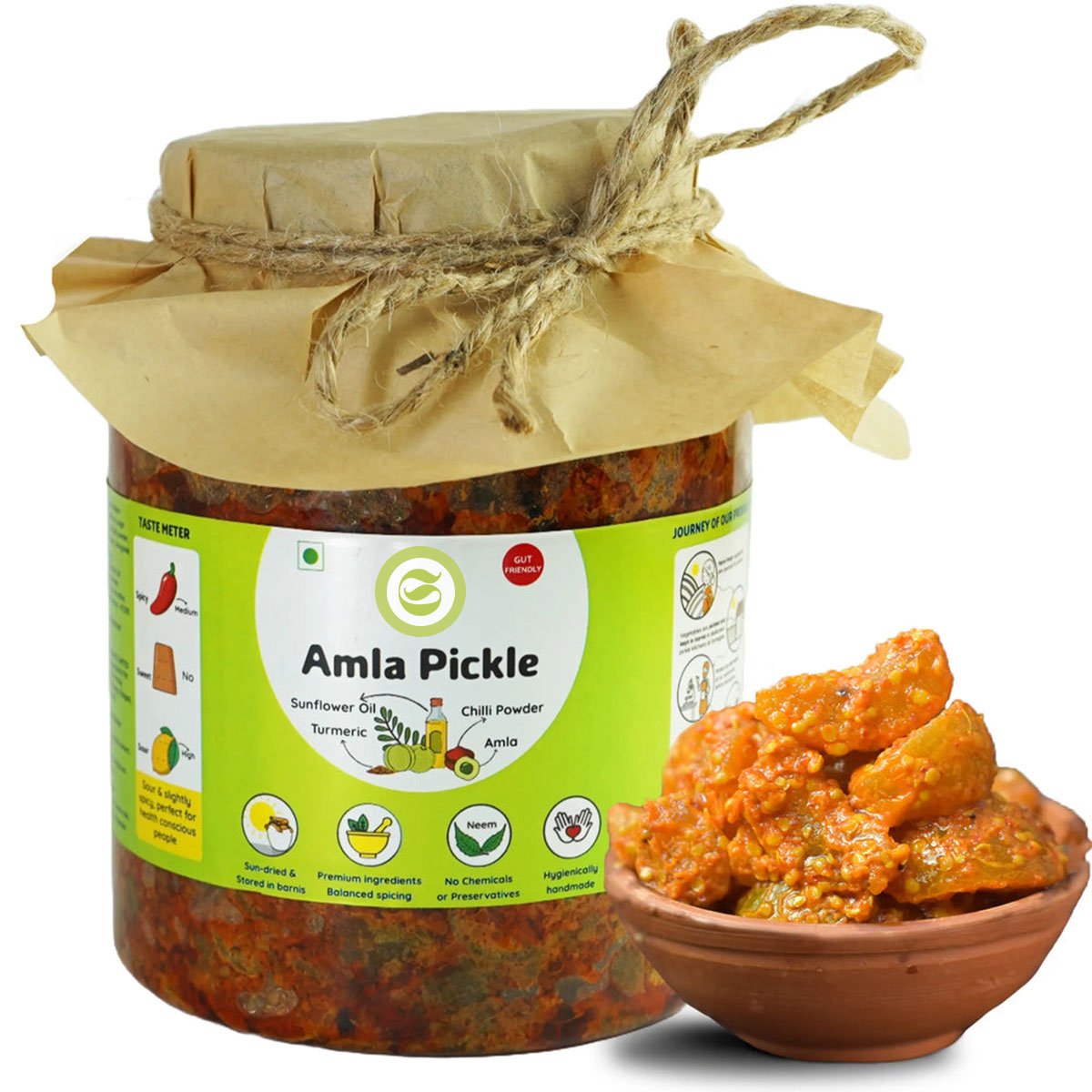
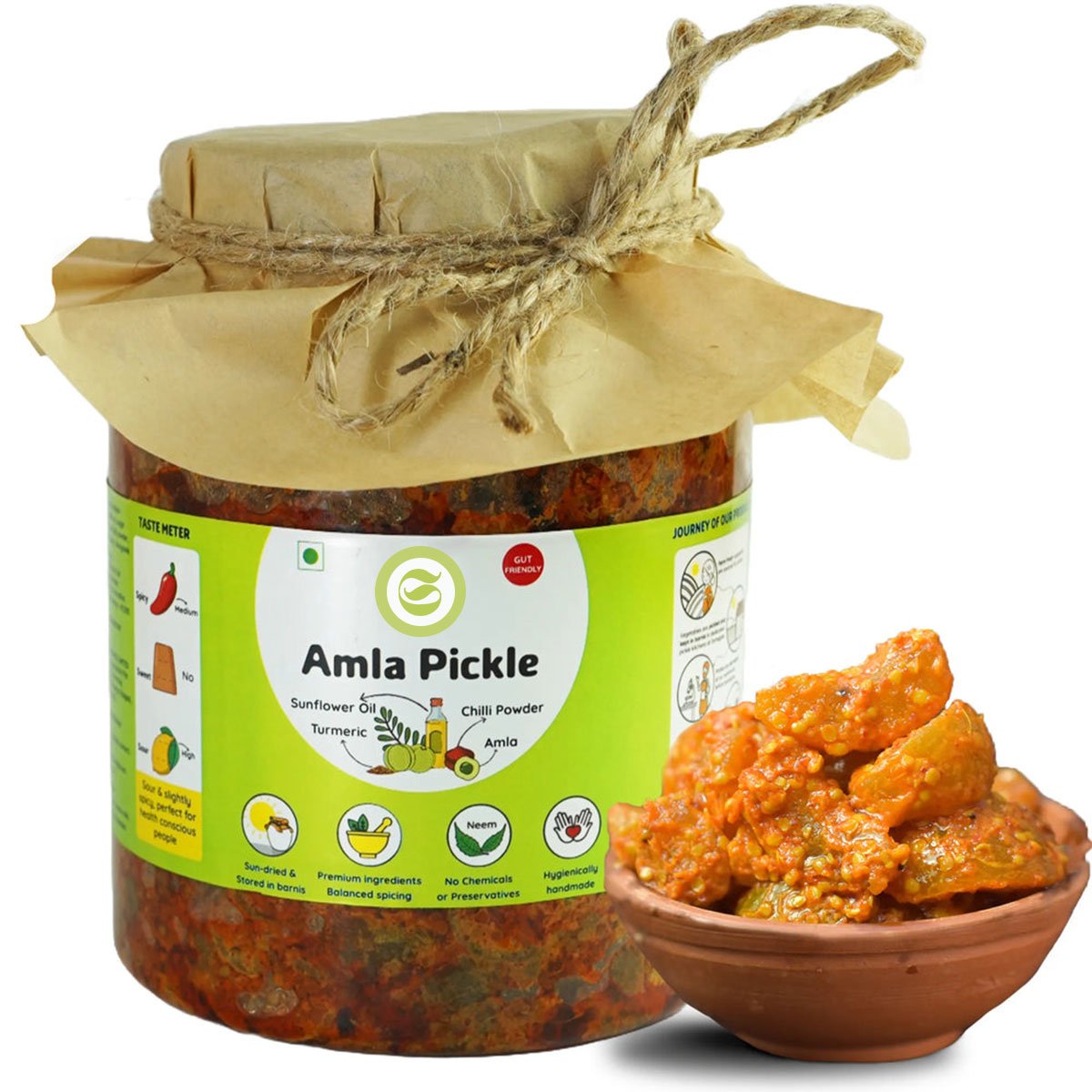
Amla Pickle
Price range: ₹299.00 through ₹650.00
Anardana Goli
Original price was: ₹200.00.₹150.00Current price is: ₹150.00.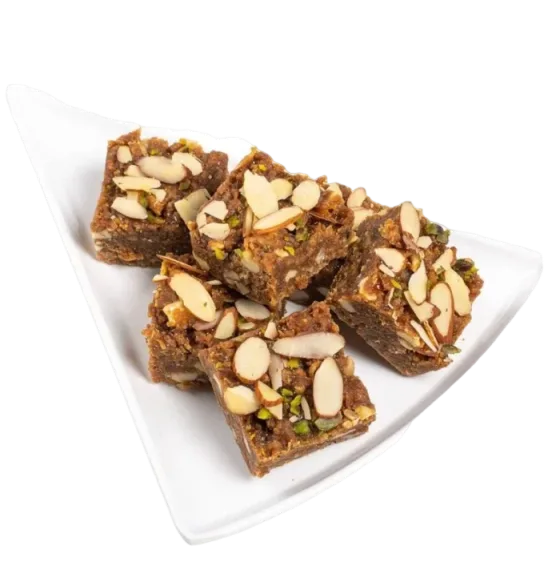
Authentic Dodha Barfi – Traditional Milk Sweet Delight
Original price was: ₹650.00.₹500.00Current price is: ₹500.00.
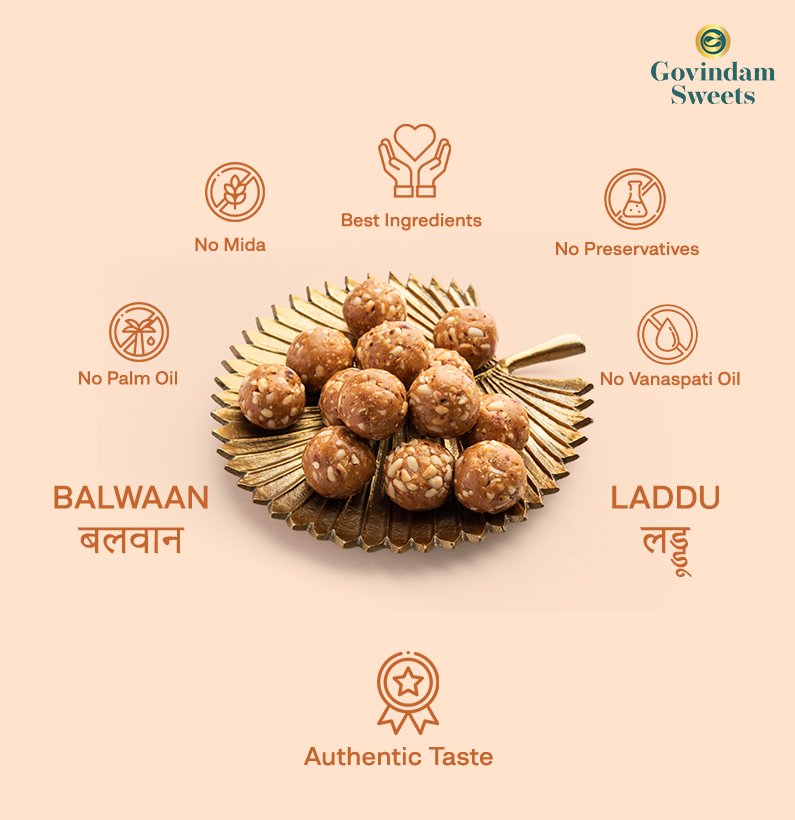
Balwan Laddu
Price range: ₹500.00 through ₹1,000.00
Besan Gatta
Original price was: ₹400.00.₹340.00Current price is: ₹340.00.
Besan Laddu
Price range: ₹270.00 through ₹540.00
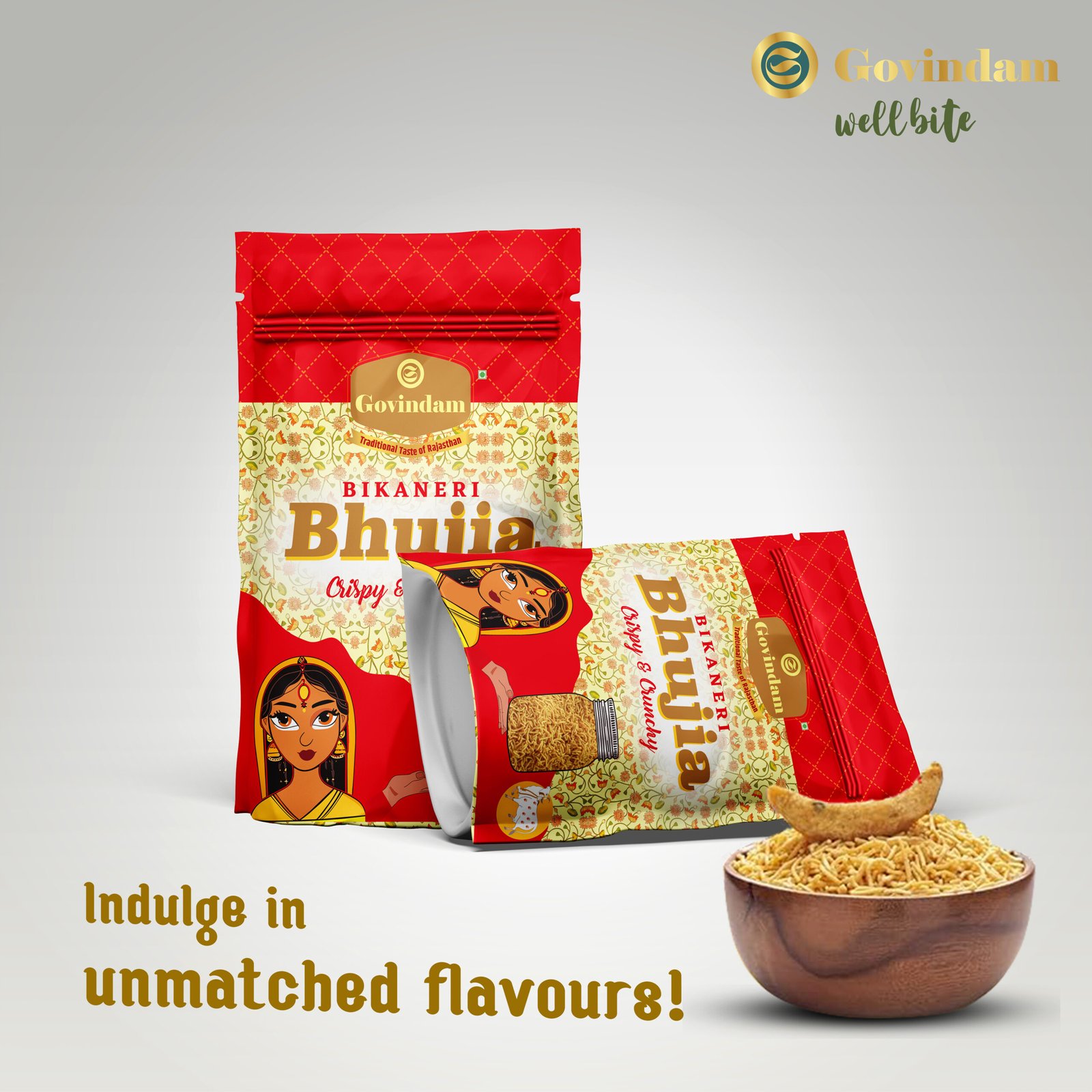
Bikaneri Bhujia
Price range: ₹180.00 through ₹360.00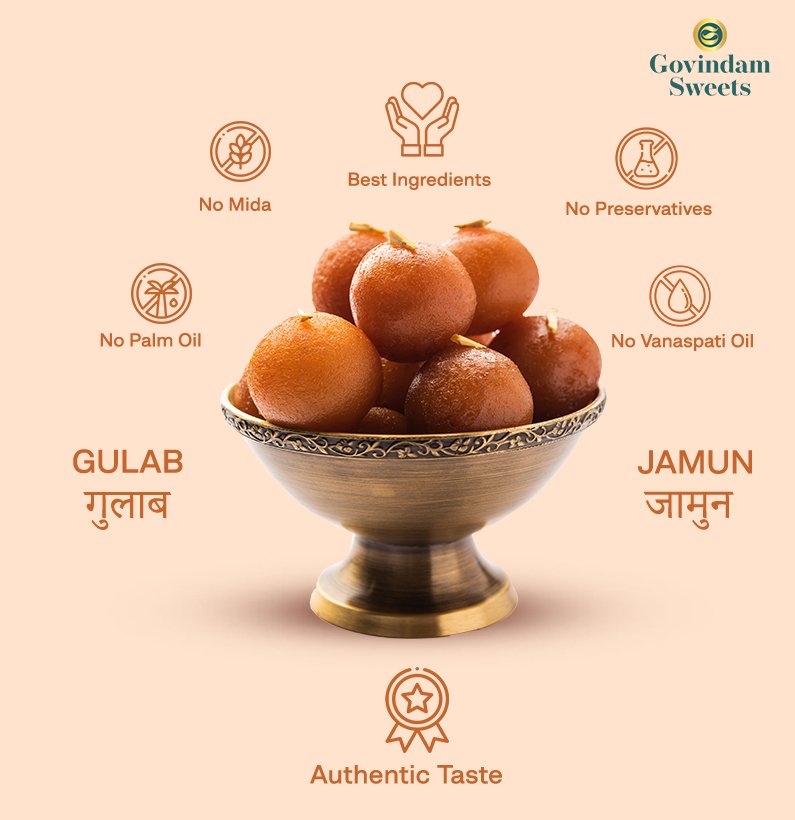
Black Gulab Jamun
Price range: ₹260.00 through ₹540.00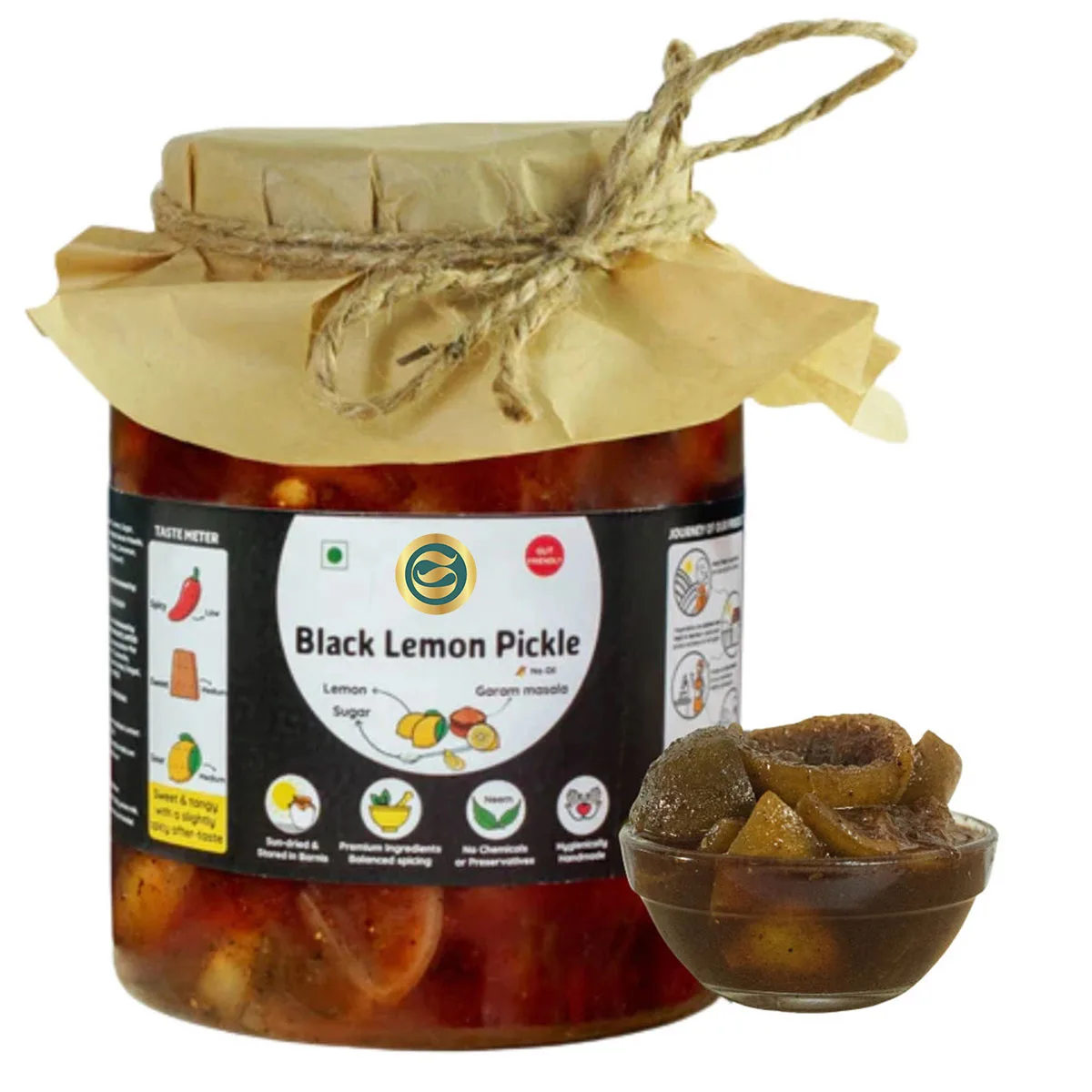
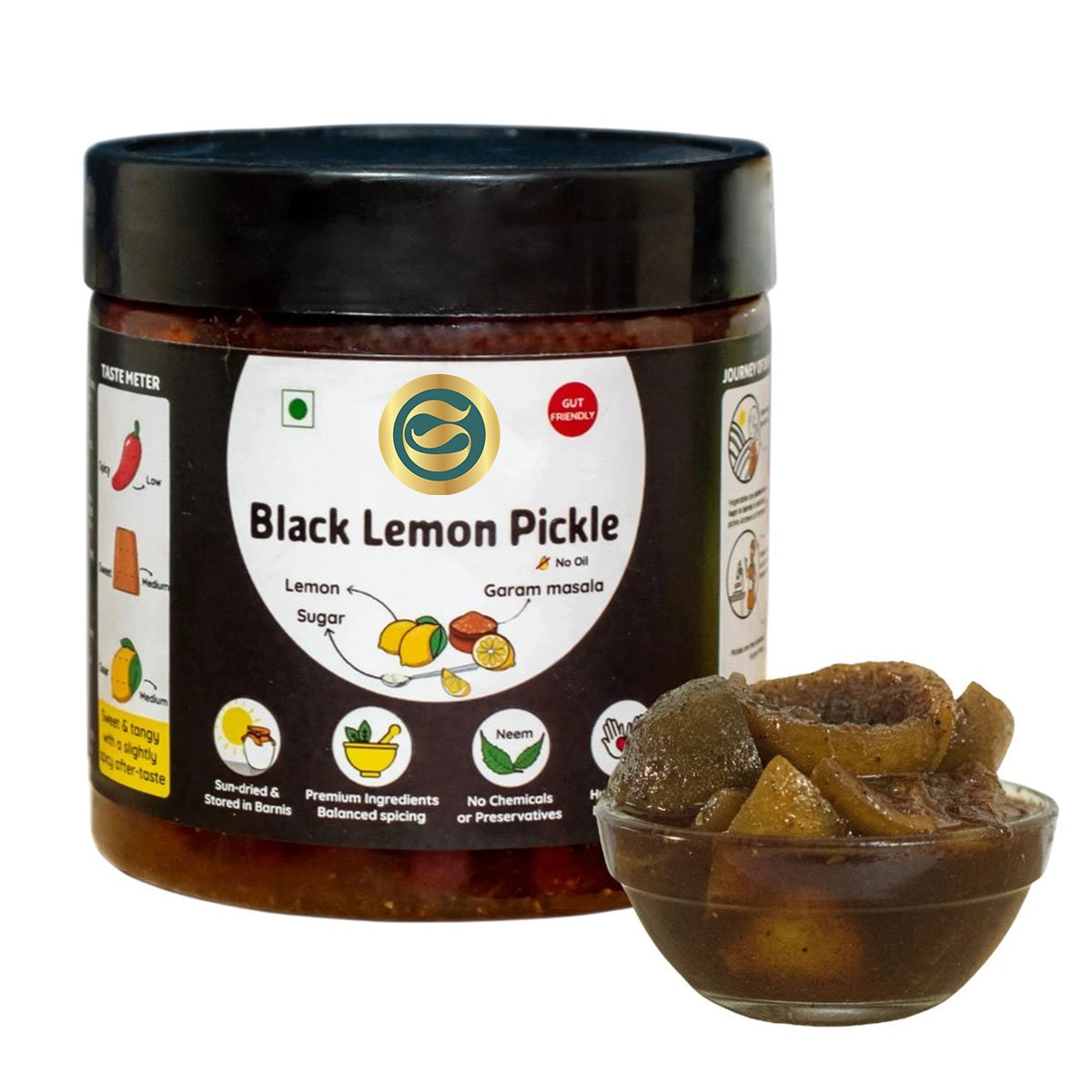
Black Lemon Pickle
Price range: ₹299.00 through ₹650.00The Rich Heritage and Cultural Importance of Winter Confections
Ancient Origins and Desert Wisdom
The tradition of sesame-jaggery sweets traces back centuries in Rajasthan, reflecting practical wisdom about winter nutrition and food preservation in harsh desert climates. Sesame seeds provide concentrated nutrition including protein, healthy fats, and minerals—exactly what bodies need maintaining energy and warmth during cold months. Jaggery offers natural sweetness while supplying iron and other micronutrients often deficient in traditional diets. The combination creates nutritionally complete sweet providing sustained energy without refined sugar’s rapid blood glucose fluctuations, demonstrating how traditional food practices often embody sophisticated nutritional understanding predating modern dietary science.
The brittle preparation method enabled long-term storage without refrigeration through minimal moisture content and jaggery’s natural preservative properties, allowing families preparing large batches during harvest season and consuming throughout winter. This storage capability made these treats practical staples rather than occasional luxuries, contributing to their deep integration into Rajasthani food culture and seasonal rhythms.




Makarsankranti Festival Significance
The association between these confections and Makarsankranti—the winter harvest festival marking sun’s northward journey—holds particular cultural importance throughout Rajasthan and broader North India. The festival celebrates winter crop harvests, particularly sesame and sugarcane (jaggery’s source), making sesame-jaggery sweets natural offerings honoring agricultural abundance and seasonal transitions. Families exchange these preparations symbolizing sharing prosperity, sweet relationships, and warming wishes during cold months—traditions maintaining strong cultural resonance even as modern life changes seasonal food patterns for many urban residents.
The festival associations ensure these winter treats remain culturally relevant despite changing lifestyles, with annual demand during Makarsankranti period supporting artisan producers and maintaining traditional preparation knowledge that might otherwise disappear under modernization pressures affecting all traditional food crafts.
Regional Variations Across Rajasthan
While united by common sesame-jaggery foundation, preparations exhibit regional variations across Rajasthan reflecting local preferences and style developments. Some areas emphasize thicker, more substantial versions providing hearty eating experiences, while others prefer thinner, crispier styles offering delicate crunch. Peanut additions appear in certain regions, creating slightly different nutritional and flavor profiles. These regional differences demonstrate remarkable diversity within single sweet category, making exploration across Rajasthan’s traditional preparations fascinating culinary journey revealing how local identities express through subtle preparation variations.
Understanding Traditional Preparation Methods
Ingredient Selection and Quality Standards
Creating exceptional versions begins with premium ingredient selection. White sesame seeds prove most traditional, though black sesame sometimes appears providing slightly different nutritional profile and earthy flavor. The seeds must be fresh without rancidity affecting taste and health properties—crucial quality factor distinguishing superior preparations from inferior alternatives using old or improperly stored seeds. Jaggery quality significantly impacts final results, with pure, minimally processed varieties providing clean sweetness and proper consistency, while inferior jaggery containing excessive impurities or moisture creates preparation difficulties and compromised taste.
Quality establishments source ingredients carefully, recognizing that no amount of skill compensates for inferior base materials. The substantial ingredient cost in authentic preparations explains price differences between genuine artisanal products and cheap alternatives cutting corners through lower-quality inputs undermining both taste and nutritional value.
The Art of Perfect Jaggery Syrup
Achieving proper jaggery syrup consistency represents crucial skill in traditional preparation. The jaggery must be melted and cooked to precise “hard crack” stage—approximately 300°F/150°C—creating brittle texture when cooled. Insufficient cooking leaves preparations sticky and chewy rather than crisp, while excessive cooking burns jaggery creating bitter taste and dark, unattractive appearance. This temperature precision requires experience and attention, explaining why artisan producers achieve consistent excellence while casual home preparations often disappoint through inadequate technique despite potentially good ingredients.
Traditional practitioners judge doneness through sensory cues—visual appearance, bubble behavior, and “water test” where small syrup drops form hard, brittle threads when dropped in cold water. These experiential judgment methods prove more reliable than thermometers in traditional settings, though require considerable practice developing the intuitive understanding that distinguishes masters from novices.
Roasting and Combining Techniques
Sesame seeds require proper roasting achieving golden color and nutty aroma without burning that would create bitter taste. The roasting also develops flavor compounds and ensures moisture removal contributing to final crispness. Combining hot roasted seeds with prepared jaggery syrup demands quick, efficient work—the mixture stiffens rapidly as it cools, requiring spreading to desired thickness and cutting into pieces before hardening makes manipulation impossible. This time pressure adds complexity to seemingly simple preparation, explaining why skilled artisans produce consistently superior results compared to less experienced practitioners struggling with timing and technique.
Traditional preparation involves spreading mixture on flat surfaces (often oiled marble slabs), rolling to uniform thickness, and cutting into shapes while still slightly warm and pliable. The cutting patterns vary—rectangular pieces, diamond shapes, or traditional rounds—each requiring specific technique achieving clean cuts without shattering brittle.
Varieties and Styles of Sesame-Jaggery Confections
Classic Pure Sesame Versions
The most traditional style features only sesame seeds and jaggery without additional ingredients, allowing pure expression of these foundational components’ flavors and textures. This simplicity demands high ingredient quality and precise technique, as no additional elements mask deficiencies. The result provides intensely nutty sesame flavor balanced by jaggery’s complex sweetness, creating satisfying yet not cloying taste profile that explains these preparations’ enduring popularity across generations.
Pure versions appeal to traditionalists and those appreciating minimalist preparations showcasing ingredient quality rather than complex compositions where multiple elements compete for attention. The straightforward nature also makes these easiest to prepare at scale while maintaining consistent quality—important consideration for artisan producers managing substantial winter season demand.
Peanut-Enhanced Variations
Some regions and producers create variations incorporating peanuts alongside or instead of sesame seeds, producing slightly different textures and flavor profiles while maintaining similar nutritional benefits. Peanuts provide distinct taste and generally lower cost than sesame, making these versions accessible to broader consumer segments. The preparation techniques remain similar, though peanuts require careful roasting preventing burning that occurs more easily than with sesame seeds due to different oil contents and compositions.
These variations demonstrate how traditional sweets evolve accommodating local ingredient availability and economic considerations while maintaining cultural essence and nutritional purpose. The adaptability ensures traditional sweet categories remain relevant despite changing circumstances affecting ingredient costs or availability.
Layered and Elaborate Presentations
Premium or festive versions sometimes feature elaborate presentations including multiple layers, decorative patterns, or dried fruit inclusions creating more complex visual and taste experiences. These enhanced versions suit special occasions and gifting contexts where presentation significance matches or exceeds pure eating enjoyment, though traditional forms remain preferred for everyday consumption and authentic seasonal observance.
The elaborate versions often command premium pricing reflecting additional labor and ingredients involved in enhanced presentations, creating market segmentation where different product tiers serve diverse consumer needs from basic nutritious treats through luxury gifting options.
Nutritional Benefits and Health Properties
Sesame Seed Nutritional Power
Sesame seeds rank among most nutritionally dense foods available, providing impressive concentrations of protein, healthy fats (particularly beneficial omega-6 fatty acids), calcium, iron, magnesium, phosphorus, zinc, and various B vitamins. This nutritional density explains traditional wisdom favoring sesame consumption during winter when bodies require extra nutrients supporting energy, warmth, and immune function combating cold-weather illnesses. The calcium and magnesium content particularly benefits bone health, while iron addresses common deficiencies affecting many populations, particularly women and children.
The healthy fats in sesame provide sustained energy without blood sugar spikes characterizing refined carbohydrate consumption, making these preparations valuable energy sources for physical labor or cold-weather activities demanding sustained exertion. Traditional understanding of these benefits, while not expressed in modern nutritional terminology, nonetheless accurately identified sesame as valuable winter food supporting health and vitality.
Jaggery’s Traditional Wellness Role
Jaggery holds respected position in traditional Indian wellness systems as superior sweetener providing nutrients absent in refined sugar. The iron content benefits anemia prevention, while various minerals support metabolic functions. Ayurvedic traditions credit jaggery with warming properties ideal for winter consumption, supporting digestion, and providing “clean” energy without refined sugar’s taxing metabolic demands. Modern research confirms many traditional claims, validating folk wisdom that maintained jaggery preference despite refined sugar’s increasing availability and lower cost.
The slower digestion and absorption of jaggery’s sugars compared to refined alternatives provides more stable energy without dramatic blood glucose fluctuations that can affect mood, energy, and long-term metabolic health. While still a concentrated sweetener requiring moderation, jaggery in these traditional preparations represents more healthful choice than refined sugar alternatives.
Winter Warming Properties
Traditional food wisdom recognizes these sesame-jaggery combinations as particularly “heating” foods—generating internal warmth beneficial during cold months. While modern science might not use identical terminology, the nutritional density and caloric concentration indeed support thermogenesis (heat production) and provide sustained energy helping bodies maintain temperature in cold environments. The combination of proteins, fats, and complex carbohydrates creates balanced macronutrient profile supporting various physiological processes essential for winter wellness.
Seasonal Availability and Festival Timing
Traditional Winter Season Focus
Historically, these preparations appeared primarily during winter months coinciding with harvest timing for primary ingredients and seasonal nutritional needs. The winter concentration created anticipation and special occasion associations, with first preparations of each season marking seasonal transitions and harvest celebrations. Modern production often extends availability year-round accommodating consumer demand, though traditional practitioners and knowledgeable consumers still emphasize winter consumption aligning with cultural traditions and nutritional appropriateness.
The seasonal focus also relates to preparation and storage practicalities—cooler winter temperatures facilitate handling hot jaggery syrup and enable storage without refrigeration that summer heat might compromise. These practical considerations reinforced seasonal patterns that became embedded in cultural traditions extending beyond mere practicality into ritual and identity dimensions.
Makarsankranti Peak Demand
The annual Makarsankranti festival creates peak demand period when families purchase or prepare substantial quantities for household consumption and gift distribution to friends, relatives, neighbors, and service providers. This concentrated demand presents both opportunities and challenges for traditional producers—opportunities for significant revenue but challenges maintaining quality while scaling production to meet seasonal surges. Advance preparation and systematic production planning enable quality maintenance during busy periods, distinguishing professional operations from those overwhelmed by demand resulting in compromised standards.
The festival timing also creates price fluctuations, with premium pricing often prevailing during immediate pre-festival period reflecting supply-demand dynamics. Savvy consumers sometimes purchase early avoiding peak pricing, though must accept storage responsibility maintaining quality until consumption timing arrives.
Selecting Quality Preparations: What to Look For
Visual Quality Indicators
Superior versions exhibit uniform golden-brown color throughout indicating even cooking and proper ingredient ratios. Excessive darkness suggests burning or overcooking, while pale appearance indicates undercooking compromising texture and flavor development. The surface should appear relatively smooth without excessive bubbling or pock marks suggesting technique issues during preparation. Pieces should maintain structural integrity without excessive crumbling indicating improper binding or stale ingredients affecting cohesion.
The sesame seed distribution should be even throughout rather than separated layers or clumps suggesting inadequate mixing. Any visible oil separation on surfaces or packaging indicates either improper preparation technique or storage conditions allowing fat migration compromising texture and potentially accelerating rancidity.
Texture and Taste Characteristics
Proper texture provides satisfying crunch that breaks cleanly without excessive hardness requiring uncomfortable chewing force. The brittleness should feel substantial without either mushiness suggesting moisture problems or tooth-threatening hardness from overcooking. Fresh preparations exhibit distinct sesame aroma and flavor balanced by jaggery’s complex sweetness—neither component should dominate excessively, though slight sesame predominance proves acceptable given seeds’ volume in proper formulations.
Taste should feel clean and balanced without any rancid notes indicating old sesame seeds, burnt flavors from overcooked jaggery, or excessive oiliness suggesting improper technique or storage. The sweetness should satisfy without becoming cloying, with jaggery’s natural complexity providing more interesting taste profile than simple refined sugar sweetness.
Freshness Assessment
Fresh preparations maintain crispness and clean snap when broken, while staleness manifests through softening, chewiness, or loss of distinct textural character. The sesame aroma should be readily apparent rather than faded or absent. Any signs of oil rancidity—off odors or unpleasant aftertaste—indicate age or improper storage requiring rejection regardless of other quality aspects. Reputable sellers willingly discuss preparation dates and expected shelf life, demonstrating transparency about product freshness rather than evasiveness suggesting quality concerns.
Proper Storage and Consumption Guidelines
Optimal Storage Conditions
These brittle preparations maintain quality best when stored in airtight containers at room temperature in cool, dry locations away from direct heat and light. Airtight storage prevents moisture absorption that would compromise crispness, while temperature and light control slow oxidation processes affecting sesame oils causing rancidity over time. Properly stored preparations maintain acceptable quality for several weeks, though gradual quality decline occurs even under optimal conditions making reasonably prompt consumption preferable.
Refrigeration proves unnecessary and potentially counterproductive in many climates, as temperature fluctuations when removing containers from cold storage can cause condensation compromising texture. However, in extremely hot, humid conditions, refrigerated storage may prove necessary protecting against heat and moisture damage despite textural compromises.
Serving Suggestions and Pairings
These preparations traditionally serve as standalone snacks or desserts, often accompanied by hot beverages like masala chai or milk that complement flavors while providing liquid balancing the dry, brittle texture. The combination of crunchy sweet treat with warming beverage creates satisfying sensory experience particularly appreciated during cold weather. Some consumers enjoy these with meals as palate cleansers or digestive aids, following traditional beliefs about jaggery supporting digestion.
Modern adaptations sometimes incorporate these preparations into fusion desserts, ice cream toppings, or creative presentations, though traditionalists generally prefer simple, authentic consumption methods honoring cultural heritage rather than contemporary innovations potentially compromising traditional character.
Portion Considerations
While nutritionally beneficial, these concentrated energy sources require mindful portion control preventing excessive caloric intake. A reasonable serving of 1-2 pieces (approximately 20-40 grams) provides satisfaction and health benefits without overindulgence. The rich, satisfying nature makes small portions sufficient for most consumers, demonstrating how traditional sweets often incorporate built-in moderation mechanisms through substantial nature and serving customs that discourage excessive consumption.
Govindam Sweets: Your Source for Authentic Rajasthani Specialties
Seasonal Availability and Quality Commitment
While Govindam Sweets specializes year-round in signature items like Ghewar and Balwan Laddu, we honor traditional seasonal patterns by offering winter specialties during appropriate times when cultural significance and nutritional relevance align with authentic consumption traditions. Our commitment to quality extends across all offerings regardless of season, ensuring customers receive products meeting our rigorous standards whether purchasing signature year-round items or seasonal specialties like traditional winter confections.
Our Rajasthani Special category showcases comprehensive range of regional preparations, with seasonal items appearing during culturally and practically appropriate periods honoring traditional patterns while accommodating modern customer preferences for accessing authentic preparations beyond immediate geographic availability.
Traditional Preparation Maintaining Authenticity
Our preparation methods honor traditional Rajasthani techniques rather than adopting industrial shortcuts compromising authenticity for production efficiency. Premium ingredient sourcing ensures fresh sesame seeds and quality jaggery, while skilled artisans employ time-honored methods achieving proper textures and authentic flavors distinguishing genuine traditional preparations from commercialized adaptations bearing little resemblance to authentic cultural expressions.
Convenient Ordering and Reliable Delivery
Our online platform enables convenient browsing and ordering of available products including seasonal specialties when offered. Nationwide delivery extends access beyond Jaipur to customers throughout India seeking authentic Rajasthani preparations, while protective packaging ensures products arrive in excellent condition maintaining quality from our facility through your doorstep regardless of distance or delivery logistics involved.
Frequently Asked Questions About Traditional Winter Confections
Q: What are Gajak sweets from Rajasthan? A: These are traditional winter confections made from roasted sesame seeds and jaggery, prepared in brittle form creating crunchy, nutritious treats particularly popular during winter months and Makarsankranti festival.
Q: Why are these traditionally consumed in winter? A: Sesame seeds and jaggery both provide warming properties and concentrated nutrition beneficial during cold months, while harvest timing for main ingredients coincides with winter season making this culturally and practically appropriate seasonal specialty.
Q: What health benefits do these provide? A: These offer excellent protein, healthy fats, calcium, iron, and various minerals from sesame seeds, plus iron and micronutrients from jaggery, creating nutritionally dense treats supporting winter wellness needs.
Q: How long do these stay fresh? A: When properly stored in airtight containers at room temperature, these maintain acceptable quality for several weeks, though gradual decline occurs making reasonably prompt consumption within 2-3 weeks optimal.
Q: Can these be made at home? A: Yes, though achieving proper texture requires precise jaggery syrup temperature and timing that experienced artisans execute more consistently than casual home cooks. Quality ingredients prove essential regardless of preparation setting.
Q: Are these suitable for diabetics? A: While jaggery absorbs more slowly than refined sugar, these remain concentrated sweeteners that diabetics should consume sparingly under medical guidance. The nutritional benefits don’t eliminate blood sugar management considerations.
Q: What’s the difference between various regional styles? A: Regional variations involve thickness preferences, occasional peanut inclusions instead of or alongside sesame, and subtle preparation technique differences creating textural and flavor variations within common sesame-jaggery foundation.
Q: Why do prices vary significantly? A: Quality differences in sesame seeds and jaggery, preparation expertise levels, and seasonal demand fluctuations all influence pricing. Authentic artisanal preparations necessarily cost more than mass-produced alternatives compromising quality.
Q: Can I order these year-round? A: While traditionally seasonal, some producers offer year-round availability. However, respecting traditional seasonal patterns often means availability concentrates during winter months when cultural significance and nutritional appropriateness align optimally.
Q: How do I identify quality preparations? A: Look for uniform golden-brown color, clean snap texture, balanced sesame-jaggery ratio, fresh sesame aroma, and absence of rancidity or excessive oiliness. Reputable sellers discuss freshness and preparation dates transparently.
Conclusion: Celebrating Rajasthan’s Winter Treasure
Gajak sweets from Rajasthan represent remarkable convergence of nutrition, tradition, and culinary artistry that has sustained communities through countless winters while creating cultural touchstones connecting generations to seasonal rhythms and celebration traditions. These humble sesame-jaggery preparations embody desert wisdom about ingredient selection, preparation techniques, and consumption timing that modern nutritional science increasingly validates. The crispy texture, nutty flavor, natural sweetness, and substantial nutrition make these winter specialties genuinely valuable foods rather than merely empty-calorie indulgences, demonstrating how traditional sweets often incorporate sophisticated wellness understanding within cultural frameworks.
Understanding authentic preparations requires appreciating craftsmanship involved in proper technique, quality ingredient importance, seasonal and cultural contexts giving these confections meaning beyond taste, and health benefits making them valuable nutritional sources rather than mere treats. Whether consuming for personal enjoyment, sharing during festivals, or gifting to maintain cultural connections and seasonal traditions, choosing authentic preparations from reputable sources ensures experiencing genuine Rajasthani heritage rather than commercialized approximations lacking traditional character.
Govindam Sweets invites exploring our comprehensive range of Rajasthani specialties including year-round signatures and appropriate seasonal offerings honoring traditional patterns. Visit our online shop browsing available products, discovering our Rajasthani Special category showcasing regional heritage, or exploring franchise opportunities bringing authentic Rajasthani confectionery traditions to new markets.
Experience the warming richness, nutritional wisdom, and cultural significance of authentic Rajasthani winter specialties—where centuries of tradition meet contemporary quality standards creating confections that nourish body, satisfy taste, and honor heritage connecting past generations’ wisdom to present enjoyment and future preservation of remarkable culinary traditions deserving celebration and continuation.