
Posts
Preserved vs Fresh Sweets Understanding Shelf Life Differences

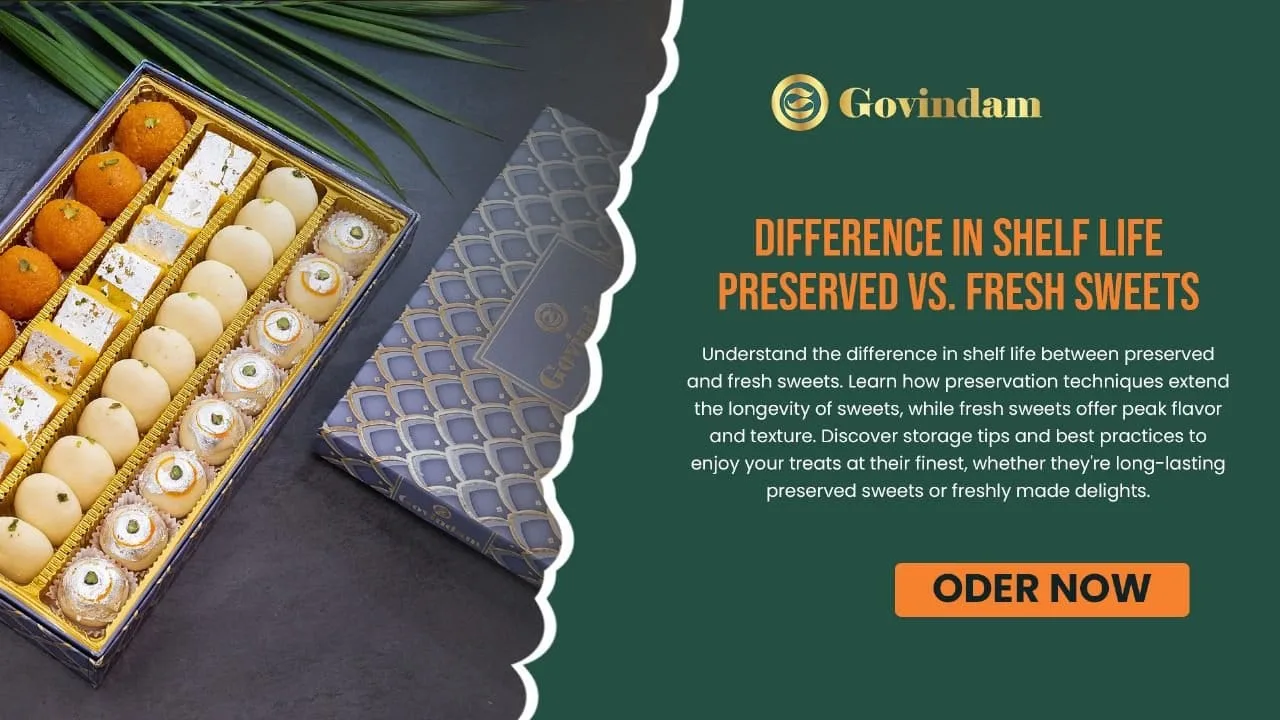
Explore preserved vs fresh sweets differences covering shelf life expectations, quality indicators, preservation methods, taste variations, nutritional considerations, and practical usage scenarios. Learn when fresh preparation matters most, how traditional preservation techniques work, optimal storage practices, and how to identify quality regardless of preservation approach.
Preserved vs Fresh Sweets: Understanding Shelf Life Differences
Introduction: The Freshness Factor in Traditional Sweets
The distinction between preserved vs fresh sweets represents one of the most important yet often misunderstood aspects of Indian confectionery, significantly impacting taste quality, nutritional value, safety considerations, and appropriate usage contexts. Traditional Indian sweets span remarkable diversity not just in flavor profiles and preparation techniques but also in inherent shelf stability—some preparations naturally last weeks through ingredient composition and preparation methods, while others remain optimal mere days requiring refrigeration and quick consumption. Understanding these preserved vs fresh sweets differences empowers informed purchasing decisions, appropriate storage practices, realistic consumption planning, and quality assessment skills that enhance sweet enjoyment while preventing waste, disappointment, or health risks from improper handling.




The preserved vs fresh sweets conversation extends beyond simple shelf life duration to encompass quality philosophy, taste priorities, convenience trade-offs, and cultural values about food freshness and preparation timing. Fresh preparation advocates emphasize superior taste, optimal texture, and authentic character that preserved alternatives cannot fully replicate despite extended accessibility. Preservation proponents highlight practical convenience, reduced waste, consistent availability, and sufficient quality for many consumption contexts not demanding absolute peak perfection. Both positions contain validity, with optimal choice depending on specific circumstances, priorities, and usage contexts rather than universal superiority of either approach.
Govindam Sweets navigates the preserved vs fresh sweets balance thoughtfully through made-to-order preparation for most offerings, appropriate preservation techniques for specific products, transparent freshness communication, and comprehensive storage guidance enabling customers understanding realistic quality expectations and optimal consumption timing. Shop now to explore our collection featuring fresh preparations like Ghewar and naturally longer-lasting options like Balwan Laddu. This exploration of preserved vs fresh sweets reveals how preparation methods, ingredient compositions, storage conditions, and consumption contexts all influence optimal approach selection and satisfaction maximization across diverse sweet consumption occasions.



Amla Chunda
Price range: ₹299.00 through ₹650.00
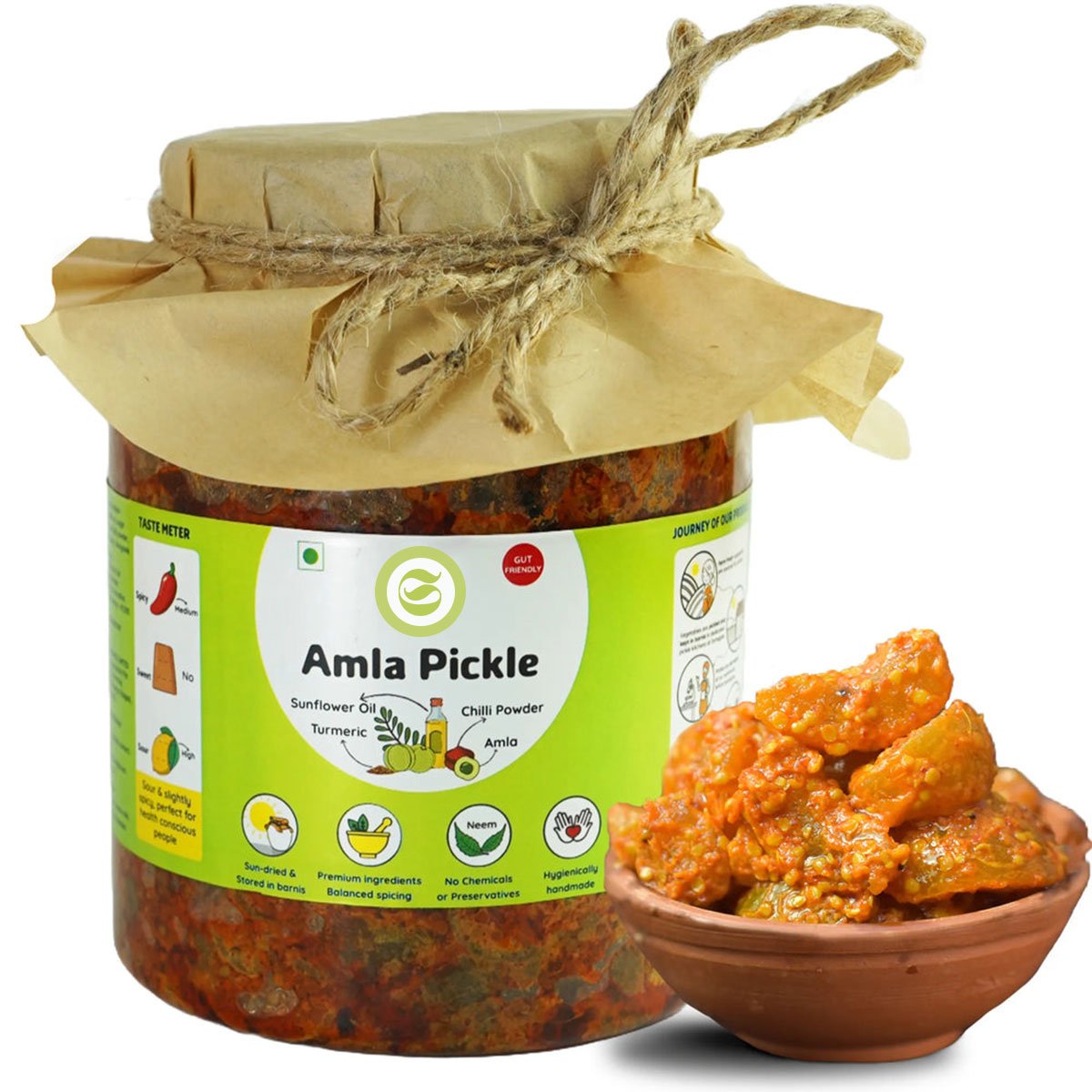
Amla Pickle
Price range: ₹299.00 through ₹650.00
Anardana Goli
Original price was: ₹200.00.₹150.00Current price is: ₹150.00.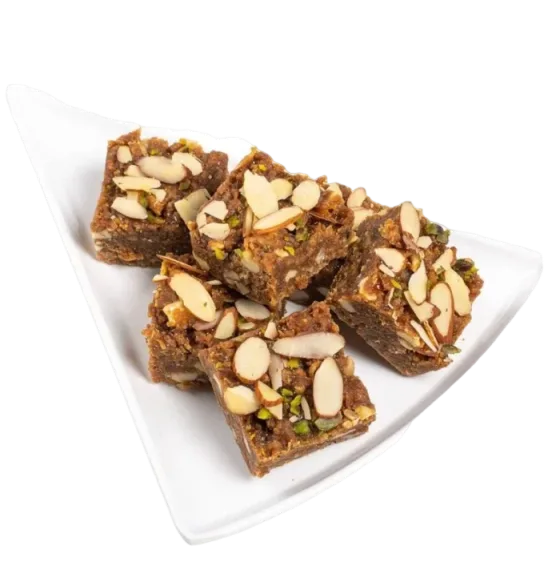
Authentic Dodha Barfi – Traditional Milk Sweet Delight
Original price was: ₹650.00.₹500.00Current price is: ₹500.00.
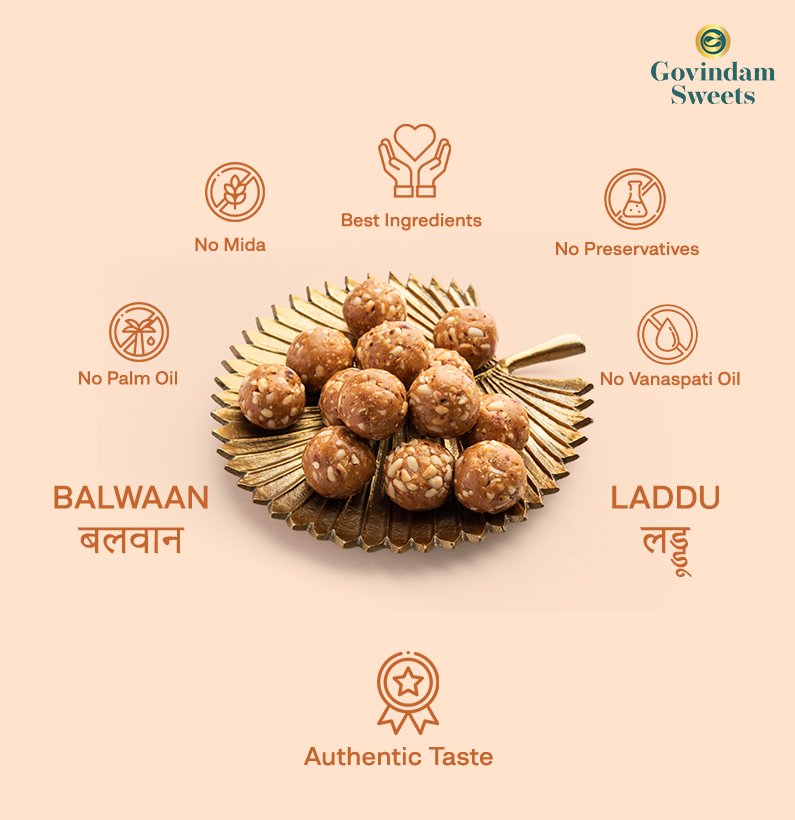
Balwan Laddu
Price range: ₹500.00 through ₹1,000.00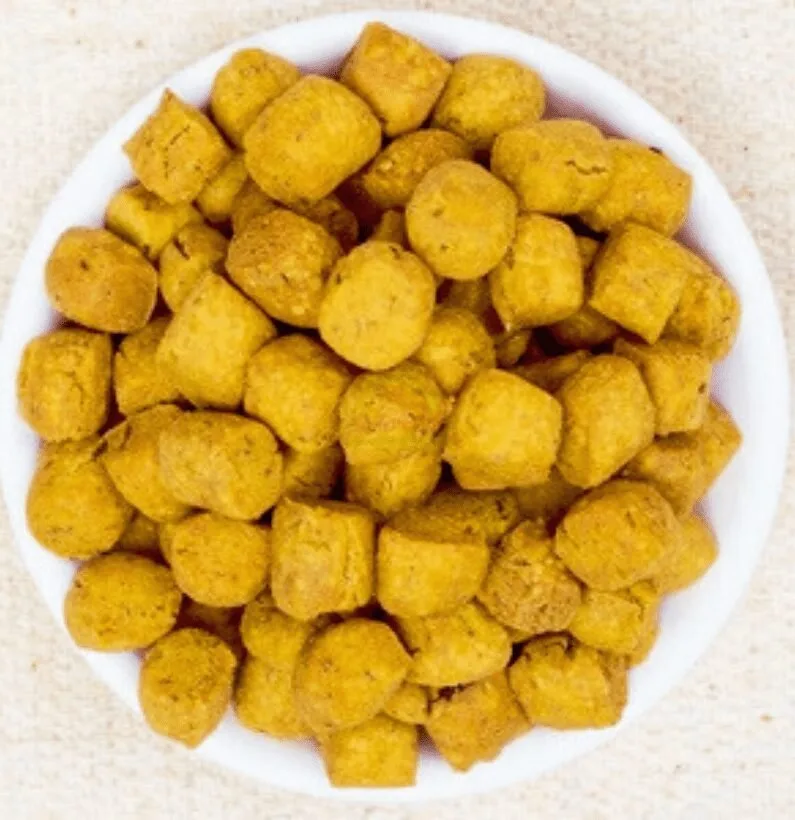
Besan Gatta
Original price was: ₹400.00.₹340.00Current price is: ₹340.00.
Besan Laddu
Price range: ₹270.00 through ₹540.00
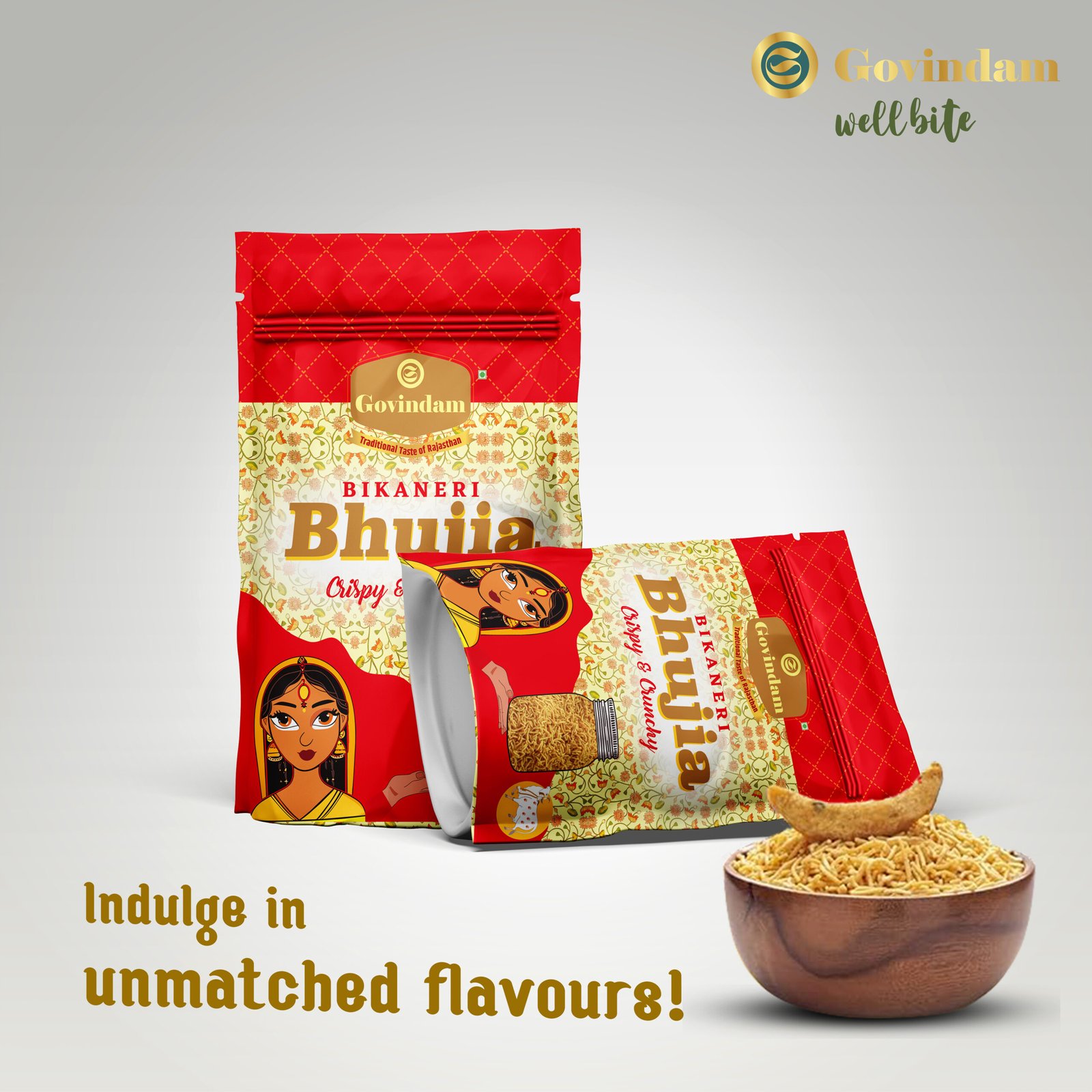
Bikaneri Bhujia
Price range: ₹180.00 through ₹360.00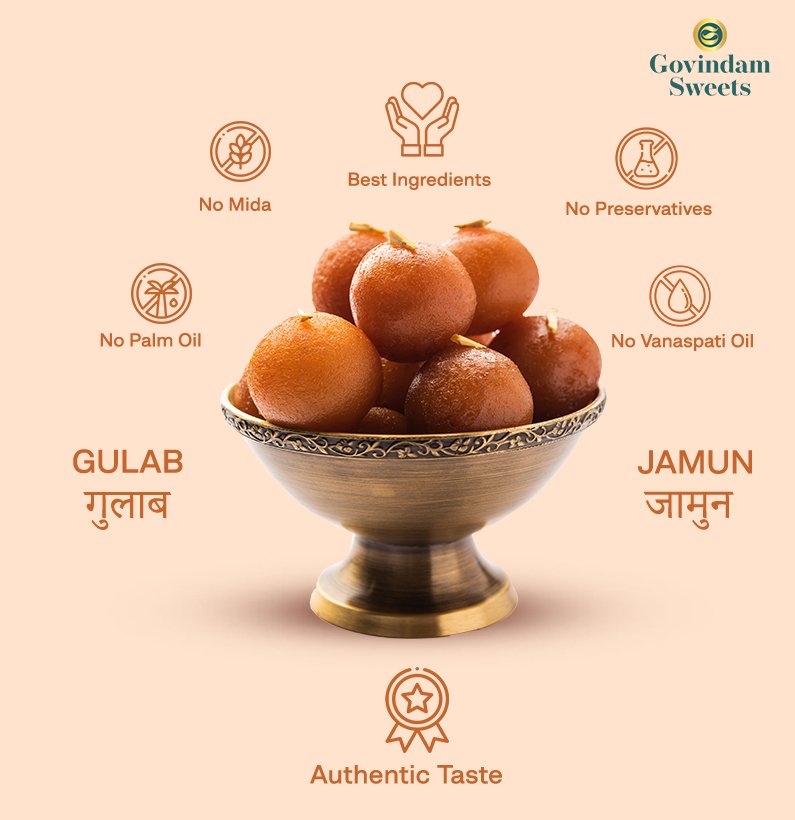
Black Gulab Jamun
Price range: ₹260.00 through ₹540.00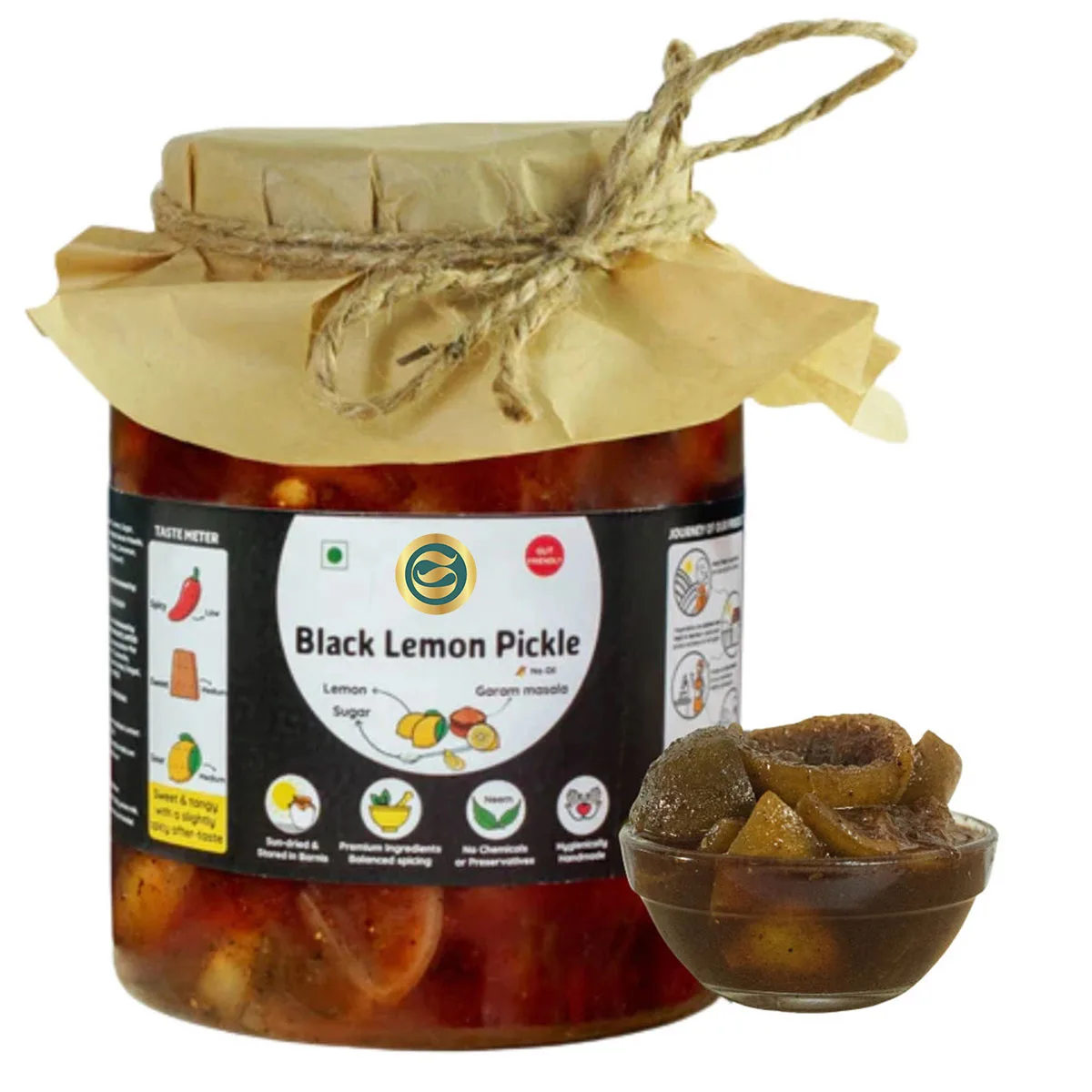
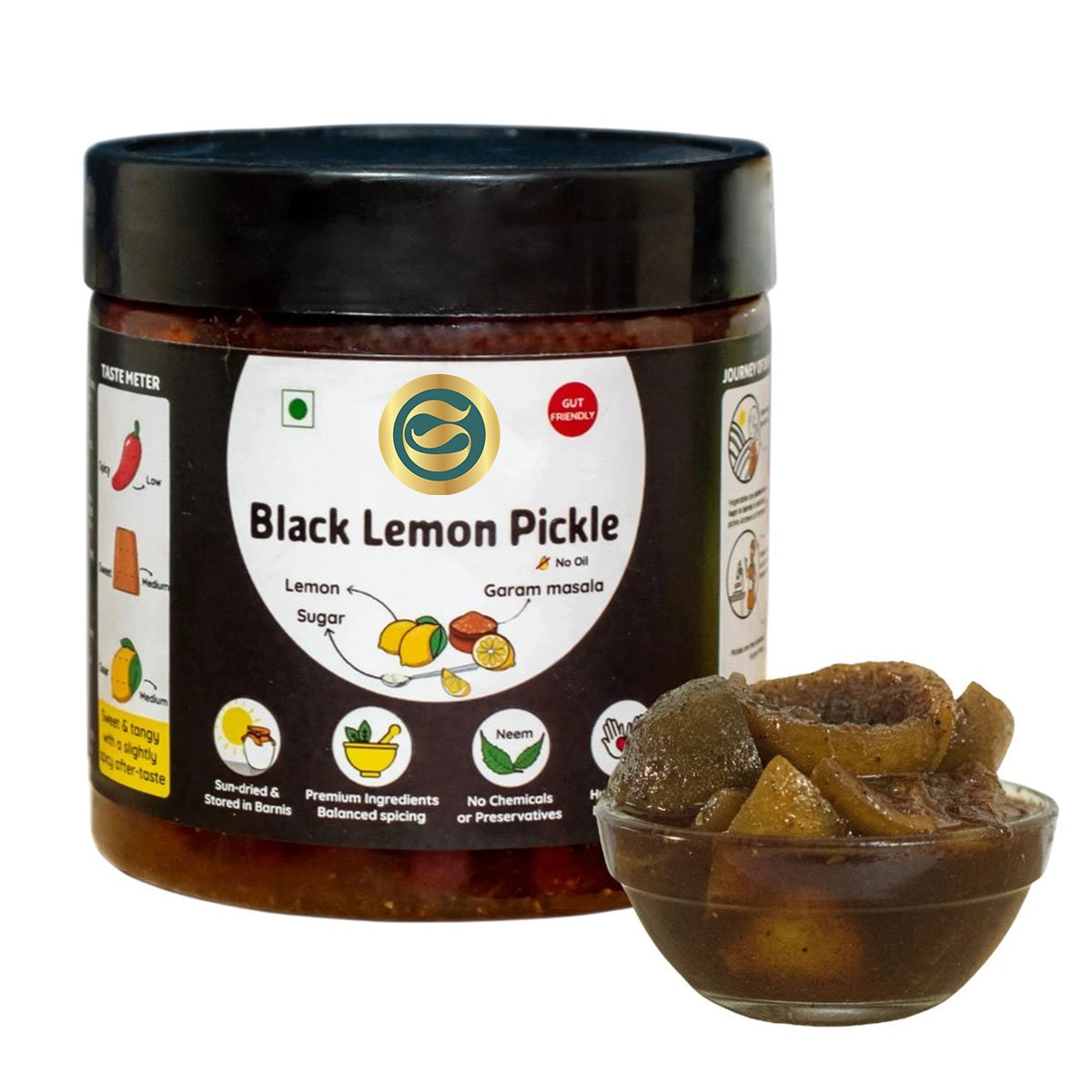
Black Lemon Pickle
Price range: ₹299.00 through ₹650.00Understanding Fresh Sweets: Benefits and Limitations
Defining Freshness in Traditional Sweets
Fresh sweets in the preserved vs fresh sweets comparison refer to preparations consumed within days of preparation—typically 2-5 days maximum—maintaining optimal taste, texture, and appearance without significant quality deterioration. Fresh sweets emphasize immediate consumption proximity to preparation, requiring refrigeration for quality maintenance beyond brief periods, and exhibiting noticeable quality decline as days pass manifesting through texture changes, moisture loss or excess, flavor deterioration, or appearance degradation signaling staleness or spoilage.
The preparation timing distinguishing fresh sweets in preserved vs fresh sweets contexts involves made-to-order approaches, small-batch production enabling complete turnover within freshness windows, and inventory management systems preventing extended storage compromising quality. Quality vendors offering fresh sweets communicate preparation timing transparently, provide realistic shelf life information, guarantee freshness through replacement or refund policies, and maintain systems ensuring products reach customers at peak quality rather than approaching expiration or already deteriorated.



Superior Taste and Texture Advantages
The primary advantage favoring fresh sweets in preserved vs fresh sweets comparisons involves superior taste and texture quality that peak freshness provides. Moisture content remains optimal—neither excessive creating sogginess nor insufficient causing dryness—creating ideal mouthfeel and flavor release. Aromatic compounds maintain full intensity before volatile elements dissipate through time and exposure. Textural characteristics stay true to intended specifications—crispy items remain crisp, soft preparations stay appropriately tender, and grainy-smooth textures maintain proper balance.
The flavor complexity in fresh sweets demonstrates why the preserved vs fresh sweets debate matters to discerning consumers. Fresh preparations showcase ingredient quality more transparently, with milk richness, ghee authenticity, spice aromatics, and natural sweetness all expressing fully before time-related deterioration mutes subtlety and complexity. Inferior ingredients or preparation shortcuts show more obviously in fresh sweets lacking preservation techniques that mask deficiencies through extended processing or flavor manipulation compensating for inherent quality limitations.
Practical Limitations and Challenges
The limitations of fresh sweets in preserved vs fresh sweets comparisons create practical challenges affecting accessibility, planning, and usage flexibility. Short shelf life demands quick consumption preventing advance purchasing, requires precise timing coordination between preparation and consumption, and creates waste risks when quantities exceed realistic consumption within freshness windows. Refrigeration requirements add storage complexity and limit portability, making fresh sweets less convenient for travel, outdoor events, or situations lacking reliable refrigeration access.
The planning constraints with fresh sweets in preserved vs fresh sweets contexts affect purchasing timing, requiring more advance coordination with vendors ensuring preparation schedules align with consumption needs, last-minute availability limitations during high-demand periods when fresh capacity reaches saturation, and potentially higher costs reflecting small-batch economics and inventory risk vendors absorb through freshness commitments. These practical factors make fresh sweets optimal for immediate-consumption contexts but potentially problematic for advance preparation, extended storage, or uncertain consumption timing scenarios.
Understanding Preserved Sweets: Methods and Applications
Traditional Preservation Techniques
Traditional preservation techniques in preserved vs fresh sweets comparisons leverage ingredient properties and preparation methods naturally extending shelf life without modern refrigeration or chemical preservatives. High sugar concentrations create osmotic preservation preventing microbial growth, generous ghee usage provides protective fat barriers and antimicrobial properties, cooking to specific moisture levels removes water supporting spoilage organisms, and sometimes incorporation of natural preservatives like cardamom or other spices with antimicrobial properties extends stability naturally.
The desert-adapted techniques in Rajasthani preserved vs fresh sweets traditions particularly emphasize shelf stability through environmental necessity—creating preparations withstanding heat without spoilage, traveling long distances for trade or warfare, and feeding families when fresh preparation proved impractical daily. Preparations like Balwan Laddu, Gajak, Feeni, and certain laddu varieties naturally last weeks or months through ingredient composition and preparation methods rather than artificial preservation requiring modern additives or technologies.
Modern Preservation and Packaging
Modern approaches to preserved vs fresh sweets include vacuum packaging removing oxygen preventing oxidation and microbial growth, modified atmosphere packaging replacing air with inert gases, refrigeration or freezing extending storage beyond room temperature capabilities, and sometimes FDA-approved food preservatives within regulatory limits maintaining quality during extended distribution. These modern techniques enable commercial distribution across vast geographic areas, reliable inventory management for retail operations, and consumer convenience through extended home storage without immediate consumption pressure.
The packaging innovations in preserved vs fresh sweets enable e-commerce viability and nationwide distribution that traditional fresh-only operations cannot achieve practically. Protective materials maintaining texture during transportation, moisture barriers preventing humidity absorption or loss, temperature-control elements for sensitive items, and overall systems ensuring delivered products maintain quality despite multi-day transit all facilitate the online sweet shopping revolution connecting heritage sweet makers with national and international customers.
Quality Considerations in Preserved Preparations
Quality preserved sweets in preserved vs fresh sweets comparisons maintain acceptable taste and texture through extended periods without dramatic deterioration, though rarely matching absolute peak freshness quality that immediate consumption provides. The preservation methods potentially affect taste subtly—vacuum packaging may alter aroma perception, extended storage can mute flavor intensity, and texture changes occur naturally even with optimal preservation creating expectations requiring adjustment from peak fresh standards.
The honest quality communication about preserved vs fresh sweets involves acknowledging preservation trade-offs rather than claiming preserved products equal fresh perfection. Quality vendors provide realistic shelf life information, explain storage requirements clearly, communicate preparation timing when feasible, and set appropriate expectations enabling customer satisfaction through informed choices rather than unrealistic quality promises leading to disappointment when preserved products understandably differ from fresh alternatives despite proper preparation and appropriate preservation.
Shelf Life Expectations: Preserved vs Fresh Sweets
Category-Specific Shelf Life Standards
Different sweet categories in preserved vs fresh sweets comparisons exhibit inherent shelf stability variations based on ingredient composition, moisture content, preparation methods, and structural characteristics. Milk-based sweets like barfi, kalakand, or rasgulla typically maintain optimal quality 5-7 days refrigerated representing relatively fresh category requiring prompt consumption. Sugar syrup-based preparations like gulab jamun or jalebi last slightly longer—7-10 days refrigerated—though quality gradually declines. Dry sweets like many laddu varieties, Gajak, or Chikki naturally last weeks or months at room temperature representing genuinely preserved category suitable for extended storage.
Explore our Festival Special collection understanding which preparations suit immediate consumption versus advance purchasing based on preserved vs fresh sweets shelf life characteristics. Ghewar occupies interesting middle ground in preserved vs fresh sweets spectrum—plain Ghewar lasts reasonably well several days, mawa or malai versions require quicker consumption, and all Ghewar types taste dramatically better within 2-3 days of preparation though remain safe longer under proper refrigeration.
Storage Conditions and Quality Maintenance
Storage conditions critically impact actual shelf life in preserved vs fresh sweets practical reality. Refrigeration dramatically extends quality maintenance for most preparations, with temperatures below 40°F (4°C) slowing deterioration, microbial growth, and chemical changes degrading quality. Airtight containers prevent moisture absorption from humid environments or moisture loss in dry conditions, protect from odor transfer and cross-contamination, and limit oxygen exposure accelerating staleness and rancidity development.
The temperature stability in preserved vs fresh sweets storage requires attention since temperature fluctuations—repeatedly moving between refrigeration and room temperature—create condensation promoting texture degradation and potential microbial growth more problematic than consistently refrigerated or consistently room-temperature storage. Proper handling practices including clean utensils preventing contamination introduction, minimal air exposure during consumption reducing oxidation and moisture exchange, and appropriate portion removal leaving remaining product undisturbed all extend effective shelf life beyond mere calendar duration.
Visual and Sensory Spoilage Indicators
Recognizing quality deterioration in preserved vs fresh sweets enables appropriate consumption timing and safety decisions. Visual indicators include color changes—darkening suggesting oxidation, pale spots indicating moisture loss, unusual discoloration signaling contamination or chemical changes. Surface changes like excessive oiliness indicating fat separation, dry cracking showing moisture loss, or visible mold growth obviously requiring disposal. Textural changes including hardness increasing beyond intended firmness, sogginess developing from moisture absorption, or unusual brittleness suggesting structural degradation.
Sensory assessment beyond visual inspection in preserved vs fresh sweets evaluation includes aroma changes—off-odors suggesting spoilage, diminished aromatic intensity indicating staleness, or unusual chemical smells warning of contamination or rancidity. Taste evaluation noting sourness developing from fermentation, bitterness suggesting oxidation or chemical degradation, or general flatness indicating flavor compound deterioration. Any concerning indicators warrant disposal rather than risky consumption, with food safety prioritizing caution over waste-minimization impulses potentially creating health problems from spoiled product consumption.
Quality Factors Beyond Shelf Life Duration
Ingredient Quality and Preparation Excellence
The quality foundations in preserved vs fresh sweets transcend preservation approaches, with ingredient excellence and preparation skill determining baseline quality that preservation methods either maintain or time degrades. Superior ingredients prepared expertly create quality whether consumed immediately or preserved appropriately, while inferior materials or careless preparation produce disappointing results regardless of freshness timing. This reality means preserved vs fresh sweets comparison shouldn’t oversimplify into fresh always superior—preserved high-quality preparations often exceed fresh mediocre alternatives.
The preparation excellence at Govindam Sweets ensures both our fresh offerings and naturally longer-lasting preparations maintain quality standards worthy of heritage reputation. Whether customers seek immediate-consumption Ghewar or advance-purchase Balwan Laddu, consistent ingredient integrity and authentic preparation techniques create reliable satisfaction rather than quality variations depending on preservation approach. This quality consistency across preserved vs fresh sweets enables confident ordering for diverse timing needs without quality gambling.
Cultural Context and Tradition Respect
Cultural considerations in preserved vs fresh sweets extend beyond practical shelf life to encompass traditional values, seasonal appropriateness, and occasion significance. Some preparations culturally demand fresh preparation—festival-specific sweets served stale insult traditions and recipients regardless of technical safety. Temple prasad expects freshness reflecting respect for divine offerings. Wedding sweets warrant premium freshness demonstrating hospitality investment and celebration importance.
The seasonal timing in preserved vs fresh sweets cultural contexts particularly matters for preparations like Ghewar traditionally consumed during specific periods rather than year-round despite technical feasibility. Traditional sensibilities value respecting seasonal cycles, preparation timing aligned with festivals and agricultural calendars, and avoiding cultural inappropriateness that constant availability creates despite commercial advantages year-round sales provide. This cultural dimension means preserved vs fresh sweets involves tradition respect beyond mere shelf life mechanics.
Nutritional Considerations
Nutritional differences in preserved vs fresh sweets remain relatively modest for properly preserved products within reasonable timeframes, though some nutrient degradation occurs inevitably with storage duration. Vitamin content may decline gradually, particularly heat- or light-sensitive vitamins. Fat oxidation can create rancidity affecting both taste and nutritional quality. Protein degradation occurs slowly under proper storage but accelerates with temperature abuse or extended duration.
The nutritional priority in preserved vs fresh sweets practically matters less than overall consumption moderation given sweets’ nutritional profiles emphasize pleasure over nutrition regardless of preservation approach. Fresh or preserved, traditional Indian sweets provide concentrated calories, substantial sugar, and generous fat—nutritional reality suggesting occasional indulgence rather than dietary staple regardless of preparation timing. The quality pleasure maximization rather than nutritional optimization drives most preserved vs fresh sweets decisions practically.
Practical Decision Framework: Preserved vs Fresh Sweets
Occasion and Usage Context Assessment
Selecting appropriately between preserved vs fresh sweets requires context assessment examining occasion importance, consumption timing certainty, recipient expectations, and practical constraints. Premium occasions—weddings, religious ceremonies, important festivals, VIP gifting—warrant fresh preparation investment demonstrating respect and quality prioritization. Casual contexts—routine consumption, informal gatherings, everyday indulgence—accept appropriate preserved options without quality compromise feeling inappropriate or disrespectful.
The timing certainty in preserved vs fresh sweets decisions influences optimal approach—uncertain consumption timing favors preserved options providing flexibility, while confirmed immediate consumption enables fresh choice maximizing quality experience. Large quantities requiring extended consumption periods naturally suit preserved preparations preventing waste, while intimate quantities for immediate enjoyment benefit from fresh quality when practical and accessible.
Budget and Value Optimization
Budget considerations in preserved vs fresh sweets involve comparing total costs against quality experiences and waste risks. Fresh preparations sometimes cost more reflecting small-batch economics, inventory risks, and freshness logistics vendors absorb. However, preserved products wasted due to spoilage before consumption or quality deterioration reducing enjoyment may prove false economy despite lower unit prices. The value assessment requires honest consumption behavior evaluation rather than optimistic assumptions about utilizing everything purchased before quality declines unacceptably.
The strategic purchasing in preserved vs fresh sweets optimization might involve mixed approaches—fresh preparations for immediate premium occasions, preserved backup supplies for unexpected needs or extended household consumption, and appropriate matching between sweet types and usage patterns maximizing satisfaction while minimizing waste and cost inefficiency from inappropriate selection.
Vendor Selection and Quality Assurance
Vendor selection matters enormously in preserved vs fresh sweets outcomes since preservation quality depends heavily on original product excellence, appropriate preservation technique selection and execution, proper packaging providing genuine protection, and honest communication setting realistic expectations. Quality vendors maintain standards across both fresh and appropriately preserved offerings, while questionable operations might hide inferior products behind preservation masking deficiencies temporarily before ultimate disappointing experiences emerge.
The vendor reputation assessment for preserved vs fresh sweets evaluates freshness guarantees and actual delivery timing, preservation method transparency and appropriateness, packaging quality protecting products genuinely, and customer feedback regarding quality consistency and realistic versus exaggerated shelf life claims. Govindam Sweets’ commitment to quality extends across all offerings regardless of inherent shelf stability, with appropriate handling, honest communication, and quality consistency creating confident satisfied customers across diverse ordering and consumption scenarios.
Best Practices for Sweet Storage and Handling
Optimal Storage Conditions
Optimal storage practices for both sides of preserved vs fresh sweets maximize quality maintenance within realistic shelf life constraints. Refrigeration at 35-40°F (2-4°C) for most preparations except specifically room-temperature-stable varieties, airtight containers preventing moisture and odor exchange, minimal light exposure reducing photo-oxidation, and stable temperatures avoiding fluctuation-induced condensation all extend effective quality duration substantially beyond careless room-temperature exposure in original packaging.
The container selection in preserved vs fresh sweets storage prefers glass or food-grade plastic providing moisture barriers, adequate sealing preventing air exchange, appropriate sizing minimizing headspace and air contact, and materials not imparting off-flavors or chemicals to products. Avoid metal containers potentially reacting with sweets, poor-quality plastics potentially leaching chemicals or failing to protect adequately, and excessive air space enabling oxidation and moisture exchange accelerating quality decline.
Consumption Planning and Waste Minimization
Strategic consumption planning for preserved vs fresh sweets involves realistic quantity assessment, appropriate variety selection balancing immediate-consumption and longer-lasting options, proper storage immediately upon receiving products, and systematic consumption prioritizing items requiring earlier consumption before tackling longer-lasting preparations. This planning minimizes waste while maximizing quality experiences through appropriate sequencing and portion management.
The waste prevention in preserved vs fresh sweets consumption includes freezing excess when appropriate—some sweets freeze acceptably though texture changes occur, sharing excess with family, friends, or neighbors preventing household waste while strengthening social bonds, and honestly assessing consumption capacity before purchasing rather than optimistically overbuying based on desires exceeding realistic consumption patterns.
Safety Considerations and Risk Management
Safety priorities in preserved vs fresh sweets handling require erring toward caution when quality concerns arise. Discard products showing obvious spoilage indicators—mold, off-odors, unusual appearance changes, or suspicious taste. When uncertain about quality or safety, disposal represents prudent choice rather than risky consumption potentially causing foodborne illness. Vulnerable populations—young children, elderly, pregnant women, immunocompromised individuals—warrant extra caution avoiding borderline products healthy adults might tolerate without issues.
The food safety fundamentals in preserved vs fresh sweets include proper refrigeration without extended room-temperature exposure, clean handling using appropriate utensils rather than fingers introducing contaminants, separate storage preventing cross-contamination from other foods, and realistic shelf life respect even when products lack obvious spoilage signs since chemical and microbial changes occur before becoming obviously detectable yet potentially problematic.
The Govindam Sweets Approach to Quality and Freshness
Made-to-Order Philosophy
Govindam Sweets emphasizes made-to-order preparation for most offerings in our preserved vs fresh sweets approach, ensuring customers receive products at peak quality rather than aged inventory approaching expiration. This preparation timing requires reasonable lead times customers accommodate through advance planning, but delivers freshness advantages justifying modest inconvenience through superior taste, texture, and overall quality experiences distinguishing heritage establishments from grab-and-go commercial operations prioritizing instant availability over optimal quality.
Appropriate Preservation for Extended-Storage Products
For naturally longer-lasting preparations in our preserved vs fresh sweets range, Govindam Sweets employs appropriate preservation techniques maintaining quality through extended periods without unnecessary processing or additives. Traditional preparations like Balwan Laddu, certain barfi varieties, and festival-appropriate items receive proper packaging, storage, and handling ensuring quality maintenance during reasonable storage durations while respecting traditional character and avoiding over-processing compromising authentic preparation standards.
Transparent Communication and Customer Education
Our preserved vs fresh sweets approach includes comprehensive customer education through product descriptions explaining optimal consumption timing, storage recommendations enabling quality maintenance, realistic shelf life information setting appropriate expectations, and preparation timing communication when feasible. This transparency empowers informed decisions, prevents disappointments from unrealistic expectations, and builds trust through honest communication rather than exaggerated marketing claims promising perfection regardless of inherent product characteristics or storage realities.
Contact us regarding franchise opportunities extending Govindam Sweets’ quality standards and freshness commitment to new markets through proven systems and comprehensive support.
Conclusion: Balancing Freshness, Convenience, and Quality
The preserved vs fresh sweets comparison reveals complex trade-offs involving quality excellence, practical convenience, cultural appropriateness, and realistic consumption patterns rather than simple superiority of either approach across all contexts. Fresh preparations offer unmatched peak quality, optimal taste and texture, and authentic character that preservation cannot fully replicate. Preserved options provide practical convenience, extended accessibility, reduced waste risks, and acceptable quality for many consumption contexts not demanding absolute perfection.
Optimal approach selection in preserved vs fresh sweets requires honest self-assessment about occasion importance, consumption timing, quality priorities, and practical constraints influencing satisfaction potential across various alternatives. Premium occasions warrant fresh investment when feasible, while routine consumption accepts appropriate preserved options without compromise feeling inappropriate. Mixed strategies combining fresh purchases for immediate premium needs with preserved backup supplies for extended household consumption often provides optimal balance maximizing satisfaction while minimizing waste and cost inefficiency.
Visit our online platform exploring Govindam Sweets’ comprehensive offerings spanning fresh preparations requiring prompt consumption and naturally longer-lasting options providing extended flexibility. Experience our Festival Special collections featuring appropriate selections for various timing needs, discover our heritage Ghewar varieties best consumed fresh, and taste our Balwan Laddu naturally maintaining quality through extended periods. Understanding preserved vs fresh sweets empowers informed decisions maximizing satisfaction through appropriate selection, proper storage, realistic consumption planning, and quality appreciation across diverse sweet experiences honoring traditional excellence while adapting practically to contemporary lifestyles and accessibility needs.
