
Posts
Explore Delightful Indian Sweets List Govindam Online Store Guide

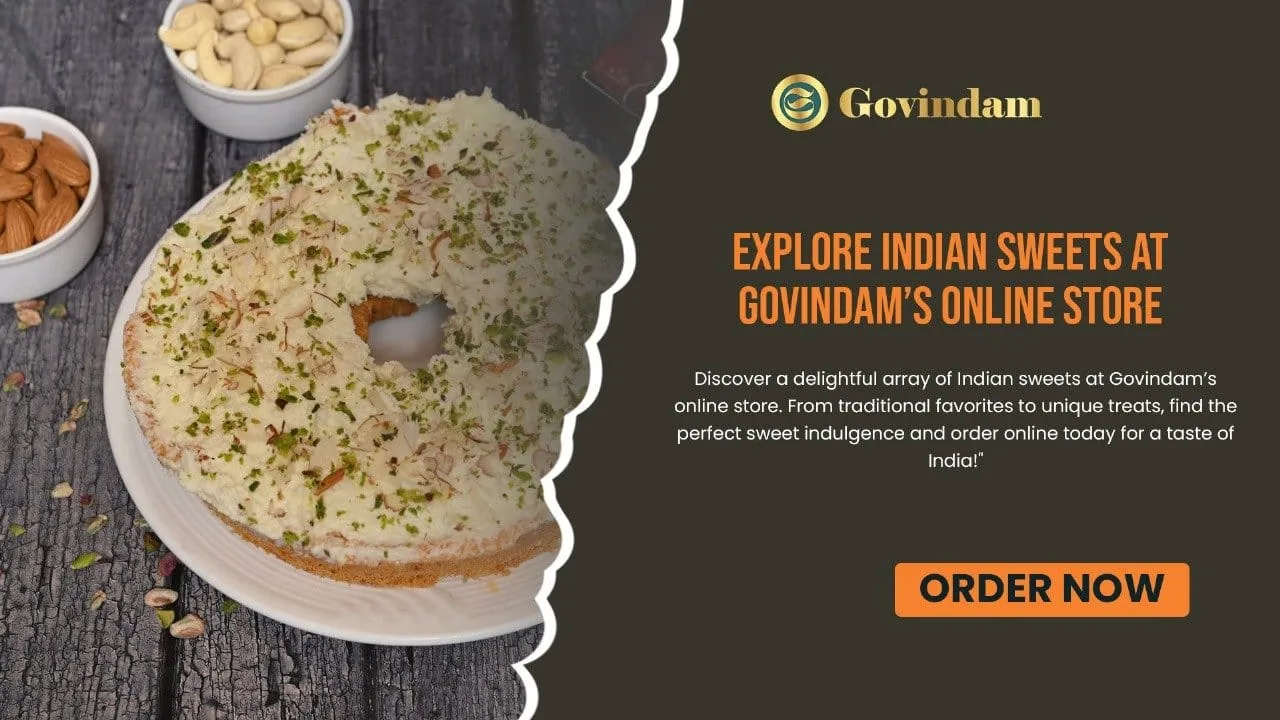
Explore comprehensive Indian sweets list through Govindam’s online store featuring traditional preparations, regional specialties, preparation categories, cultural contexts, and ordering guidance. Discover sweet diversity spanning milk-based, grain-based, syrup-soaked, and regional specialties while understanding authentic Rajasthani excellence that Govindam genuinely represents through specialized expertise.
Explore Delightful Indian Sweets List: Govindam’s Online Store
Introduction: Navigating India’s Sweet Diversity
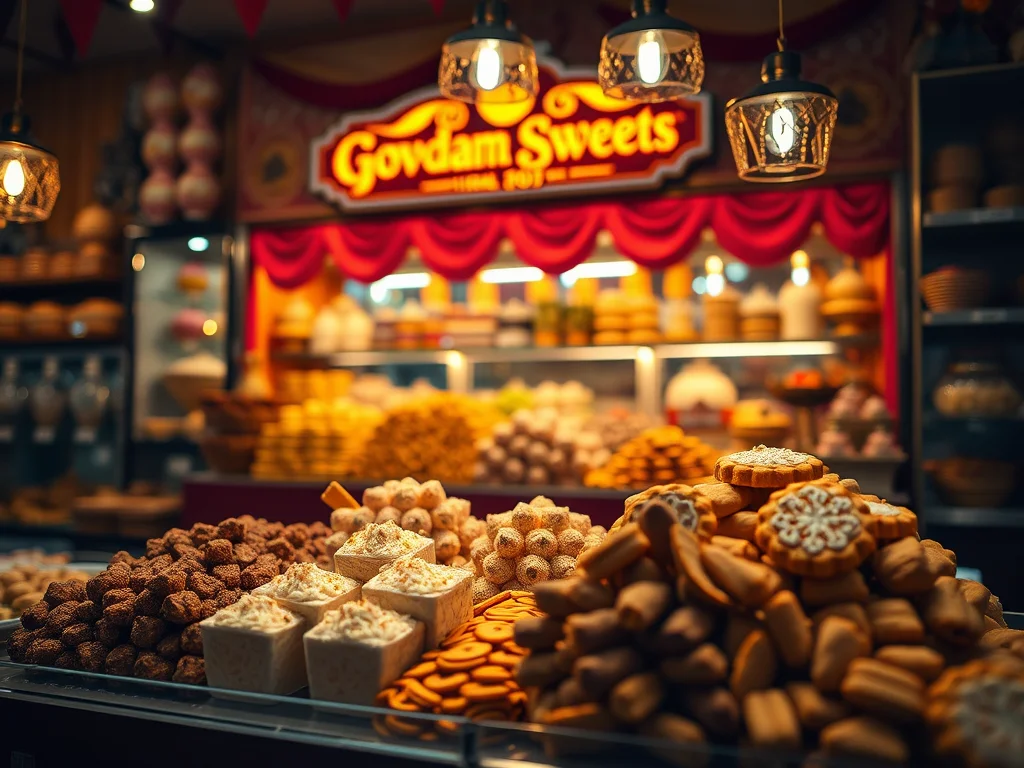
The exploration of Indian sweets list reveals one of world’s most diverse and sophisticated confectionery traditions—spanning hundreds of distinct preparations across regional cuisines, preparation techniques, ingredient combinations, and cultural contexts creating overwhelming variety that simultaneously delights and potentially confuses those seeking to understand, appreciate, and intelligently navigate this magnificent landscape. The sheer breadth spanning milk-based preparations dominating North Indian traditions, gram flour sweets showcasing legume versatility, syrup-soaked specialties demonstrating sugar craftsmanship, nut-based delicacies celebrating premium ingredients, and countless regional specialties embodying local geography, culture, and innovation all contribute to complexity that systematic categorization and knowledgeable guidance help consumers navigating confidently rather than feeling overwhelmed by choices lacking clear differentiation or quality indicators that informed selection requires.




Understanding Indian sweets involves appreciating not just individual preparation characteristics but broader patterns—how climate and geography influenced regional traditions creating distinctive characters, how cultural values and religious practices shaped preparation methods and consumption contexts, how economic factors affecting ingredient access determined what became local versus luxury specialties, and how contemporary evolution balances tradition preservation with modern adaptations addressing changing preferences, health consciousness, and commercial realities that traditional artisan operations increasingly confront. This contextual understanding enriches appreciation beyond surface-level taste evaluation into cultural participation recognizing that sweets embody heritage, artisan knowledge, and social meanings transcending pure sensory pleasure into identity expressions and relationship vehicles that food particularly facilitates across Indian cultural contexts.
At Govindam Sweets, our online platform provides gateway to authentic traditional excellence—though our genuine expertise centers specifically on Rajasthani specialties including signature Ghewar varieties and distinctive Balwan Laddu representing desert state confectionery heritage through generational family knowledge and cultural authenticity. This honest regional specialization informs our approach to broader Indian sweets discussion—celebrating magnificent diversity while acknowledging expertise boundaries, providing educational value about comprehensive Indian confectionery landscape while maintaining transparent communication about what we authentically represent versus what we respect and acknowledge without claiming inappropriate expertise. This comprehensive guide explores major Indian sweet categories, regional specialties, preparation characteristics, cultural contexts, and practical navigation strategies helping you discovering, appreciating, and intelligently ordering traditional preparations whether through our authentic Rajasthani offerings or appropriate regional specialists maintaining traditional excellence in their respective domains.



Amla Chunda
Price range: ₹299.00 through ₹650.00
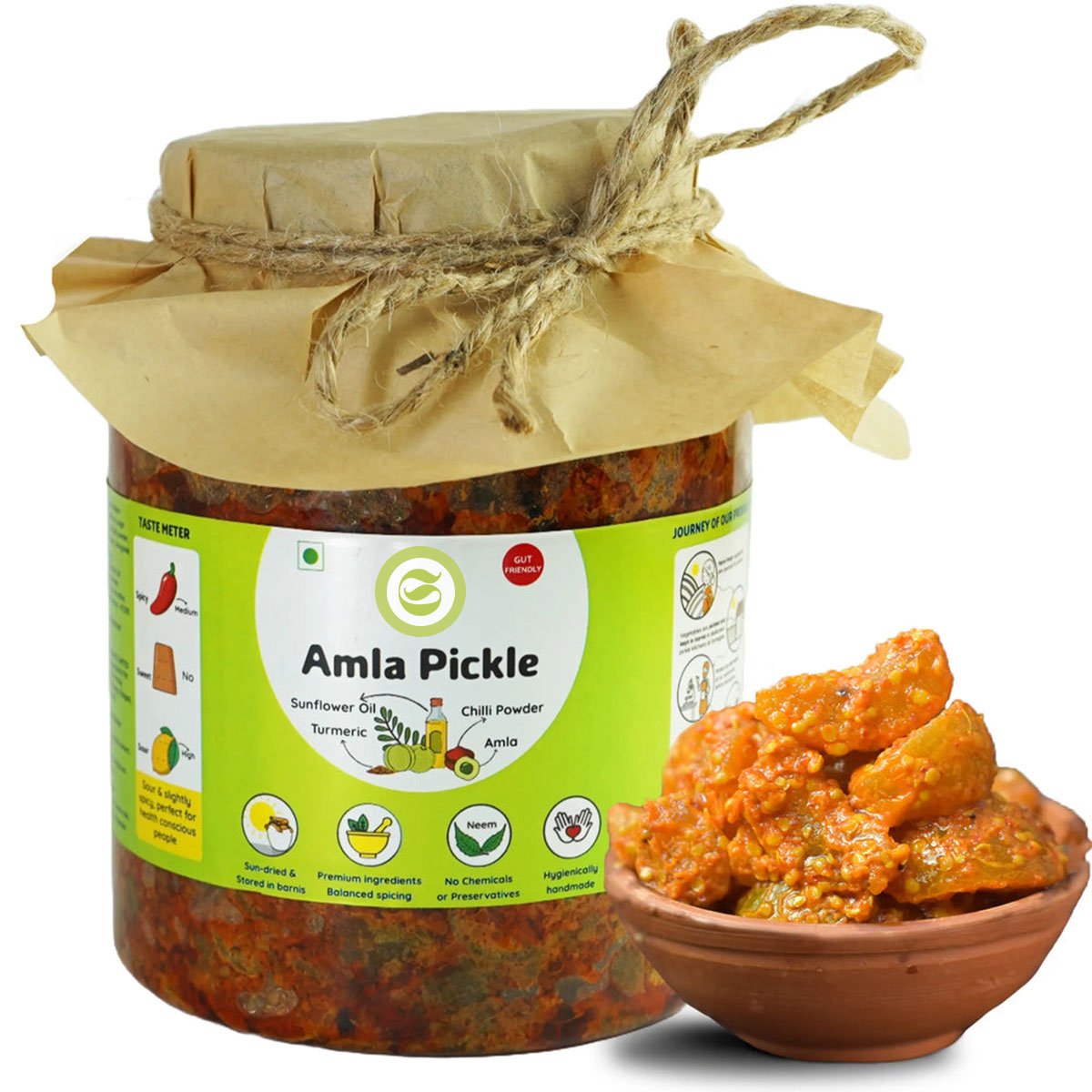
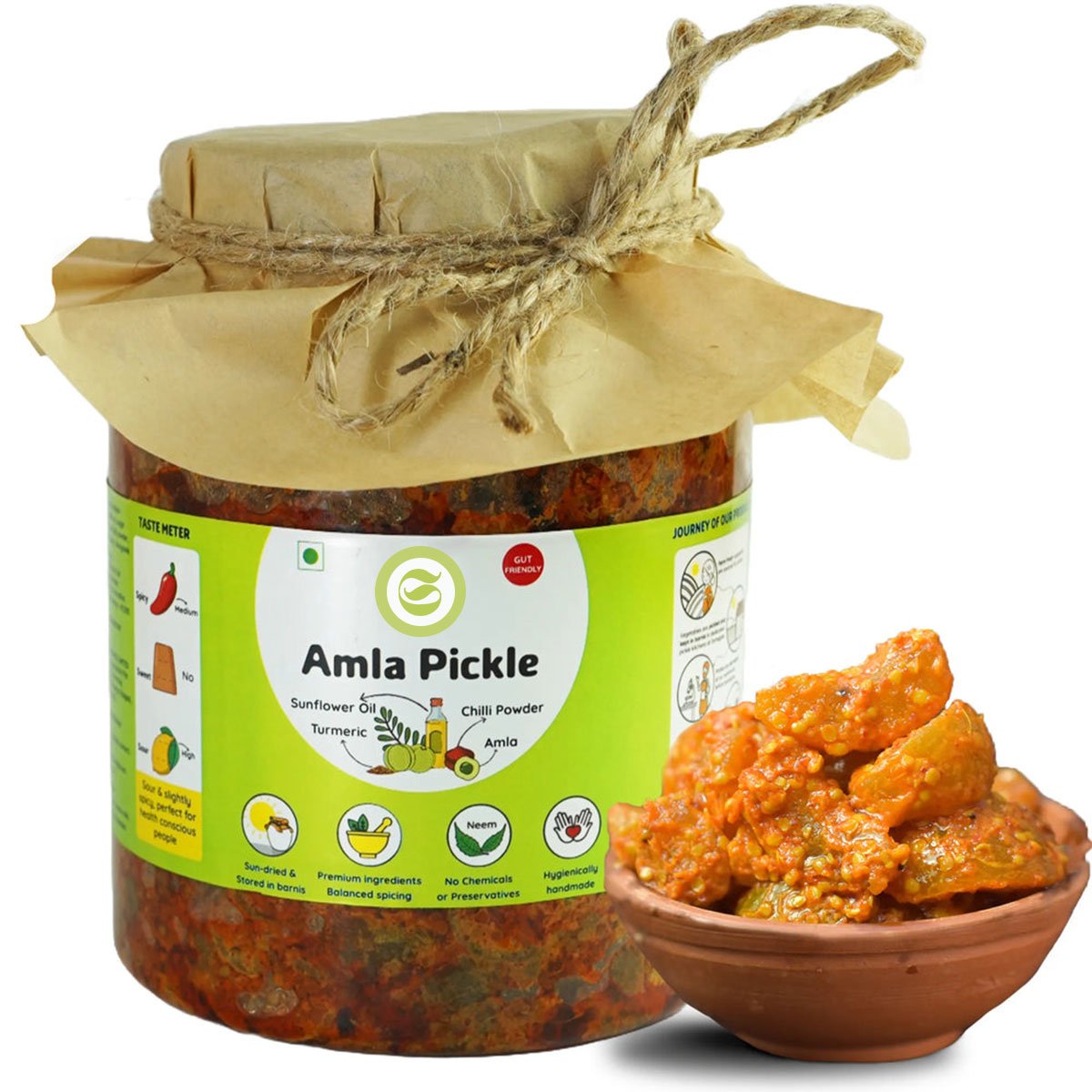
Amla Pickle
Price range: ₹299.00 through ₹650.00
Anardana Goli
Original price was: ₹200.00.₹150.00Current price is: ₹150.00.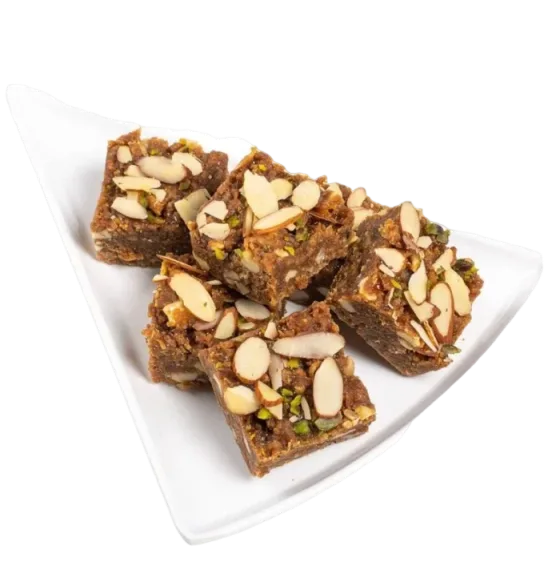
Authentic Dodha Barfi – Traditional Milk Sweet Delight
Original price was: ₹650.00.₹500.00Current price is: ₹500.00.
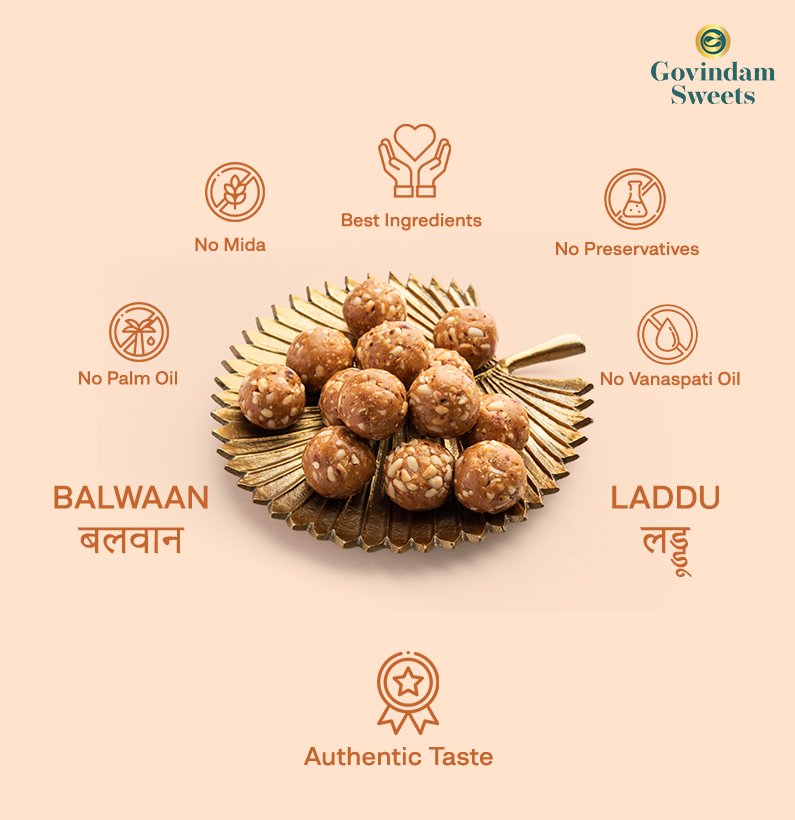
Balwan Laddu
Price range: ₹500.00 through ₹1,000.00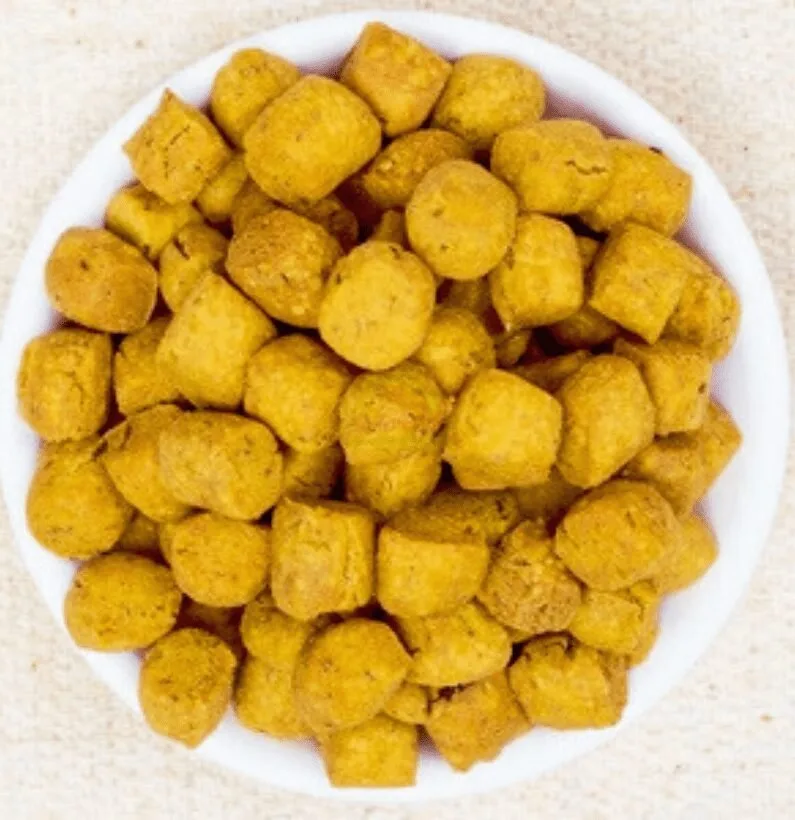
Besan Gatta
Original price was: ₹400.00.₹340.00Current price is: ₹340.00.
Besan Laddu
Price range: ₹270.00 through ₹540.00
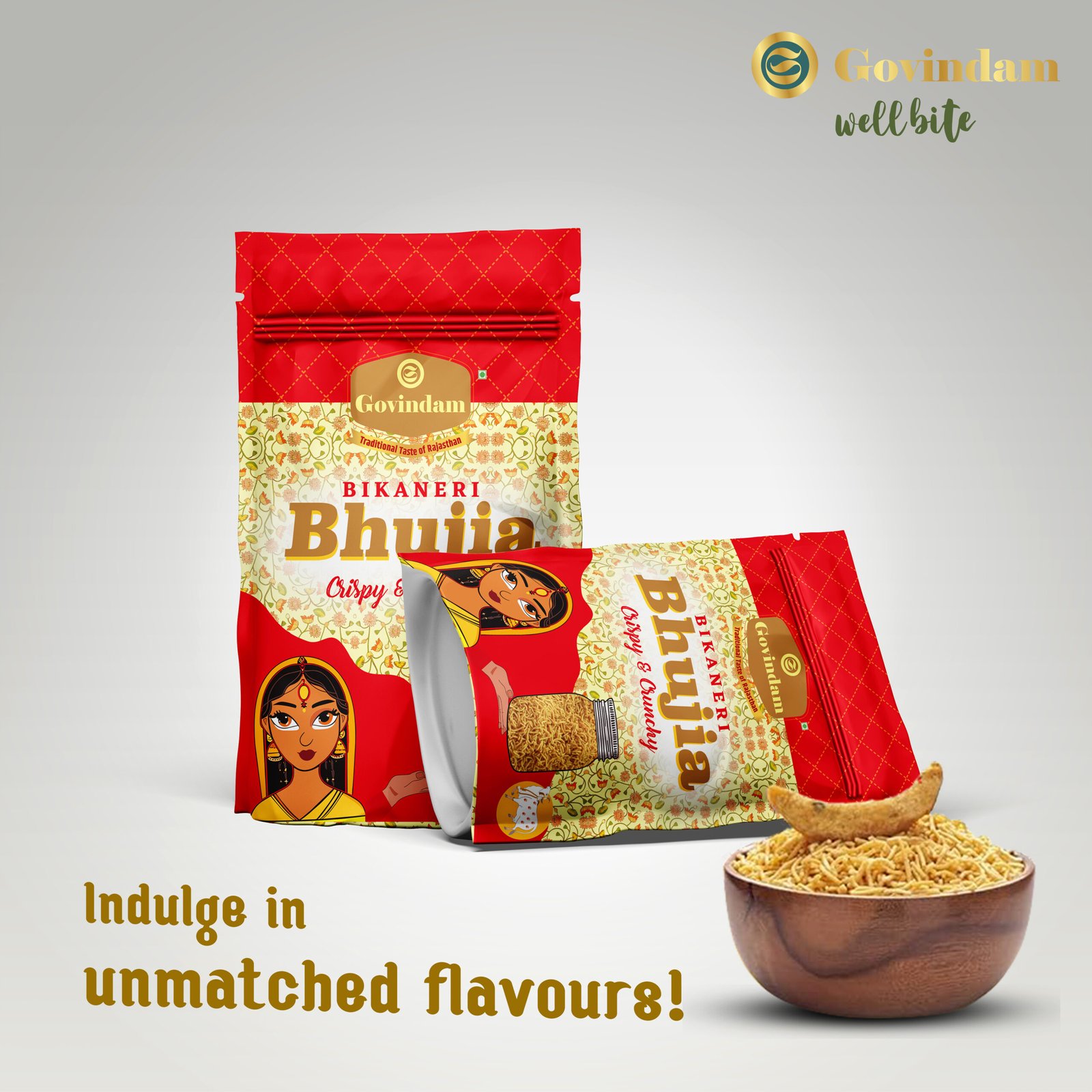
Bikaneri Bhujia
Price range: ₹180.00 through ₹360.00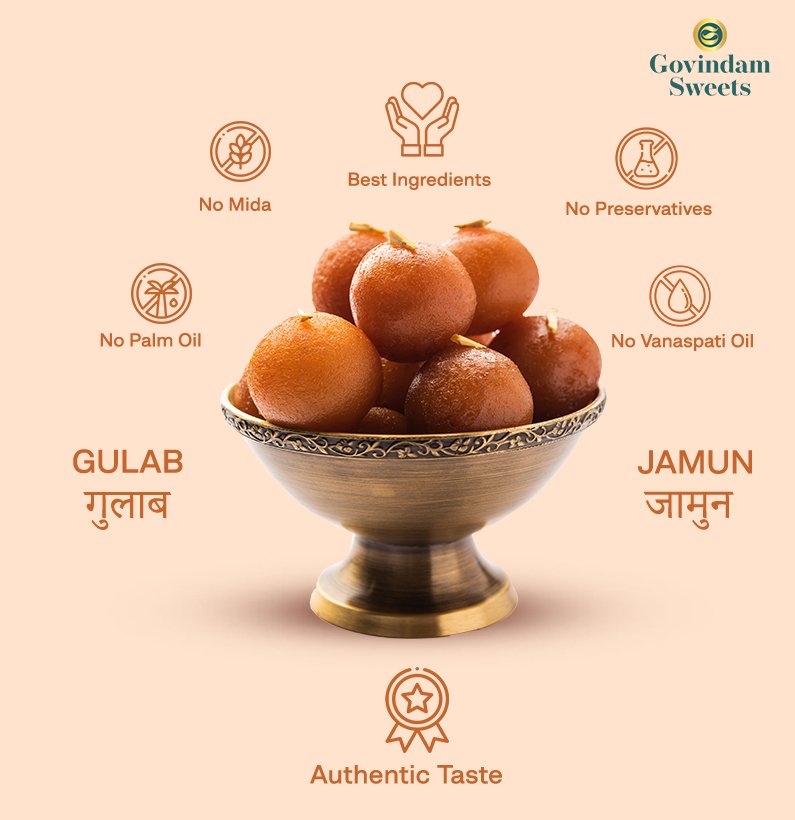
Black Gulab Jamun
Price range: ₹260.00 through ₹540.00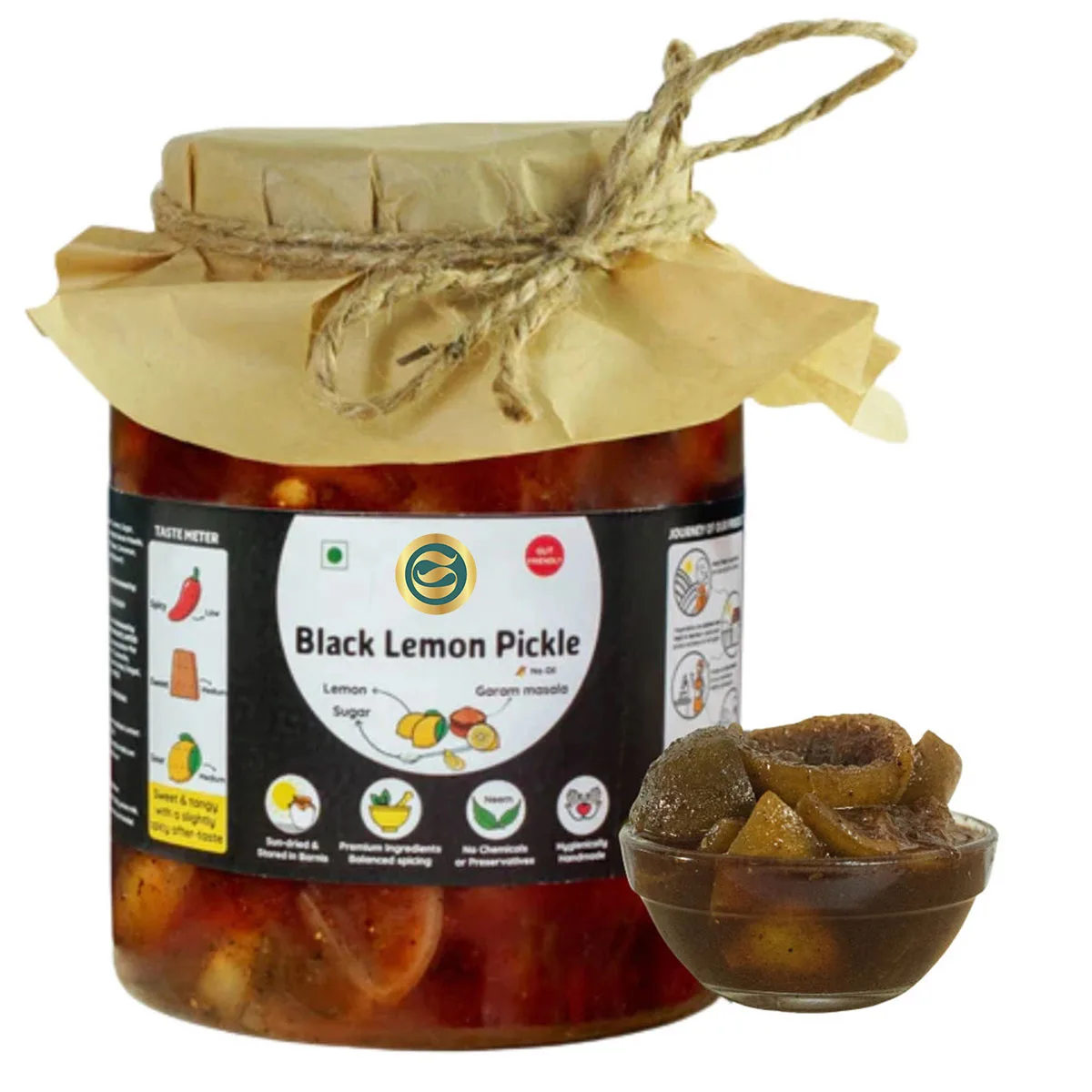
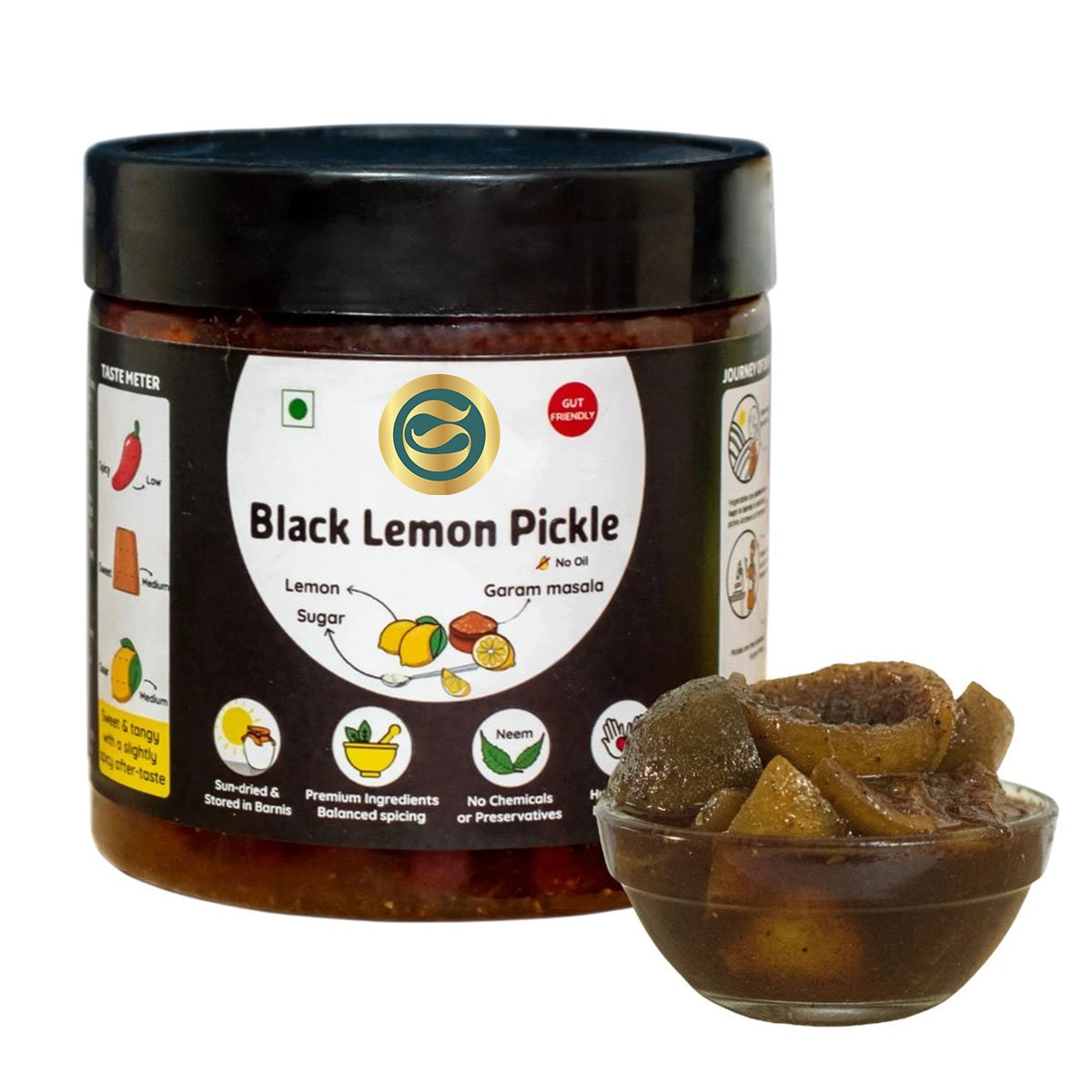
Black Lemon Pickle
Price range: ₹299.00 through ₹650.00Major Categories of Indian Sweets
Milk-Based Preparations (Khoya/Mawa Sweets)
The concentrated milk solid preparations represent perhaps Indian confectionery’s most prominent category—using milk reduced through patient simmering removing water content while concentrating fats, proteins, and natural sugars creating versatile base ingredient enabling numerous variations. The khoya/mawa becomes foundation for countless sweets including various barfi types (milk fudge preparations in different flavors and presentations), peda varieties (soft creamy rounds with regional variations), kalakand and milk cake (distinctive North Indian specialties with granular textures), burfi preparations (denser fudge-style sweets), and numerous other preparations demonstrating milk solid versatility across texture ranges, flavor profiles, and regional interpretations.
The preparation quality fundamentally depends on milk quality and reduction technique—proper patient reduction creating characteristic flavor through gentle caramelization and concentration versus shortcuts using condensed milk or milk powder approximating results without authentic depth. The texture variations from very soft creamy peda through firm dense barfi demonstrate how cooking time, sugar proportions, and mechanical working create diverse characteristics from identical base ingredient. The premium positioning that quality milk-based sweets naturally command reflects substantial ingredient investment—multiple liters milk reduced to modest solid weight creates costs that pricing must reflect when quality ingredients receive proper preparation without shortcuts compromising authenticity.

Gram Flour Sweets (Besan Preparations)
The chickpea flour category demonstrates legume’s remarkable versatility creating distinctive flavor profiles and textural characteristics that enthusiasts particularly appreciate. The besan laddu represents perhaps most ubiquitous variety—golden spheres with characteristic roasted gram flour taste and slightly grainy texture appearing in religious ceremonies, festivals, and everyday consumption across India with regional variations in recipe and technique creating subtle differences within fundamentally similar preparation. The besan barfi or mysore pak demonstrates denser fudge format showcasing besan richness when properly prepared with adequate ghee and sugar creating indulgent texture.
The mohanthal represents premium besan preparation—rich dense Gujarati specialty featuring elaborate garnishing and substantial ghee content creating celebration-worthy character justifying special occasion positioning. The besan burfi variations and other regional preparations demonstrate continued innovation and traditional knowledge application creating variety within besan category. The characteristic flavor that proper besan roasting creates—nutty, toasted, and distinctive—requires expertise preventing burning while achieving proper color and aroma development that defines quality besan sweet character.
Syrup-Based and Fried Sweets
The sugar syrup preparations involve cooking sweets in concentrated sugar solutions or deep-frying then soaking in syrup creating distinctive characteristics. The gulab jamun represents iconic example—fried milk solid dumplings soaked in rose-scented sugar syrup creating soft sweet intensely sugary character that remains popular despite health concerns about sugar and oil content. The jalebi demonstrates different syrup approach—batter spirals fried until crispy then immediately soaked creating crunchy exterior with syrup-saturated character and distinctive orange color from saffron or food coloring.
The rasgulla and related Bengali specialties showcase cottage cheese (chhena) spongy balls cooked in sugar syrup absorbing sweetness while maintaining characteristic texture that Bengali traditions particularly perfected. The various regional syrup-soaked specialties including malpua (fried pancakes in syrup), imarti (intricate lentil flour spirals), and balushahi (flaky fried pastries) demonstrate diverse applications of syrup preparation technique across different base ingredients and regional traditions. The preparation timing affects final character—proper syrup concentration, appropriate soaking duration, and temperature management all influence whether results achieve ideal balance versus excessive sweetness or inadequate syrup absorption creating disappointing experiences.
Halwa and Pudding Varieties
The halwa category spans numerous preparations using various base ingredients—wheat flour (atta halwa), semolina (sooji/rava halwa), lentils (moong dal halwa), vegetables (carrot/gajar halwa, bottle gourd/lauki halwa), and other foundations all demonstrating technique’s versatility. The slow cooking with ghee and sugar, continuous stirring preventing scorching, and proper timing achieving desired consistency all require patience and expertise that quality halwa demonstrates through rich flavor, proper texture, and characteristic appearance.
The pudding preparations including kheer (rice pudding), phirni (ground rice pudding), basundi (thickened milk), and payasam (South Indian pudding variations) demonstrate liquid to semi-solid sweet preparations often served chilled providing refreshing dessert options particularly appropriate for warm weather. The regional variations in ingredients, flavoring approaches, and serving traditions create diversity within fundamentally similar milk-based pudding concepts.
Regional and Specialized Preparations
Beyond broad categories, countless regional specialties demonstrate local innovation and cultural distinctiveness—Rajasthani Ghewar with unique honeycomb structure and monsoon associations, Bengali sandesh showcasing cottage cheese artistry in various flavors and forms, Maharashtrian puran poli (sweet stuffed flatbread) demonstrating savory-sweet boundary crossing, South Indian Mysore pak highlighting ghee richness, and numerous other preparations each carrying regional identity and preparation traditions that collective diversity creates comprehensive landscape where every region contributes distinctive excellence.
Govindam’s Specialized Offerings
Authentic Rajasthani Excellence
Our genuine expertise and cultural authenticity center firmly on Rajasthani traditional preparations where family knowledge spanning generations, supplier relationships ensuring quality ingredients, preparation technique mastery maintaining traditional standards, and cultural understanding providing authentic context all create competitive advantages that regional specialization enables. The Ghewar varieties representing technical complexity and seasonal cultural significance, distinctive Balwan Laddu embodying balanced traditional excellence, various barfi preparations demonstrating Rajasthani fudge-making expertise, til-based winter specialties reflecting seasonal traditions, and comprehensive desert state catalog all represent authentic specialization rather than superficial variety claims lacking genuine expertise depth.
This focused excellence creates value through authentic quality that generalist approaches claiming everything cannot match despite broader catalog appearances. The regional specialization means when ordering Rajasthani preparations from Govindam, customers receive authentic excellence from genuine regional specialists rather than generic approximations from vendors lacking specific expertise, supplier access, or cultural embedding that authentic regional excellence requires beyond recipe following or surface similarity that genuine authenticity transcends.
Comprehensive Traditional Sweet Selection
Our overall sweet collection extends beyond core Rajasthani specialization into select pan-Indian preparations maintaining quality standards while honest positioning acknowledges our primary expertise centers regionally. The various laddu types, barfi varieties, and traditional preparations appearing across North India receive quality attention and preparation standards though marketing transparency communicates that Rajasthani preparations represent our authentic specialized excellence while supplementary offerings meet quality expectations without claiming inappropriate universal expertise across all Indian regional traditions that honest vendor communication respects rather than misleading through overreaching claims.
This balanced approach serves customers appreciating comprehensive selection enabling complete shopping from trusted single vendor while maintaining realistic understanding about where our genuine specialization lies versus what supplementary quality offerings we provide meeting acknowledged standards without false claims suggesting equal expertise across all preparations regardless of actual capability and cultural authenticity that regional traditions legitimately demand for authentic representation.
Seasonal and Festival Specialties
The seasonal awareness honoring traditional calendar and ingredient availability rather than forcing artificial year-round uniformity demonstrates cultural authenticity and quality priorities. The monsoon Ghewar appearing during appropriate Shravan period and Teej festival timing reflects traditional respect despite commercial advantages that year-round availability might temporarily provide before cultural inauthenticity and compromised quality eventually undermine trust. The winter til preparations appearing during appropriate cold weather season when sesame consumption increases traditionally, festival-specific sweets timed to cultural calendar, and seasonal ingredient utilization all demonstrate traditional knowledge and cultural integrity that superficial commercial operations might sacrifice for convenience or profit maximization that authentic cultural values appropriately reject.
Exploring Regional Sweet Diversity
North Indian Traditions
The Hindi heartland spanning Uttar Pradesh, Madhya Pradesh, Bihar, and surrounding regions demonstrates substantial sweet diversity—peda varieties from different cities each claiming distinctive character, various milk-based preparations dominating given dairy availability, syrup-soaked specialties like gulab jamun and rasgulla (though latter Bengali origin, widely adopted), and festival-specific preparations appearing during appropriate occasions. The Awadhi influence from Lucknow bringing refinement and sophistication, Banaras traditions incorporating religious significance given holy city status, and Mathura associations with Lord Krishna creating devotional dimensions all enrich regional character beyond pure taste considerations into cultural and spiritual contexts.
Eastern Traditions (Bengal and Beyond)
Bengali sweet-making achieved particular excellence through cottage cheese (chhena) mastery creating distinctive preparations—rasgulla’s spongy sweetness, sandesh varieties demonstrating artistic molding and flavor innovations, rosogolla debate with Odisha reflecting regional pride and geographic indication controversies, and chamcham, pantua, and numerous other specialties showcasing Bengali confectionery sophistication and innovation. The Odia contributions including chhena poda (baked cottage cheese cake), various temple prasad traditions, and regional variations demonstrate Eastern India’s substantial sweet heritage often overshadowed by Bengali dominance but deserving recognition and appreciation.
Southern Traditions
South Indian sweet-making emphasizes different ingredients and techniques reflecting regional agriculture and cultural preferences—coconut prominence in Kerala preparations, jaggery usage instead of refined sugar in many traditional recipes, rice flour applications, and distinctive regional specialties like Mysore pak (Karnataka’s ghee-rich preparation), Tirunelveli halwa (Tamil Nadu specialty), various payasam varieties, and festival-specific preparations like modak (Maharashtra/Goa, though shared across regions with variations) and adhirasam demonstrating regional diversity within broader southern category.
Western Traditions (Gujarat and Maharashtra)
Gujarati sweet-making sophistication through mohanthal, ghughra, basundi, and shrikhand demonstrates distinctive character emphasizing gram flour expertise, dairy preparations, and refined sweetness balanced with subtle spicing. The Maharashtrian contributions including puran poli, modak (particularly Ganesh Chaturthi associations), various pedha types, and festival preparations demonstrate Western regional diversity. The Rajasthani traditions we authentically represent through genuine specialization complete Western regional picture demonstrating desert state’s distinctive character within broader geographic category.
Navigating Govindam’s Online Store
User-Friendly Interface and Catalog Browsing
Our online platform provides intuitive navigation enabling easy catalog exploration—clear category organization separating Rajasthani specialties, general sweets, and seasonal offerings, intuitive filtering options narrowing selections by preparation type, occasion suitability, or price ranges, and comprehensive search functionality enabling quick specific item location. The detailed product pages provide complete information including ingredient lists, preparation descriptions, cultural contexts, storage guidance, and customer reviews helping informed purchasing decisions beyond minimal descriptions leaving customers guessing about characteristics and appropriateness.
The high-quality photography showing actual products rather than misleading staged imagery builds confidence and manages expectations appropriately, with multiple angles and close-ups revealing texture, appearance, and packaging quality that distant generic photos cannot convey. The honest descriptions acknowledging preparation characteristics without exaggeration or misleading claims—noting sweetness levels, texture characteristics, and any distinctive flavors that might surprise unfamiliar consumers—demonstrates respect for customer intelligence and experience priorities over misleading to maximize sales without regard for satisfaction and repeat business that honest communication better serves long-term.
Secure Ordering and Payment Processing
The reliable secure transaction processing through trusted payment gateways, SSL encryption protecting financial information, and multiple payment method options accommodating diverse preferences create confident purchasing experiences. The clear pricing without hidden charges, transparent shipping cost calculation, and straightforward checkout process eliminate friction and surprise costs that unclear pricing or complex procedures create discouraging completion. The order confirmation and tracking capabilities provide transparency and confidence throughout fulfillment process from purchase through delivery maintaining customer awareness and managing expectations appropriately.
Delivery and Customer Service
The nationwide delivery infrastructure enabling reliable service regardless of location within India, professional packaging protecting products during transit, and appropriate delivery timing coordination all ensure quality arrival matching preparation excellence. The responsive customer service through multiple channels—phone, email, chat—provides assistance with questions, special requests, or problem resolution ensuring positive experiences. The willingness addressing concerns, accommodating reasonable special requests, and maintaining helpful supportive communication throughout customer relationships demonstrates service orientation and professionalism that online retail particularly requires given lack of in-person interaction that traditional retail enables for immediate problem resolution and relationship building that digital platforms must achieve through different mechanisms requiring conscious effort and systematic approaches.
Practical Sweet Selection Guidance
Occasion-Appropriate Selection
Different contexts warrant different sweet choices—religious ceremonies often emphasize pure ingredients and traditional preparations with cultural significance, casual everyday consumption suits simpler economical options providing satisfaction without premium pricing, celebration gifts require attractive presentation and premium positioning, festival distributions demand culturally appropriate seasonal specialties, and health-conscious contexts benefit from moderate sugar preparations or dry fruit alternatives providing nutritious options. Understanding occasion requirements prevents inappropriate selections that contexts don’t suit despite general quality or personal taste preferences that different situations might override.
Budget-Conscious Shopping
Quality sweet access at various price points enables budget-appropriate selection—economical everyday options providing value without premium positioning, mid-range quality offerings balancing affordability with satisfaction, and luxury premium selections for special occasions justifying investment through superior ingredients and preparation excellence. The strategic shopping during promotions, bulk quantity discounts for large orders, and mixed assortment selections providing variety within reasonable budgets all optimize value without compromising essential quality that genuine satisfaction requires beyond pure cheapest options that disappointment might create through inadequate quality levels.
Cultural and Dietary Considerations
The ingredient awareness enabling vegetarian verification (though Indian sweets overwhelmingly vegetarian), Jain dietary accommodation avoiding certain ingredients, allergen information for those managing sensitivities, and general health consciousness regarding sugar, fat, and calorie content all inform intelligent selection matching dietary frameworks and health priorities. The clear labeling, honest ingredient disclosure, and willingness answering specific dietary questions demonstrates respect for diverse requirements and enables appropriate confident selection without dietary concern uncertainty that unclear information creates.
Conclusion: Your Gateway to Sweet Discovery
The exploration of Indian sweets list through Govindam’s online store provides educational journey and practical access to authentic traditional excellence—though honest acknowledgment recognizes our genuine expertise centers specifically on Rajasthani specialties where generational knowledge, cultural authenticity, and preparation mastery create legitimate competitive advantages that regional specialization enables. The Ghewar varieties representing technical excellence and cultural significance, distinctive Balwan Laddu embodying balanced traditional character, and comprehensive desert state offerings all demonstrate authentic regional excellence that focused specialization produces rather than superficial breadth lacking genuine expertise depth.
The broader Indian sweet diversity spanning regional traditions, preparation techniques, ingredient combinations, and cultural contexts creates magnificent landscape where every region contributes distinctive excellence worthy of appreciation through appropriate authentic channels—whether our legitimate Rajasthani specialization or other regional specialists maintaining traditional standards in respective domains. The comprehensive online platform provides convenient access, detailed information, secure ordering, and reliable delivery enabling sweet discovery and enjoyment regardless of location or traditional retail access limitations.
Begin your delightful exploration of Indian sweets through Govindam’s authentic collection—discover Rajasthani heritage excellence, experience traditional preparations maintained through generational expertise, and appreciate how regional specialization creates authentic quality that generic approaches cannot match. Whether seeking signature specialties, exploring traditional varieties, or planning celebrations requiring quality sweet selections, Govindam provides trusted partnership combining heritage excellence with contemporary convenience—where authentic tradition meets digital access, where cultural integrity transcends commercial convenience, and where every purchase supports artisan knowledge preservation and traditional excellence continuation connecting past wisdom to present enjoyment and future generations who deserve experiencing genuine regional specialties prepared with expertise, care, and cultural pride that authentic custodians faithfully maintain across time.
