
Posts
Govindam Sweets Franchise Gateway Sweet Success Business Guide

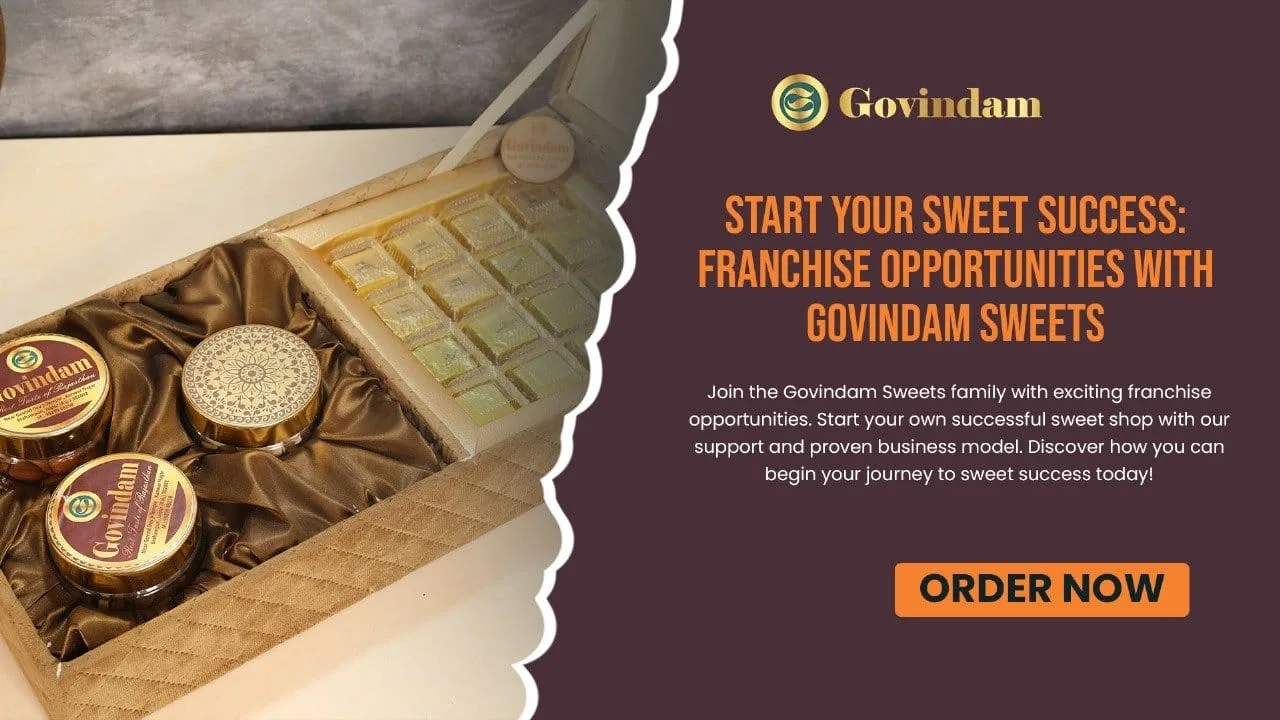
Explore Govindam Sweets franchise opportunities offering proven business model, comprehensive support systems, authentic Rajasthani heritage, established brand reputation, and pathway to sweet success. Learn investment requirements, support structures, location criteria, training programs, and benefits of joining India’s trusted traditional sweet franchise network expanding nationwide.
Govindam Sweets Franchise: Your Gateway to Sweet Success
Introduction: Building Sweet Success Through Proven Excellence
The Govindam Sweets franchise represents exceptional business opportunity combining proven traditional excellence, established brand reputation, comprehensive support systems, and growing market demand for authentic Rajasthani confections—creating pathway for entrepreneurial success in India’s thriving traditional sweets sector. With generations of heritage expertise, systematic quality standards, customer loyalty foundations, and expanding recognition beyond Jaipur’s boundaries, Govindam Sweets offers franchise partners more than mere business license—we provide complete business ecosystem encompassing training, operational guidance, supply chain support, marketing assistance, and ongoing partnership ensuring franchisees succeed while maintaining authentic quality standards and cultural integrity that define our brand identity and customer trust across all locations.




Understanding the Govindam Sweets franchise opportunity requires appreciating what distinguishes our offering from numerous sweet franchise options saturating Indian markets. Unlike commercial chains prioritizing rapid expansion over authentic quality, or purely transactional franchise arrangements providing minimal support after initial setup, Govindam Sweets emphasizes partnership philosophy where franchisee success directly reflects on brand reputation—incentivizing comprehensive support, quality maintenance, and long-term relationship building rather than short-term fee extraction without genuine value creation. This partnership approach, combined with authentic Rajasthani heritage that creates competitive differentiation and premium positioning, establishes foundations for sustainable profitable operations serving customers valuing traditional excellence over mass-market convenience.
Explore franchise opportunities joining Govindam Sweets’ expanding network bringing authentic Rajasthani confectionery excellence to new markets nationwide. This comprehensive guide to the Govindam Sweets franchise covers investment requirements, support systems, location criteria, training programs, operational standards, marketing assistance, profitability potential, application process, and success strategies—providing complete information enabling informed decisions about this gateway to sweet success through partnership with established heritage brand maintaining traditional excellence while embracing contemporary business practices ensuring relevance and profitability in evolving Indian food retail landscape.



Amla Chunda
Price range: ₹299.00 through ₹650.00
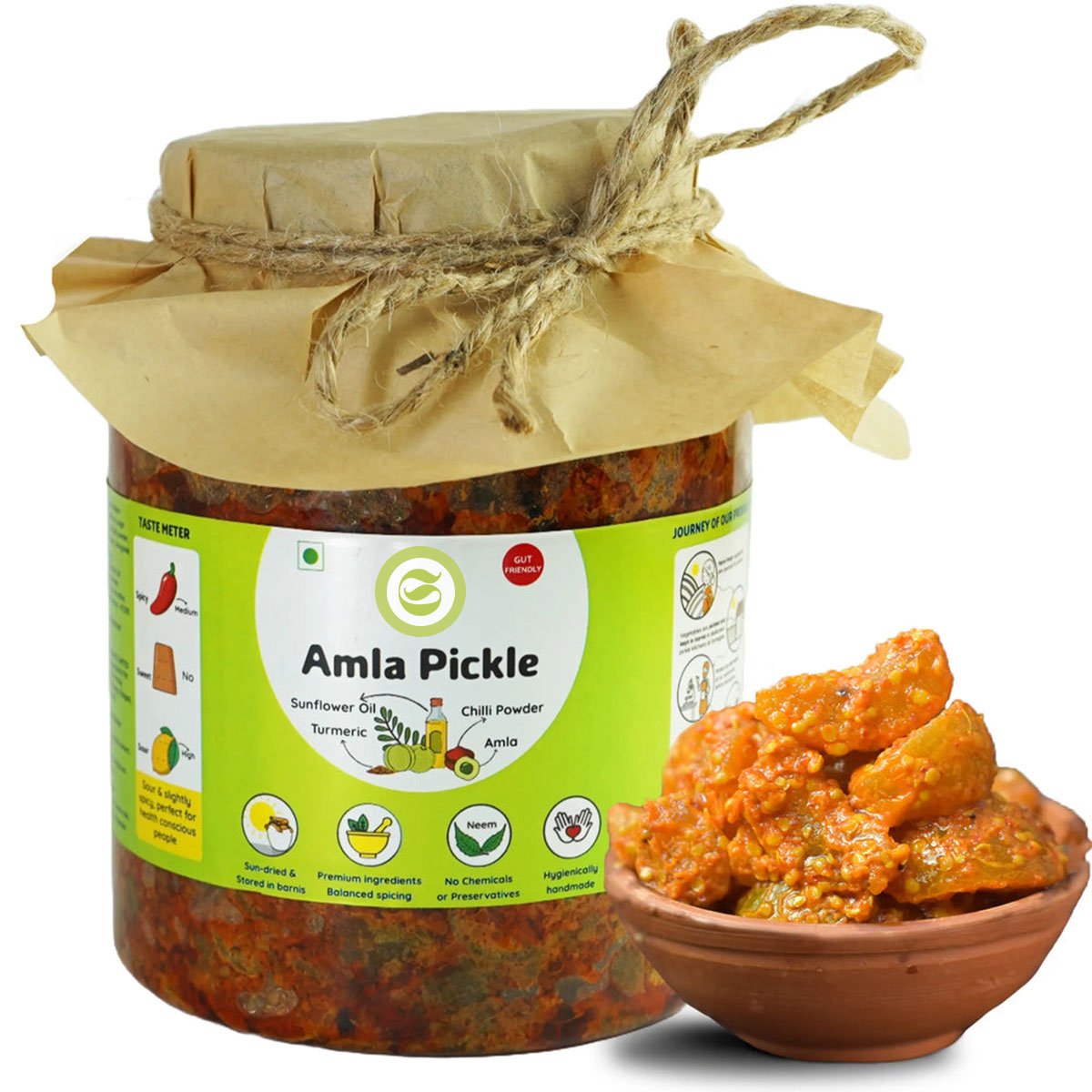
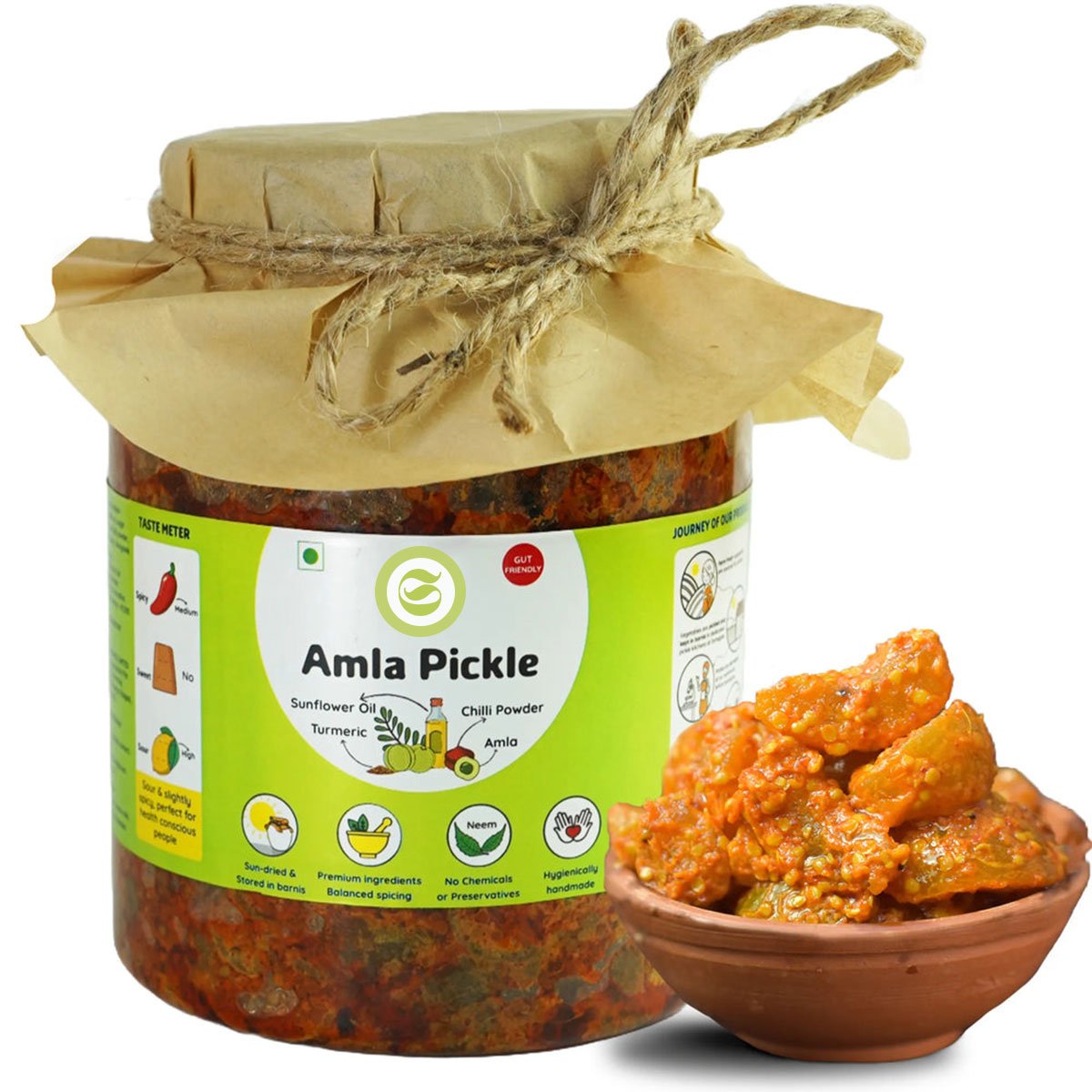
Amla Pickle
Price range: ₹299.00 through ₹650.00
Anardana Goli
Original price was: ₹200.00.₹150.00Current price is: ₹150.00.
Authentic Dodha Barfi – Traditional Milk Sweet Delight
Original price was: ₹650.00.₹500.00Current price is: ₹500.00.
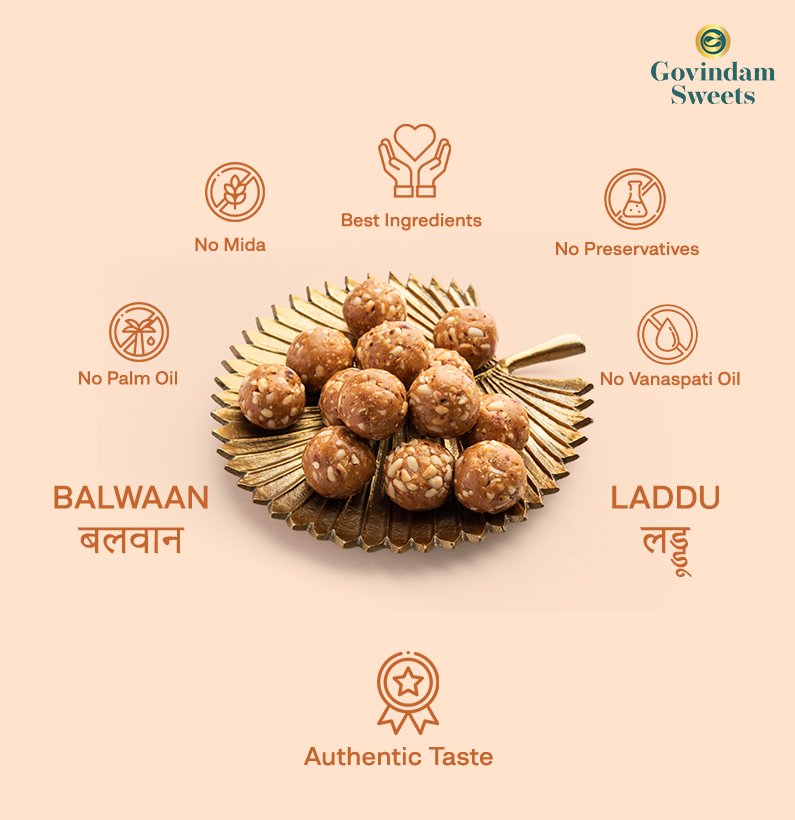
Balwan Laddu
Price range: ₹500.00 through ₹1,000.00
Besan Gatta
Original price was: ₹400.00.₹340.00Current price is: ₹340.00.
Besan Laddu
Price range: ₹270.00 through ₹540.00
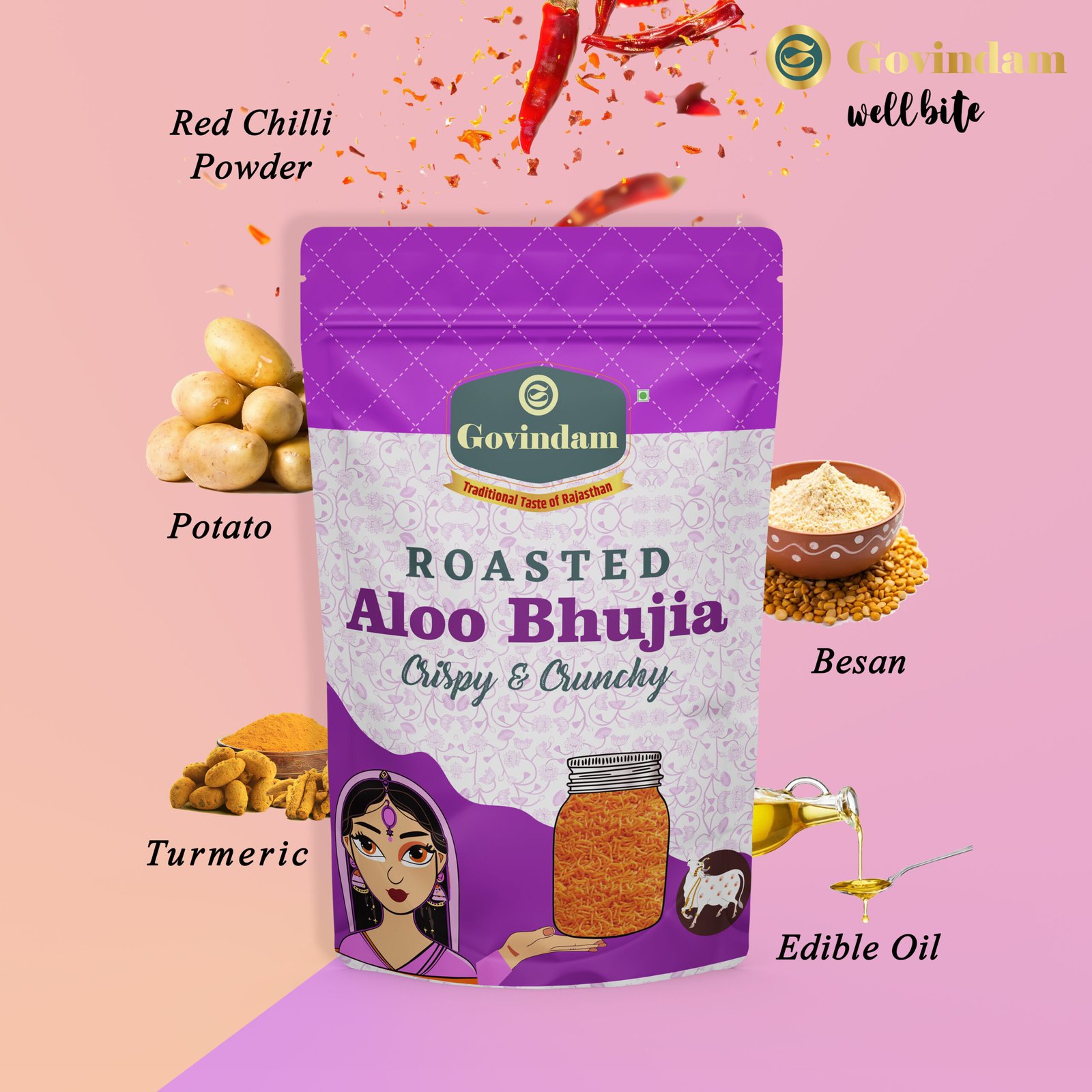
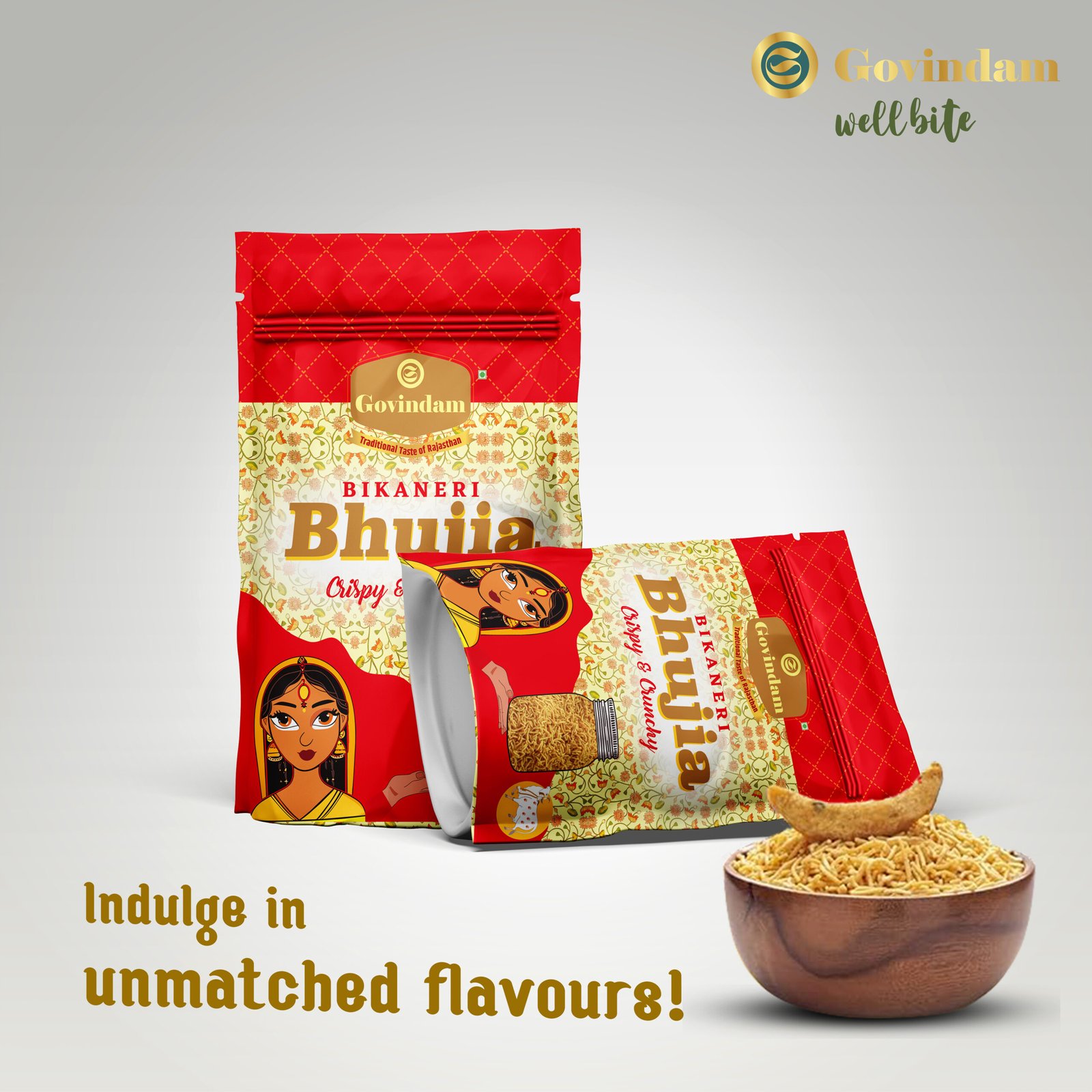
Bikaneri Bhujia
Price range: ₹180.00 through ₹360.00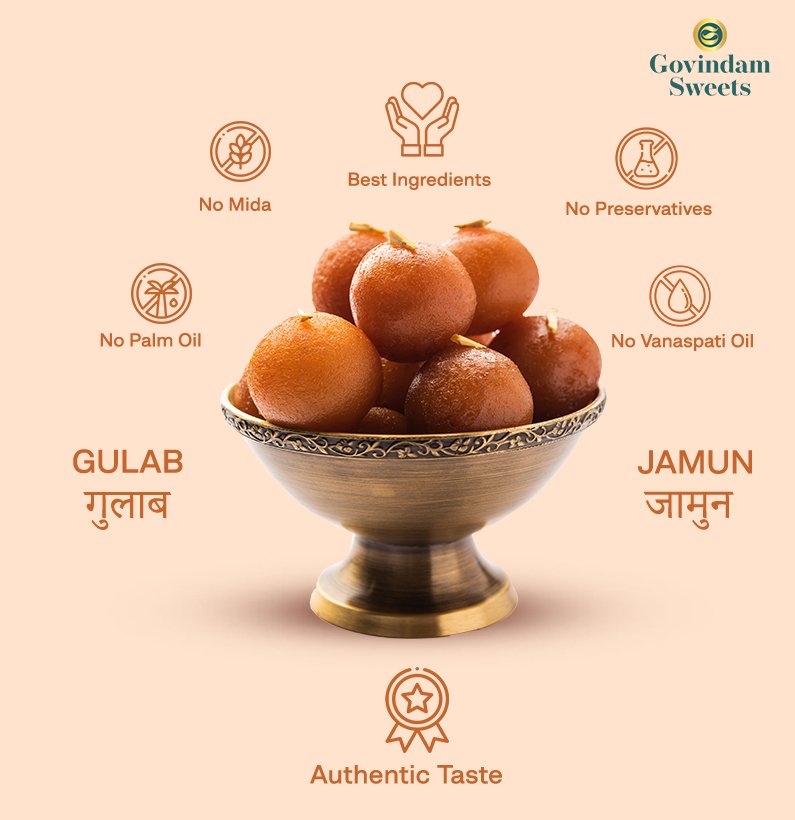
Black Gulab Jamun
Price range: ₹260.00 through ₹540.00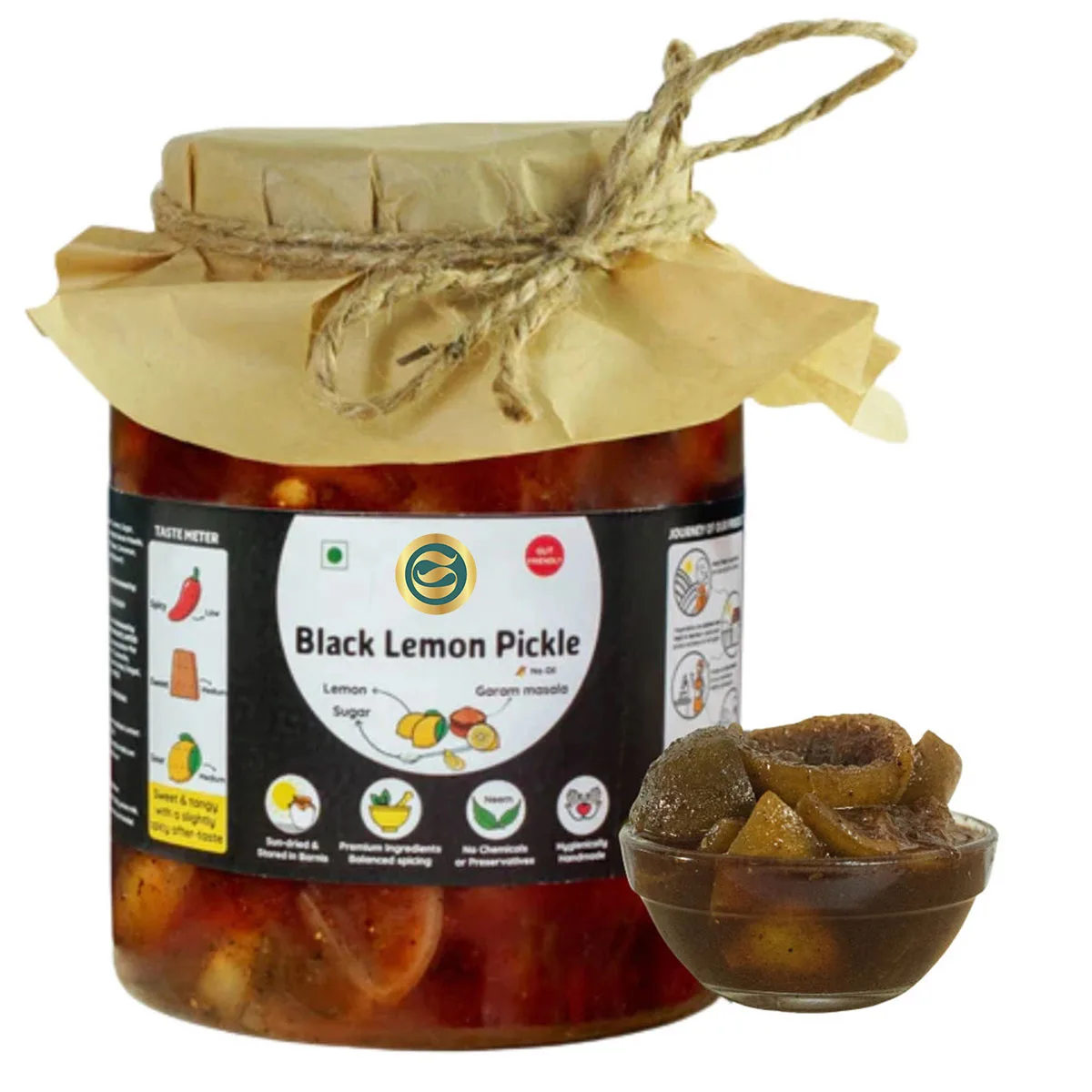
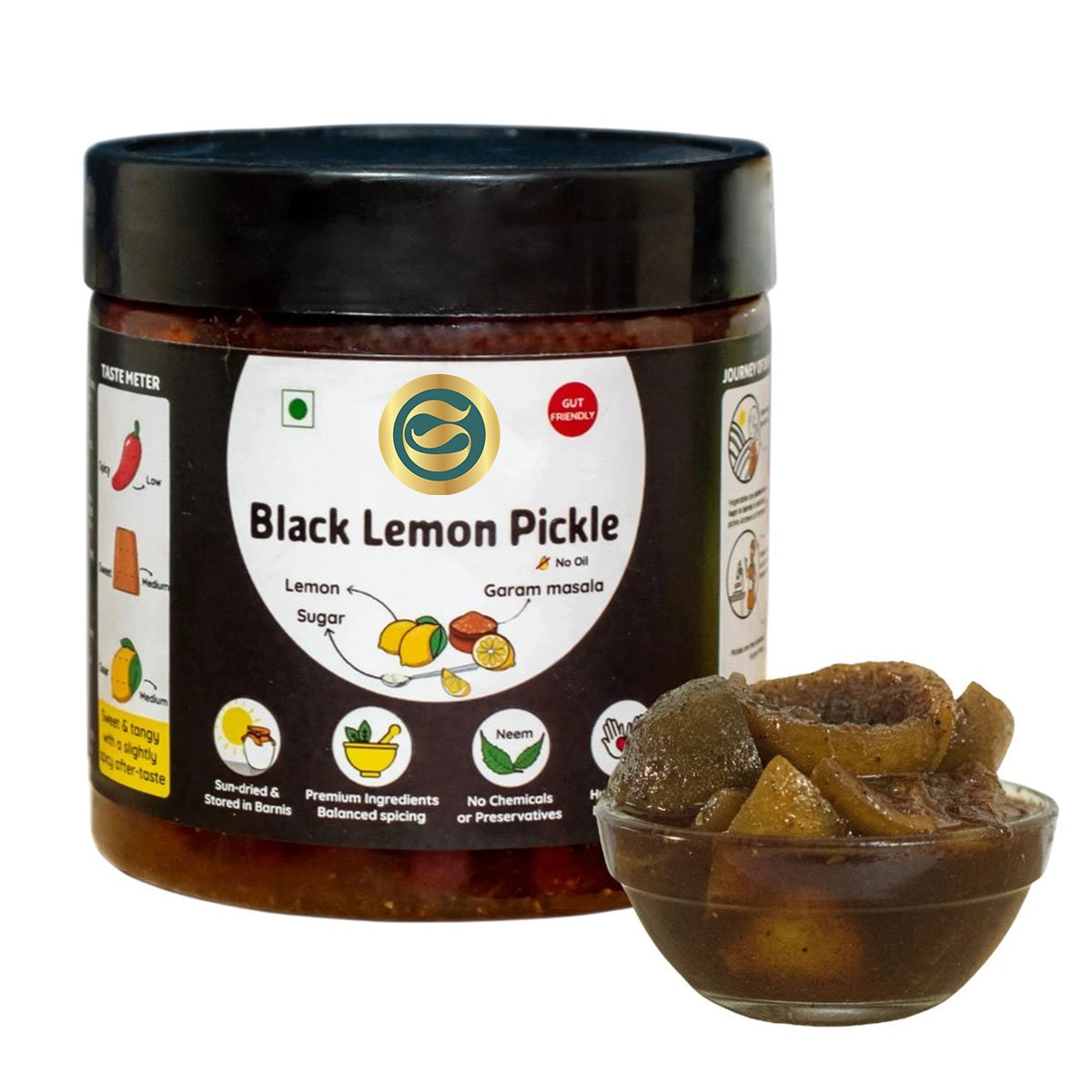
Black Lemon Pickle
Price range: ₹299.00 through ₹650.00The Govindam Sweets Brand Advantage
Heritage Authenticity and Market Differentiation
The Govindam Sweets franchise offers unique competitive positioning through authentic heritage foundations:
Multi-Generational Expertise: Family knowledge spanning decades of traditional Rajasthani sweet-making creates authentic credentials that newer commercial operations cannot replicate regardless of marketing sophistication or operational scale.

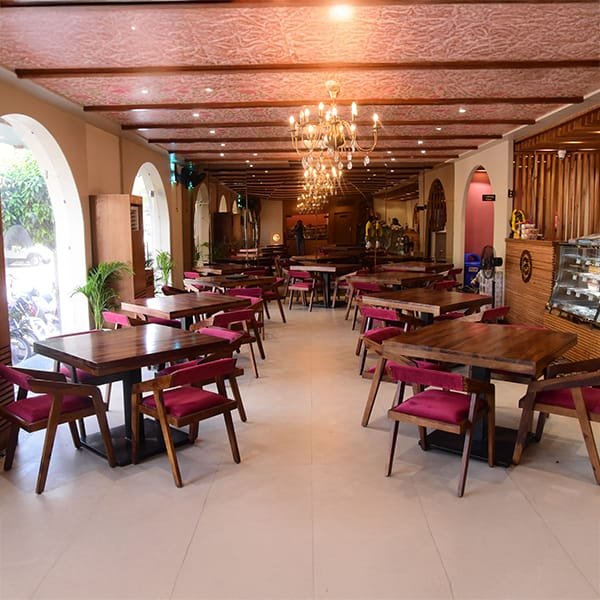
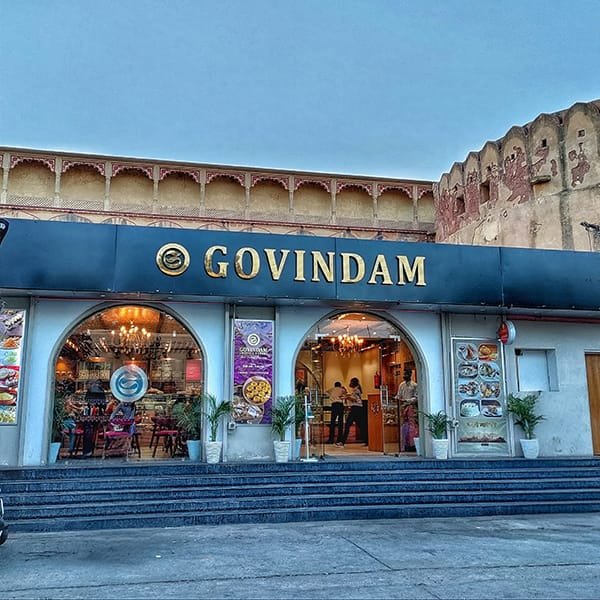
Jaipur Origins: Pink City heritage provides geographic authenticity and cultural credibility—Rajasthani confections from actual Jaipur-rooted establishment carry market perception advantages over generic “Indian sweets” lacking distinctive regional identity.
Signature Specialties: Ghewar varieties, Balwan Laddu, and comprehensive traditional offerings provide exclusive specialty items differentiating from competitors offering only generic pan-Indian preparations without distinctive regional character.
Quality Reputation: Established customer trust and quality recognition create brand equity that franchise partners leverage immediately rather than building reputations from zero requiring years of consistent performance establishing market presence.
Cultural Authenticity: Genuine traditional preparation methods, ingredient quality commitments, and cultural respect create authentic positioning that discerning customers increasingly value over purely commercial mass-market alternatives lacking soul or heritage depth.
Established Brand Recognition
Growing national awareness provides franchise advantages:
Existing Customer Base: Loyal customers in established markets provide immediate traffic and sales foundations rather than complete cold-start requiring extensive marketing investment generating initial awareness and trial.
Online Presence: E-commerce platform with nationwide reach creates brand familiarity beyond physical location presence—customers throughout India increasingly recognize Govindam Sweets through online exposure supporting new franchise location launches.
Social Media Following: Digital community engagement and content marketing create awareness and positive associations that franchise partners benefit from through association with established brand rather than independent local business lacking broader recognition.
Media Coverage: Traditional and digital media attention creates publicity value and credibility that individual new businesses cannot easily generate—brand association provides instant legitimacy and market positioning advantages.
Word-of-Mouth Network: Satisfied customers recommending Govindam Sweets across India through personal networks, family connections, and social circles create organic marketing momentum that franchise expansion leverages effectively.
Comprehensive Franchise Support System
Pre-Launch Preparation and Setup
Extensive support before franchise opening:
Location Selection Assistance: Expert guidance evaluating potential locations considering foot traffic, demographics, competition, accessibility, commercial terms, and market potential—preventing costly location mistakes undermining business viability.
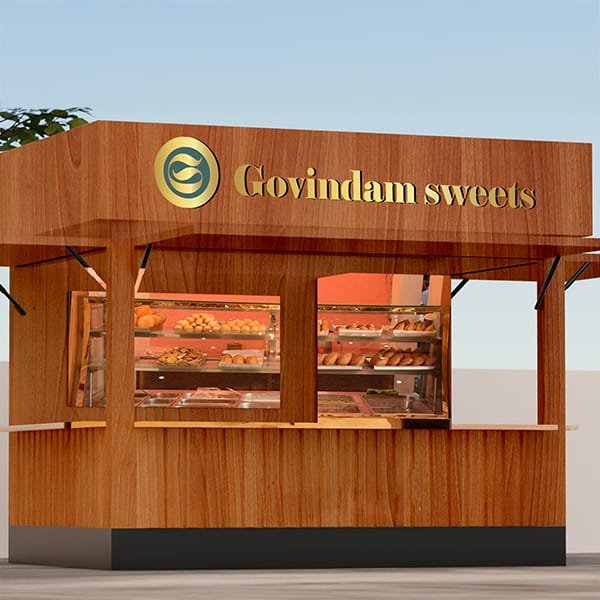
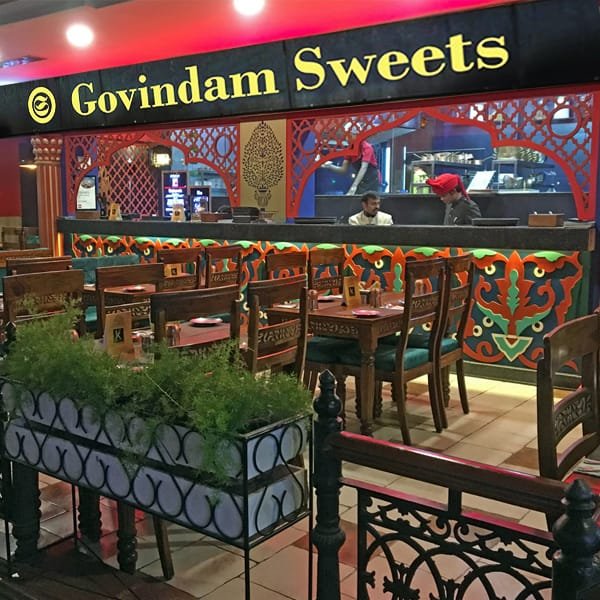
Store Design and Layout: Proven store designs optimizing customer flow, product display, operational efficiency, brand consistency, and cost-effectiveness—avoiding expensive trial-and-error learning through benefiting from accumulated experience across successful locations.
Equipment Procurement: Guidance regarding necessary equipment specifications, reliable suppliers, appropriate capacity planning, and cost-effective sourcing—ensuring proper setup without overspending or inadequate infrastructure compromising operations.
Licensing and Regulatory Compliance: Assistance navigating FSSAI licensing, local permits, fire safety compliance, health inspections, and regulatory requirements—streamlining bureaucratic processes and ensuring compliant operations from launch.
Supply Chain Establishment: Connecting franchisees with approved ingredient suppliers, packaging vendors, logistics partners, and operational vendors ensuring quality consistency and reliable sourcing critical for operational success.
Initial Inventory Planning: Guidance regarding appropriate opening inventory levels, product mix optimization, storage requirements, and working capital allocation avoiding excessive inventory investment or inadequate stock undermining sales potential.
Comprehensive Training Programs
Multi-dimensional training ensuring operational readiness:
Product Knowledge Training: Deep understanding of all preparations—ingredients, preparation methods, quality standards, storage requirements, shelf life, allergen information, and cultural contexts—enabling confident customer interactions and quality maintenance.
Preparation Technique Training: Hands-on instruction in signature preparation methods, quality control procedures, recipe adherence, equipment operation, hygiene protocols, and troubleshooting—building capabilities ensuring consistency with brand standards.
Customer Service Excellence: Training in traditional Indian hospitality combined with contemporary customer service best practices—creating positive customer experiences building loyalty and positive word-of-mouth critical for success.
Operations Management: Complete operational procedures covering inventory management, staff scheduling, daily routines, cash handling, hygiene maintenance, equipment care, and systematic processes ensuring smooth efficient operations.
Financial Management: Basic bookkeeping, cost control, pricing strategies, profitability analysis, cash flow management, and financial planning enabling business sustainability and informed decision-making beyond mere sales focus.
Marketing and Promotion: Local marketing strategies, social media management, community engagement, festival season maximization, and customer retention programs driving traffic and building sustainable customer base.
Technology Systems: Point-of-sale systems, inventory management software, online ordering platforms, and digital tools training ensuring effective technology utilization supporting efficient operations.
Ongoing Operational Support
Continuous partnership throughout business journey:
Quality Control Monitoring: Regular quality audits, mystery shopping programs, customer feedback systems, and performance metrics ensuring consistent standards maintenance across franchise network protecting brand reputation.
Supply Chain Management: Centralized procurement of critical ingredients, seasonal specialties coordination, logistics optimization, and supplier relationship management ensuring reliable quality sourcing at competitive costs.
Product Innovation: New product development, seasonal specialty planning, contemporary flavor innovations, and menu evolution keeping offerings fresh and competitive while maintaining traditional foundations.
Marketing Support: National marketing campaigns, digital marketing coordination, promotional materials, seasonal campaign guidance, and brand building initiatives supporting local franchise marketing efforts with professional resources.
Technology Updates: System upgrades, digital tool enhancements, online platform integration, and technology evolution ensuring franchisees benefit from contemporary capabilities supporting efficient competitive operations.
Peer Network Access: Franchise partner community enabling experience sharing, best practice exchange, collaborative problem-solving, and mutual support creating collective intelligence benefiting entire network.
Crisis Management: Support during challenging situations—market disruptions, competitive pressures, operational difficulties, or unforeseen challenges—providing expertise and resources helping franchisees navigate difficulties successfully.
Investment Requirements and Financial Considerations
Initial Investment Components
Comprehensive cost understanding enables proper financial planning:
Franchise Fee: One-time initial fee providing franchise rights, brand license, training access, setup support, and network membership—specific amounts disclosed during formal inquiry process respecting confidentiality while enabling serious candidates obtaining necessary information.
Store Setup Costs: Physical location preparation including interior finishing, equipment purchase, furniture and fixtures, signage, initial inventory, and working capital—varying significantly based on location size, market positioning, and local cost structures requiring customized estimates during planning phase.
Real Estate Costs: Security deposits, advance rent payments, and lease negotiations varying dramatically across locations—metro cities requiring substantially higher real estate investments compared to tier-2 or tier-3 cities creating accessibility at different investment levels.
Licensing and Legal: FSSAI licensing, business registration, legal documentation, insurance, and regulatory compliance costs—relatively modest but necessary components requiring proper budgeting and completion.
Working Capital Reserve: Operating expense coverage during initial ramp-up period before breakeven achievement—prudent financial planning includes 6-12 months operating expense reserves avoiding cash flow crises during establishment phase.
Revenue and Profitability Potential
Understanding earning potential and timeline:
Revenue Drivers: Location foot traffic, product pricing, average transaction values, customer frequency, seasonal peaks, and market demographics all influence revenue generation—successful locations in good markets with proper execution achieving substantial monthly revenues.
Margin Structure: Traditional sweet retail offers healthy gross margins on quality products—proper cost control, waste minimization, and pricing discipline maintaining profitability supporting sustainable operations and return on investment.
Breakeven Timeline: Well-located properly executed franchises typically achieve breakeven within 12-24 months depending on investment scale, market conditions, execution quality, and competitive dynamics—realistic expectations and proper financial planning critical for success.
Growth Trajectory: Mature successful locations often achieve revenue growth through customer base expansion, increased purchase frequency, basket size growth, and market penetration—patient investment in quality and customer relationships yielding compounding returns over time.
Return on Investment: Successful franchises achieving strong ROI within 3-5 years through combination of profitability, asset appreciation, and business value creation—though results vary significantly based on location, execution, and market factors requiring realistic expectations without guaranteed outcomes.
Financing and Investment Planning
Financial preparation strategies:
Personal Capital: Many franchisees self-fund through savings, family support, or asset liquidation—maintaining ownership control and avoiding debt burden but requiring substantial available capital.
Bank Financing: Traditional business loans from banks and financial institutions—requiring business plans, collateral, credit history, and typically covering 50-70% of project costs with personal contribution covering balance.
MSME Support Schemes: Government programs supporting small business development sometimes offering favorable financing terms, interest subsidies, or other benefits—exploring available schemes potentially reducing capital costs.
Partnership Structures: Some investors pursue partnership models sharing investment and operational responsibilities—requiring clear agreements, defined roles, and aligned expectations avoiding future conflicts.
Phased Investment: Starting with smaller format or limited offerings then expanding as business establishes—reducing initial capital requirements and risk while requiring patience accepting initially limited revenue potential.
Location Selection and Market Assessment
Ideal Location Characteristics
Critical factors determining location suitability:
Foot Traffic and Visibility: High-visibility locations with substantial pedestrian traffic create awareness and impulse purchase opportunities—corner locations, main roads, or commercial district positions offering advantages over interior or hidden locations requiring destination traffic only.
Demographics and Target Market: Areas with substantial middle-class and upper-middle-class populations, South Asian communities, or food-conscious consumers providing customer base appreciating quality traditional sweets justifying premium positioning.
Competition Analysis: Evaluating existing sweet shop competition, positioning gaps, market saturation, and competitive dynamics determining realistic market share potential and differentiation requirements.
Accessibility and Parking: Customer convenience through easy access, adequate parking (particularly outside metro areas), and convenient shopping environment encouraging visits and purchases rather than friction discouraging potential customers.
Commercial Terms: Reasonable rent relative to location potential, favorable lease terms, stability and landlord reliability, and overall cost structure supporting profitability rather than excessive occupancy costs undermining business viability.
Growth Potential: Expanding neighborhoods, increasing affluence, demographic trends, and market development suggesting long-term location viability and growth potential beyond immediate conditions.
Suitable Market Types
Various market categories offer franchise opportunities:
Metro Cities: Delhi, Mumbai, Bangalore, Hyderabad, Chennai offering large markets, affluent customers, and high revenue potential but requiring substantial investments, intense competition, and premium cost structures.
Tier-2 Cities: Pune, Jaipur, Ahmedabad, Lucknow, Chandigarh balancing market size with lower costs—often optimal franchise opportunities combining reasonable investment requirements with substantial market potential.
Tier-3 Cities: Emerging urban centers with growing affluence and limited quality sweet options—pioneering opportunities with lower investments but requiring patient market development and potentially limited initial revenues.
High-Traffic Commercial Areas: Shopping centers, markets, commercial districts, or entertainment zones in any city size offering concentrated foot traffic and impulse purchase potential.
Residential Neighborhood Locations: Community-serving locations in affluent residential areas creating convenience-based customer relationships and regular patronage though potentially lower absolute traffic than commercial zones.
Market Entry Strategies
Approaches for different market contexts:
Established Market Entry: Entering cities where Govindam Sweets already known through online presence or reputation—leveraging brand awareness for faster traction and reduced marketing requirements.
New Market Development: Pioneering cities without existing brand presence—requiring greater marketing investment and patience building awareness but offering first-mover advantages and market ownership potential.
Festival Season Launch: Timing openings around major festival seasons (Diwali, Raksha Bandhan) capitalizing on peak sweet demand periods creating strong initial sales momentum and market awareness.
Soft Opening Approach: Gradual launch building operations, training staff, and refining processes before major marketing push—reducing pressure and allowing quality establishment before high-volume demands test systems.
Operational Standards and Quality Maintenance
Product Quality Requirements
Non-negotiable standards maintaining brand integrity:
Recipe Adherence: Exact preparation method following, standardized ingredient proportions, and quality consistency ensuring all franchise locations deliver identical Govindam Sweets experience regardless of geographic location.
Ingredient Quality Standards: Approved supplier sourcing, ingredient specifications, quality verification, and rejection of substandard materials—maintaining product excellence requires uncompromising ingredient standards despite cost pressures.
Preparation Hygiene: Food safety protocols, cleanliness standards, staff hygiene requirements, and sanitation procedures protecting customer health and brand reputation through systematic hygiene management.
Freshness Management: Inventory rotation systems, preparation scheduling, shelf-life monitoring, and disposal protocols ensuring customers always receive fresh optimal-quality products rather than aged compromised items.
Quality Control Testing: Regular sampling, sensory evaluation, specification compliance verification, and corrective action processes maintaining standards through systematic monitoring and rapid problem resolution.
Customer Service Standards
Excellence in customer interactions:
Traditional Hospitality: Respectful welcoming service, patient product explanation, generous sampling when appropriate, and overall treatment creating positive emotional experiences beyond transactional interactions.
Product Knowledge: Staff capability answering questions, making recommendations, explaining ingredients and preparation methods, and demonstrating expertise building customer confidence and trust.
Custom Order Management: Efficient handling of advance orders, special requests, bulk purchases, and custom requirements serving celebration and gifting needs critical for customer satisfaction and repeat business.
Problem Resolution: Empowered staff addressing complaints, replacing unsatisfactory products, and resolving issues maintaining customer relationships despite occasional problems inevitable in retail operations.
Feedback Collection: Systematic customer feedback gathering, complaint tracking, suggestion consideration, and continuous improvement based on customer input demonstrating respect and commitment to excellence.
Brand Consistency Requirements
Maintaining uniform identity across locations:
Visual Identity: Consistent signage, interior design, color schemes, and overall aesthetic creating recognizable Govindam Sweets appearance regardless of location size or market.
Packaging Standards: Uniform packaging designs, quality materials, brand elements, and presentation maintaining premium positioning and professional appearance across all customer touchpoints.
Communication Style: Consistent brand voice in marketing materials, social media, customer interactions, and overall communication reflecting Govindam Sweets values and personality consistently.
Product Portfolio: Core product offerings maintaining consistency across locations while allowing limited local adaptation addressing regional preferences without fragmenting brand identity.
Marketing and Customer Acquisition
Grand Opening Strategies
Launching with impact creating initial momentum:
Pre-Opening Buzz: Social media campaigns, local media outreach, influencer engagement, and community awareness building creating anticipation and traffic from day one rather than quiet unnoticed launch.
Opening Promotions: Launch discounts, free sampling, special offers, and promotional activities attracting initial traffic and encouraging trial driving early sales volume and market awareness.
Community Engagement: Local partnership building, sponsor participation in community events, and relationship cultivation with resident associations, businesses, and organizations building local goodwill and awareness.
Media Relations: Press releases, media invitations, coverage cultivation, and publicity generation creating credibility and awareness through third-party validation supplementing paid advertising.
Ongoing Marketing Support
Sustained traffic building and customer retention:
Digital Marketing: Social media management guidance, content creation support, online advertising coordination, and digital presence optimization driving online awareness and foot traffic.
Festival Season Campaigns: Coordinated marketing during Diwali, Raksha Bandhan, and other peak seasons maximizing high-demand periods through professional campaigns and promotional strategies.
Local Area Marketing: Neighborhood flyer distribution, local newspaper advertising, community event participation, and grassroots marketing building local presence and awareness.
Loyalty Programs: Customer retention systems, repeat purchase incentives, referral programs, and relationship building creating sustainable business base beyond one-time purchasers.
Public Relations: Story angles, media pitch support, local hero positioning, and publicity opportunities creating ongoing awareness and positive brand associations.
Customer Retention Strategies
Building sustainable business through loyalty:
Quality Consistency: Reliable excellent products creating satisfaction and trust motivating repeat purchases and word-of-mouth recommendations—fundamental retention strategy underlying all other tactics.
Personal Relationships: Remembering regular customers, personalized service, special occasion recognition, and relationship building creating emotional connections beyond transactional interactions.
Exclusive Offers: Special promotions for repeat customers, advance notice of new products, preview access, and VIP treatment rewarding loyalty and encouraging continued patronage.
Feedback Integration: Acting on customer suggestions, addressing complaints seriously, and demonstrating responsiveness building trust and partnership feelings rather than purely vendor-customer dynamics.
Success Requirements and Franchisee Qualities
Essential Capabilities and Commitments
Qualities supporting franchise success:
Business Acumen: Basic business understanding, financial literacy, operational management capability, and commercial sense—not requiring extensive corporate experience but needing fundamental business competence.
Quality Commitment: Genuine appreciation for traditional excellence, unwillingness to compromise standards, and understanding that quality maintenance drives long-term success despite short-term cost pressures.
Customer Service Orientation: Natural hospitality, patience with customers, enjoyment of personal interactions, and service mentality—sweet retail involves extensive customer interaction requiring genuine people skills.
Hands-On Involvement: Willingness to actively participate in operations especially initially—absentee ownership rarely succeeds in food retail requiring engaged oversight and involvement.
Cultural Respect: Appreciation for traditional Indian values, cultural sensitivity, and respect for heritage—Govindam Sweets represents cultural traditions requiring franchisees genuinely valuing rather than merely exploiting commercial opportunity.
Long-Term Perspective: Patient approach accepting gradual business building, realistic expectations avoiding quick-profit orientation, and commitment to sustainable success through quality and relationships.
Learning Orientation: Openness to training, willingness to follow systems, receptivity to feedback, and continuous improvement mentality—successful franchisees balance independence with respect for proven processes.
Investment Readiness and Risk Tolerance
Financial and psychological preparation:
Adequate Capitalization: Sufficient resources covering not just setup but also working capital reserves—undercapitalization creates constant stress and temptation to cut corners undermining quality and long-term success.
Risk Acceptance: Understanding business inherently involves risk, uncertainty, and possibility of loss—requiring emotional and financial capacity handling stress without panic reactions.
Income Transition Planning: If leaving employment for franchise, ensuring adequate reserves during establishment phase before business generates adequate income replacement.
Family Support: Entrepreneurship affects entire family requiring spousal support, family understanding of time commitments, and household alignment around business venture.
Application and Selection Process
Initial Inquiry and Information Exchange
Beginning franchise exploration:
Formal Application: Contact us regarding franchise opportunities expressing interest and providing basic background—initiating dialogue enabling mutual assessment of fit and opportunity.
Preliminary Screening: Initial evaluation considering location interest, business background, financial capacity, and overall suitability before extensive time investment in detailed discussions.
Information Disclosure: Providing detailed franchise information, investment requirements, support structures, obligations, and complete transparency enabling informed decision-making.
Confidentiality Agreements: Protecting proprietary information while enabling thorough due diligence and complete information sharing necessary for informed decisions.
Evaluation and Due Diligence
Thorough mutual assessment:
Location Assessment: Joint evaluation of proposed locations, market analysis, competition study, and viability assessment ensuring realistic opportunity rather than unsuitable market setting up failure.
Financial Review: Investment capacity verification, financing arrangements confirmation, and overall financial readiness assessment protecting both parties from inadequately capitalized ventures.
Reference Checks: Background verification, previous business history review, and character assessment—selecting franchise partners carefully maintaining network quality and brand protection.
Existing Franchisee Interaction: Connecting prospective franchisees with current partners enabling honest conversations and realistic expectation setting beyond corporate presentations.
Legal Documentation Review: Complete franchise agreement examination, legal consultation encouragement, and transparent disclosure ensuring informed voluntary commitment without hidden surprises.
Training and Launch
Transitioning from agreement to operations:
Comprehensive Training Period: Multi-week intensive training covering all operational aspects—product preparation, customer service, inventory management, financial controls, marketing, and complete business operations.
Setup Support: Active assistance during store preparation, equipment installation, inventory procurement, staff hiring, and pre-launch preparation ensuring readiness for successful opening.
Soft Launch Support: On-site support during initial operations troubleshooting problems, reinforcing training, building confidence, and ensuring smooth transition from training to independent operation.
Grand Opening Coordination: Marketing campaign execution, promotional activities, media relations, and launch event management creating strong market entry and initial momentum.
Ongoing Check-Ins: Regular communication during initial months ensuring questions answered, problems addressed, and continuous support provided through critical establishment phase.
Long-Term Partnership and Growth
Performance Monitoring and Improvement
Continuous enhancement supporting success:
Regular Business Reviews: Periodic performance analysis, financial review, operational assessment, and strategic planning ensuring sustained success and proactive problem identification.
Mystery Shopping Programs: Anonymous quality evaluations providing objective feedback and accountability maintaining standards through external verification.
Benchmarking and Comparison: Performance comparison across franchise network identifying best practices, improvement opportunities, and learning from highest performers.
Continuous Training: Ongoing skill development, new product training, updated procedures, and capabilities enhancement keeping franchisees current and competitive.
Expansion Opportunities
Growth pathways for successful franchisees:
Multi-Unit Franchising: Successful franchisees sometimes expand owning multiple locations—leveraging experience, systems, and capabilities across larger operations creating economies of scale and increased returns.
Territory Development: Area development rights enabling franchisees developing multiple locations within defined territories—requiring substantial capital but offering significant growth potential.
Format Innovations: Smaller kiosk formats, express locations, or alternative concepts providing growth opportunities beyond traditional full-format stores.
Product Line Extensions: Introducing complementary products, seasonal specialties, or category expansions broadening revenue base and customer appeal.
Why Choose Govindam Sweets Franchise
Competitive Advantages
What distinguishes our franchise opportunity:
Authentic Heritage: Real traditional foundation rather than corporate fabrication—providing genuine cultural credentials and positioning differentiation competitors cannot replicate.
Proven Products: Signature specialties with established market acceptance and customer loyalty—not launching untested concepts requiring market validation and customer acceptance uncertainty.
Comprehensive Support: Complete business system rather than minimal franchise arrangement—partnership approach ensuring franchisee success through extensive ongoing support beyond initial setup.
Quality Focus: Standards emphasis and brand protection creating sustainable competitive positioning—not pursuing growth at quality expense but maintaining integrity supporting long-term success.
Growing Brand: Expanding recognition and market presence creating momentum that franchise partners leverage—joining growth trajectory rather than declining or stagnant brand.
Fair Terms: Reasonable franchise structures, transparent dealings, and genuine partnership philosophy—not exploitative arrangements extracting maximum fees while providing minimal value.
Vision for Franchise Network
Our commitment to collective success:
Selective Expansion: Quality over quantity in franchise partner selection—building network of committed capable partners rather than maximum franchise fee extraction through indiscriminate expansion.
Mutual Success Orientation: Genuinely aligned interests where franchisee profitability and success directly benefit brand reputation and network strength—creating collaborative rather than exploitative dynamics.
Innovation and Evolution: Continuous improvement, market adaptation, and contemporary relevance while maintaining traditional foundations—ensuring franchise partners operate competitive sustainable businesses not outdated declining concepts.
Community Building: Franchise partner network creating mutual support, knowledge sharing, and collective strength—leveraging network effects and collaborative learning for universal benefit.
Conclusion: Your Sweet Success Journey Begins Here
The Govindam Sweets franchise represents more than business opportunity—it offers partnership with authentic heritage brand, participation in cultural preservation, vehicle for entrepreneurial success, and gateway to rewarding business serving communities through traditional excellence and quality craftsmanship. Whether you’re experienced entrepreneur seeking proven concept, professional transitioning to business ownership, or passionate individual wanting heritage brand involvement, Govindam Sweets franchise provides comprehensive support, established reputation, and genuine partnership supporting success through quality focus and systematic business approach transcending transactional franchise relationships common in food service sector.
The combination of authentic Rajasthani heritage creating competitive differentiation, proven products with established market acceptance, comprehensive support systems reducing risk and accelerating success, growing brand recognition providing marketing momentum, and genuine partnership philosophy prioritizing franchisee success creates compelling opportunity for qualified committed individuals seeking entrepreneurial success through traditional sweet business. The systematic approach, quality emphasis, and long-term perspective underlying our franchise program ensures partners joining sustainable growth trajectory rather than unsupported franchises struggling independently against competitors with better resources and established market positions.
Contact us today about franchise opportunities beginning your sweet success journey with Govindam Sweets. Explore how our proven business model, authentic Rajasthani excellence, comprehensive support systems, and partnership approach create pathway for entrepreneurial achievement through traditional confectionery business serving communities nationwide with quality preparations maintaining cultural heritage while building profitable sustainable enterprises. Visit our online platform experiencing the quality and variety that franchise partners represent—Ghewar specialties, Balwan Laddu, and comprehensive traditional offerings creating customer satisfaction and business success across our expanding franchise network. Your gateway to sweet success awaits—join Govindam Sweets franchise family building rewarding business through authentic traditional excellence, proven systems, comprehensive support, and genuine partnership creating mutual prosperity while preserving cultural heritage and serving communities with quality confections representing India’s magnificent sweet-making traditions across generations.
