
Posts
Authentic Mathura Peda Taste Delicious Tradition North Indian Sweet

Explore authentic Mathura peda featuring traditional preparation methods, distinctive creamy texture, rich milky flavor, cultural significance from Krishna’s birthplace, quality indicators, regional variations, religious associations, and how this iconic North Indian sweet represents centuries of confectionery excellence worthy of discovery through quality vendors maintaining authentic standards.
Authentic Mathura Peda: Taste the Delicious Tradition
Introduction: Krishna’s City and Its Sweet Legacy
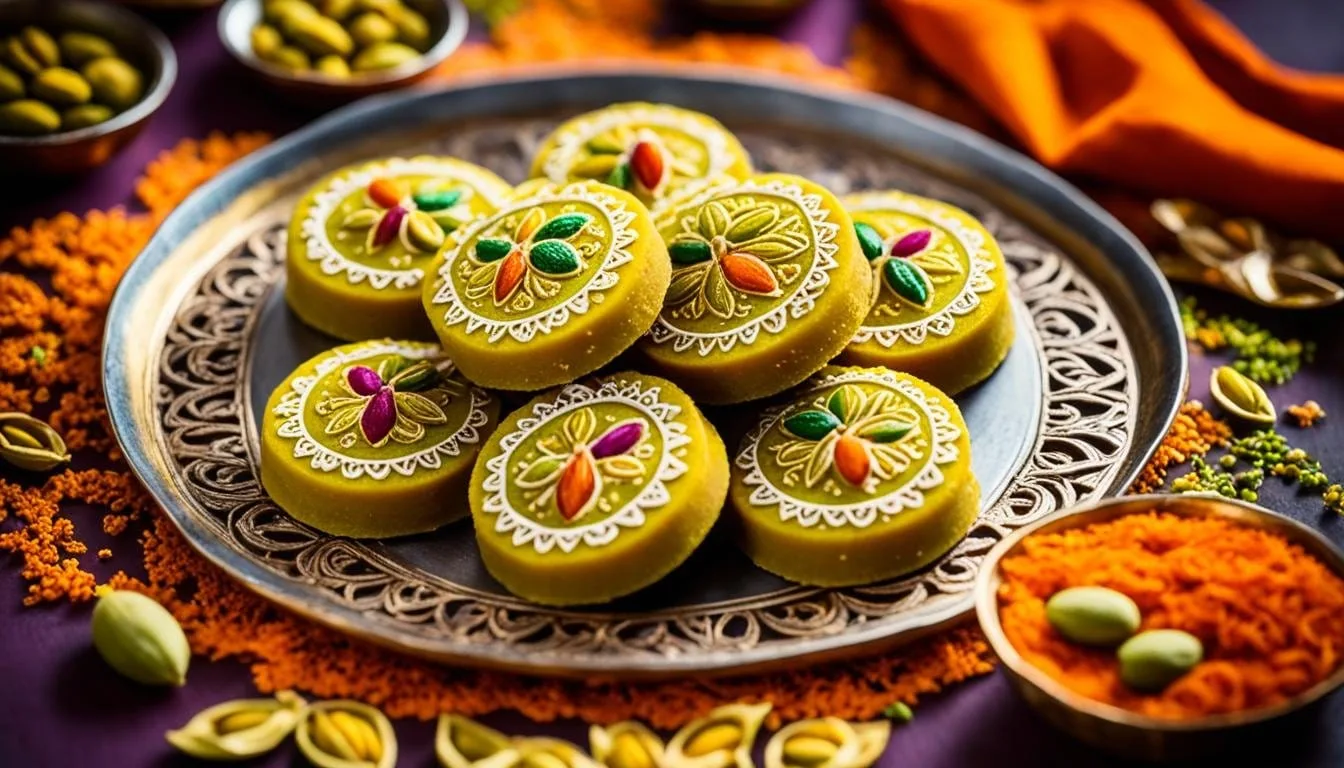
Authentic Mathura peda represents one of India’s most revered traditional sweets—a creamy, milk-based confection inextricably linked to Mathura city’s identity as Lord Krishna’s birthplace, where pilgrimage traditions, devotional practices, and culinary excellence converge creating sweet preparations that transcend mere taste pleasure to carry profound religious and cultural significance spanning centuries. This iconic North Indian specialty, prepared from carefully reduced milk (khoya/mawa), sugar, and subtle cardamom flavoring, exhibits distinctive soft creamy texture, rich concentrated milk flavor, and characteristic round flattened shape with decorative surface marking that devotees and sweet enthusiasts recognize immediately as quintessential Mathura creation. The deep connection between this humble sweet and one of Hinduism’s most beloved deities creates unique cultural resonance where every bite connects consumers to spiritual heritage, pilgrimage memories, and traditional knowledge that generations of Mathura sweet makers preserved through meticulous preparation standards and cultural pride.




Understanding authentic Mathura peda requires appreciating both the technical preparation excellence and the religious-cultural contexts elevating this sweet from regional specialty to nationally recognized treasure carrying profound meanings beyond ingredients and technique. The association with Krishna—whose childhood exploits stealing butter and sweets form beloved devotional narratives—creates natural connection between dairy-based confections and this particular city’s culinary identity. The millions of pilgrims visiting Mathura’s numerous Krishna temples annually purchase peda as prasad (blessed food offering), devotional gifts, or spiritual souvenirs carrying sacred associations and authentic local character home to distant locations throughout India and beyond. This dual identity as both religious offering and gastronomic specialty creates interesting dynamics where spiritual significance and taste excellence reinforce mutual importance rather than existing as separate unrelated dimensions.
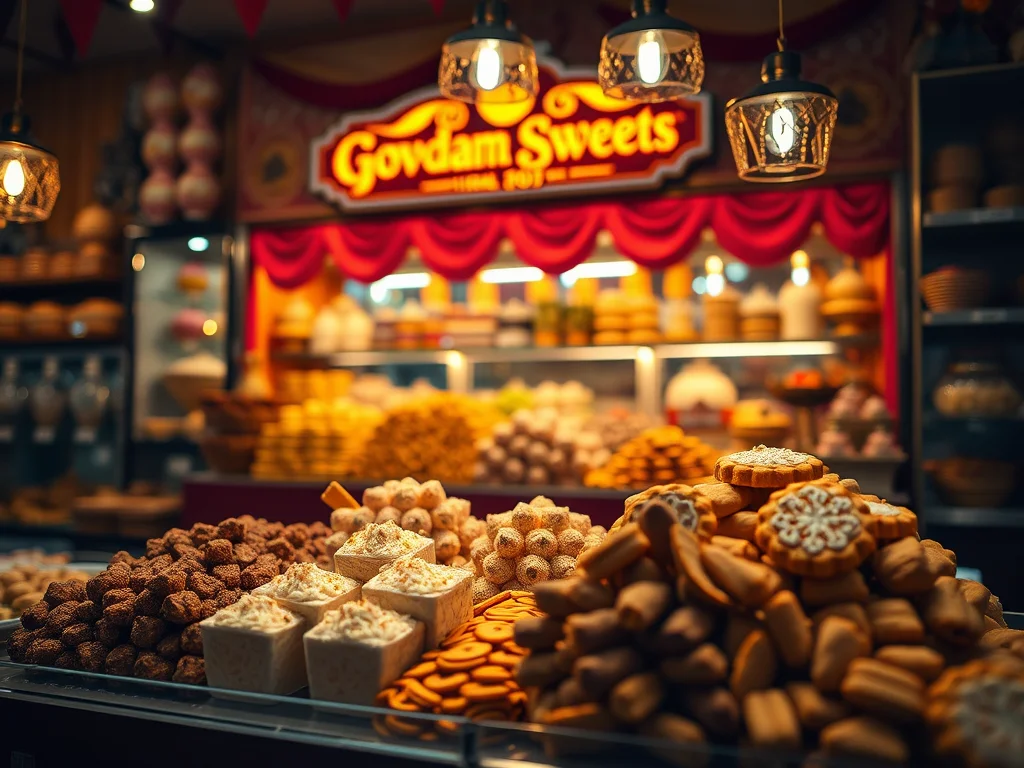
While Govindam Sweets specializes primarily in authentic Rajasthani confectionery excellence through our heritage preparations including signature Ghewar and Balwan Laddu, we recognize and celebrate India’s magnificent sweet diversity including Mathura’s remarkable contributions to national confectionery heritage. This comprehensive exploration of authentic Mathura peda examines traditional preparation methods and ingredient requirements, distinctive characteristics and quality indicators, religious and cultural significance, regional variations and related preparations, authentic sourcing and vendor selection guidance, storage and consumption recommendations, and broader context within North Indian sweet traditions—honoring this iconic preparation while maintaining honest transparency about regional specialization distinctions ensuring consumers make informed decisions accessing authentic preparations through appropriate channels whether specialized Mathura vendors, quality North Indian sweet shops, or comprehensive online platforms serving diverse regional excellence.



Amla Chunda
Price range: ₹299.00 through ₹650.00
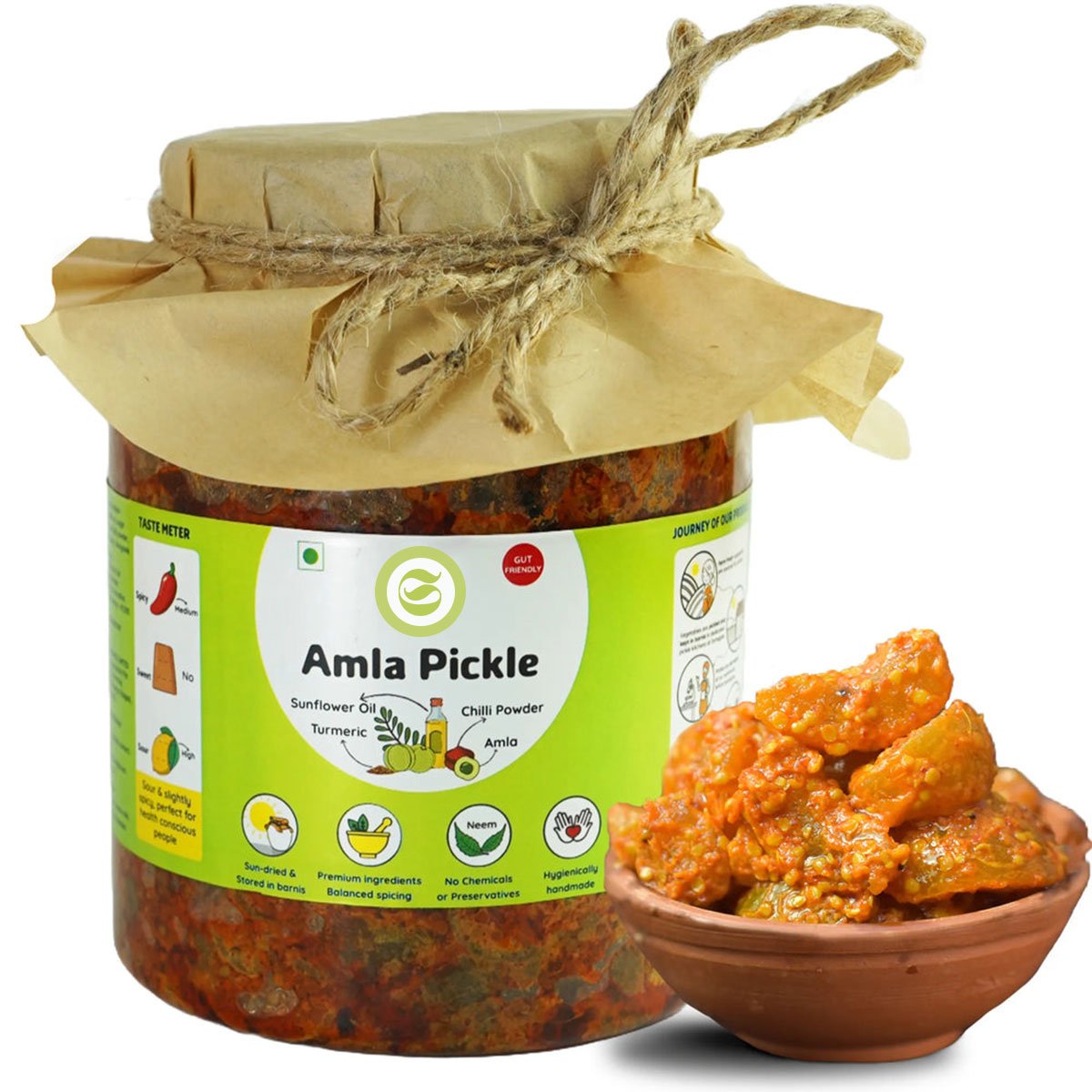
Amla Pickle
Price range: ₹299.00 through ₹650.00
Anardana Goli
Original price was: ₹200.00.₹150.00Current price is: ₹150.00.
Authentic Dodha Barfi – Traditional Milk Sweet Delight
Original price was: ₹650.00.₹500.00Current price is: ₹500.00.
Balwan Laddu
Price range: ₹500.00 through ₹1,000.00
Besan Gatta
Original price was: ₹400.00.₹340.00Current price is: ₹340.00.
Besan Laddu
Price range: ₹270.00 through ₹540.00
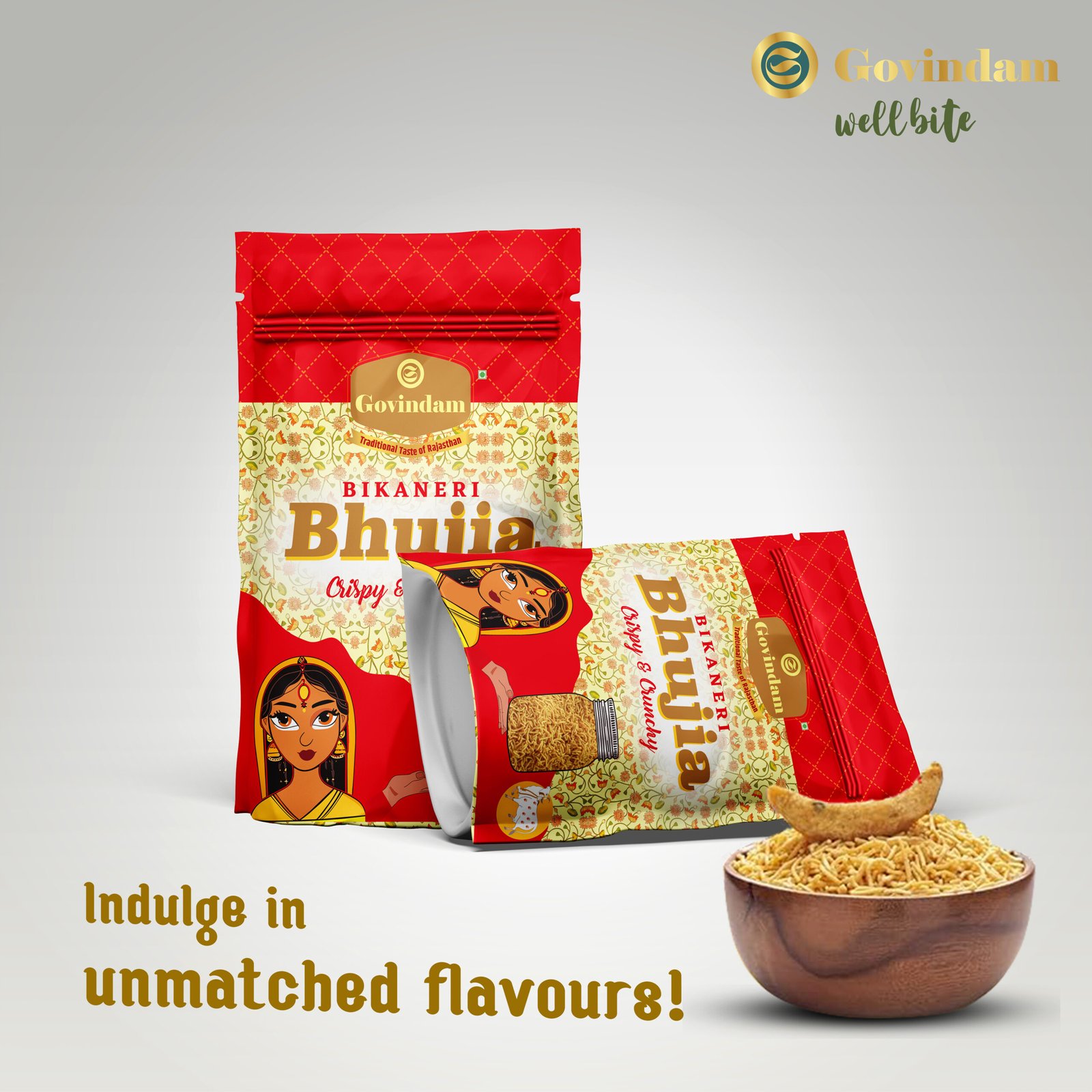
Bikaneri Bhujia
Price range: ₹180.00 through ₹360.00
Black Gulab Jamun
Price range: ₹260.00 through ₹540.00
Black Lemon Pickle
Price range: ₹299.00 through ₹650.00Historical and Cultural Heritage
Mathura’s Religious Significance
Mathura’s identity as Krishna janmabhoomi (Krishna’s birthplace) creates profound spiritual importance for millions of Hindus worldwide making this Uttar Pradesh city one of India’s most significant pilgrimage destinations. The association with Krishna—eighth avatar of Lord Vishnu and central figure in Hindu devotional traditions—imbues local culture, economy, and culinary traditions with religious dimensions that secular contexts elsewhere might not carry. The numerous temples, religious institutions, and pilgrimage infrastructure create environment where food offerings, prasad distribution, and devotional expressions through edible preparations become central cultural practices rather than peripheral activities.
The Krishna legends involving childhood butter stealing (makhan chor) and sweet consumption create natural connections between dairy products and devotional contexts. The gopala (cowherd) identity emphasizing pastoral themes and dairy prominence within Krishna mythology makes milk-based sweets particularly appropriate devotional offerings and pilgrimage souvenirs. The Janmashtami celebrations marking Krishna’s birth become annual occasions where peda consumption and distribution reach peak intensity, with devotees purchasing enormous quantities for home ceremonies, temple offerings, and community distributions expressing devotional enthusiasm through culturally recognized food practices.

Evolution of Mathura Peda Tradition
While precise historical origins remain unclear, Mathura peda traditions likely span centuries with continuous refinement creating contemporary preparations. The sweet-making families passing knowledge through generations maintain recipe secrets, technique nuances, and quality standards that distinguish authentic Mathura preparations from imitations elsewhere claiming similar identity without equivalent heritage depth or cultural authenticity. The royal patronage during various historical periods supported master confectioners, while religious institution demand from major temples created stable markets incentivizing quality maintenance and preparation excellence.
The commercial development alongside pilgrimage infrastructure growth transformed peda from primarily religious offering into both devotional item and commercial specialty with quality tiers serving different market segments from budget-conscious pilgrims through premium gift purchasers. The geographic indication (GI) tag recognition for Mathura peda in recent years provides legal protection against imitations and acknowledges authentic preparation’s cultural-economic importance worthy of preservation and market distinction.
Traditional Preparation Methods
Khoya (Mawa) Foundation
Authentic Mathura peda begins with quality khoya—milk solids obtained through patient milk reduction removing water content while concentrating fats, proteins, and natural sugars. The traditional method involves simmering full-fat milk in heavy vessels with continuous stirring preventing scorching while enabling steady moisture evaporation. The reduction process taking hours depending on quantities creates characteristic flavor development through gentle caramelization and concentration impossible to replicate through shortcuts or reconstituted milk powder despite superficial similarity.
The khoya quality determines final peda excellence with color, texture, moisture content, and flavor all depending on milk quality and reduction process expertise. Premium preparations use buffalo milk providing richness and distinctive flavor, though cow milk produces acceptable alternatives with slightly different character. The khoya should exhibit creamy smooth consistency without graininess, pale cream color without excessive browning, and pleasant fresh aroma without sour or burnt notes indicating proper preparation and freshness.
Sugar Integration and Flavoring
After khoya reaches appropriate consistency, sugar integration requires careful technique managing proportions and incorporation methods affecting texture and sweetness balance. The grinding process combining khoya with sugar and cardamom creates smooth homogeneous mixture without lumps or graininess. Traditional stone grinding (chakki) provides certain textural benefits though modern equipment produces acceptable results when operated properly with attention to consistency and smoothness.
The cardamom quantity remains intentionally modest in authentic preparations—subtle aromatic enhancement without overwhelming milk’s natural flavor that should dominate taste profiles. Some traditional recipes incorporate saffron for color and flavor complexity, though this enhancement represents premium variation rather than standard preparation. The cooking period after sugar addition involves brief heating developing specific texture and flavor characteristics through controlled temperature exposure without excessive browning or caramelization that would alter characteristic pale color and delicate flavor profile.
Shaping and Finishing
The mixture shaping into characteristic round flattened forms requires skilled hand technique though some commercial operations employ molds for consistency and efficiency. The traditional approach involves rolling portions into balls then flattening slightly and marking surfaces with decorative indentations created using fingertips, forks, or specialized tools. These surface markings serve aesthetic purposes while also creating textural interest and traditional appearance signaling authentic preparation methods rather than industrial manufacturing.
The cooling and setting period allows texture development and moisture equilibration creating proper consistency—soft creamy mouthfeel without excessive firmness or crumbling. The final product should maintain shape integrity without spreading or collapsing while remaining pleasantly soft rather than hard or chalky. The freshness window for optimal quality remains relatively brief compared to harder drier sweets, with authentic peda maintaining peak character for approximately one week under proper storage before gradual texture and flavor degradation begins.
Distinctive Characteristics of Authentic Mathura Peda
Texture Profile
The hallmark texture of authentic Mathura peda exhibits soft creamy consistency that practically melts on the tongue without requiring extensive chewing. The grain should be exceptionally fine creating smooth mouthfeel without noticeable grittiness, lumps, or coarse particles indicating inferior preparation or inadequate processing. The moisture content maintains delicate balance—sufficient softness and creaminess without excessive wetness or oiliness that would seem greasy or unpleasant. The structural integrity holds shape without crumbling yet yields easily to gentle pressure demonstrating appropriate firmness without hardness.
This distinctive texture separates Mathura peda from firmer denser variations from other regions including Dharwad peda or regional pedas exhibiting different consistency preferences. The creamy characteristic particularly defines Mathura preparation identity with texture arguably more important than flavor for distinguishing authentic versions from alternatives. Quality degradation manifests initially through texture changes—increasing firmness, developing graininess, or moisture loss—before flavor deterioration becomes apparent, making texture assessment crucial quality indicator.
Flavor and Aroma
The flavor profile emphasizes rich concentrated milk taste with subtle sweetness allowing khoya’s inherent character dominating rather than sugar overwhelming natural flavors. The gentle cardamom presence provides aromatic complexity without aggressive spicing, while potential saffron additions (in premium versions) contribute subtle floral notes and golden color enhancement. The overall impression should communicate quality dairy, proper preparation technique, and balanced composition rather than one-dimensional excessive sweetness or artificial flavoring masking ingredient quality deficiencies.
The aroma combines fresh dairy notes, subtle cardamom fragrance, and pleasant sweetness creating inviting bouquet that fresh preparations exhibit prominently. The aging or improper storage manifests through aroma degradation—diminishing intensity, developing staleness, or acquiring off-odors from oxidation or contamination. Authentic fresh peda releases pleasant aroma when packaging opens, while stale products show diminished aromatic appeal providing sensory quality indicator before tasting occurs.
Appearance and Presentation
Traditional Mathura peda displays characteristic round flattened shape approximately 1.5-2 inches diameter and 0.5 inch thickness, though variations exist across vendors. The color ranges from pale cream through light beige without dark brown tones suggesting excessive caramelization or burnt preparation. The surface exhibits decorative markings—often simple indentations, fork patterns, or finger impressions—creating visual interest and traditional appearance signaling hand-crafted rather than industrial origins.
The consistency appearance shows uniform smooth surface without excessive oiliness, dry cracks, or irregular textures indicating preparation problems. The shape integrity maintenance without spreading, collapsing, or distortion demonstrates proper composition and moisture content. Quality presentations often involve silver leaf (vark) decoration for premium versions or special occasions, though plain versions remain more common for everyday consumption and standard prasad distribution.
Religious and Cultural Significance
Temple Prasad Traditions
Mathura’s numerous Krishna temples distribute peda as prasad following worship services, with devotees receiving blessed food offerings carrying spiritual significance beyond nutritional or taste dimensions. The temple prasad context creates quality accountability since religious institutions maintain reputation standards and devotee trust requiring consistent authentic preparation. The major temples including Dwarkadhish Temple and Krishna Janmabhoomi Temple Complex see daily prasad distribution involving substantial peda quantities prepared by affiliated sweet makers following traditional methods and recipe standards.
The devotional practice of consuming prasad creates emotional and spiritual associations where peda taste triggers devotional sentiments, pilgrimage memories, and religious connections strengthening food’s cultural embedding beyond secular snacking contexts. The practice of taking prasad home or distributing to family and friends extends blessing sharing while creating gift-giving opportunities where religious significance elevates humble sweet offerings to meaningful spiritual gestures appreciated by recipients valuing devotional contexts.
Pilgrimage Souvenirs and Gifts
The millions visiting Mathura annually purchase peda as pilgrimage souvenirs carrying geographic and spiritual authenticity markers. The vendors near temples and throughout pilgrimage districts sell peda in various packaging from simple paper wrappings through elaborate decorative boxes suitable for gifting. The purchase act itself becomes pilgrimage ritual component—bringing blessed food from sacred location to share with those unable visiting personally, extending pilgrimage’s spiritual benefits beyond individual travelers to broader family and community networks.
The gifting contexts where Mathura peda serves as appropriate devotional presents during religious occasions, festivals, or personal celebrations carry symbolic meanings beyond material value. The recipient understanding gift’s Mathura origins recognizes giver’s devotional commitment undertaking pilgrimage or specifically sourcing authentic preparation rather than convenient local alternatives. This geographic specificity creates cultural cachet where authentic Mathura peda commands respect and appreciation exceeding generic peda’s reception despite potential taste similarities.
Festival and Celebration Associations
While Mathura peda appears year-round, certain occasions create particular prominence. Janmashtami (Krishna’s birthday) sees peak consumption with families preparing or purchasing substantial quantities for home ceremonies, temple offerings, and community distributions. The Holi festival associated with Mathura-Vrindavan region through Krishna legends creates another peak period where traditional foods including peda feature prominently in celebrations. Various Krishna-focused festivals throughout year see elevated peda consumption among devotional communities maintaining regular religious observances.
The general auspicious occasion appropriateness makes peda suitable for various Hindu ceremonies, life milestones, and celebrations beyond specifically Krishna-focused contexts. The vegetarian pure ingredients and religious associations create widely acceptable gift option across diverse Hindu communities regardless of sectarian affiliations or regional backgrounds, making Mathura peda versatile religious-cultural gift transcending narrow denominational limitations.
Quality Indicators and Vendor Selection
Identifying Authentic Preparation
Distinguishing genuine Mathura peda from inferior imitations requires attention to multiple quality dimensions. The texture test through gentle pressure reveals authentic creamy softness versus hard firm consistency indicating poor quality or age. The color assessment noting pale cream hue without dark brown tones signals proper preparation, while excessive whiteness might suggest milk powder substitution rather than authentic khoya base. The aroma evaluation detecting fresh dairy and subtle cardamom without staleness or off-odors provides quality indicator before consumption.
The taste profile emphasizing balanced milk flavor with restrained sweetness rather than overwhelming sugar distinguishes quality preparations. The melt quality observing how quickly peda dissolves on tongue without leaving grainy residue indicates proper processing and fresh preparation. The surface appearance showing hand-crafted markings versus perfectly uniform industrial shapes suggests traditional versus commercial manufacturing, though appearance alone shouldn’t override texture and taste assessment for quality determination.
Reputable Vendor Identification
Finding authentic Mathura peda requires sourcing from established vendors with visible quality commitments and customer trust. The Mathura-based sweet shops with generations of operation and strong local patronage provide highest authenticity likelihood, particularly establishments near major temples serving pilgrimage traffic alongside local communities. The visible busy operations with regular customer flow indicate community trust and inventory turnover ensuring freshness rather than aged stock languishing unsold.
The transparent operations showing preparation areas, artisan engagement, and ingredient visibility build confidence versus secretive closed preparation hiding quality compromises. The clear pricing without excessive haggling or tourist-specific rates suggests honest dealings and consistent standards. The proper storage using refrigeration for inventory management maintains freshness particularly in warm weather. The willingness explaining preparation methods, answering questions, and discussing ingredients indicates confidence and knowledge rather than evasiveness hiding quality shortcuts.
Geographic Indication and Certification
The Mathura Peda GI tag provides legal protection and quality assurance framework though enforcement and consumer awareness remain variable. Authorized vendors displaying GI certification demonstrate compliance with standards and geographic authenticity claims. The FSSAI licensing provides basic food safety compliance though doesn’t specifically address peda quality or authenticity beyond minimal standards. The consumer awareness about these certifications remains limited with most purchasing decisions based on reputation, recommendation, or trial experience rather than formal certification verification.
Regional Variations and Related Preparations
Dharwad Peda: The Southern Cousin
Karnataka’s Dharwad peda represents distinct regional interpretation sharing name but exhibiting different characteristics from Mathura version. The firmer denser texture, darker caramelized color, and more pronounced sweet intensity create different taste and mouthfeel experience. The regional pride and geographic indication create parallel authentic preparation claims where both Mathura and Dharwad pedas legitimately exist as distinct regional specialties rather than one representing “true” peda and other being deviation.
The comparison highlights how single preparation name encompasses diverse regional expressions reflecting local preferences, ingredient availability, historical development, and cultural contexts creating variation within apparent similarity. Understanding these differences prevents disappointment when encountering unexpected characteristics and enables appreciation for legitimate diversity rather than assuming quality deficiency when encountering different regional interpretations.
Bengali Peda and Eastern Variations
Bengali sweet traditions include peda variations often incorporating cottage cheese (chhena) creating different texture and moisture content compared to pure khoya-based Mathura versions. The regional preferences for softer sweeter preparations influence Bengali peda characteristics. The nomenclature confusion sometimes occurs where “peda” descriptor applies to various milk-based preparations without strict adherence to specific Mathura formula or technique.
Commercial and Fusion Versions
Contemporary market includes numerous peda variations—chocolate peda, fruit-flavored versions, reduced-sugar formulations, or fusion innovations incorporating Western influences. While these innovations address modern preferences and dietary awareness, purists argue they diverge from authentic tradition representing commercial exploitation rather than legitimate evolution. The quality range spans premium artisan innovations respecting traditional foundations through cheap commercial products barely resembling authentic preparations despite peda labeling.
Storage and Consumption Guidance
Optimal Storage Conditions
Authentic Mathura peda’s soft creamy texture creates storage challenges requiring careful attention maintaining quality. Refrigeration proves essential particularly in warm humid climates, preserving freshness and preventing spoilage while maintaining texture integrity. The airtight containers prevent moisture loss causing hardening and protect from refrigerator odor absorption affecting delicate flavors. The separation from strong-smelling foods prevents flavor contamination through aromatic transfer.
The room temperature tolerance remains limited—perhaps 2-3 days in cool conditions before noticeable degradation begins. The extended storage requires freezing for periods beyond one week, though texture changes occur making freezing acceptable for availability priorities over absolute optimal quality maintenance. The thawing process allowing gradual temperature adjustment to room temperature or brief refrigerator period provides better results than microwave thawing that can create uneven heating and texture problems.
Freshness Assessment and Consumption Timing
The optimal consumption window extends approximately 5-7 days from preparation when refrigerated properly, with peak quality during first 3-4 days. The texture changes—increasing firmness, developing surface hardness, or losing creamy character—indicate aging requiring prompt consumption before further degradation. The flavor intensity diminishes gradually with storage, though properly stored peda remains safe and acceptable considerably longer than peak quality windows suggest.
The serving temperature affects taste experience with room temperature consumption providing fullest flavor expression compared to cold consumption directly from refrigeration diminishing taste perception. The brief warming period allowing refrigerated peda reaching room temperature before serving optimizes taste experience. The portion recommendations suggest 1-2 pieces per serving given richness and caloric density, though cultural practices and personal preferences create consumption variation.
Nutritional Profile and Health Considerations
Caloric and Macronutrient Content
Mathura peda’s concentrated milk base and sugar content creates calorie-dense preparation with typical 100-gram serving containing 350-450 calories depending on sugar levels and preparation methods. The substantial carbohydrate content from milk’s natural lactose plus added sugar requires awareness for diabetics managing blood glucose. The fat content from milk fat provides richness but contributes significantly to caloric density requiring moderation for weight-conscious consumers.
The protein presence from concentrated milk solids provides some nutritional benefit beyond pure indulgence, though insufficient making peda protein source in balanced nutrition planning. The calcium content from concentrated milk supports bone health particularly valuable in Indian diets sometimes calcium-deficient despite dairy traditions. The vitamin presence includes some B-vitamins and vitamin A though quantities remain modest after processing and sugar dilution.
Dietary Considerations
Diabetics require careful portion control and meal planning integration accounting for substantial carbohydrate content, with blood glucose monitoring helping individuals determining personal tolerance within overall management protocols. Weight management programs can accommodate modest occasional peda consumption within caloric budgets, recognizing that complete deprivation often proves less sustainable than allowing controlled indulgences preventing dietary rebellion from excessive restriction feelings.
Lactose-intolerant individuals face challenges since concentrated milk creates high lactose content potentially triggering digestive discomfort. The vegetarian-appropriate ingredients suit most Hindu dietary frameworks though some extremely strict vegetarian interpretations might question certain additives or processing methods requiring verification. The pure ingredients and cultural authenticity generally make Mathura peda acceptable across diverse Hindu communities and many other dietary frameworks prioritizing natural ingredients and traditional preparations.
Accessing Authentic Mathura Peda
Direct Mathura Sourcing
The most authentic access involves visiting Mathura personally purchasing from established vendors, providing certainty about geographic origin and enabling direct quality assessment. The pilgrimage tourism infrastructure supports this with numerous shops near temples and throughout city. The personal pilgrimage experience adds spiritual and cultural dimensions making peda more meaningful beyond pure taste considerations.
Specialized Online Vendors
Growing e-commerce enables authentic Mathura peda access for those unable visiting personally. Some established Mathura sweet shops offer online ordering with nationwide shipping, providing geographic authenticity and traditional preparation despite distance. The logistics considerations include temperature-controlled shipping or expedited delivery maintaining freshness during transit. The packaging investments protect delicate texture during transportation preventing damage that rough handling might cause.
Quality Sweet Shops in Metro Areas
Major Indian cities host quality sweet shops offering Mathura-style peda preparations often sourcing from authentic suppliers or employing traditional methods locally. While not strictly “Mathura” by geographic origin, quality vendors maintaining authentic preparation standards and ingredient quality provide acceptable alternatives for those prioritizing taste and texture over absolute geographic authenticity. The established reputations, visible customer traffic, and transparent operations provide confidence indicators when direct Mathura sourcing proves impractical.
The Govindam Sweets Perspective
Celebrating Regional Excellence
While Govindam Sweets’ core expertise centers on authentic Rajasthani confectionery through our heritage preparations, we deeply respect India’s magnificent sweet diversity including Mathura’s remarkable contributions. Our specialization creates authentic excellence in specific traditions rather than claiming inappropriate expertise across all regional specialties. This honest positioning reflects integrity valuing cultural authenticity over commercial opportunism making misleading claims about capabilities or heritage connections lacking genuine foundation.
Comprehensive Platform Philosophy
To the extent our online platform offers North Indian preparations beyond core Rajasthani specialization, we maintain transparency about sourcing, preparation methods, and authenticity considerations. The goal serves customers seeking quality traditional sweets across regional varieties through reliable vendor rather than misrepresenting regional expertise or manufacturing credentials without proper foundation. The honest communication respects customer intelligence and cultural significance that authentic regional specialties deserve.
Supporting Authentic Sourcing
We encourage customers specifically seeking authentic Mathura peda exploring specialized vendors maintaining traditional preparation in actual Mathura or clearly-established authentic sourcing creating genuine preparation despite alternative geographic locations. The consumer education about regional distinctions, quality indicators, and authentic sourcing benefits Indian confectionery heritage preservation supporting artisan communities and traditional knowledge transmission beyond any single vendor’s commercial interests.
Conclusion: Honoring Sacred Sweet Heritage
Authentic Mathura peda represents far more than mere confection—it embodies sacred geography, devotional traditions, culinary excellence, and cultural heritage spanning centuries creating preparations that nourish spiritually and culturally while satisfying physical taste hunger. The soft creamy texture, rich milk flavor, and religious associations create unique character that devotees and sweet enthusiasts recognize immediately as quintessential Mathura creation worthy of appreciation, preservation, and respectful consumption honoring traditional knowledge and cultural meanings embedded within humble dairy-based preparation connecting millions to divine narratives and pilgrimage memories.
Understanding authentic Mathura peda’s preparation excellence, religious significance, quality indicators, and appropriate sourcing enables informed consumption supporting genuine traditional excellence while maintaining realistic expectations about availability, freshness challenges, and regional authenticity considerations. Whether consuming as prasad during Mathura pilgrimage, purchasing from specialized authentic vendors, or exploring quality regional preparations from established sweet shops, the appreciation for craftsmanship, cultural depth, and devotional associations enriches experiences beyond pure taste evaluation into meaningful cultural participation and heritage celebration.
At Govindam Sweets, while our specialization centers on Rajasthani traditional excellence through Ghewar, Balwan Laddu, and comprehensive desert state offerings, we celebrate India’s broader confectionery diversity including Mathura’s sacred sweet traditions. Explore our authentic preparations representing Rajasthani heritage while respecting magnificent regional diversity that collectively creates India’s unparalleled confectionery landscape—where every region contributes distinctive excellence, where cultural authenticity transcends commercial convenience, and where traditional knowledge preservation ensures future generations experiencing authentic preparations connecting them to centuries of accumulated wisdom, devotional expression, and artisan dedication that authentic Mathura peda perfectly exemplifies through creamy texture, spiritual associations, and enduring cultural relevance across evolving generations maintaining sacred connections through humble yet profound dairy-based preparation blessed by Krishna’s birthplace and cherished by millions honoring tradition through thoughtful authentic consumption.
