
Posts
Discover Goodness of Desi Ghee Health Benefits Traditional India

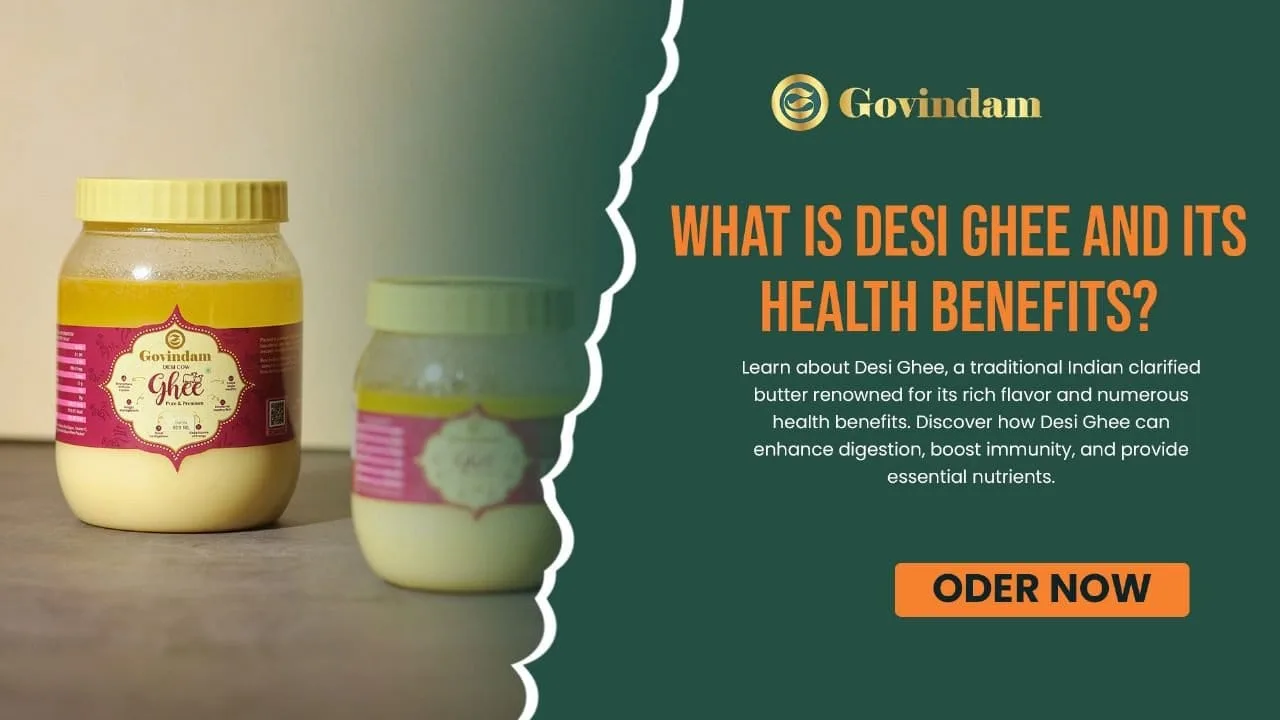
Explore the remarkable health benefits and traditional significance of pure desi ghee in Indian cuisine and Ayurveda. Discover how this golden elixir supports digestion, provides essential nutrients, enhances flavor, and plays crucial roles in authentic sweet preparations, representing centuries of wellness wisdom and culinary excellence.
Discover the Goodness of Desi Ghee: Health Benefits and More
Introduction: The Golden Elixir of Indian Tradition
Among the treasured ingredients of Indian cuisine and traditional wellness systems, few substances command the reverence, versatility, and deep cultural significance quite like Desi Ghee—the golden clarified butter that has nourished countless generations across the Indian subcontinent for thousands of years. This remarkable ingredient transcends mere cooking fat status to represent comprehensive wellness philosophy, culinary excellence, and cultural heritage embodying ancient wisdom about nutrition, healing, and the profound connections between food quality and human wellbeing. The characteristic golden color, rich aroma, and sublime flavor of authentic preparations make this traditional butter transformation more than simple cooking ingredient—it becomes carrier of cultural memory, vehicle for nutritional wisdom, and essential component of preparations from everyday meals through sacred rituals and celebration feasts.




The transformation of butter into clarified form through careful heating represents one of humanity’s elegant food preservation and enhancement techniques, creating shelf-stable product with superior cooking properties and concentrated beneficial compounds that fresh butter cannot match. The process removes water content and milk solids that cause butter to spoil and burn during cooking, leaving pure butterfat enriched with fat-soluble vitamins and beneficial fatty acids while developing complex flavor compounds through controlled heating creating the distinctive nutty aroma and taste that marks quality preparations. This ancient technique, perfected over millennia across Indian households and dairies, demonstrates sophisticated understanding of food chemistry and preservation long before modern science could explain the mechanisms making these traditional practices effective.
Govindam Sweets recognizes authentic clarified butter’s crucial importance in traditional confectionery, using only premium quality pure ghee in our signature preparations including Ghewar, Balwan Laddu, and complete range of Rajasthani specialties where ingredient quality fundamentally impacts taste, texture, and authenticity. Our commitment to premium clarified butter reflects understanding that no substitute—regardless of cost advantages—can replicate the flavor depth, nutritional profile, and cultural authenticity that genuine preparations provide. Understanding what makes exceptional versions, their remarkable health benefits, and their central role in Indian culinary traditions helps appreciating why this golden substance commands such respect across centuries of continuous use and contemporary rediscovery by wellness-conscious consumers worldwide.



Amla Chunda
Price range: ₹299.00 through ₹650.00
Amla Pickle
Price range: ₹299.00 through ₹650.00
Anardana Goli
Original price was: ₹200.00.₹150.00Current price is: ₹150.00.
Authentic Dodha Barfi – Traditional Milk Sweet Delight
Original price was: ₹650.00.₹500.00Current price is: ₹500.00.
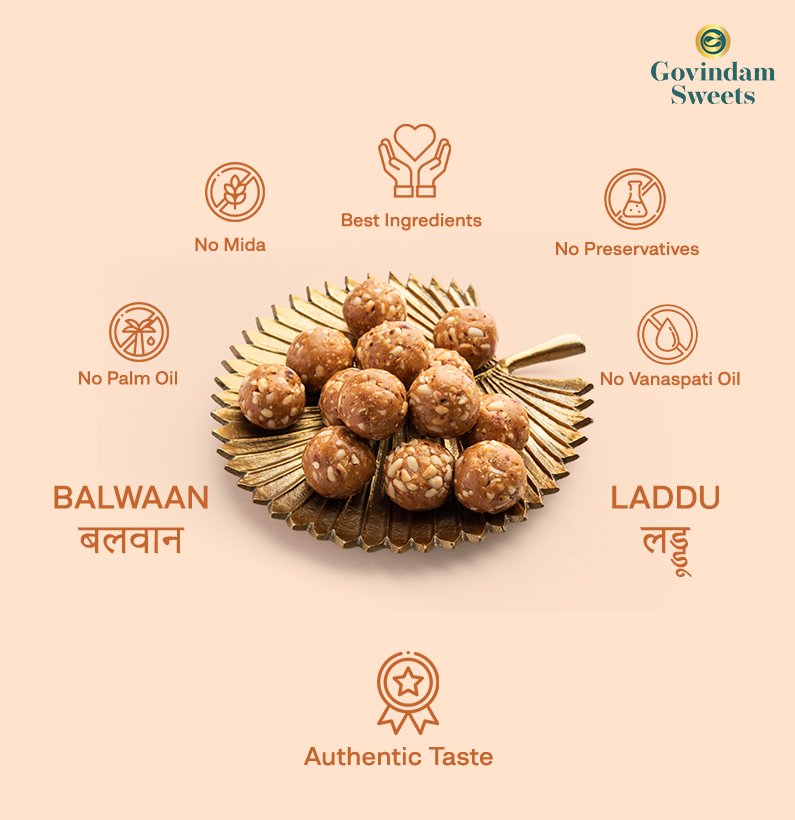
Balwan Laddu
Price range: ₹500.00 through ₹1,000.00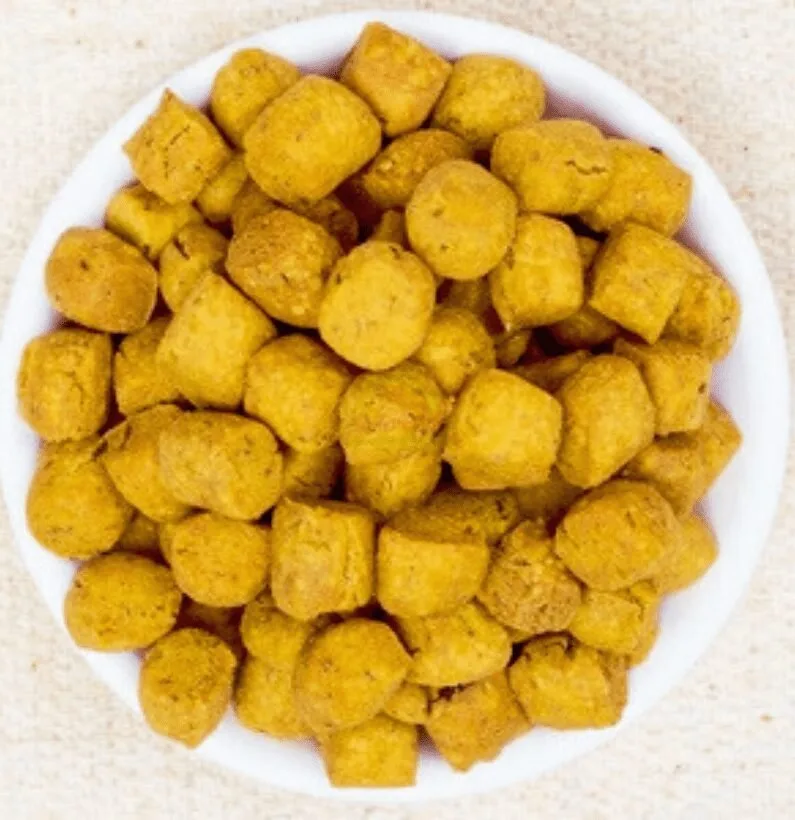
Besan Gatta
Original price was: ₹400.00.₹340.00Current price is: ₹340.00.
Besan Laddu
Price range: ₹270.00 through ₹540.00
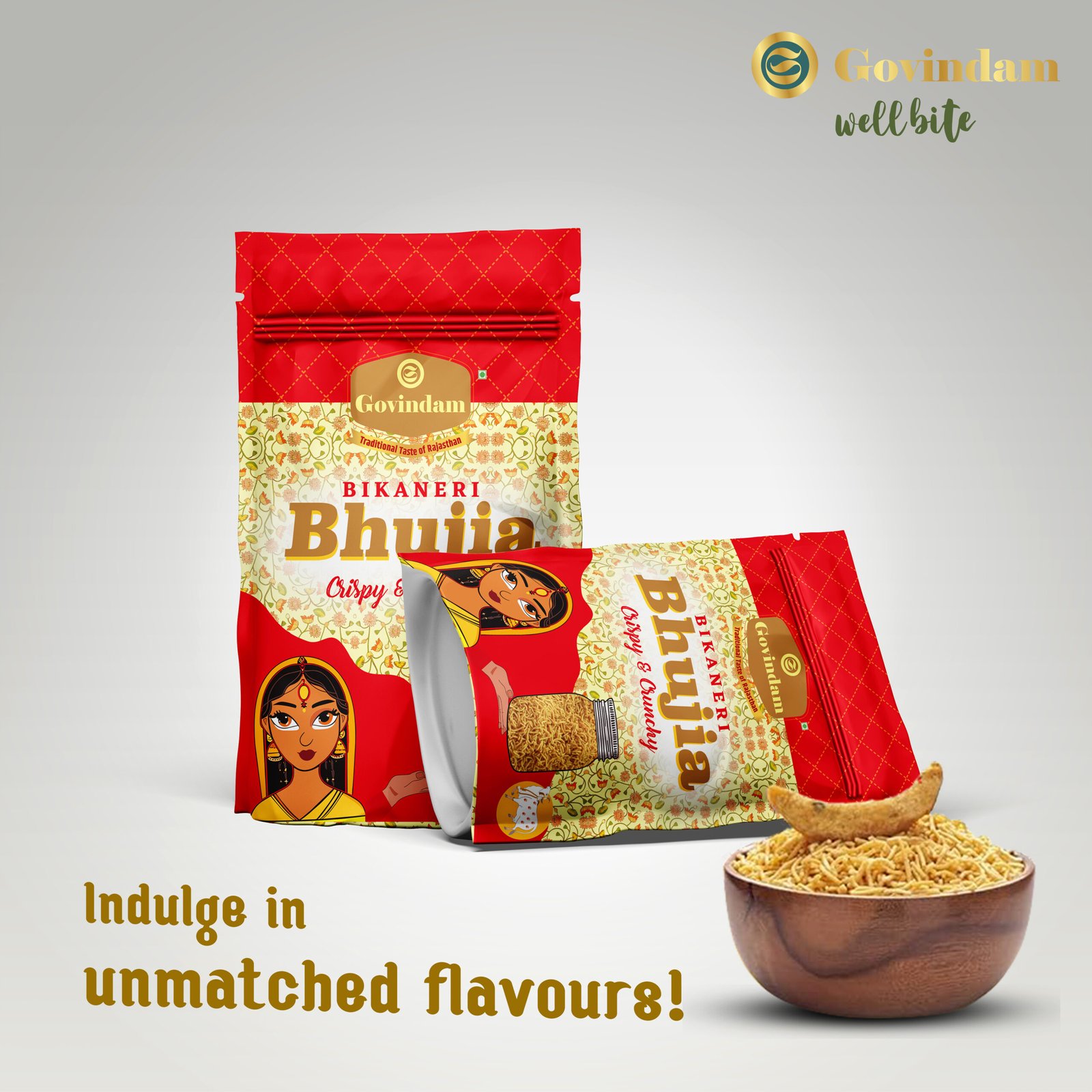
Bikaneri Bhujia
Price range: ₹180.00 through ₹360.00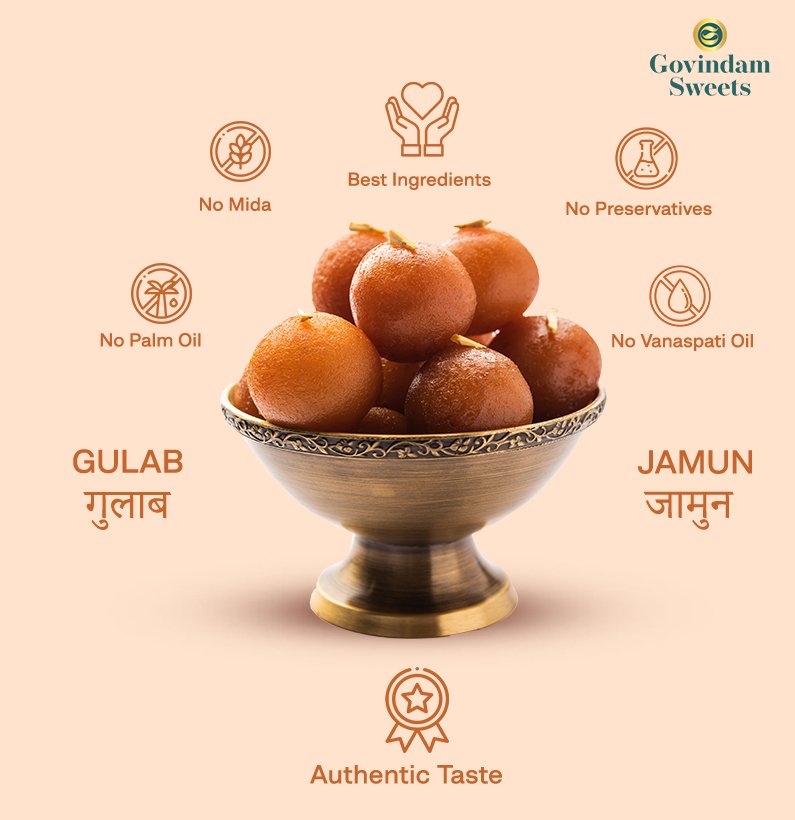
Black Gulab Jamun
Price range: ₹260.00 through ₹540.00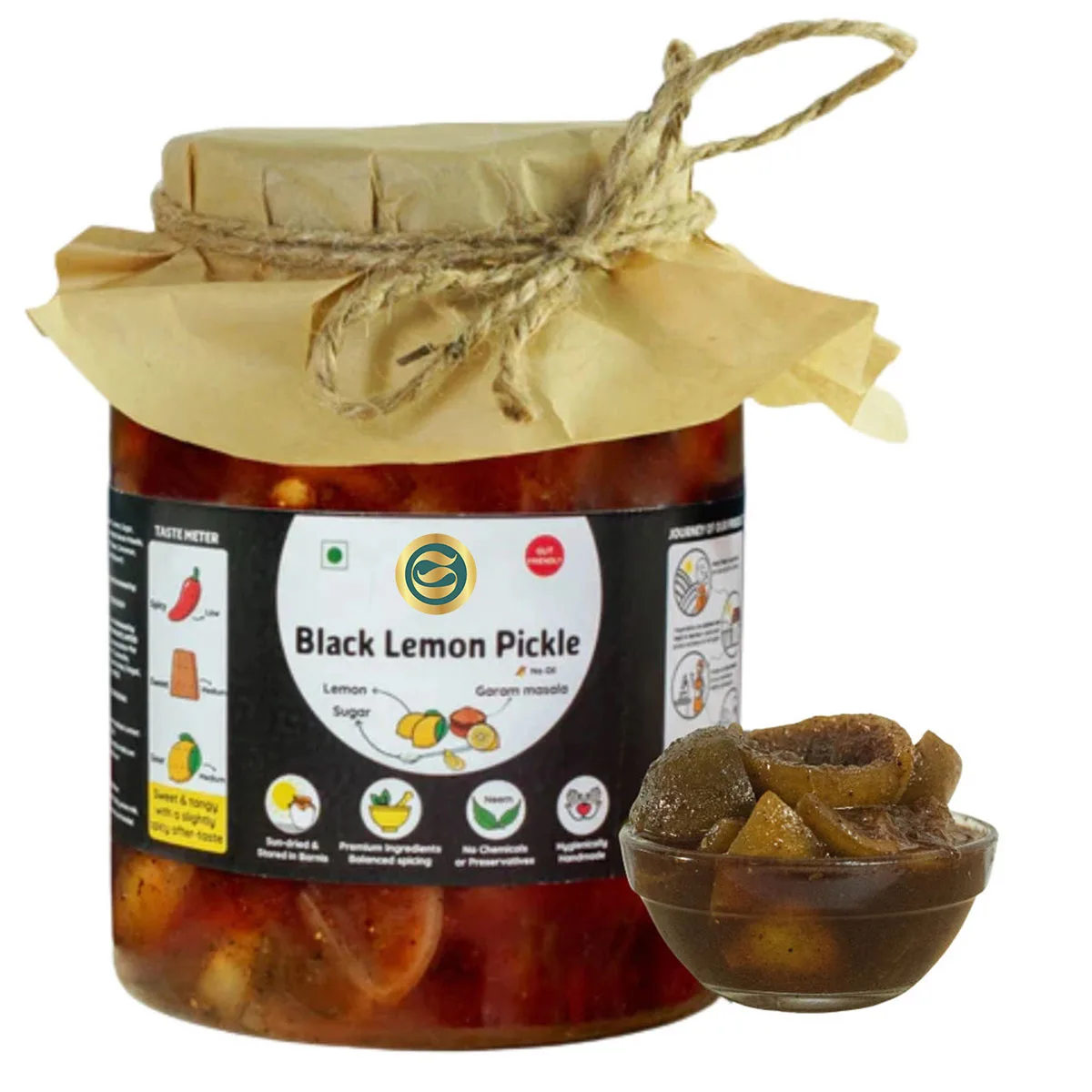
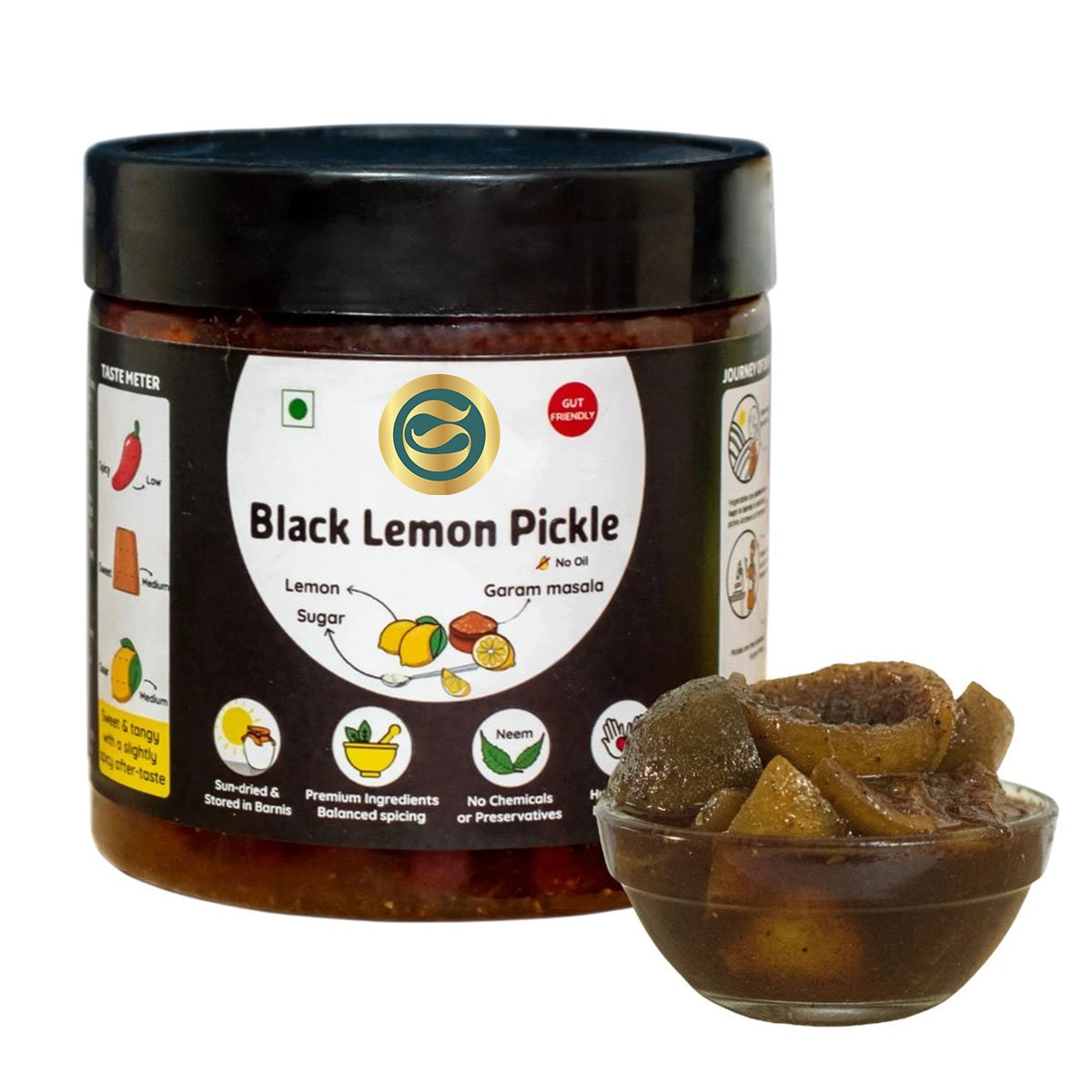
Black Lemon Pickle
Price range: ₹299.00 through ₹650.00The Ancient Tradition and Cultural Significance
Ayurvedic Foundation and Wellness Philosophy
In Ayurveda—India’s ancient holistic healing system dating back over 5,000 years—clarified butter holds exceptional status as one of few foods considered universally beneficial across all constitutional types (doshas) when consumed appropriately. Ancient Ayurvedic texts including Charaka Samhita and Sushruta Samhita extensively discuss medicinal properties, therapeutic applications, and proper usage protocols for this golden substance, describing it as vehicle for herbs delivery (anupana), youth-promoting substance (rasayana), intelligence-enhancing food (medhya), and essential component of numerous traditional treatments addressing diverse health conditions from digestive disorders through neurological support.
The Ayurvedic perspective recognizes clarified butter as “sattvic” food—pure substance promoting clarity, balance, and spiritual awareness rather than creating mental dullness (tamasic) or excessive stimulation (rajasic) that foods can generate according to traditional classification systems. This sattvic quality makes the ingredient appropriate for meditation practices, spiritual disciplines, and daily consumption supporting balanced living across physical, mental, and spiritual dimensions that Ayurveda views as interconnected rather than separate domains requiring isolated interventions.




The therapeutic applications extend beyond oral consumption to include external uses in traditional massage (abhyanga), nasal administration (nasya), and various panchakarma detoxification procedures where clarified butter serves as medium for eliminating accumulated toxins (ama) and restoring balanced physiological function. These diverse applications demonstrate comprehensive understanding of the substance’s properties and potential benefits when applied thoughtfully within systematic wellness frameworks addressing root causes rather than merely suppressing symptoms.
Religious and Ritual Importance
Hindu religious practices incorporate clarified butter extensively in sacred contexts including temple lamp fuel (deepam), fire ceremony offerings (havan), deity worship preparations, and ritual applications where purity and auspiciousness prove essential. The substance’s pure, sattvic nature makes it appropriate for sacred purposes requiring ingredients free from tamasic qualities that would compromise spiritual efficacy. The clarified butter flames in temple lamps and fire ceremonies represent illumination dispelling ignorance, with pure burning characteristics symbolizing spiritual aspiration rising toward enlightenment without smoke or impurity obscuring the flame’s clear light.
The religious significance extends beyond symbolic dimensions to practical considerations—clarified butter burns cleanly without smoke that would pollute indoor temple environments, maintains stable burning characteristics suitable for prolonged rituals, and carries pleasant aroma enhancing worship atmospheres. These practical benefits complemented spiritual symbolism, creating convergence between functional effectiveness and theological appropriateness that characterizes much traditional ritual practice where form and function align through centuries of refinement.
Culinary Heritage Across Indian Cuisine
Beyond therapeutic and religious applications, clarified butter forms foundational ingredient across virtually all Indian regional cuisines, providing cooking medium, flavor enhancer, and essential component of countless traditional preparations from everyday meals through elaborate celebration feasts. The high smoke point (approximately 485°F/252°C) makes it ideal for high-temperature cooking including deep frying, sautéing, and other applications where regular butter would burn creating unpleasant flavors and potentially harmful compounds. The rich, nutty flavor enhances both savory preparations and sweets, with quality immediately apparent in finished dishes where inferior substitutes create flat, unsatisfying taste profiles lacking depth and complexity authentic preparations provide.
The culinary applications demonstrate remarkable versatility—morning toast spread, rice finishing touch, dal tempering base (tadka), vegetable sauté medium, sweet preparation essential ingredient, and countless other uses where the golden ingredient contributes flavor, nutrition, and cultural authenticity impossible to replicate through modern alternatives regardless of marketing claims about health benefits or cooking performance. This comprehensive culinary integration ensures continued cultural relevance across changing dietary patterns and modern nutritional debates, as the ingredient’s superior cooking properties and unmatched flavor contribution transcend ideological positions about optimal fat consumption making practical arguments for continued use regardless of theoretical nutritional controversies.
Understanding Traditional Preparation Methods
From Milk to Butter: The Foundation
Traditional preparation begins with whole milk from cows or buffalo, with many practitioners believing specific breeds, feeding practices, and milk handling methods significantly impact final quality. The milk undergoes natural fermentation through bacterial cultures converting lactose into lactic acid, creating cultured dairy (dahi/curd) with distinctive tangy flavor and probiotic qualities. This fermentation step, while sometimes bypassed in commercial production, contributes flavor complexity and potentially beneficial bacterial compounds that direct butter processing cannot provide.
The cultured dairy undergoes churning—traditionally performed manually in cylindrical vessels using wooden churns with rhythmic motions that separate butter fat from liquid buttermilk. This labor-intensive process has largely been mechanized in commercial operations, though traditional practitioners maintain that manual churning produces superior results through gentler handling preventing excessive aeration or heat generation that might compromise delicate flavor compounds. The resulting butter contains higher moisture content than commercial varieties, requiring careful clarification removing all water preventing shelf stability and creating burning during cooking applications.
The Clarification Process: Creating Liquid Gold
The clarification transforms butter into shelf-stable cooking medium through controlled heating separating pure butterfat from water and milk solids. The process requires heavy-bottomed vessels (traditionally brass or copper, now often stainless steel) and careful temperature control preventing burning while ensuring complete moisture evaporation and milk solid separation. The butter melts completely, water evaporates creating characteristic bubbling and foaming, milk solids separate settling to bottom or floating as foam on surface, and pure golden liquid emerges once all water has evaporated indicated by foam subsiding and liquid becoming crystal clear.
The timing varies based on quantities, heating intensity, and moisture content, typically requiring 20-45 minutes for home-scale batches. The milk solids acquire golden-brown color through Maillard reactions during heating, contributing nutty flavor and aroma that distinguish well-prepared versions from those clarified too quickly without adequate browning or too slowly creating excessive browning that introduces burnt notes. This precision explains why experienced practitioners produce consistently superior results compared to novices following identical procedures but lacking intuitive understanding of subtle sensory cues indicating optimal completion timing.
Quality Factors in Traditional Production
Multiple factors influence final quality including source milk characteristics (breed, feed, handling), fermentation control (culture selection, timing, temperature), butter churning method (manual versus mechanical, duration, temperature), and clarification technique (temperature, timing, vessel material). Traditional producers emphasize grass-fed livestock producing milk with superior fatty acid profiles including higher levels of beneficial compounds like conjugated linoleic acid (CLA) and omega-3 fatty acids compared to grain-fed animals, though scientific evidence for significant health differences remains debated with some studies supporting traditional claims while others find minimal differences.
The seasonal variations in milk composition affect characteristics, with many connoisseurs preferring winter preparations from cows feeding on fresh grass producing milk with optimal fatty acid profiles and flavor compounds. These seasonal preferences reflect traditional agricultural cycles where milk abundance during specific seasons historically created optimal production timing that continued influencing quality perceptions even after modern production methods eliminated strict seasonal constraints through year-round controlled feeding and production systems.
Remarkable Health Benefits and Nutritional Properties
Fat-Soluble Vitamin Content
Pure clarified butter provides excellent source of fat-soluble vitamins particularly vitamin A, vitamin E, and vitamin K2, all essential for numerous physiological functions including vision, immune function, antioxidant protection, and calcium metabolism. The vitamin A content (primarily as retinol—the bioavailable form) supports eye health, immune function, and cellular differentiation, with deficiency linked to various health problems including impaired vision and compromised immunity. Vitamin E functions as powerful antioxidant protecting cell membranes from oxidative damage while supporting immune function and skin health. Vitamin K2 plays crucial roles in calcium metabolism, directing dietary calcium toward bones and teeth rather than soft tissues where inappropriate deposition contributes to cardiovascular disease and other health problems.
The fat-soluble nature of these vitamins means they require dietary fat for proper absorption, making the clarified butter not just vitamin source but also optimal delivery vehicle for fat-soluble nutrients from other foods consumed in same meal. This synergistic effect demonstrates how traditional dietary patterns combining the ingredient with vegetables and other foods created nutritionally superior meal compositions compared to low-fat approaches that might provide adequate vitamins on paper but fail delivering them in bioavailable forms due to insufficient dietary fat for absorption.
Beneficial Fatty Acid Profile
The fatty acid composition includes approximately 62-65% saturated fat, 29-32% monounsaturated fat, and 4-5% polyunsaturated fat, with specific percentages varying based on source animal breed, feed, and production methods. While modern nutritional controversy surrounding saturated fat consumption continues, recent research increasingly suggests that natural saturated fats from quality sources may not carry the cardiovascular risks that mid-20th century nutrition science attributed to all saturated fat regardless of source or dietary context, with some studies finding neutral or even beneficial effects when consumed as part of balanced traditional diets rather than in combination with high refined carbohydrate intake characterizing modern Western dietary patterns.
The presence of short and medium-chain fatty acids including butyric acid (4-carbon fatty acid) provides readily available energy source that body metabolizes differently than long-chain fatty acids, with potential benefits for intestinal health given that butyric acid serves as preferred fuel for colon cells and exhibits anti-inflammatory properties in gut tissue. The conjugated linoleic acid (CLA) content, while relatively modest, has attracted research interest for potential benefits including improved body composition, immune support, and anti-inflammatory effects, though evidence remains mixed with some studies supporting benefits while others find minimal effects depending on CLA isomer forms and consumption contexts.
Digestive Support and Gut Health
Ayurvedic tradition emphasizes digestive benefits, describing the golden substance as enhancing digestive fire (agni) when consumed in appropriate quantities rather than overwhelming digestive capacity as excessive fat consumption can do. Modern research provides potential mechanisms supporting these traditional claims, including the butyric acid content supporting intestinal cell health and gut barrier function, the absence of lactose and casein eliminating common dairy sensitivities that affect many individuals, and the fat content stimulating bile flow supporting fat-soluble nutrient absorption and liver function.
The gut health connection extends to potential anti-inflammatory effects in intestinal tissue, with some research suggesting that butyric acid and other short-chain fatty acids help maintaining healthy gut immune responses and reducing inflammatory conditions affecting intestinal function. These findings align with traditional uses in digestive disorder treatment, though rigorous clinical trials establishing therapeutic efficacy for specific conditions remain limited despite promising preliminary research and extensive traditional use evidence spanning millennia.
Immune Function and Anti-inflammatory Properties
The vitamin content, particularly vitamin A, supports immune function through multiple mechanisms including maintaining mucosal barrier integrity in respiratory and digestive tracts (first-line defenses against pathogens), supporting immune cell development and function, and providing antioxidant protection reducing inflammation and oxidative stress that can compromise immunity. The potential anti-inflammatory effects of butyric acid and CLA contribute additional immune support through modulating inflammatory responses and supporting balanced immune function rather than excessive inflammatory activation that characterizes many chronic health conditions.
Traditional Ayurvedic uses for infection resistance, wound healing, and general immunity enhancement reflect empirical observations about these properties, though establishing specific clinical applications requires rigorous research distinguishing actual therapeutic effects from placebo responses or natural illness resolution independent of interventions. The existing research, while incomplete, provides plausible mechanisms supporting some traditional claims while highlighting needs for additional investigation clarifying optimal usage patterns, effective dosages, and specific conditions where benefits most reliably occur.
Brain Health and Cognitive Function
Ayurvedic texts describe clarified butter as “medhya”—intelligence enhancing—recommending it for supporting cognitive function, memory, and mental clarity. Modern neuroscience provides potential mechanisms including the saturated fat and cholesterol content supporting brain structure (brain tissue contains high concentrations of both), the vitamin K2 potentially supporting calcium regulation protecting against neural tissue calcification, and the butyric acid potentially supporting gut-brain axis communication given growing recognition of intestinal health’s profound influence on neurological function and mental wellbeing.
The omega-3 fatty acid content from grass-fed sources, while modest compared to fish oils, contributes to the overall fatty acid profile supporting neural health. The combination of multiple brain-supporting nutrients in whole-food form may provide synergistic benefits exceeding what isolated nutrient supplementation achieves, demonstrating traditional wisdom about whole foods versus reductionist approaches attempting to identify and isolate single active compounds while ignoring complex interactions characterizing actual food consumption versus supplement protocols.
Quality Factors and Selection Guidelines
Identifying Authentic Pure Preparations
Distinguishing genuine clarified butter from adulterated products or inferior preparations requires understanding quality indicators. Authentic versions exhibit characteristic golden to deep amber color depending on milk solids’ browning degree during preparation, with excessive paleness suggesting insufficient heating or undesirable darkness indicating burning. The aroma should be distinctively nutty, rich, and pleasant without any rancid, burnt, or off odors indicating quality problems. The texture should be smooth and uniform when liquid, solidifying to grainy consistency when cooled (particularly cow butter versions) without excessive greasiness, separating layers, or other texture irregularities suggesting improper preparation or adulteration.
The taste should be rich, slightly sweet, and characteristic without bitterness, excessive saltiness, or other flavors indicating additives or processing problems. Quality products generally cost significantly more than generic cooking oils or even regular butter, reflecting production labor, ingredient costs, and yield losses during clarification—economic realities meaning suspiciously cheap pricing often indicates inferior source materials, adulteration, or compromised preparation methods cutting costs through quality sacrifices.
Source Animal Considerations: Cow Versus Buffalo
Traditional Indian production uses both cow and buffalo milk, each creating distinctive characteristics. Cow clarified butter tends toward lighter golden color, more delicate flavor, grainier texture when solid, and is traditionally considered more suitable for sweet preparations, therapeutic applications, and general dietary use. Buffalo versions exhibit darker color, more robust flavor, creamier texture when solid, and are sometimes preferred for cooking applications where stronger flavor proves desirable though considered less appropriate for therapeutic purposes according to traditional classifications.
The nutritional profiles differ slightly, with buffalo versions typically containing higher fat content and different vitamin and mineral concentrations, though both provide similar general benefits. The choice between sources often reflects regional availability, cultural preferences, and intended applications rather than clear superiority of either option for all purposes. Some connoisseurs maintain strong preferences based on taste, while others use both types depending on specific culinary contexts and availability.
Grass-Fed Versus Grain-Fed Production
Growing interest in nutrient-dense traditional foods has increased attention to production methods, particularly grass-feeding versus conventional grain-based feeding systems. Advocates argue grass-fed livestock produce milk with superior fatty acid profiles including higher omega-3 content, more CLA, and better omega-6 to omega-3 ratios compared to grain-fed animals consuming feed lacking the diverse phytonutrients available through pasture grazing. The nutritional differences, while measurable in some studies, remain modest in absolute terms with debates continuing about practical significance for human health given the relatively small quantities typically consumed and the multiple dietary factors influencing overall health outcomes beyond single ingredient optimizations.
The traditional preference for grass-fed sources reflects empirical observations about superior flavor, seasonal quality variations linked to pasture availability, and cultural practices predating modern confined feeding operations, demonstrating how traditional wisdom sometimes aligns with contemporary research findings even when original practitioners lacked scientific frameworks for understanding mechanisms behind empirically-observed differences between production approaches.
Storage and Shelf Life Considerations
Proper storage extends shelf life and maintains quality. The clarification process removing moisture and milk solids creates remarkable stability, with properly prepared and stored versions remaining usable for months or even years without refrigeration—preservation capability that made the ingredient valuable in pre-refrigeration eras and continues providing practical advantages in contemporary contexts. Room temperature storage in airtight containers away from direct light and heat sources proves adequate for most situations, though refrigeration can extend shelf life in hot climates or for long-term storage extending beyond several months.
The container material affects preservation, with glass or food-grade stainless steel preferred over plastics potentially leaching compounds or retaining odors. Traditional storage in brass or copper vessels had some antimicrobial benefits, though modern stainless steel or glass containers provide adequate protection with easier cleaning and maintenance. The key requirement involves preventing moisture ingress that would promote microbial growth and protecting from oxidative rancidity through air exposure—considerations that proper containers and handling practices easily address.
The Essential Role in Traditional Sweet Preparations
Why Clarified Butter Proves Irreplaceable in Authentic Sweets
The role in traditional Indian confectionery extends beyond mere cooking fat to encompass flavor contribution, texture development, nutritional enhancement, and cultural authenticity that no substitute adequately replicates regardless of functional similarity in basic cooking applications. The rich, nutty flavor enhances sweet preparations from simple milk-based confections through elaborate fried specialties, with quality immediately apparent in finished products where inferior substitutes create noticeably different and inferior taste profiles. The superior cooking properties including high smoke point, stable heating characteristics, and moisture resistance contribute to proper texture development in preparations from crispy fried items through soft, melt-in-mouth confections where precise fat characteristics prove essential.
The nutritional contributions including fat-soluble vitamins, beneficial fatty acids, and easily digestible fat help traditional sweets providing genuine nourishment rather than empty calories from refined ingredients lacking nutritional value beyond pure caloric energy. This nutritional dimension distinguishes traditional preparations using authentic ingredients from modern alternatives optimizing convenience and cost while compromising nutritional quality that made traditional sweets occasional indulgences rather than harmful addictions characterizing highly processed modern confections designed for maximum palatability without regard for nutritional consequences.
Govindam Sweets’ Commitment to Premium Quality
At Govindam Sweets, premium clarified butter forms non-negotiable foundation for our traditional preparations. Our Rajasthani specialties including signature Ghewar and Balwan Laddu showcase how proper ingredient quality fundamentally impacts taste, texture, and authenticity that customers recognize immediately when comparing authentic preparations against inferior alternatives cutting costs through ingredient compromises. We source from reputable suppliers maintaining traditional production standards rather than accepting cheaper industrial alternatives that might satisfy basic functional requirements but fail delivering flavor depth and nutritional quality that genuine versions provide.
This commitment reflects understanding that true excellence requires proper foundations, with ingredient quality determining ceiling for final product quality regardless of preparation skill and technique. Using inferior fats while claiming traditional authenticity represents false economy destroying reputation through compromised products that disappoint customers expecting excellence based on traditional associations and quality claims. Our pricing reflects actual ingredient costs and preparation requirements rather than artificial markups or unsustainable pricing that would require quality compromises maintaining profit margins—transparent approach building trust through consistent quality delivery rather than marketing promises exceeding operational reality.
Traditional Preparations Showcasing Clarified Butter Excellence
Specific preparations particularly showcase the ingredient’s essential contributions. Ghewar’s distinctive honeycomb texture depends partly on proper fat characteristics during frying, with inferior substitutes creating different and inferior results. Balwan Laddu’s rich satisfaction comes significantly from quality fat enhancing flavor while providing nutritional density that made these preparations valuable foods rather than mere indulgences. Various fried preparations including traditional namkeen depend on high smoke point and stable cooking characteristics preventing burning or off-flavors that would compromise finished products.
The milk-based sweets including pedas, barfis, and similar preparations benefit from flavor enhancement and texture contributions that distinguish versions made with authentic ingredients from those using shortcuts attempting to approximate traditional results through modern alternatives that might function adequately but lack depth and complexity making authentic preparations memorable. These differences, while sometimes subtle to untrained palates, become obvious through direct comparison or to experienced consumers who immediately recognize authentic versus compromised preparations.
Modern Applications and Contemporary Relevance
Paleo, Keto, and Traditional Diet Movements
Contemporary dietary movements including Paleo, Ketogenic, Whole30, and various ancestral diet approaches have renewed interest in traditional fats including clarified butter as alternatives to industrial seed oils and processed fats dominating modern food systems. These movements emphasize whole, minimally processed foods from sustainable sources—philosophy aligning well with traditional production methods and cultural practices around authentic preparations. The high fat, low carbohydrate nature of ketogenic approaches makes the ingredient particularly valued as concentrated energy source and cooking medium fitting dietary macronutrient requirements while providing superior flavor and cooking properties compared to many alternatives.
The traditional diet revival represents partial rejection of mid-20th century nutritional advice that demonized saturated fats and promoted industrial seed oils as healthy alternatives despite limited traditional use and emerging evidence about potential inflammatory effects from excessive omega-6 fatty acid consumption and oxidized compounds in highly processed vegetable oils. This nutritional reconsideration, while controversial and sometimes overstated by advocates, reflects growing recognition that traditional dietary fats used for millennia might not deserve vilification based on incomplete evidence from studies often confounding multiple variables preventing clear conclusions about specific ingredient effects versus overall dietary pattern impacts.
Lactose Intolerance and Dairy Sensitivity Solutions
The clarification process removing virtually all lactose and casein—primary dairy components causing sensitivities and intolerances—makes the ingredient tolerable for many individuals unable to consume regular dairy products. This makes it valuable alternative providing dairy’s nutritional benefits and cooking properties without triggering symptoms affecting lactose-intolerant populations or those sensitive to dairy proteins. The tolerance varies individually, with some sensitive individuals tolerating even small remaining protein traces while others cannot, requiring personal experimentation determining individual tolerance thresholds rather than assuming universal tolerance based on substantial reduction rather than complete elimination of problematic components.
This practical benefit expands the ingredient’s accessibility to populations previously excluded from traditional preparations, enabling lactose-intolerant individuals enjoying authentic sweets and cooking applications without digestive distress that regular dairy would cause. This inclusive benefit complements other advantages, making the golden substance valuable across diverse dietary needs and preferences rather than appealing only to those without dairy concerns.
Culinary Applications Beyond Indian Cuisine
While deeply rooted in Indian culinary traditions, the ingredient finds increasing applications in international cuisines as chefs and home cooks discover superior cooking properties, distinctive flavor, and nutritional benefits compared to alternatives. French and other European cuisines increasingly feature it in applications traditionally using butter or other fats, with high smoke point enabling uses in high-temperature techniques where regular butter would burn. The Middle Eastern cuisine connections through similar clarified butter traditions (samna, samneh) create natural integration into regional dishes benefiting from authentic preparation characteristics.
The versatility extends from simple toast spread through complex sauce bases, pastry preparations, vegetable roasting, and countless applications where quality fat enhances rather than merely functioning as neutral cooking medium. This international adoption demonstrates universal appeal transcending cultural origins, with quality and performance creating appreciation across diverse culinary contexts and regional food traditions increasingly recognizing valuable ingredients regardless of cultural origins.
Frequently Asked Questions About Traditional Clarified Butter
Q: Is Desi Ghee healthy for daily consumption? A: When consumed in moderate quantities as part of balanced diet, traditional clarified butter provides beneficial nutrients and cooking properties. Ayurvedic tradition recommends moderate daily consumption, though appropriate amounts vary based on individual constitution, activity level, and overall dietary context. Consult healthcare providers for personalized guidance.
Q: How does it differ from regular butter? A: The clarification process removes water content and milk solids, creating pure butterfat with higher smoke point, longer shelf life, concentrated nutrients, and distinctive nutty flavor. The process eliminates most lactose and casein, making it tolerable for many dairy-sensitive individuals.
Q: Can it help with weight management? A: While calorie-dense, some research suggests that traditional fats may support satiety and metabolism when consumed moderately as part of whole-foods diets, though evidence remains mixed. The key involves overall dietary context rather than single ingredient effects, with balanced traditional eating patterns potentially supporting healthy weight better than processed modern diets regardless of specific fat sources.
Q: What’s the best way to store it? A: Store in airtight containers at room temperature away from direct light and heat. Properly stored preparations remain stable for months without refrigeration, though refrigeration can extend shelf life further in hot climates or for long-term storage.
Q: Is cow or buffalo clarified butter better? A: Both provide benefits, with cow versions traditionally preferred for sweets and therapeutic uses, while buffalo varieties offer more robust flavor sometimes preferred for cooking. The choice often reflects regional availability, intended applications, and personal taste preferences rather than clear nutritional superiority.
Q: Why is authentic preparation expensive? A: Traditional production requires substantial butter quantities (approximately 1kg butter yields 750-800g clarified product), quality source milk, labor-intensive processing, and time investment. Quality products reflect actual costs rather than excessive markup, with cheap pricing often indicating inferior source materials or adulteration.
Q: Can it be used for high-heat cooking? A: Yes, the high smoke point (approximately 485°F/252°C) makes it excellent for high-temperature applications including deep frying, sautéing, and other techniques where regular butter would burn, creating unpleasant flavors and potentially harmful compounds.
Q: How do I identify quality products? A: Look for characteristic golden color, pleasant nutty aroma, smooth texture, and granular consistency when solid. Avoid products with off odors, excessive paleness or darkness, or suspiciously low pricing. Purchase from reputable sources emphasizing traditional production methods and quality sourcing.
Q: Are there any contraindications for consumption? A: Individuals with specific health conditions affecting fat metabolism, those on restricted fat diets, or people with severe dairy allergies should consult healthcare providers before consumption. While most dairy-sensitive individuals tolerate it well, personal tolerance varies requiring individual assessment.
Q: What role does it play in Ayurvedic medicine? A: Ayurveda considers it sattvic food with numerous therapeutic applications including digestive support, immunity enhancement, and as vehicle for herbal medicine delivery. Traditional texts describe extensive medicinal uses, though modern clinical validation remains limited for many traditional applications despite millennia of empirical use.
Conclusion: Embracing Traditional Wisdom and Golden Goodness
The remarkable journey of Desi Ghee from ancient Ayurvedic medicine and sacred ritual substance through everyday cooking staple to contemporary wellness phenomenon demonstrates how traditional wisdom often proves resilient, relevant, and valuable across changing circumstances and evolving understanding. The golden elixir’s enduring appeal reflects genuine benefits spanning nutritional value, culinary excellence, and cultural significance that transcend temporary dietary fads or nutritional controversies, with thousands of years of continuous use providing compelling evidence for sustainable value that mere marketing trends cannot manufacture.
Understanding authentic preparation, recognizing quality factors, and appreciating the ingredient’s multifaceted significance deepens appreciation for how simple transformations—in this case, butter into clarified form—can create substances carrying profound cultural meanings while delivering practical benefits in cooking performance, nutritional contributions, and health-supporting properties that modern research increasingly validates despite historical skepticism from mid-20th century nutritional paradigms that demonized traditional fats while promoting industrial alternatives now recognized as potentially problematic.
At Govindam Sweets, premium clarified butter forms essential foundation for authentic traditional preparations, with our commitment to ingredient quality ensuring customers experience genuine Rajasthani specialties prepared as tradition intends rather than cost-optimized approximations compromising authenticity for profit margins. Explore our traditional offerings including Ghewar, Balwan Laddu, and complete range through our online platform, experiencing how proper ingredients elevate preparations from merely sweet treats to genuine culinary heritage worthy of celebration and preservation.
For entrepreneurs interested in sharing traditional confectionery excellence, explore our franchise opportunities bringing authentic Rajasthani preparations to new markets. Join us in honoring the golden substance’s remarkable heritage while serving contemporary customers who increasingly recognize traditional ingredient wisdom offers genuine benefits that modern alternatives cannot adequately replicate regardless of convenience or cost advantages. Embrace the goodness of authentic clarified butter—in your cooking, in traditional sweets, and in comprehensive approach to nourishment recognizing that the best ingredients represent investments in health, flavor, and cultural continuity connecting present enjoyment to timeless wisdom spanning countless generations of human experience with this truly golden elixir of traditional Indian heritage.