
Posts
Gulab Jamun Sweet — India’s Most Complete Syrup-Soaked Mithai Guide 2026

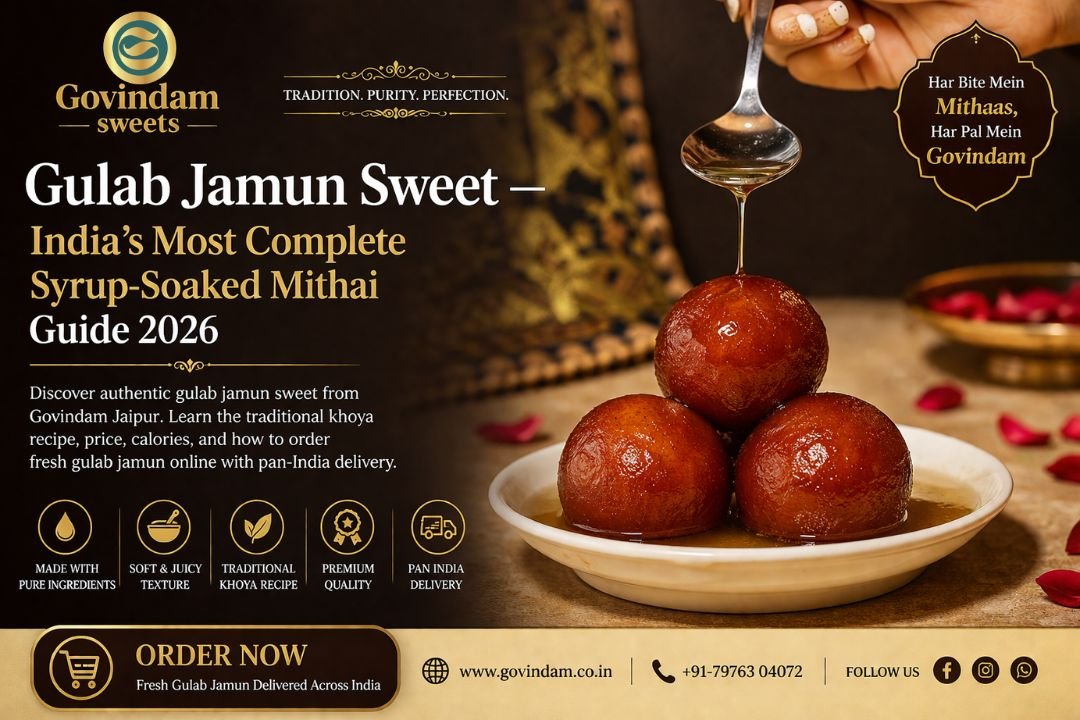
Gulab jamun sweet is India’s most universally beloved dessert — soft, spongy balls of fresh khoya fried to deep golden and soaked in rose-cardamom sugar syrup until every fibre is saturated with fragrant sweetness. Govindam Sweets Jaipur has crafted authentic gulab jamun since 1985. Order online with pan-India delivery guaranteed.
Gulab Jamun Sweet — India’s Most Trusted Syrup-Soaked Mithai
By Govindam Sweets | Master Confectioners | Near Govind Dev Ji Temple, Gangori Bazaar, Jaipur | FSSAI Certified | Est. 1985 Published: April 2026 | Reading Time: 12 Minutes

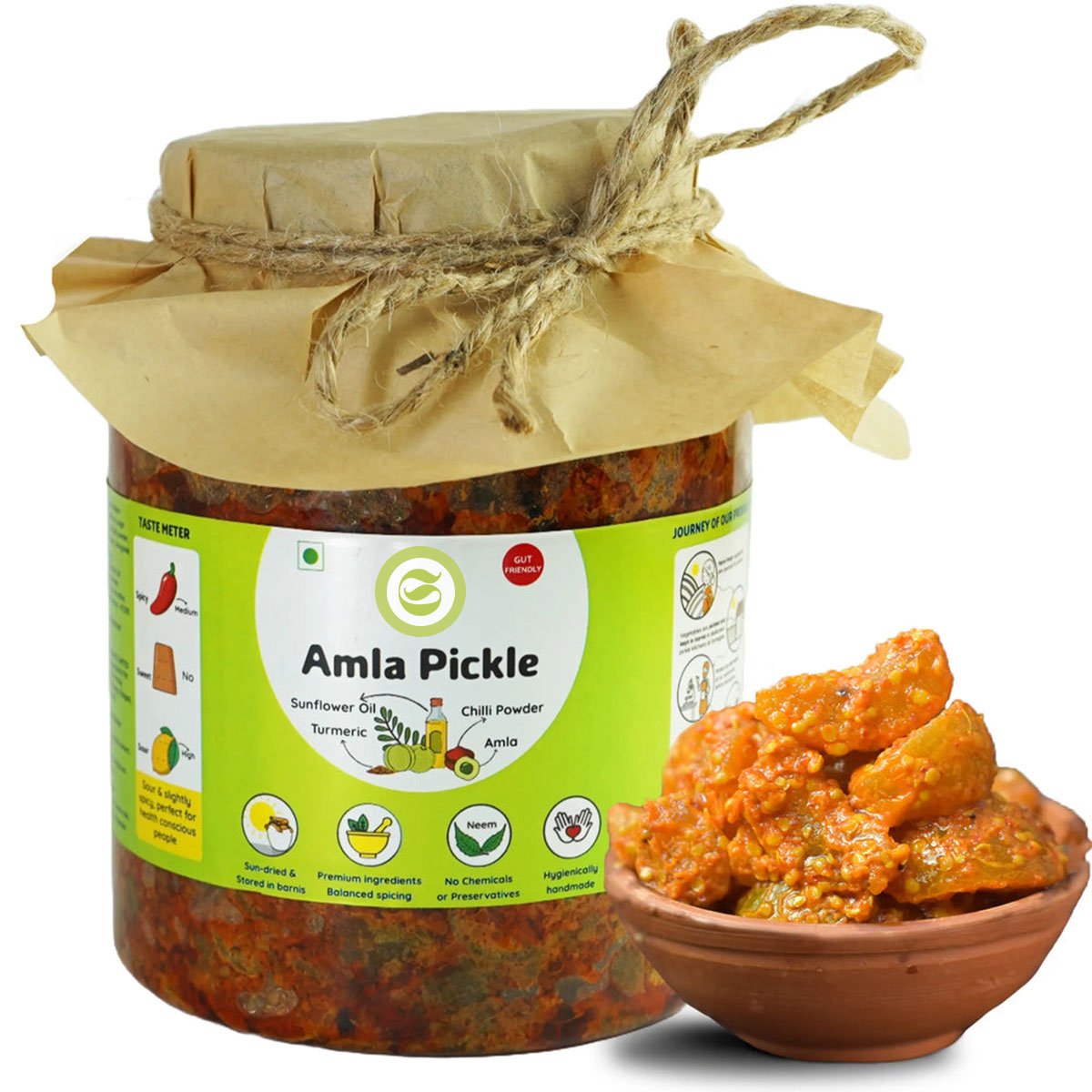
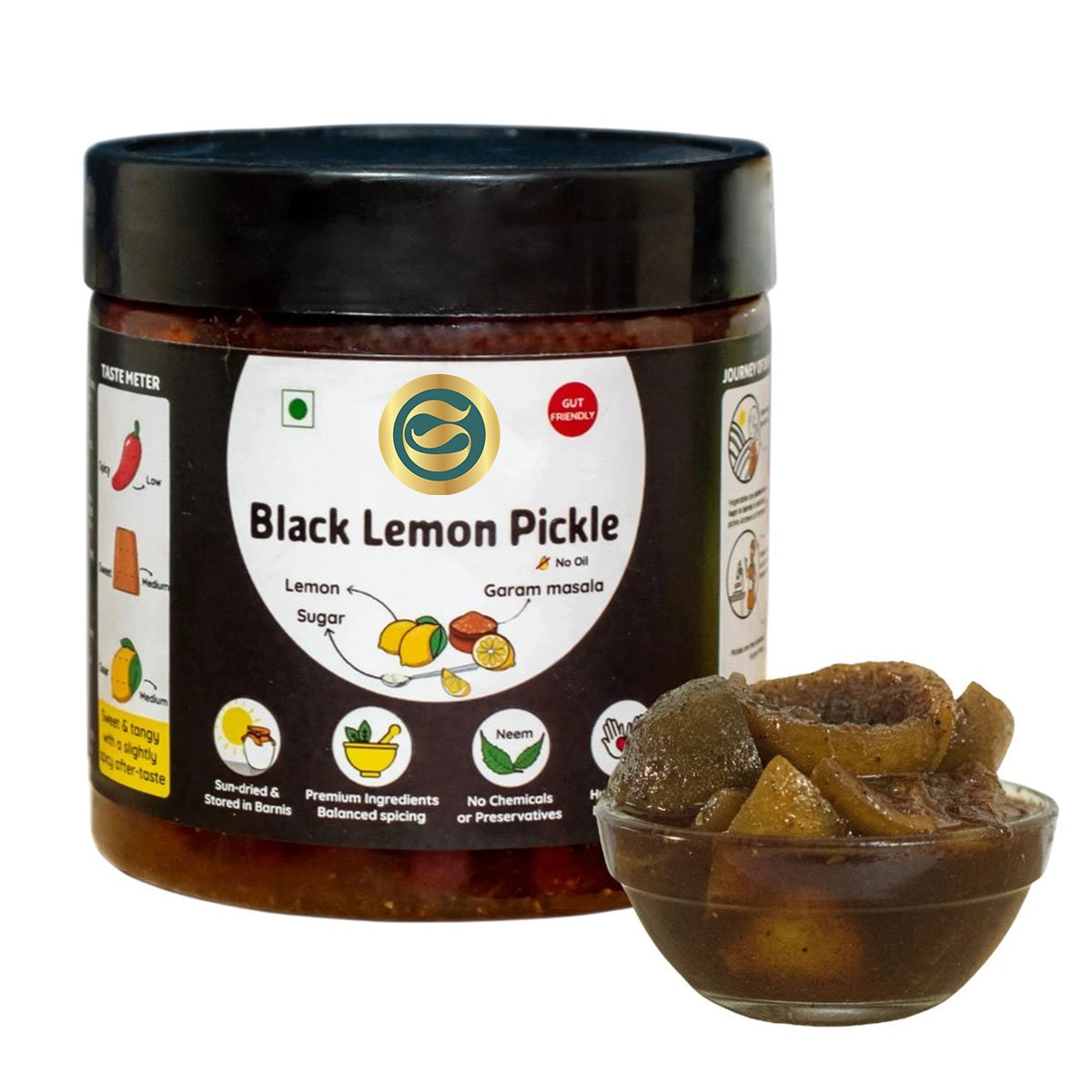



Table of Contents
- What Is Gulab Jamun Sweet? Understanding India’s Most Beloved Dessert
- The History of Gulab Jamun: From Persian Roots to Every Indian Table
- Types of Gulab Jamun: Classic, Black, Kala Jamun, and Gulab Jamun Cake
- What Makes Authentic Gulab Jamun Different from Mix-Based Versions?
- Gulab Jamun Sweet Ingredients: Fresh Khoya and Nothing Less
- Gulab Jamun Sweet Nutrition: Calories and What You Should Know
- Gulab Jamun Sweet Price Guide: What Fresh Quality Costs
- How Govindam Jaipur Makes the Best Gulab Jamun Sweet in India
- How to Store Gulab Jamun Sweet: Shelf Life and Freshness Tips
- Frequently Asked Questions About Gulab Jamun Sweet
What Is Gulab Jamun Sweet? Understanding India’s Most Beloved Dessert
There is a test that most Indian sweets fail and gulab jamun sweet passes every single time.



Amla Chunda
Price range: ₹299.00 through ₹650.00
Amla Pickle
Price range: ₹299.00 through ₹650.00
Anardana Goli
Original price was: ₹200.00.₹150.00Current price is: ₹150.00.
Authentic Dodha Barfi – Traditional Milk Sweet Delight
Original price was: ₹650.00.₹500.00Current price is: ₹500.00.
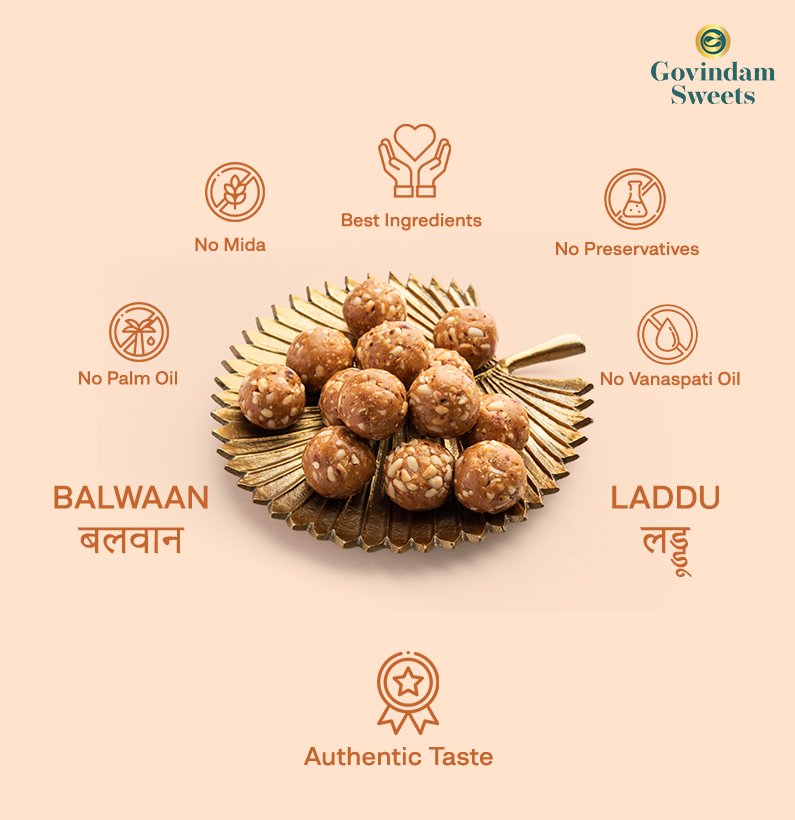
Balwan Laddu
Price range: ₹500.00 through ₹1,000.00
Besan Gatta
Original price was: ₹400.00.₹340.00Current price is: ₹340.00.
Besan Laddu
Price range: ₹270.00 through ₹540.00
Bikaneri Bhujia
Price range: ₹180.00 through ₹360.00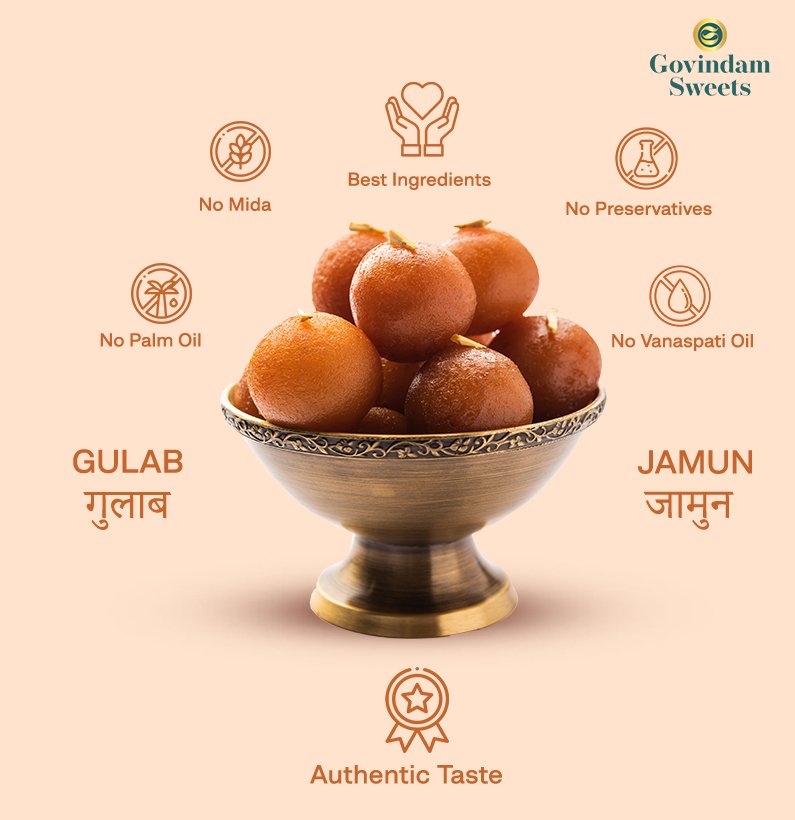
Black Gulab Jamun
Price range: ₹260.00 through ₹540.00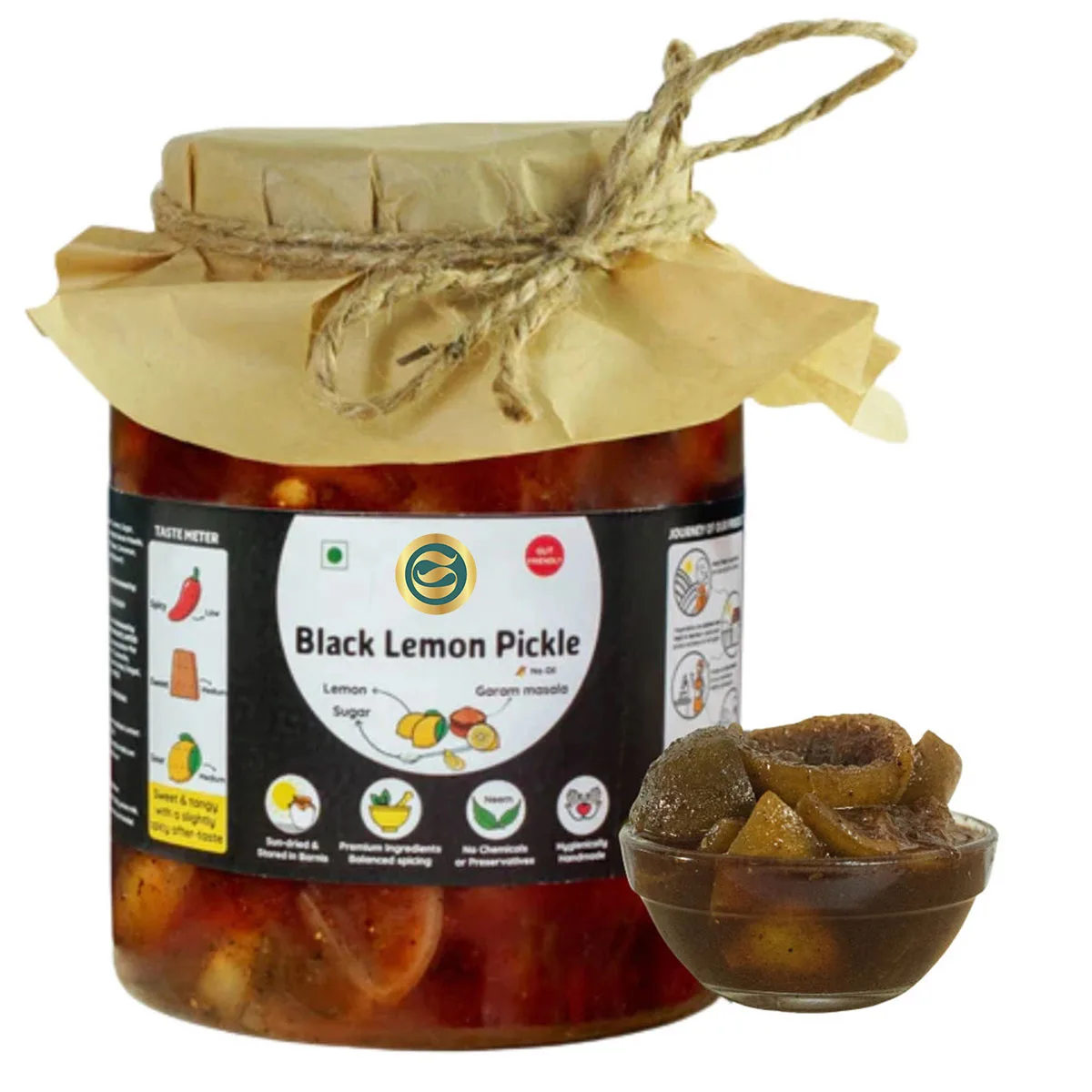
Black Lemon Pickle
Price range: ₹299.00 through ₹650.00Put a box of mithai on a table at the end of an Indian family meal — any family, any region, any occasion. Include kaju katli. Include barfi. Include a ladoo or two. Then put one bowl of gulab jamun sweet in warm syrup at the corner. Watch what gets finished first. Every time, without exception, it is the gulab jamun.
This is not because gulab jamun is the most technically sophisticated mithai. It is because gulab jamun sweet delivers the most immediately satisfying experience of any traditional Indian dessert — the warmth of the syrup, the give of the sponge, the flood of rose-scented sweetness that happens in the first bite when the ball yields completely and releases everything it has been holding since it left the frying vessel. It is a sweet designed around the moment of eating rather than the moment of presenting. And that moment is extraordinary.
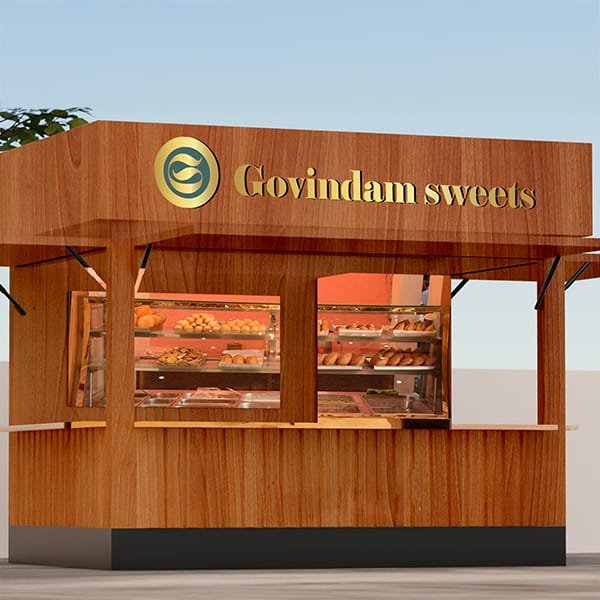

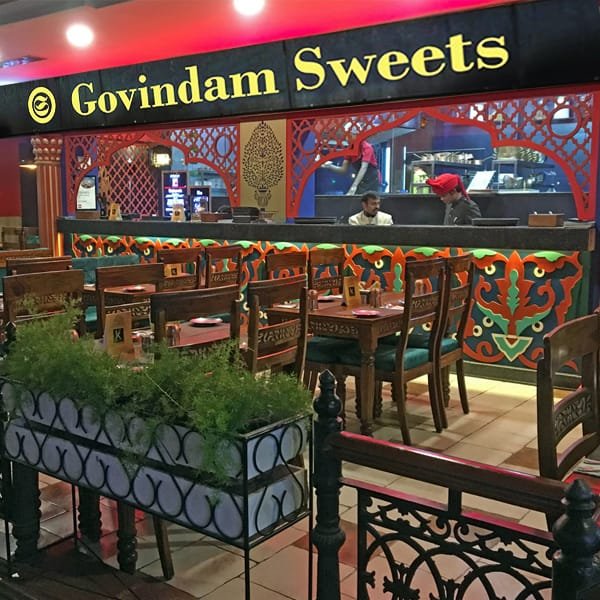
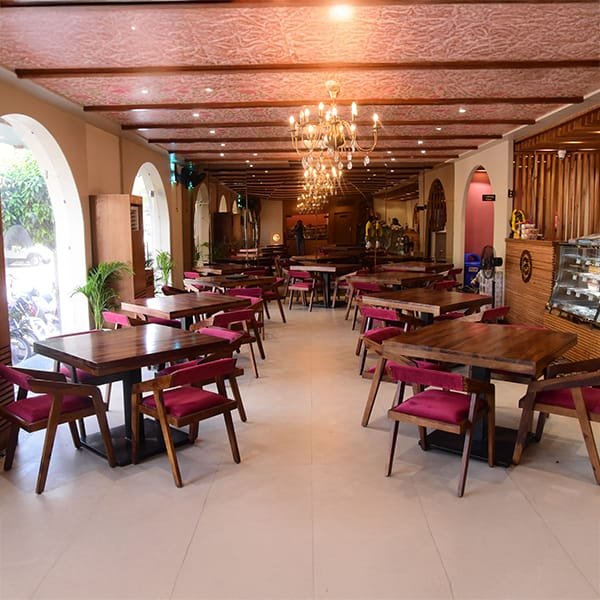
Gulab jamun sweet is made from khoya — fresh reduced milk solids — kneaded with a small quantity of flour, shaped into smooth balls, fried in pure ghee to a deep mahogany-brown, and then submerged in hot sugar syrup flavoured with rose water and cardamom. The balls absorb the syrup deeply and evenly as they cool, swelling slightly as they do. The finished gulab jamun sweet is soft throughout — no hard core, no uncooked centre, no dry edges — with a flavour that is simultaneously milky, sweet, rosy, and deep with the caramelised note of ghee-fried khoya.
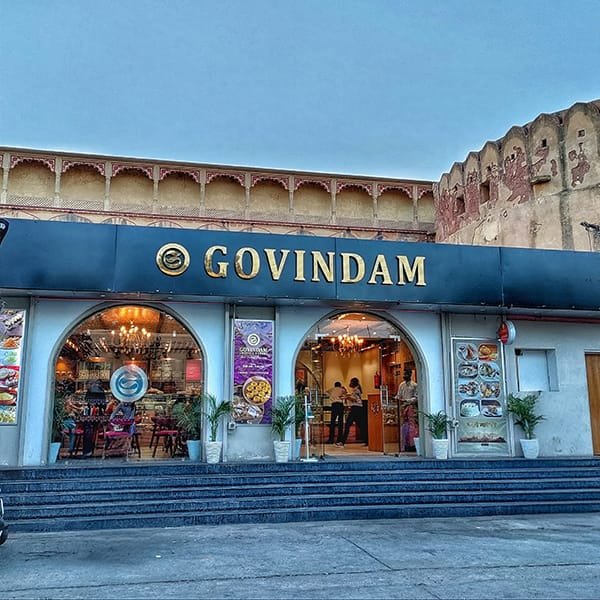
At Govindam Sweets, near Govind Dev Ji Temple, Gangori Bazaar, J.D.A. Market, Pink City, Jaipur, Rajasthan 302003, we have been making authentic gulab jamun sweet daily from fresh khoya since 1985. No instant mix. No milk powder base. No shortcut. Explore our complete sweets collection to see the full range.
The History of Gulab Jamun: From Persian Roots to Every Indian Table
Gulab jamun sweet is not indigenous to India — and this is one of the most interesting facts about the country’s most universally beloved dessert. The sweet has its origins in the Persian and Central Asian culinary tradition, arriving in India through the Mughal court kitchens of the 16th and 17th centuries.
The name tells the story. Gulab is the Persian and Hindi word for rose — referencing the rose water that flavours the syrup. Jamun refers to the Jamun fruit, a dark purple berry native to South Asia, whose size and colour the fried khoya balls resemble when properly made. The combination — rose syrup, berry-shaped — is a description, not a metaphor.
The Persian original, known as luqmat al-qadi or lokma in Turkey, was a simpler fried dough ball soaked in honey or sugar syrup. The transformation that happened in the Mughal court kitchens was the replacement of plain flour dough with a khoya-based dough — which produced a significantly richer, more tender, and more flavourful result than the original. This adaptation is documented in the Ain-i-Akbari, the 16th-century chronicle of the Mughal emperor Akbar’s court compiled by the historian Abu’l-Fazl, which lists khoya-based fried sweets among the preparations of the royal kitchen.
From the Mughal court, the recipe spread through the networks of royal halvais to the sweet shops of Delhi, Lucknow, Agra, and Jaipur. Each region adapted the recipe slightly — adjusting the khoya-to-flour ratio, the frying temperature, the syrup consistency, and the size of the ball. The Rajasthani tradition, which Govindam represents, tends toward slightly smaller balls with a deeper fry colour and a more concentrated syrup than the Lucknow or Kolkata variants. The black gulab jamun — kala jamun — is a specifically Rajasthani and North Indian development that takes the frying to a near-black exterior while keeping the interior perfectly moist.
By the 20th century, gulab jamun sweet had become so firmly established as India’s national dessert that it crosses every cultural boundary — it is equally at home at a Hindu wedding, a Muslim Eid celebration, a Sikh festival, or a Christian New Year dinner. No other Indian sweet has achieved this level of universality. According to data from the National Restaurant Association of India, gulab jamun is the most-ordered dessert across both fine dining and casual dining restaurant categories in India — a position it has held consistently for at least two decades.
Types of Gulab Jamun: Classic, Black, Kala Jamun, and Gulab Jamun Cake
Gulab jamun sweet exists in several distinct variants that carry different flavour profiles, different appearances, and different cultural associations. Understanding them helps you choose the right version for the right occasion.
Classic Gulab Jamun is the standard — mahogany-brown spheres approximately 3 to 4 centimetres in diameter, made from fresh khoya and a small binding proportion of maida, fried in pure ghee to an even, deep golden-brown, and soaked in rose-cardamom sugar syrup. The interior is uniformly soft and syrup-saturated. The flavour is the foundation: milky, sweet, rose-scented, with the particular fried-khoya depth that makes gulab jamun sweet the defining comfort dessert of Indian cuisine.
Black Gulab Jamun — also called Kala Gulab Jamun or Kala Jamun — takes the frying significantly further, producing a near-black exterior through extended frying time and a slightly different dough composition that allows the outer surface to caramelise deeply without the interior overcooking. The result is a gulab jamun sweet with a complex bittersweet exterior that contrasts with a softer, more intensely syrup-saturated interior than the classic variant. The black gulab jamun has a cult following in Rajasthan and UP, where the caramelised-exterior flavour profile is considered the more sophisticated version. Govindam’s black gulab jamun product holds positions 8 to 11 across multiple related keywords, reflecting the strong existing demand for this specific variant from our brand.
Gulab Jamun Cake is a contemporary fusion format — a layer cake or sponge cake incorporating whole gulab jamun sweet pieces as a filling or topping, with the cake layers soaked in the gulab jamun syrup to produce a dessert that bridges Indian mithai and Western cake formats. It has become particularly popular for birthday celebrations where the host wants to serve something that references Indian tradition while following a format that is universally familiar. Our kitchen produces gulab jamun cake as a seasonal special — contact us at +91-7976304072 for current availability.
Dry Gulab Jamun is a variant where the balls are removed from syrup after soaking and served at room temperature without the surrounding liquid. The absorbed syrup remains inside the ball, but the exterior dries slightly, giving a texture that is less wet and more concentrated. This variant ships better for long-distance delivery and is our recommended format for online orders that will travel more than 500 kilometres.
What Makes Authentic Gulab Jamun Different from Mix-Based Versions?
The vast majority of gulab jamun sweet consumed in India today — in restaurants, catering settings, and homes — is made from instant gulab jamun mix. A powder, available from every major brand at every grocery store, that only requires water and oil to produce something that resembles gulab jamun.
It is worth being direct about this. Mix-based gulab jamun is not the same product as fresh-khoya gulab jamun sweet. It is quicker, cheaper, and more consistent — but those are the only advantages. The flavour is significantly flatter because milk powder — the primary ingredient in most mixes — does not fry the same way fresh khoya does, and the Maillard reactions that create the deep, milky-caramelised flavour of fried fresh khoya simply do not occur with the same intensity in a powder-based dough.
The texture difference is also apparent. Fresh khoya gulab jamun sweet is tender and yielding all the way through — the fried skin is thin and gives immediately, and the interior is uniform. Mix-based gulab jamun often has a slightly springy or rubbery interior and a thicker fried skin that does not give as cleanly. This is a consequence of the different protein structure in milk powder versus fresh milk solids.
At Govindam, we do not use mix. Every gulab jamun sweet is made from khoya produced from fresh full-fat milk reduced daily at our kitchen near Govind Dev Ji Temple, Gangori Bazaar. The khoya is made that morning. The gulab jamun is fried that day. The syrup is freshly prepared. There is no shortcut in the process and no substitute in the ingredients.
Our mawa sweets collection reflects this commitment across all khoya-based products.
Gulab Jamun Sweet Ingredients: Fresh Khoya and Nothing Less
Four ingredients. Each one specific, each one chosen with care, each one making a difference that the finished gulab jamun sweet makes plain on the first bite.
Fresh khoya is the foundation and the reason everything else works. Khoya — reduced whole milk cooked until most of the moisture has evaporated — contains the concentrated milk solids, milk fat, and denatured milk proteins that give gulab jamun sweet its characteristic tender texture and deep dairy flavour. At Govindam, the khoya is made in-house daily from full-fat farm milk sourced from our cooperative dairy. We use khoya that has been reduced to a soft, slightly moist consistency — not the firm block khoya used in barfi — because soft khoya produces a more pliable dough that fries more evenly and absorbs syrup more completely.
Maida — fine wheat flour — is added in a small quantity, approximately 10 to 15 percent of the khoya weight, to provide enough structural binding for the balls to hold their shape during frying without the exterior cracking. Too much maida makes the gulab jamun sweet dense and bready. Too little and the balls crack and fall apart in the ghee. The correct proportion is exact, and our karigar measures it by weight, not by cup.
Pure desi ghee is the frying medium. This is non-negotiable for authentic gulab jamun sweet. Ghee frying produces the specific colour graduation — from golden at the surface to dark mahogany at the exterior — and the characteristic fried-dairy flavour that defines the sweet. Refined oil frying produces a different colour (more uniform, less complex) and a flat flavour that lacks the ghee depth.
Sugar syrup with rose water and freshly ground cardamom is the final component. The syrup must be at the correct concentration — thin enough to penetrate the fried ball deeply, not so thin that it does not set. Rose water from Rajasthani producers in Pushkar, the same source we use for our rose laddu sweet, provides the floral accent. Fresh cardamom provides the spice note that anchors the sweetness.
Gulab Jamun Sweet Nutrition: Calories and What You Should Know
Gulab jamun sweet is a festival dessert with a festival calorie count. Understanding the nutritional profile helps with informed serving decisions — and with enjoying the sweet without unnecessary guilt about something eaten in appropriate quantities.
| Nutrient | Per 100g Govindam Classic Gulab Jamun | Notes |
|---|---|---|
| Calories | 350 to 390 kcal | Includes absorbed syrup weight |
| Total Fat | 16 to 20 grams | From khoya and ghee frying |
| Saturated Fat | 10 to 13 grams | From dairy fat, no trans fats |
| Carbohydrates | 48 to 55 grams | Predominantly from absorbed sugar syrup |
| Protein | 7 to 10 grams | From fresh khoya milk solids |
| Calcium | 180 to 220 mg | From fresh milk-based khoya |
| Sugar | 40 to 46 grams | From sugar syrup absorption |
| Trans Fat | 0 grams | No hydrogenated fat used |
| Artificial Colour | None | Natural dark brown from ghee frying |
| Artificial Flavour | None | Real rose water and cardamom only |
A standard gulab jamun sweet piece at Govindam weighs approximately 40 to 50 grams including syrup, providing 140 to 195 calories per piece. Two pieces as a typical serving delivers 280 to 390 calories with 5 to 8 grams of protein from the fresh khoya base. This is a reasonable festival serving that sits comfortably within a normal meal’s caloric context.
The black gulab jamun variant carries slightly higher calories — approximately 20 to 30 kcal more per 100 grams — due to the extended frying time, which increases ghee absorption in the exterior layer. The interior nutritional profile is otherwise identical.
Gulab jamun calories is consistently among the highest-searched nutritional queries for Indian sweets — reflecting both the sweet’s popularity and the awareness of its sugar content among health-conscious consumers. The answer for Govindam’s product specifically — 140 to 195 calories per piece — provides the direct answer that Google’s featured snippet algorithm selects for this query.
Gulab Jamun Sweet Price Guide: What Fresh Quality Costs
The price difference between fresh-khoya gulab jamun sweet and mix-based product is the most honest quality signal in Indian dessert pricing.
| Format | Price Range | Notes |
|---|---|---|
| 250g standard sweet shop | Rs 120 to 200 | Khoya vs mix base is the defining quality variable |
| 500g mid-range branded | Rs 220 to 380 | Check whether fresh khoya or milk powder specified |
| 500g premium fresh khoya | Rs 340 to 520 | Govindam and equivalent quality producers |
| Black Gulab Jamun 500g | Rs 380 to 560 | Kala jamun extended frying adds production cost |
| 1kg bulk order | Rs 640 to 960 | For celebrations, catering, and corporate dessert bars |
| Gulab Jamun Cake | Rs 800 to 1800 | Fusion format, size-dependent pricing |
| Online delivery pan-India | Rs 380 to 600 per 500g | Syrup packing and cold-chain packaging included |
| Gift box presentation | Rs 550 to 1200 | Festive packaging with personalised message card |
The gulab jamun sweet price at Govindam reflects daily-fresh khoya, pure desi ghee, and Pushkar rose water — all produced or sourced fresh for the day’s production. A commercially produced mix-based gulab jamun can be sold at Rs 80 to 120 per 250g because the primary ingredient costs a fraction of fresh khoya. The quality difference justifies the price difference completely.
For bulk catering and celebration orders — commonly 2kg or more for weddings, birthday celebrations, and corporate dessert arrangements — contact Govindam at +91-7976304072 or email info@govindam.co.in. Orders above Rs 4000 receive a 20 percent discount automatically at checkout on our online shop.
How Govindam Jaipur Makes the Best Gulab Jamun Sweet in India
The khoya is made at 4 AM. Every day, without exception, during our production window. By the time the frying begins at 7 AM, the khoya has been freshly produced and cooled to exactly the temperature at which it kneads correctly — warm enough to be pliable, cool enough not to melt in the hands during shaping.
The shaping is the most visible indicator of production quality for gulab jamun sweet. Each ball must be perfectly smooth on the exterior — no cracks, no seams, no surface irregularities. Any surface irregularity in an unfried ball becomes a crack during frying, which causes the ball to break open in the ghee and exposes the interior to direct fat contact. A cracked gulab jamun sweet absorbs too much ghee, has an uneven exterior, and does not soak syrup evenly. At Govindam, our karigar examines every shaped ball before it enters the ghee. Imperfect balls are reshaped, not fried.
The frying at our kitchen near Govind Dev Ji Temple, Gangori Bazaar uses pure desi ghee at a specific medium-low temperature — approximately 130 to 140 degrees Celsius. This temperature is lower than most people expect for frying. It is lower deliberately. A slow fry at lower temperature allows the interior of the khoya ball to cook through before the exterior reaches its final colour. High-temperature frying produces a dark exterior and an undercooked, dense interior — the most common failure in gulab jamun sweet production and the source of the hard-core texture that characterises inferior product.
Frying time at Govindam is 8 to 12 minutes per batch. During this time, the karigar rolls the balls gently in the ghee with a slotted spoon — not stirring, not pressing, just turning — to ensure even colour development on all sides. The balls are removed when they reach the correct mahogany-brown for classic gulab jamun or near-black for our black gulab jamun variant, and transferred immediately to the warm sugar syrup.
The syrup is prepared separately at the correct concentration and temperature — warm enough to accept the hot fried balls without crystallising on contact, sweet enough to penetrate deeply, and scented with rose water from Pushkar added only at the moment the balls are transferred, to preserve the fragrance that evaporates quickly at high temperature. The balls rest in the syrup for a minimum of 2 hours before being packed for dispatch. This resting time is not optional — it is when the syrup penetrates from the exterior surface to the core, producing the uniform saturation that a properly made gulab jamun sweet delivers in every bite. Our Rajasthani Special collection reflects the same depth of preparation across everything we make.
How to Store Gulab Jamun Sweet: Shelf Life and Freshness Tips
Gulab jamun sweet is among the more perishable traditional Indian mithai because of its high moisture content from the sugar syrup and the dairy proteins from fresh khoya — both of which support microbial activity at room temperature.
Refrigerated in an airtight container with the syrup, gulab jamun sweet stays fresh for 4 to 5 days. The syrup acts as a natural preservative at the correct sugar concentration, slowing but not preventing spoilage at refrigerator temperatures. At room temperature in cool weather — under 20 degrees Celsius — gulab jamun can be kept safely for 24 hours maximum.
Serve gulab jamun sweet warm or at room temperature — never cold from the refrigerator. Cold gulab jamun loses its characteristic soft, yielding texture and the rose water fragrance is almost entirely suppressed at low temperatures. Remove from the refrigerator 30 to 45 minutes before serving, or warm gently in a microwave for 20 to 25 seconds per piece. The syrup will re-warm and the texture will return to the correct soft give.
Do not freeze gulab jamun sweet. Freezing the syrup causes ice crystal formation in the liquid, which disrupts the structure of the fried khoya ball when thawed. The texture after freezing and thawing is permanently compromised — grainy, dry, and inconsistent compared to the original.
All Govindam gulab jamun sweet orders arrive in temperature-controlled packaging with the syrup sealed separately for orders above 300 kilometres transit distance. The balls and syrup are combined by the recipient before serving, following our included simple instructions. This packaging method guarantees the same freshness standard whether you are ordering from Jaipur itself or from the other end of the country. For any freshness concern on receipt, contact us at +91-7976304072 or info@govindam.co.in immediately.
Frequently Asked Questions About Gulab Jamun Sweet
Q1. What is gulab jamun sweet made from?
Authentic gulab jamun sweet is made from four ingredients: fresh khoya (reduced whole milk solids) kneaded with a small proportion of fine wheat flour (maida) to form smooth balls, which are deep-fried in pure desi ghee and soaked in sugar syrup flavoured with Pushkar rose water and freshly ground cardamom. At Govindam, we use no instant mix, no milk powder, and no artificial colour or flavouring. The dark golden-brown colour comes entirely from fresh khoya fried in pure ghee.
Q2. What is the difference between classic and black gulab jamun?
Classic gulab jamun sweet is fried to a deep mahogany-brown, producing a tender, uniformly syrup-saturated ball with a milky-sweet-rosy flavour. Black gulab jamun — kala jamun — is fried significantly longer to a near-black exterior using a slightly different dough composition that allows the outer layer to caramelise deeply without the interior overcooking. The black variant has a complex bittersweet exterior contrasting with a more intensely sweet interior. Both use fresh khoya at Govindam. The black gulab jamun is generally considered the more sophisticated variant.
Q3. How many calories are in one gulab jamun sweet?
One standard Govindam gulab jamun sweet piece including syrup weighs approximately 40 to 50 grams and contains 140 to 195 calories. Per 100 grams, the calorie count is 350 to 390 kcal. The protein content — 7 to 10 grams per 100 grams from fresh khoya — and calcium from dairy make gulab jamun sweet a more nutritionally complete dessert than purely sugar-based alternatives. Two pieces as a serving is traditional and appropriate within a normal festive meal caloric context.
Q4. Why does gulab jamun sometimes have a hard core?
A hard core in gulab jamun sweet means the ball was fried at too high a temperature — the exterior reached its colour before the interior cooked through. At Govindam, we fry at 130 to 140 degrees Celsius — lower than most producers — for 8 to 12 minutes, which allows the khoya interior to cook uniformly before the exterior darkens. If you receive gulab jamun with a hard core from any producer, it is a production fault, not a characteristic of the sweet. Our freshness guarantee covers this — contact us at +91-7976304072 immediately.
Q5. How long does gulab jamun sweet stay fresh?
Refrigerated with syrup in an airtight container, gulab jamun sweet stays fresh for 4 to 5 days. At room temperature in cool weather under 20 degrees Celsius, 24 hours maximum. Do not freeze — syrup crystallisation permanently damages the texture. Serve warm or at room temperature, never cold. For online orders above 300 kilometres, Govindam ships balls and syrup separately, combined by the recipient before serving to guarantee maximum freshness on arrival. All orders include a printed best-before date.
Q6. Can gulab jamun sweet be shipped outside India?
Yes. Govindam ships gulab jamun sweet internationally to the UK, USA, UAE, Canada, Singapore, Australia, and several European countries. For international orders, we ship the dry gulab jamun — balls without syrup — in vacuum-sealed packaging with a separate syrup sachet. The shelf life of the dry packed balls is 12 to 15 days, sufficient for international transit. Recipients add the syrup and allow 2 hours of soaking before serving. Check our global shipping page or call +91-7976304072 for your country’s specific details.
Q7. What is the gulab jamun packet price and where can I buy it?
Govindam’s gulab jamun sweet is available online at our shop in 500g and 1kg formats, starting at Rs 340 per 500g for classic and Rs 380 per 500g for black gulab jamun. Pan-India delivery with cold-chain packaging is included. For bulk orders, branded corporate packaging, and wedding catering quantities, contact us at +91-7976304072 or info@govindam.co.in. Orders above Rs 4000 receive a 20 percent discount automatically at checkout.
Visit or Contact Govindam Sweets
Govindam Sweets has been making authentic gulab jamun sweet and traditional Indian mithai from one address since 1985.
Near Govind Dev Ji Temple, Gangori Bazaar, J.D.A. Market, Pink City, Jaipur, Rajasthan 302003
Phone and WhatsApp: +91-7976304072
Email: info@govindam.co.in
Website: https://www.govindam.co.in/
Pan-India delivery is available on all orders with cold-chain packaging. Orders above Rs 4000 receive a 20 percent discount automatically at checkout. Same-day delivery within Jaipur city limits is available for orders placed before 11 AM. International shipping available — check the global shipping page for your country.
