
Posts
Rasgulla Sweet — India’s Most Complete Bengali Chenna Mithai Guide 2026


Rasgulla sweet is India’s most celebrated Bengali confection — a spongy, snow-white chenna ball simmered in light sugar syrup until it swells, softens, and absorbs sweetness through every fibre. Govindam Sweets Jaipur has crafted authentic rasgulla and India’s most distinctive pink rasgulla since 1985. Order online with pan-India delivery guaranteed.
Rasgulla Sweet — India’s Most Trusted Bengali Chenna Mithai
By Govindam Sweets | Master Confectioners | Near Govind Dev Ji Temple, Gangori Bazaar, Jaipur | FSSAI Certified | Est. 1985 Published: April 2026 | Reading Time: 12 Minutes

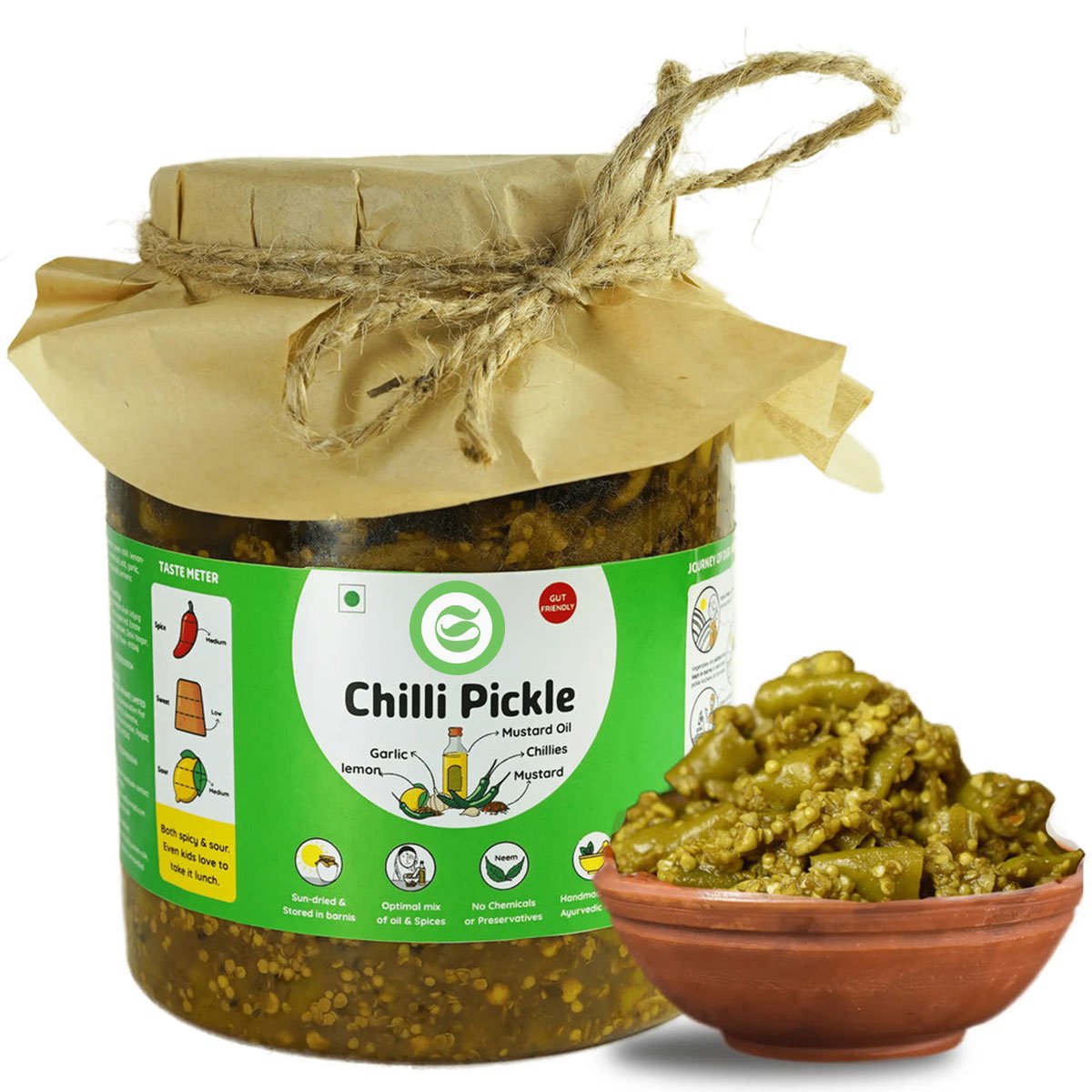
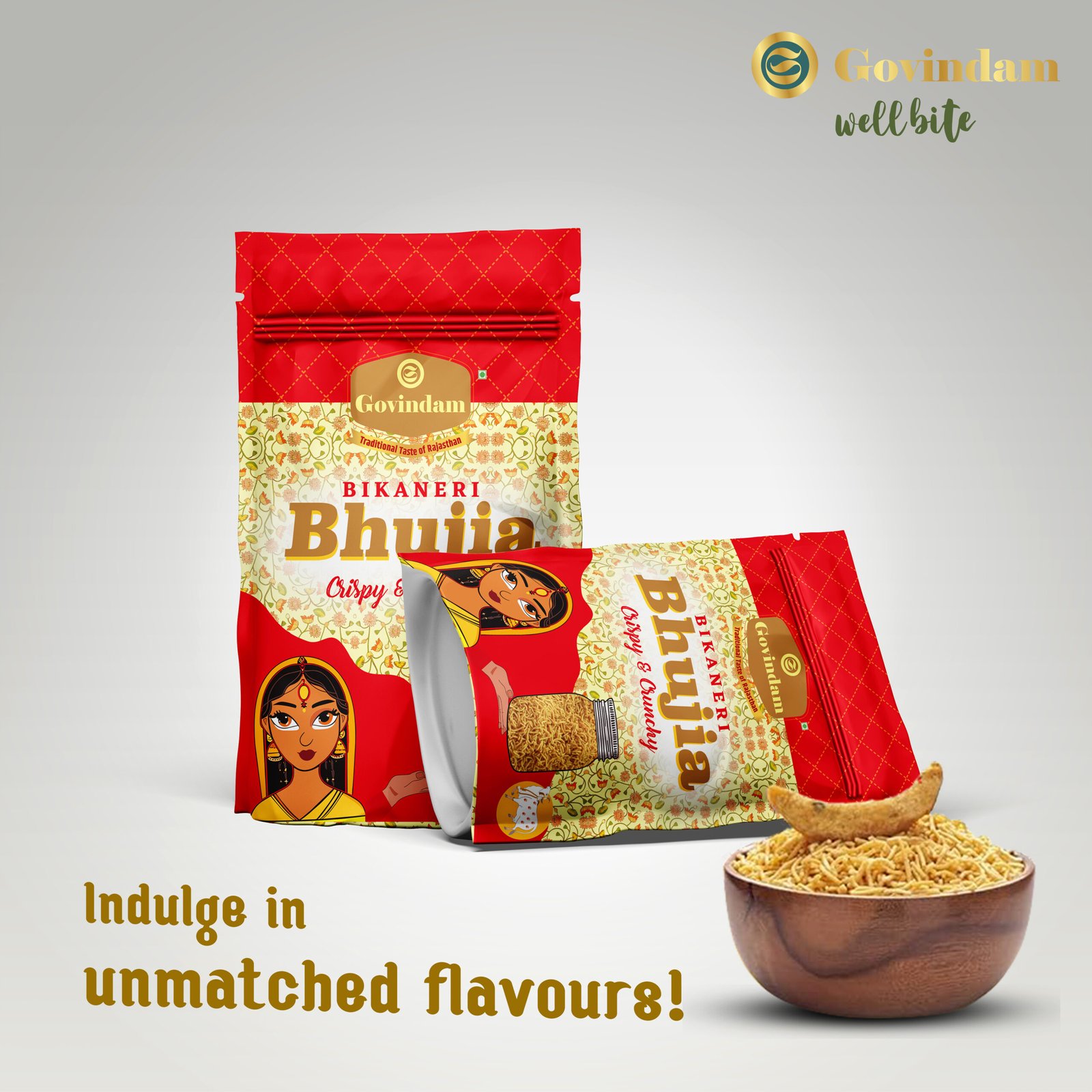
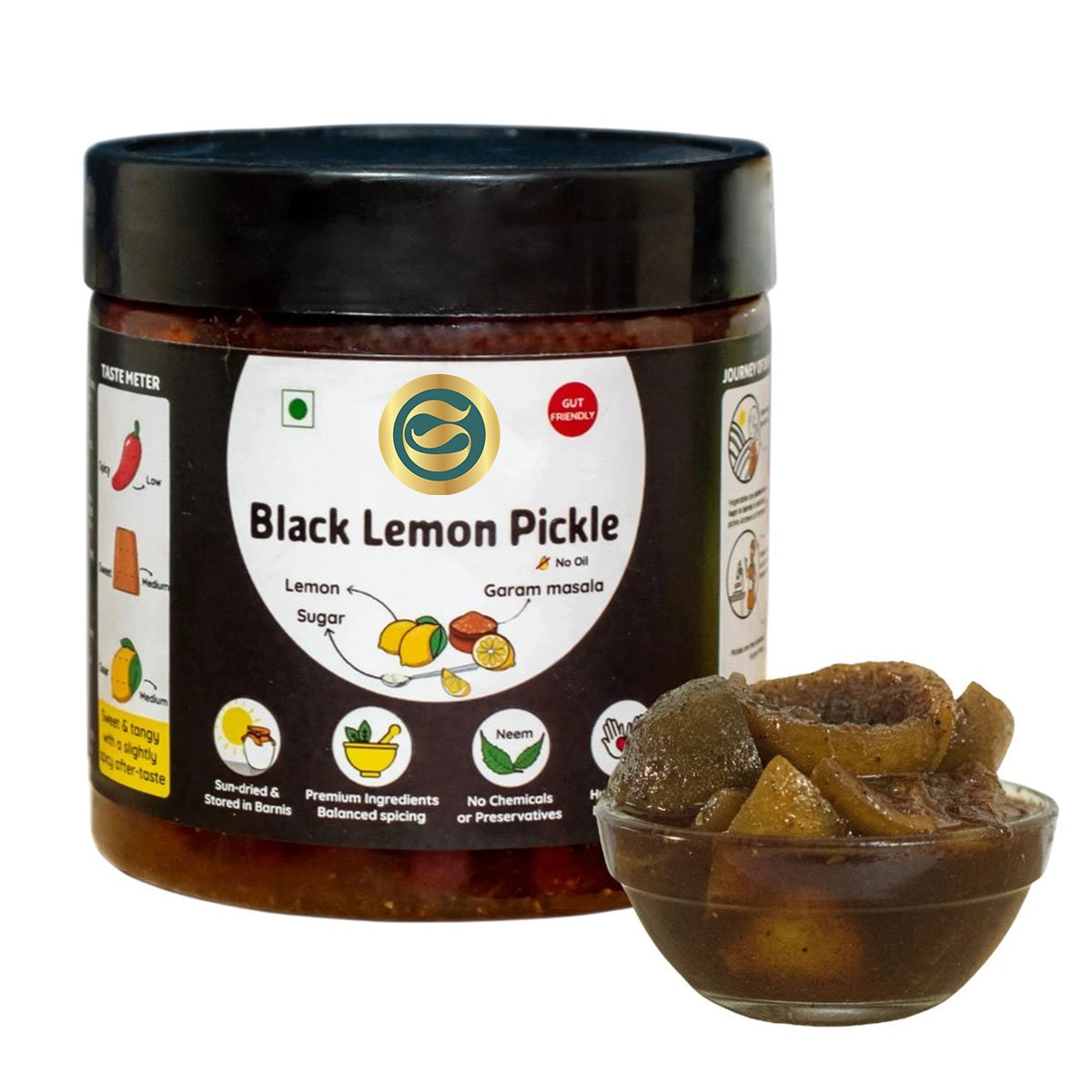



Table of Contents
- What Is Rasgulla Sweet? India’s Most Debated and Most Beloved Mithai
- Rasgulla Is Famous in Which State? The Origin Story Settled
- Types of Rasgulla Sweet: Classic, Pink, Baked, White, and Bengali Variants
- What Makes Authentic Rasgulla Different from Inferior Versions?
- Rasgulla Sweet Ingredients: Fresh Chenna and Precise Timing
- Rasgulla Sweet Nutrition: Calories, Protein, and Health Profile
- Rasgulla Sweet Price Guide: What Fresh Chenna Quality Costs
- How Govindam Makes India’s Most Famous Pink Rasgulla Sweet
- How to Store Rasgulla Sweet: Shelf Life and Freshness Guide
- Frequently Asked Questions About Rasgulla Sweet
What Is Rasgulla Sweet? India’s Most Debated and Most Beloved Mithai
India has argued about many things. Cricket captaincy selection. Film awards. The correct way to make biryani. But none of these arguments has the specific passion and historical gravity of the rasgulla debate — the question of which state, West Bengal or Odisha, can legitimately claim to have invented rasgulla sweet.



Amla Chunda
Price range: ₹299.00 through ₹650.00
Amla Pickle
Price range: ₹299.00 through ₹650.00
Anardana Goli
Original price was: ₹200.00.₹150.00Current price is: ₹150.00.
Authentic Dodha Barfi – Traditional Milk Sweet Delight
Original price was: ₹650.00.₹500.00Current price is: ₹500.00.
Balwan Laddu
Price range: ₹500.00 through ₹1,000.00
Besan Gatta
Original price was: ₹400.00.₹340.00Current price is: ₹340.00.
Besan Laddu
Price range: ₹270.00 through ₹540.00
Bikaneri Bhujia
Price range: ₹180.00 through ₹360.00
Black Gulab Jamun
Price range: ₹260.00 through ₹540.00
Black Lemon Pickle
Price range: ₹299.00 through ₹650.00This debate has involved state governments, the Geographical Indication Registry of India, academic historians, food scientists, and the Supreme Court. It has been covered by international media as a serious cultural dispute. And it has produced, in both states, an intensification of local pride in rasgulla sweet that has made this single confection one of the most culturally loaded foods in India.
Rasgulla sweet is a spongy ball of fresh chenna — acid-set cottage cheese made from full-fat cow’s milk — kneaded until smooth, shaped into small spheres, and simmered in a thin sugar syrup until the balls swell to approximately twice their original size, become uniformly soft throughout, and absorb the syrup from exterior to core. When eaten fresh, a properly made rasgulla sweet collapses immediately against the palate, releasing a rush of clean, lightly sweet, faintly floral syrup. The flavour is delicate — not rich, not heavy, not complex in the way khoya sweets are complex. It is the flavour of very fresh dairy, lightly sweetened, with a specific spongy texture that has no equivalent elsewhere in the sweet tradition.

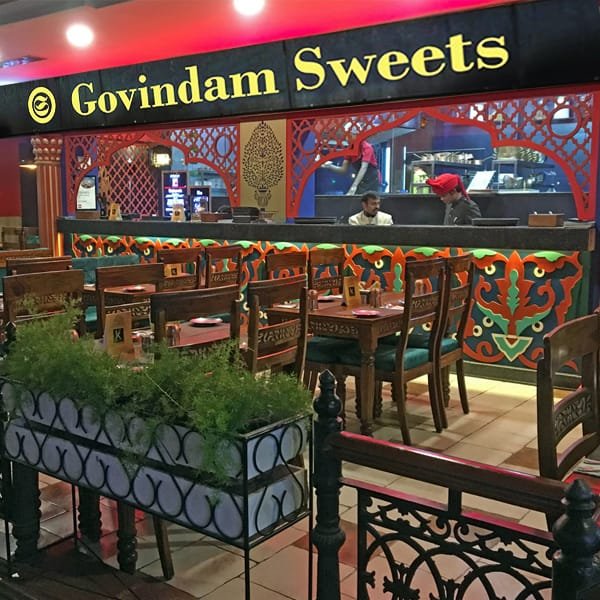
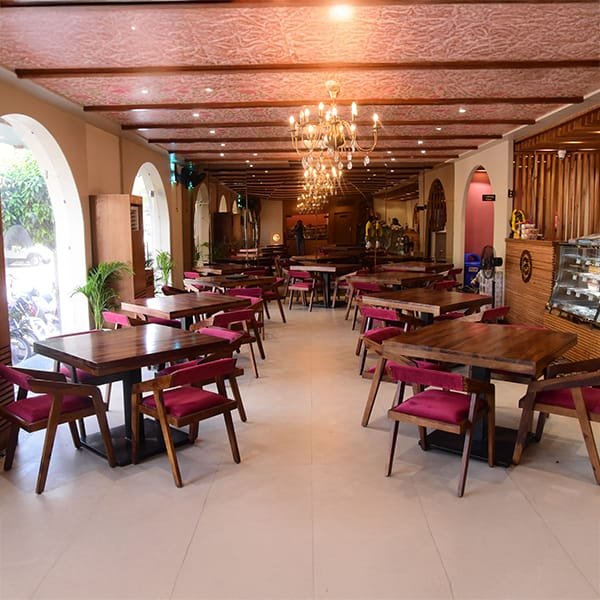
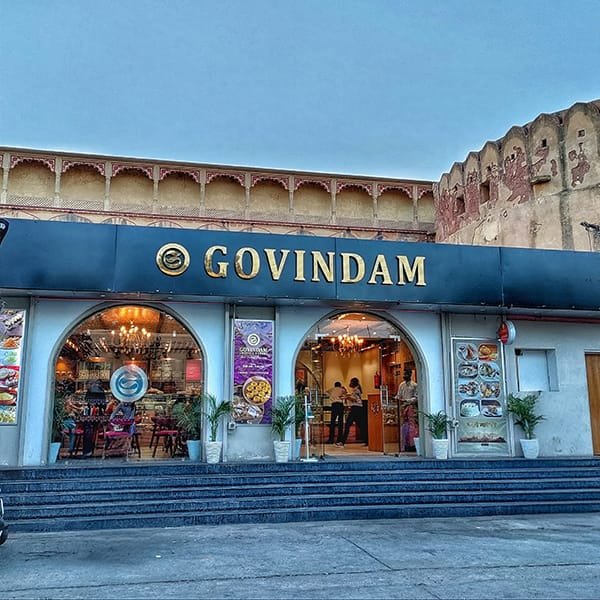
At Govindam Sweets, near Govind Dev Ji Temple, Gangori Bazaar, J.D.A. Market, Pink City, Jaipur, Rajasthan 302003, we have been making authentic rasgulla sweet from fresh daily chenna since 1985. And our signature pink rasgulla — naturally coloured with rose and beet extract — holds position 2 nationally on Google, the strongest non-branded organic ranking in our entire website. Visit our pink rasgulla product page to order directly.
Rasgulla Is Famous in Which State? The Origin Story Settled
The short answer to the question rasgulla is famous in which state is: West Bengal and Odisha both claim it, both have historical evidence, and the Geographical Indication Registry eventually awarded separate GIs to both states for different versions of the sweet. The long answer is more interesting.
The Bengali claim centres on Nobin Chandra Das, a confectioner from Kolkata’s Bagbazar neighbourhood who is credited with creating the specific spongy, syrup-simmered version of rasgulla sweet that India knows today, in approximately 1868. Das’s descendants still operate a sweet shop in Kolkata, and the recipe he is credited with creating — fresh chenna pressed firm, shaped into balls, and simmered in sugar syrup — is structurally identical to what the rest of India recognises as rasgulla.
The Odishan claim is older. Temple records from the Jagannath Temple in Puri, dating to at least the 12th century, describe a sweet called khira mohana made from fresh chhena — the Odishan word for chenna — used as a temple offering. Whether this ancient chhena sweet is the same product as modern rasgulla sweet, or a related but distinct preparation, is the core of the dispute.
The Geographical Indication Registry’s resolution — granting a GI tag for Banglar Rasogolla to West Bengal in 2017 and a GI tag for Odisha Rasagola to Odisha in 2019 — essentially acknowledged that both traditions are legitimate and distinct. The Bengali version is typically softer, spongier, and simpler in syrup. The Odishan version, particularly the Pahala rasgulla, tends to be more complex in flavour with a slightly denser texture.
According to the Geographical Indication Journal of India, both GI applications cited unique production techniques as the basis for their respective registrations — confirming that rasgulla sweet, despite its simple ingredient list, has genuine regional variation that matters to both taste and cultural identity.
Types of Rasgulla Sweet: Classic, Pink, Baked, White, and Bengali Variants
Rasgulla sweet exists in a range of forms that extend far beyond the classic white ball that most people picture when they hear the name. Understanding the variants helps you choose the right type for the right occasion and recipient.
Classic White Rasgulla is the foundation — snow-white chenna balls simmered in plain sugar syrup, served at room temperature or chilled. The flavour is clean and uncomplicated: fresh dairy, light sweetness, nothing added to distract from the chenna quality itself. This is the rasgulla sweet by which confectioners are judged — the plain version has nowhere to hide any deficiency in the chenna, the shaping, or the simmering.
Pink Rasgulla is Govindam’s most celebrated product and the sweet for which we are most nationally known. Our pink rasgulla sweet uses fresh chenna simmered in a syrup naturally coloured and flavoured with rose water and a small proportion of beet extract — producing a pale to mid-rose-pink colour that is visually extraordinary on a plate, with a faint floral note in the syrup that the plain variant does not have. The colour is entirely natural. There is no artificial food dye. The pink colour varies slightly between batches because rose water concentration and beet pigment intensity vary naturally — which is itself the proof that the colour is real. Our pink rasgulla product holds position 2 nationally for this term, making it the most-found Govindam product for any user discovering us through organic search.
Baked Rasgulla is a contemporary variant where the chenna balls are baked in a light syrup rather than simmered on the stovetop. The baking process produces a slightly firmer, less uniformly spongy texture than the simmered version, with a lightly caramelised note from the oven that the stovetop version does not have. The baked rasgulla sweet has 30 to 40 percent fewer calories than the classic version because it absorbs significantly less syrup during the baking process. With a keyword volume of 8,100 and a KD of just 24, baked rasgulla is one of the most underserved high-value search terms in the Bengali sweets category.
Bengali Rasgulla specifically refers to the Kolkata style — smaller, spongier, served in a generous quantity of very thin syrup, and ideally eaten fresh from the counter rather than from a refrigerator. The Kolkata tradition values the immediate freshness and the delicacy of the chenna above all other considerations. Our Bengali sweets collection produces all Bengali rasgulla variants to this same freshness standard.
Raj Bhog — sometimes called the royal rasgulla — is a larger version of the classic, filled with a centre of khoya, saffron, and crushed dry fruits before simmering. The filling transforms what is structurally a rasgulla sweet into a substantially more complex dessert. Our rajbhog mithai currently ranks at position 17 for an 4,400-volume search term and benefits directly from the topical authority this article builds around the Bengali chenna sweet family.
What Makes Authentic Rasgulla Different from Inferior Versions?
Fresh chenna quality is the single variable that determines everything about rasgulla sweet. There is nothing else to hide behind.
Authentic rasgulla sweet made from fresh same-day chenna has a clean, white, uniform appearance. Each ball is smooth-surfaced, evenly round, and free of cracks or surface irregularities. When pressed gently and released, it springs back to its original shape within 2 to 3 seconds. When eaten, it collapses immediately and releases syrup evenly throughout the collapse — not in one burst at the centre, but continuously as the sponge gives way.
Inferior rasgulla sweet reveals itself in several specific ways. A yellow or cream-coloured tint in the chenna means older milk was used — fresh chenna from fresh milk is genuinely white. A dense, rubbery texture that does not spring back readily means the chenna was overworked during kneading, developing too much gluten from the small maida content and producing a tough matrix rather than a tender sponge. A texture that falls apart when pressed rather than springing back means the chenna was too wet — insufficiently drained — before shaping.
A rasgulla sweet that floats in the syrup is correctly made — the sponge structure traps air bubbles during simmering, producing buoyancy. A rasgulla sweet that sinks to the bottom is dense and poorly sponged — which will be confirmed on eating by its heavy, compact texture. This is the oldest quality test in Bengali confectionery.
At Govindam, the chenna for all rasgulla sweet production is set and drained fresh each morning from full-fat farm milk sourced daily from our cooperative dairy. We do not use commercially packaged paneer. We do not use refrigerated carry-over chenna from the previous day. The milk goes in, the chenna comes out, and it goes into production the same morning.
Rasgulla Sweet Ingredients: Fresh Chenna and Precise Timing
The ingredient list for rasgulla sweet is shorter than for any other mithai we produce. Two ingredients in the sweet itself, three in the syrup. The art is entirely in the execution.
Fresh chenna is the soul of rasgulla sweet. Made by heating full-fat fresh milk to just below boiling and adding a food-grade acid — citric acid or lemon juice — to cause the milk proteins to coagulate and separate from the whey, the resulting curd is drained through a muslin cloth, pressed lightly to remove excess whey, and then kneaded until smooth and cohesive. The kneading time is critical — insufficient kneading produces a grainy, crumbly rasgulla sweet that falls apart during simmering. Excessive kneading develops too much gluten from the small flour content and makes the sweet rubbery.
A very small quantity of fine semolina or maida — no more than 2 to 3 percent of the chenna weight — is added during kneading to provide just enough starch to help the balls hold together during the vigorous simmering process. This addition is traditional in Bengali rasgulla sweet making and does not affect the flavour or the appearance of the finished product.
Sugar syrup — thin, at approximately 1.5 parts water to 1 part sugar — is prepared in a wide, shallow vessel. The rasgulla balls are added to actively simmering syrup, not cold syrup, not gently warm syrup. The active simmering is what causes the sponge structure to develop — the steam generated inside the ball during cooking expands the chenna matrix, creating the pores that make rasgulla sweet spongy rather than dense. The vessel must be wide enough that the balls have room to expand to twice their size without pressing against each other.
Simmering time at Govindam is 12 to 15 minutes at medium-high heat with the vessel covered. At the halfway point, additional hot water is added to maintain the syrup level as evaporation reduces it. The balls are checked by pressing gently against the vessel wall — a properly cooked rasgulla sweet springs back immediately. One that does not spring back needs another 2 to 3 minutes.
Rasgulla Sweet Nutrition: Calories, Protein, and Health Profile
Rasgulla sweet has one of the most favourable nutritional profiles of any traditional Indian mithai — primarily because the fresh chenna base is high in protein and calcium, and the sugar syrup contributes sweetness without adding fat.
| Nutrient | Per 100g Govindam Classic Rasgulla | Notes |
|---|---|---|
| Calories | 175 to 210 kcal | Significantly lower than most Indian sweets |
| Total Fat | 4 to 7 grams | From fresh chenna only, no added fat |
| Saturated Fat | 2 to 4 grams | From dairy, no trans fats |
| Carbohydrates | 28 to 35 grams | Primarily from sugar syrup absorption |
| Protein | 6 to 9 grams | From fresh chenna milk proteins |
| Calcium | 160 to 200 mg | From fresh milk-based chenna |
| Sugar | 25 to 32 grams | From sugar syrup |
| Trans Fat | 0 grams | No fat added beyond what is naturally in milk |
| Artificial Colour | None | White from fresh chenna, pink from natural rose-beet |
| Artificial Flavour | None | Rose water for pink variant only |
Rasgulla sweet has the lowest calorie count of any traditional Indian mithai covered in this series. At 175 to 210 kcal per 100 grams, a single standard piece weighing approximately 50 to 60 grams provides just 88 to 126 calories. Two pieces delivers 175 to 250 calories — a genuinely light dessert serving for a traditional Indian sweet. This is significantly lower than gulab jamun at 350 to 390 kcal per 100g, kaju katli at 480 to 520 kcal per 100g, or besan ladoo at 440 to 480 kcal per 100g.
The relatively high protein content from fresh chenna — 6 to 9 grams per 100 grams — combined with the calcium from dairy makes rasgulla sweet the most nutritionally efficient traditional Indian dessert when measured as calorie-to-protein ratio. For health-conscious consumers who want to include Indian mithai in their diet without significant caloric impact, rasgulla sweet is the most defensible choice in the category.
Pink rasgulla sweet carries essentially identical nutritional values to the classic variant — the rose water and beet extract colouring contribute negligible calories and no fat.
Rasgulla Sweet Price Guide: What Fresh Chenna Quality Costs
The price range for rasgulla sweet reflects both the perishability of fresh chenna and the significant variation in quality between same-day fresh production and pre-packaged shelf-stable commercial products.
| Format | Price Range | Notes |
|---|---|---|
| 250g fresh sweet shop | Rs 100 to 180 | Freshness date is the most important check |
| 500g mid-range branded | Rs 200 to 340 | Check whether fresh chenna or milk powder base |
| 500g premium fresh chenna | Rs 300 to 480 | Govindam and equivalent quality producers |
| Pink Rasgulla 500g | Rs 340 to 520 | Natural colouring adds nominal cost |
| Baked Rasgulla 500g | Rs 280 to 420 | Healthier variant, slightly lower price |
| Raj Bhog 6 pieces | Rs 280 to 480 | Khoya-filled larger variant |
| Rasgulla 1kg price | Rs 560 to 880 | Bulk order with syrup packing |
| Online delivery pan-India | Rs 320 to 580 per 500g | Syrup and cold-chain packaging included |
The rasgulla sweet price at Govindam reflects same-day fresh chenna, full-fat farm milk sourced daily, and no artificial colour or preservative. A commercially produced rasgulla made with milk powder or extended-shelf chenna can be sold at Rs 60 to 90 per 250g. Fresh chenna production costs — including the milk volume required and the daily labour for setting, draining, and kneading — make sub-Rs 200 pricing for genuine fresh-chenna rasgulla essentially impossible.
For bulk orders — commonly 3kg or more for Bengali weddings, Bengali community events, Durga Puja celebrations, and corporate gifting — contact Govindam at +91-7976304072 or email info@govindam.co.in. Orders above Rs 4000 receive a 20 percent discount at checkout on our online shop.
How Govindam Makes India’s Most Famous Pink Rasgulla Sweet
The pink rasgulla sweet is Govindam’s most nationally recognised product. Not kaju katli. Not ghewar. The pink rasgulla. And the reason for its national recognition is a combination of visual distinctiveness, authentic natural colouring, and the search visibility that comes from four decades of consistent quality production and the ranking infrastructure that now places us at position 2 nationally for this specific term.
The story behind why Govindam developed the pink rasgulla variant is straightforward. Jaipur is the Pink City. Rose is Rajasthan’s most celebrated flower — the Kannauj and Pushkar rose-growing traditions are centuries old, and rose water has been produced in this region longer than most cities in the world have existed. Creating a rasgulla sweet that carried the colour and fragrance of Rajasthan’s most iconic floral product was not a marketing exercise. It was a natural expression of where we are and what we have always been surrounded by.
The chenna for pink rasgulla sweet at our kitchen near Govind Dev Ji Temple, Gangori Bazaar is made identically to the classic variant — same farm milk, same acid-setting process, same draining and kneading. The difference is in the syrup. For pink rasgulla, the sugar syrup is infused with rose water from Pushkar — the same source we use for gulab jamun and rose laddu production — and a measured quantity of natural beet extract that produces the characteristic rose-pink colour. No artificial food dye. No synthetic rose essence.
The amount of beet extract varies deliberately between batches — a lighter hand produces a pale blush, a heavier hand produces a deeper rose. This variation is the most honest possible signal that the colour is natural. Artificial food dye would produce the same vivid pink every time. Real beet extract varies with the concentration used and the chemistry of the specific batch. Our regular customers have noticed and commented on this batch-to-batch variation for years. It is not a production inconsistency. It is proof of authenticity.
Read our detailed pink rasgulla guide and our rasgulla origin and history page for the full context behind our most celebrated product and its cultural history.
How to Store Rasgulla Sweet: Shelf Life and Freshness Guide
Rasgulla sweet is the most perishable traditional Indian mithai — even more so than gulab jamun — because the fresh chenna base combined with the light sugar syrup creates a high-moisture, protein-rich environment that supports bacterial growth at room temperature very rapidly.
Refrigerated in an airtight container submerged in its syrup, rasgulla sweet stays fresh for 4 to 5 days. The syrup must cover the balls at all times — a rasgulla sweet that surfaces above the syrup level dries out and develops a rubbery skin within hours. Keep a small piece of plastic wrap pressed directly against the syrup surface to prevent any air contact above the liquid line.
At room temperature, rasgulla sweet should not be kept for more than 4 to 6 hours in cool weather and 2 to 3 hours in warm weather. This is the most time-sensitive sweet we produce. If you are serving rasgulla sweet at an outdoor event in Indian summer temperatures, plan your serving timing carefully.
Do not freeze rasgulla sweet. The water content in the syrup forms ice crystals that rupture the delicate chenna sponge structure. Upon thawing, a frozen rasgulla sweet is grainy, collapsed, and entirely lacking the spring-back texture that defines the sweet. Freezing is irreversible damage.
For online orders, Govindam ships rasgulla sweet in a temperature-controlled syrup container within cold-chain packaging rated for 48 to 72 hours of transit. The manufacture date and best-before date are printed on every order. For any freshness concern on receipt — contact us at +91-7976304072 or info@govindam.co.in immediately and we replace the order.
Frequently Asked Questions About Rasgulla Sweet
Q1. What is rasgulla sweet made from?
Authentic rasgulla sweet is made from fresh chenna — acid-set cottage cheese from full-fat cow’s milk — kneaded smooth with a very small quantity of fine semolina or maida, shaped into balls, and simmered in thin sugar syrup until the balls double in size and become uniformly spongy throughout. At Govindam, the chenna is made fresh daily from farm milk. No milk powder, no pre-packaged paneer, no preservatives, no artificial colour.
Q2. Rasgulla is famous in which state?
Rasgulla sweet is most famous in West Bengal, where the Kolkata confectioner Nobin Chandra Das is credited with creating the modern spongy simmered version in approximately 1868. Odisha also has a legitimate historical claim — temple records from the Jagannath Temple in Puri describe a chhena-based sweet offering dating to at least the 12th century. The Geographical Indication Registry awarded separate GI tags to both states — Banglar Rasogolla to West Bengal in 2017 and Odisha Rasagola in 2019 — acknowledging that both traditions are authentic and distinct.
Q3. What is the calorie count for one rasgulla sweet?
One standard piece of Govindam rasgulla sweet weighs approximately 50 to 60 grams including syrup and contains 88 to 126 calories. Per 100 grams, the calorie count is 175 to 210 kcal — the lowest of any traditional Indian mithai. The protein content from fresh chenna — 6 to 9 grams per 100 grams — and calcium from dairy make rasgulla sweet the most nutritionally efficient traditional Indian dessert, particularly suitable for health-conscious consumers who want to include mithai without significant caloric impact.
Q4. What is pink rasgulla and how is it different from regular rasgulla?
Pink rasgulla sweet is Govindam’s signature variant — classic rasgulla simmered in a syrup naturally coloured and flavoured with Pushkar rose water and natural beet extract. The result is a pale to mid-rose-pink rasgulla with a faint floral note in the syrup. There is no artificial food dye — the colour comes entirely from natural ingredients. Pink rasgulla holds position 2 nationally on Google for this search term, making it Govindam’s most-found product organically. The nutritional profile is identical to classic rasgulla.
Q5. How long does rasgulla sweet stay fresh?
Refrigerated in an airtight container submerged in its syrup, rasgulla sweet stays fresh for 4 to 5 days. Do not allow the balls to surface above the syrup level. At room temperature, consume within 4 to 6 hours in cool weather and 2 to 3 hours in warm weather. Never freeze rasgulla sweet — freezing ruptures the chenna sponge structure permanently. All Govindam online orders arrive in cold-chain packaging with a printed best-before date. Contact +91-7976304072 for any freshness concern on receipt.
Q6. What is baked rasgulla and is it healthier than regular?
Yes, baked rasgulla sweet is genuinely lower in calories than the classic simmered version. Because the baking process produces less syrup absorption than stovetop simmering, the baked variant contains 30 to 40 percent fewer calories per piece. The chenna base is identical — fresh, same-day, full-fat milk. The texture differs slightly — baked rasgulla sweet is firmer and has a light caramelised note that the plain simmered version does not. For customers specifically managing sugar or calorie intake, baked rasgulla is the recommended choice.
Q7. Can rasgulla sweet be shipped internationally?
Yes. Govindam ships rasgulla sweet to the UK, USA, UAE, Canada, Singapore, Australia, and several European countries. For international orders, we ship in a temperature-controlled container with extended cold-chain packaging that maintains the correct temperature through longer transit times. The 4 to 5 day refrigerated shelf life is sufficient for most direct destinations. For longer-distance shipping, we recommend our baked rasgulla variant, which carries a 7 to 8 day shelf life. Check our global shipping page or call +91-7976304072 for your country’s specific details.
Visit or Contact Govindam Sweets
Govindam Sweets has been making authentic rasgulla sweet — including India’s most-found pink rasgulla — from one address since 1985.
Near Govind Dev Ji Temple, Gangori Bazaar, J.D.A. Market, Pink City, Jaipur, Rajasthan 302003
Phone and WhatsApp: +91-7976304072
Email: info@govindam.co.in
Website: https://www.govindam.co.in/
Pan-India delivery is available on all orders with cold-chain packaging. Orders above Rs 4000 receive a 20 percent discount automatically at checkout. Same-day delivery within Jaipur city limits is available for orders placed before 11 AM. International shipping available — check the global shipping page for your country.
