Posts
Authentic Mathura Peda Taste Delicious Tradition Heritage Sweet


Explore the rich tradition of authentic Mathura Peda, the legendary milk-based sweet from Krishna’s birthplace. Discover heritage preparation methods, cultural significance, quality indicators, regional variations, and modern availability through online delivery. Learn what distinguishes genuine Mathura Peda from commercial imitations and how to select premium quality.
Authentic Mathura Peda – Taste the Delicious Tradition
Introduction: The Sacred Sweet of Krishna’s Birthplace
Authentic Mathura Peda represents far more than merely another entry in India’s vast sweet repertoire—it embodies centuries of culinary tradition, religious devotion, and cultural heritage emanating from Mathura, the birthplace of Lord Krishna in Uttar Pradesh. This legendary milk-based confection has transcended its geographic origins to become beloved throughout India and among global diaspora communities, yet the authentic preparation techniques, flavor profiles, and cultural significance remain deeply rooted in Mathura’s spiritual and culinary landscape. The connection between authentic Mathura Peda and Krishna devotional traditions creates spiritual dimensions elevating this sweet beyond ordinary confectionery into prasad offerings carrying religious sanctity and emotional resonance for millions of devotees.

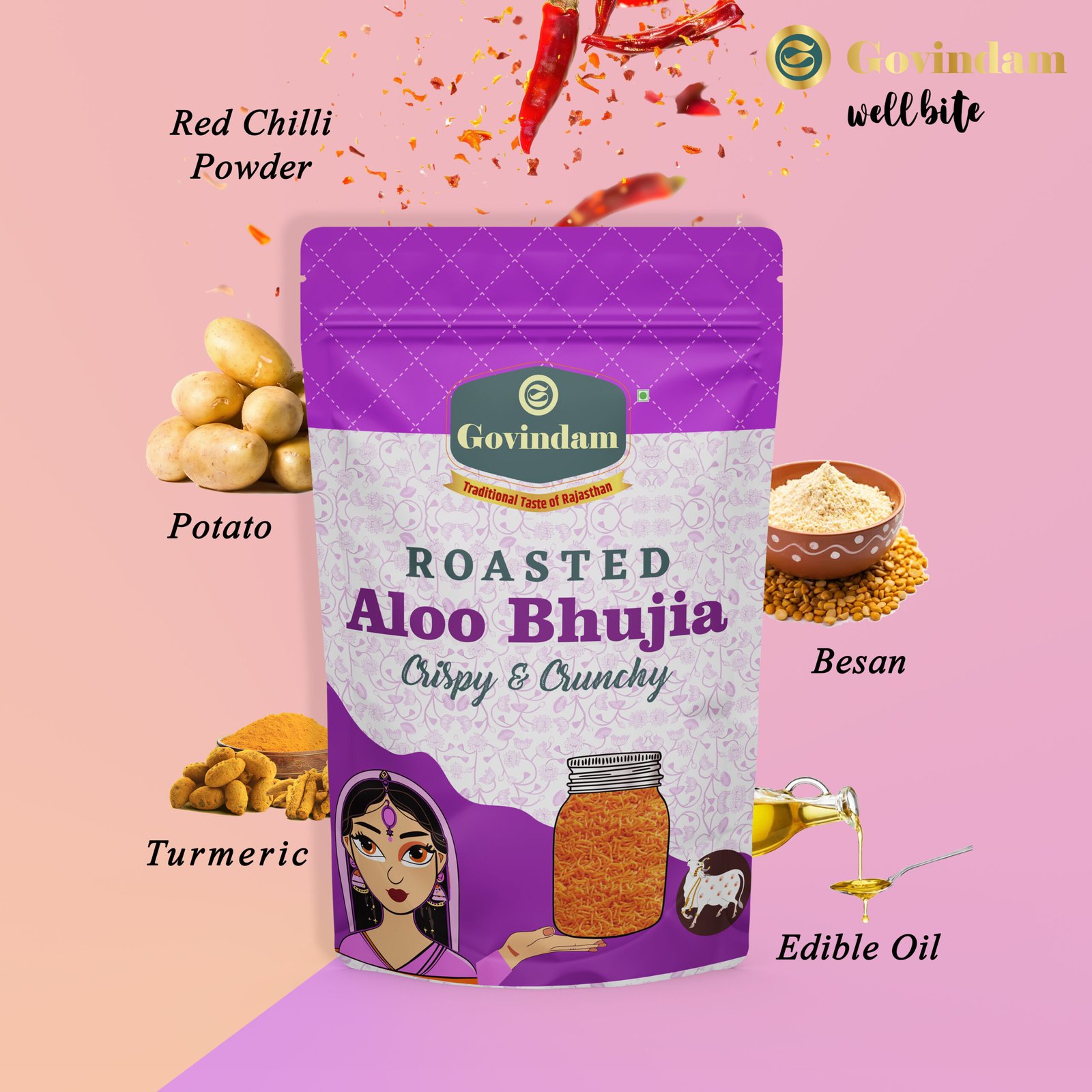



What distinguishes authentic Mathura Peda from countless commercial approximations bearing its name lies in preparation methodology, ingredient quality, traditional technique preservation, and the intangible heritage knowledge passed through generations of Mathura sweet makers. The characteristic grainy yet smooth texture, subtle sweetness balanced with natural milk richness, light caramelization notes from proper khoya preparation, and distinctive round flattened shape all result from specific traditional practices that industrial production cannot genuinely replicate despite superficial similarity. Understanding these authenticity markers empowers consumers distinguishing genuine Mathura Peda from inferior imitations trading on Mathura’s reputation without honoring its traditions.
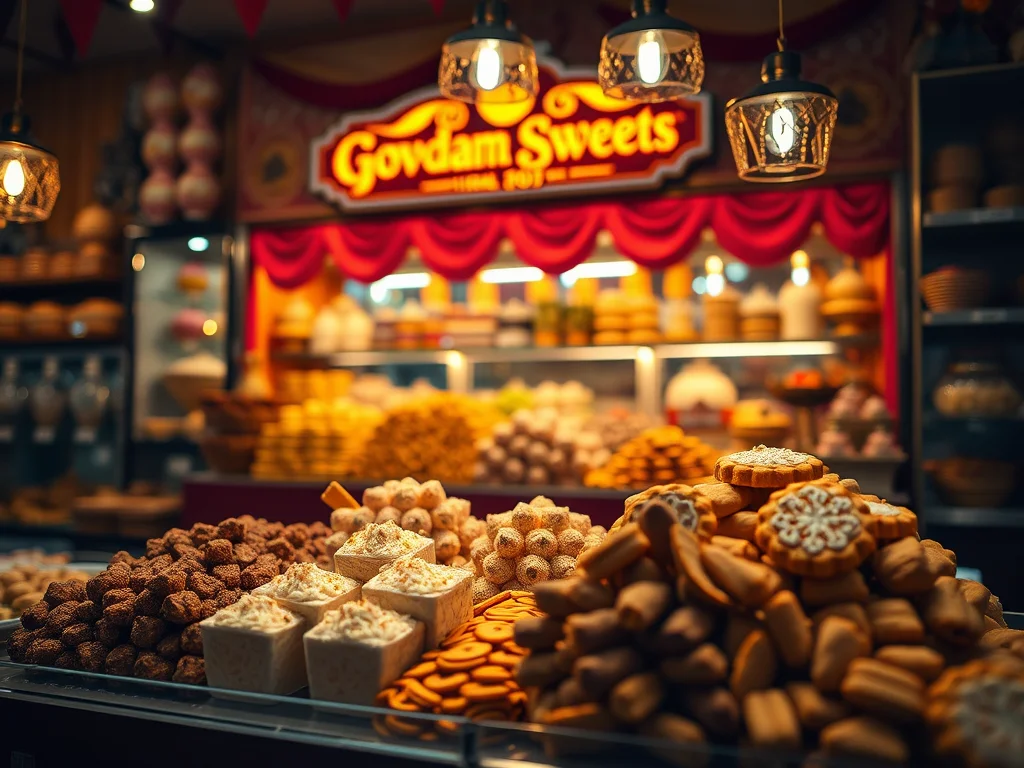
Govindam Sweets honors India’s diverse sweet-making heritage including the legendary traditions of authentic Mathura Peda through our commitment to traditional preparation methods and quality ingredients. Shop now to explore our curated collection of regional Indian sweets alongside our signature Rajasthani specialties including Ghewar and Balwan Laddu. Understanding what makes authentic Mathura Peda special reveals the intersection of culinary craftsmanship, religious tradition, and regional identity creating confections that transcend mere taste experiences to become cultural expressions and spiritual connections.



Amla Chunda
Price range: ₹299.00 through ₹650.00
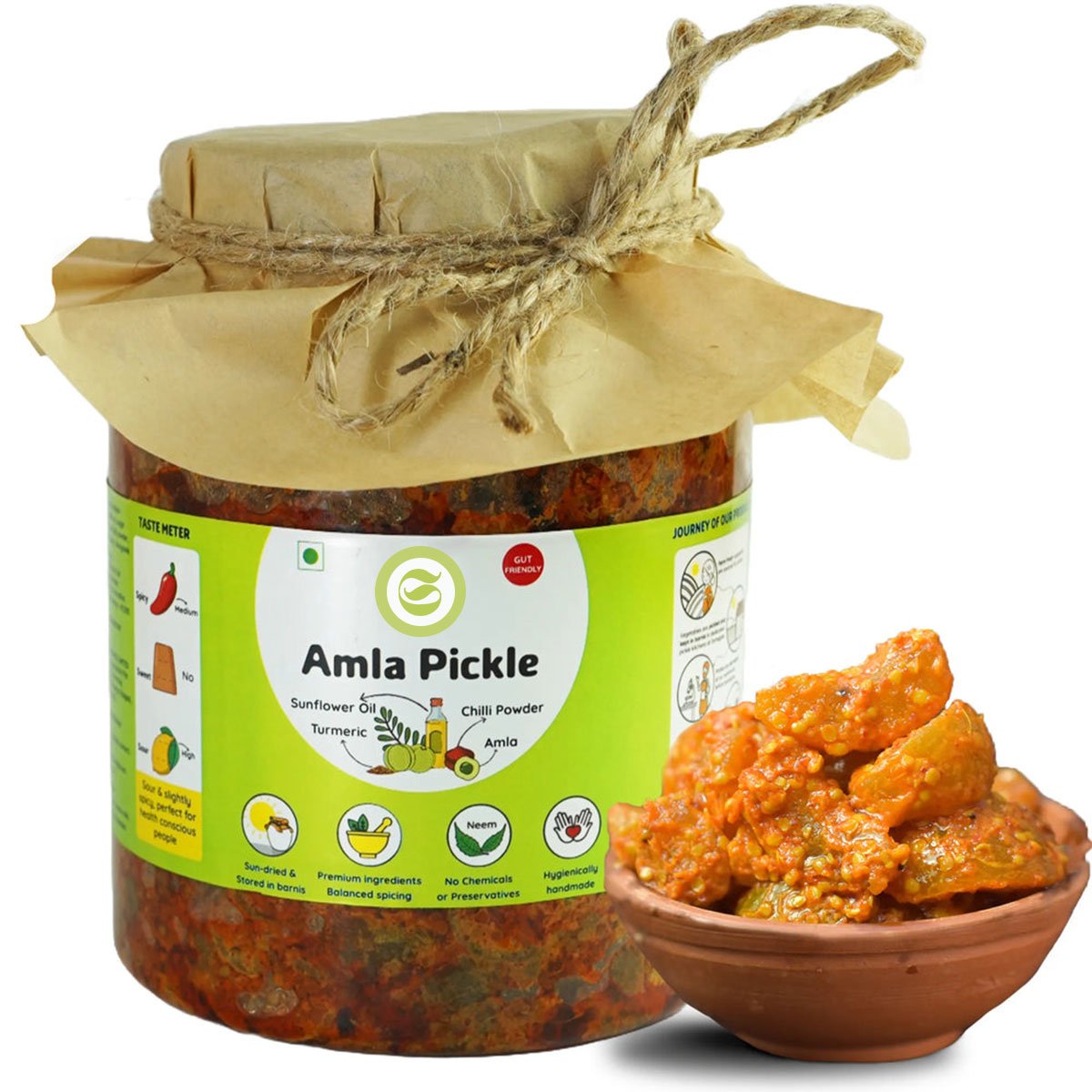
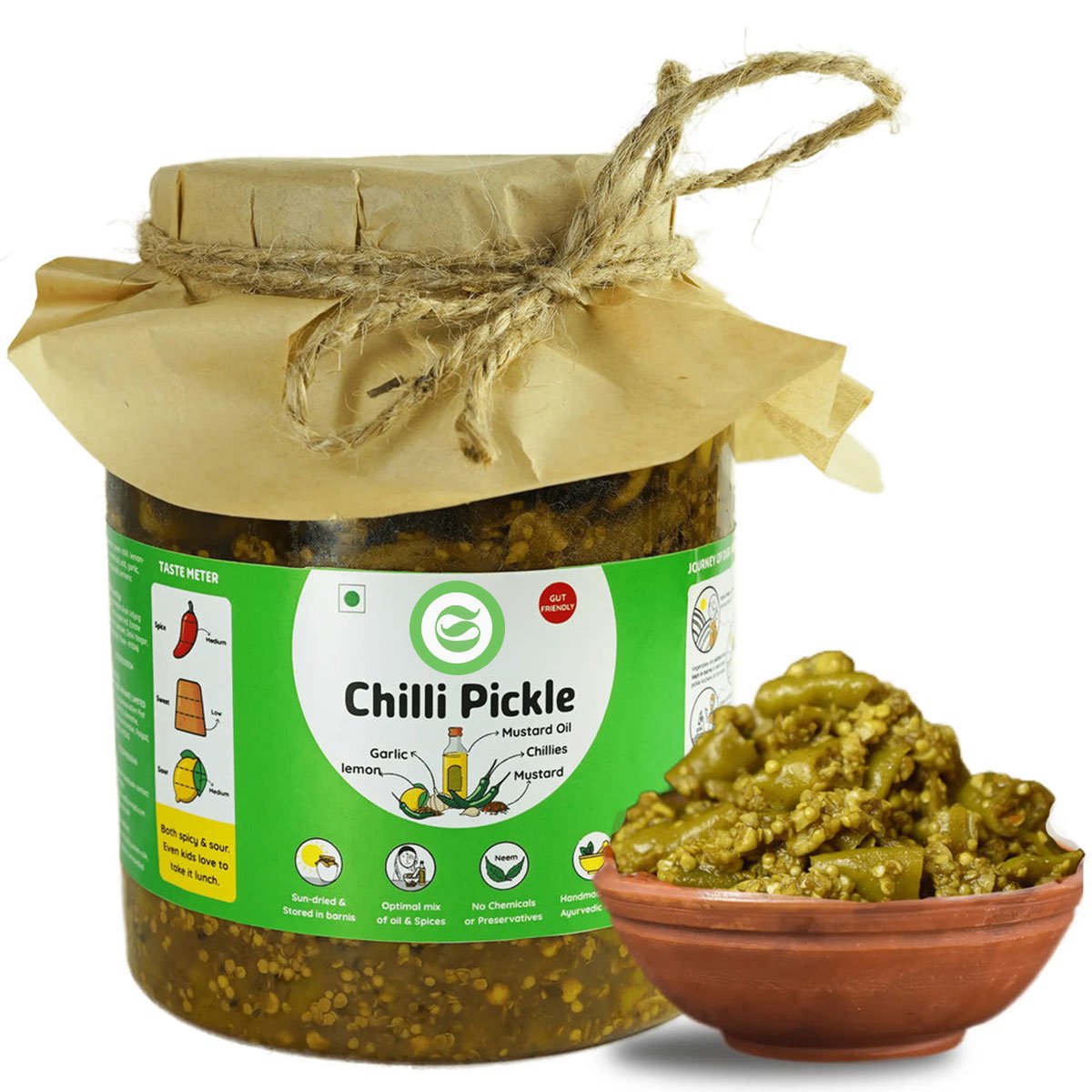
Amla Pickle
Price range: ₹299.00 through ₹650.00
Anardana Goli
Original price was: ₹200.00.₹150.00Current price is: ₹150.00.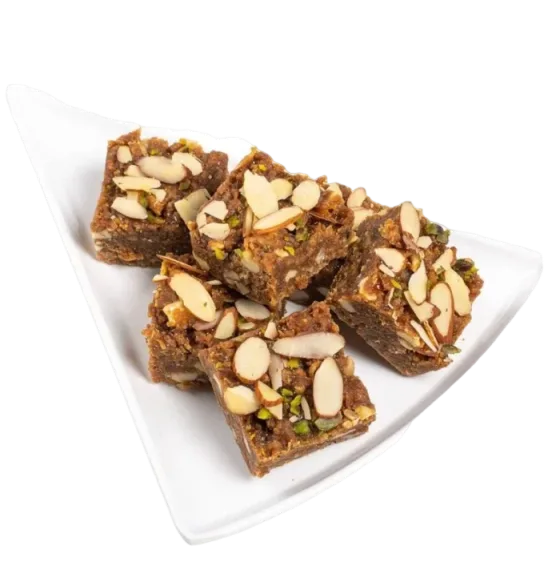
Authentic Dodha Barfi – Traditional Milk Sweet Delight
Original price was: ₹650.00.₹500.00Current price is: ₹500.00.
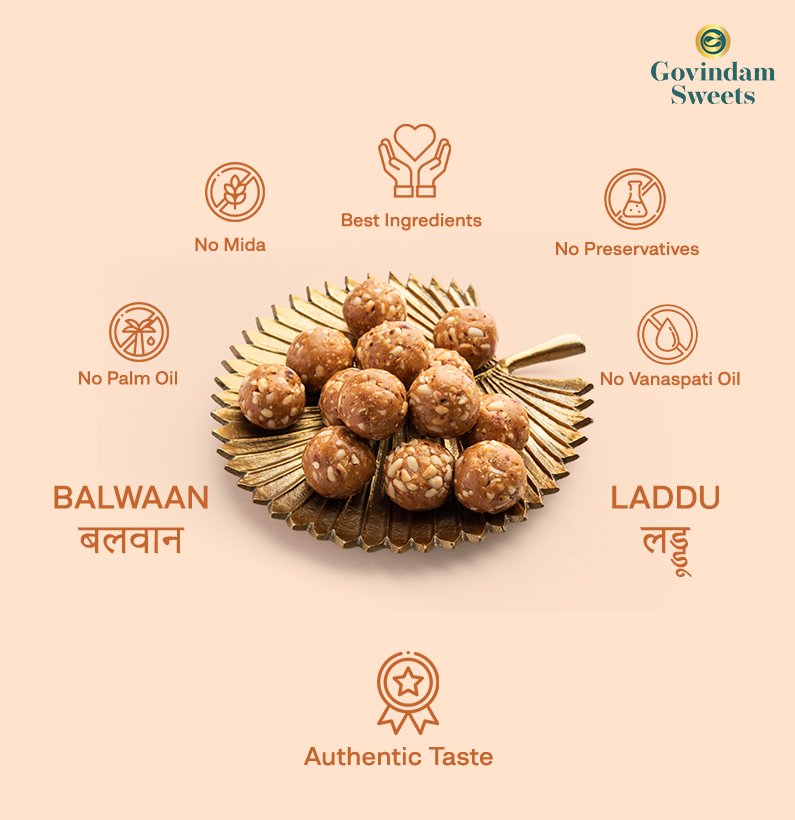
Balwan Laddu
Price range: ₹500.00 through ₹1,000.00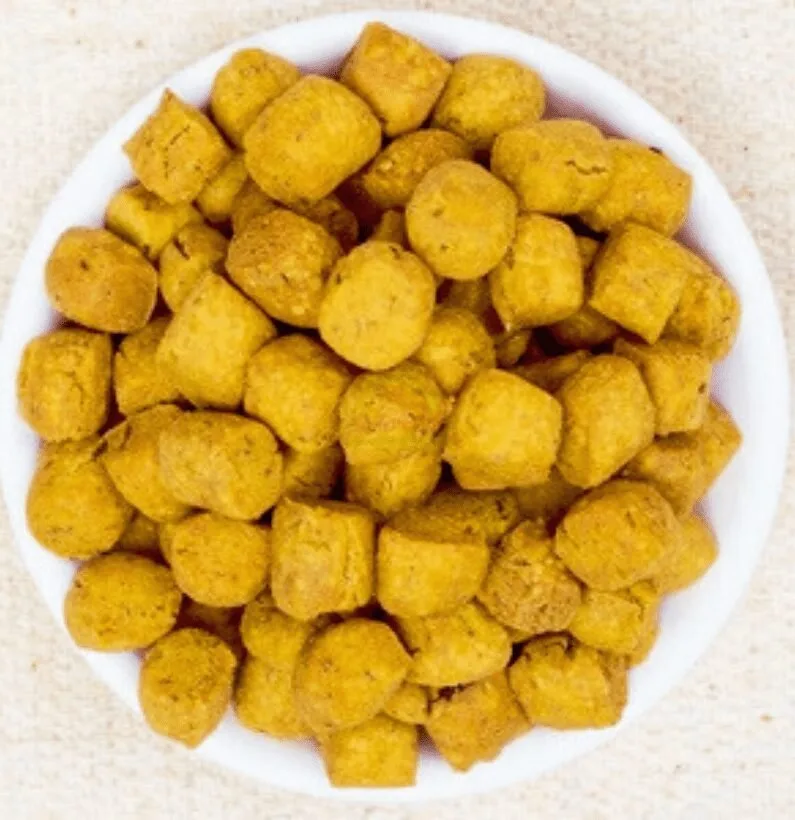
Besan Gatta
Original price was: ₹400.00.₹340.00Current price is: ₹340.00.
Besan Laddu
Price range: ₹270.00 through ₹540.00
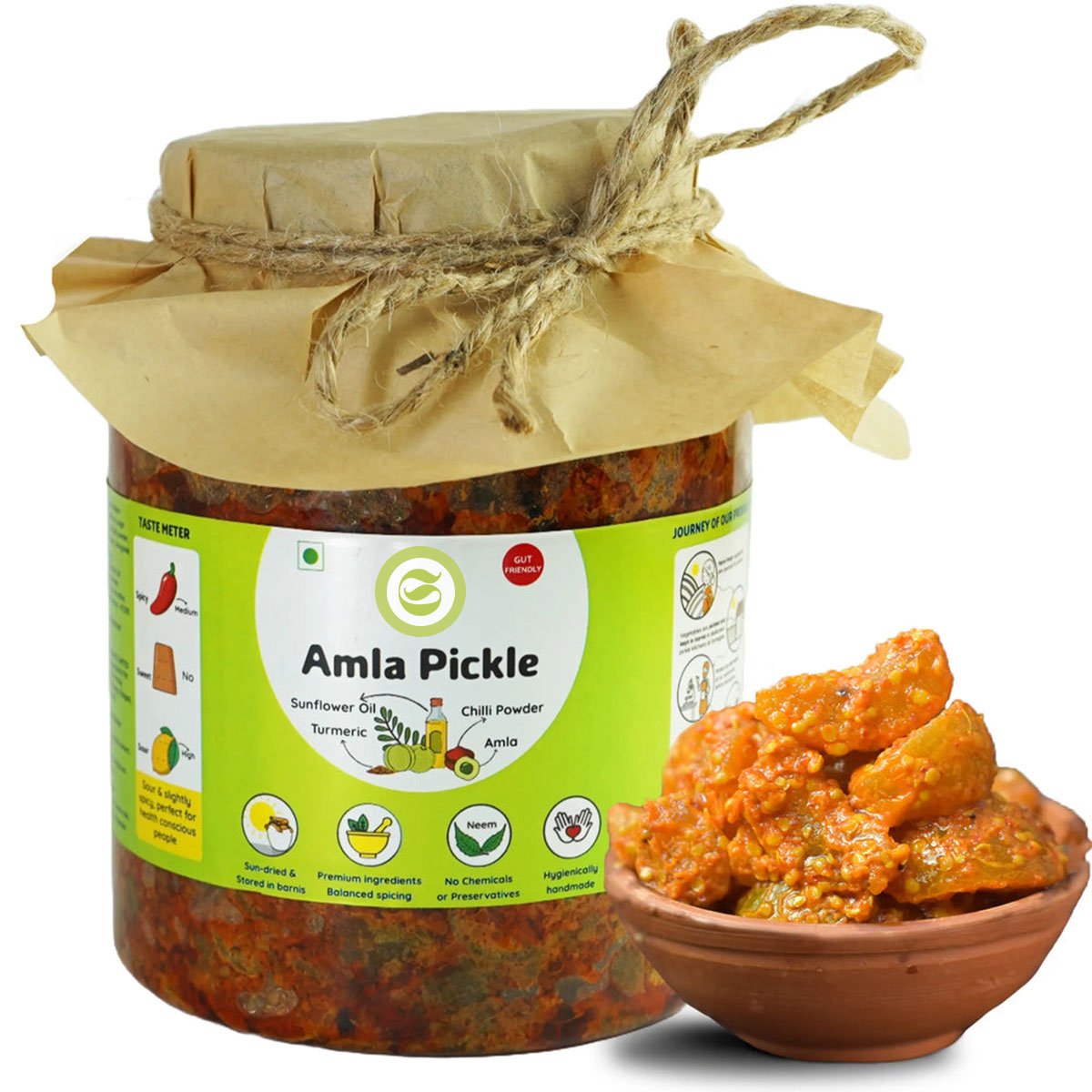
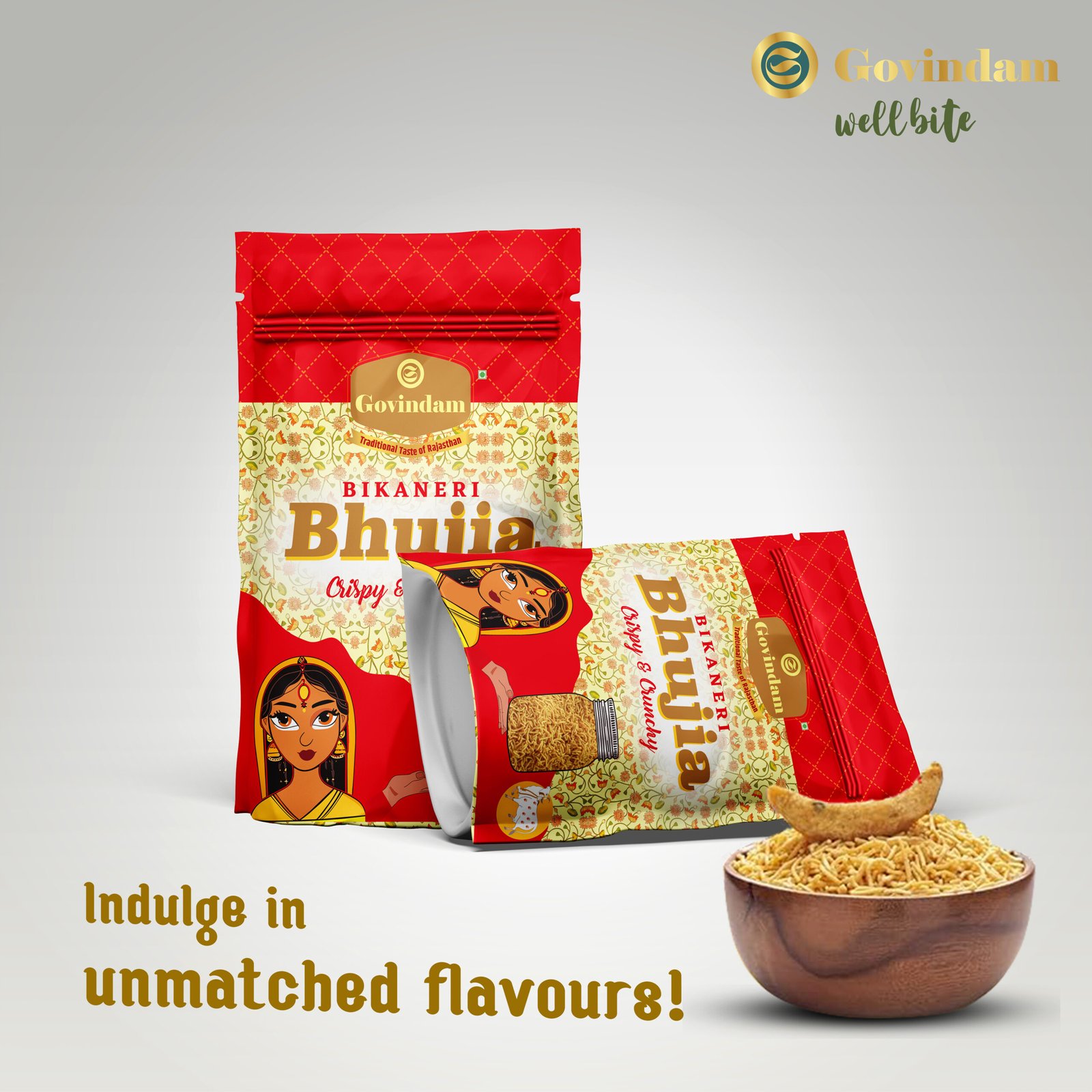
Bikaneri Bhujia
Price range: ₹180.00 through ₹360.00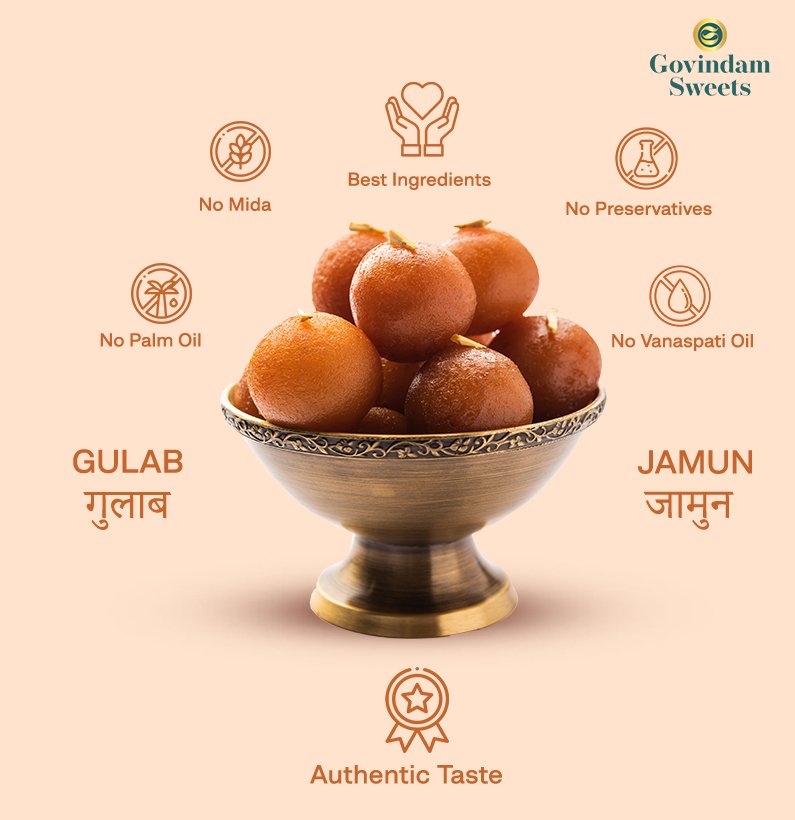
Black Gulab Jamun
Price range: ₹260.00 through ₹540.00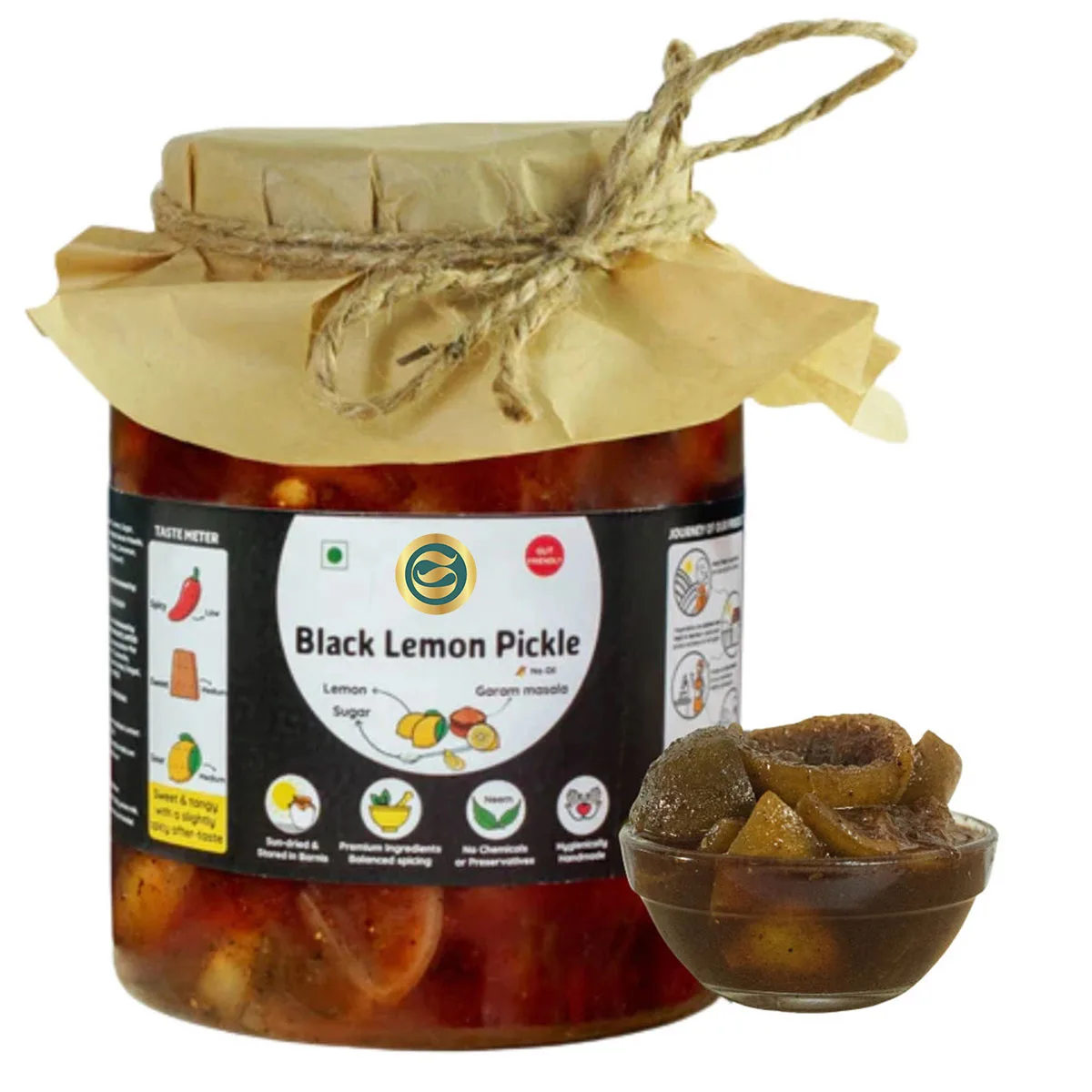
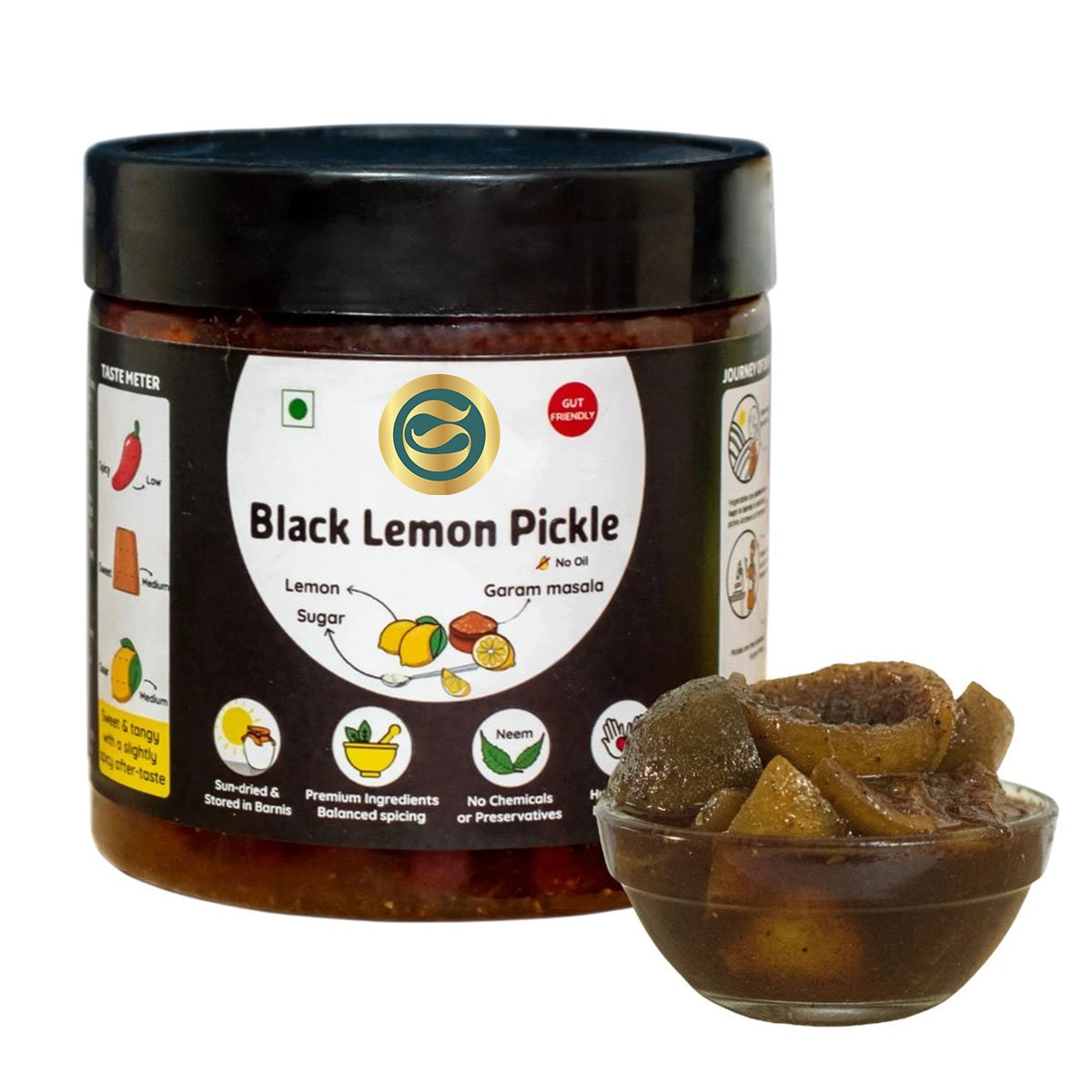
Black Lemon Pickle
Price range: ₹299.00 through ₹650.00The Historical and Cultural Significance of Mathura Peda
Ancient Origins and Krishna Connection
The history of authentic Mathura Peda intertwines inseparably with Mathura’s identity as Krishna’s birthplace and one of Hinduism’s seven sacred cities. While precise historical documentation remains elusive, oral traditions and culinary historians suggest that milk-based sweets resembling modern peda have existed in Mathura region for centuries, likely predating written records. The abundance of dairy farming in the region surrounding Mathura, combined with Krishna’s legendary association with butter, milk, and pastoral life, created natural cultural foundations for sophisticated milk-based sweet preparations becoming central to local culinary identity.
The religious significance of authentic Mathura Peda stems from its traditional role as prasad—consecrated food offered to deities and then distributed among devotees. Krishna temples throughout Mathura and beyond offer peda as prasad, creating spiritual associations where consuming this sweet becomes an act of devotion and divine communion rather than mere gastronomic pleasure. This religious dimension explains why authentic Mathura Peda maintains such emotional significance for devotees and why families specifically seek Mathura-sourced peda for religious occasions, temple visits, and spiritual celebrations where generic sweets feel inappropriate regardless of taste quality.


The pilgrimage tourism to Mathura has historically sustained and spread authentic Mathura Peda’s reputation, as visitors returning from spiritual journeys brought peda as blessed gifts for family and friends. This distribution pattern created nationwide awareness and demand while reinforcing Mathura’s monopoly on authentic preparation, since peda specifically from Mathura carried spiritual authenticity that local sweet shops elsewhere could not replicate despite producing technically similar confections.
Evolution Through Generations
Authentic Mathura Peda has evolved through generations while maintaining core preparation principles and cultural identity. Early versions likely used simpler ingredient combinations—primarily just reduced milk and natural sugar sources—with contemporary preparations incorporating refined sugar, cardamom spicing, and sometimes pistachios or saffron garnishes reflecting evolving tastes and ingredient availability. Yet traditional Mathura sweet makers deliberately maintain preparation conservatism, resisting dramatic innovations that might alienate devotees seeking authentic traditional experiences rather than modern creative interpretations.
Family businesses spanning multiple generations have become custodians of authentic Mathura Peda traditions, with preparation knowledge transmitted through apprenticeship rather than written recipes. This oral transmission preserves subtle technique nuances—the precise khoya consistency indicating readiness for sugar addition, the hand-shaping pressure creating characteristic texture, the cooling timing affecting final consistency—that written instructions struggle capturing adequately. The generational continuity also maintains quality commitments and reputation investments motivating consistent excellence rather than short-term profit maximization through cost-cutting.
The commercialization pressures of modern India create tensions between tradition preservation and business scaling for authentic Mathura Peda makers. Some establishments have expanded production using mechanical equipment and standardized processes enabling volume increases while attempting quality maintenance. Others deliberately limit production maintaining completely traditional hand-preparation methods accepting volume constraints as necessary trade-offs for authenticity preservation. These diverging strategies create quality spectrum even among Mathura-based producers, making source verification and quality assessment essential for consumers seeking genuine traditional experiences.
Cultural Symbolism Beyond Mathura
While rooted in Mathura geography and Krishna devotion, authentic Mathura Peda has acquired broader cultural symbolism throughout India representing hospitality, celebration, religious observance, and gift-giving traditions. Offering Mathura Peda to guests communicates respect and welcome, serving it during festivals demonstrates cultural awareness and traditional values, presenting it as gifts expresses affection and thoughtfulness, and including it in religious ceremonies honors divine presence. These multi-dimensional symbolic functions explain Mathura Peda’s enduring relevance despite changing food preferences and modernizing lifestyles.
The “Mathura” geographic indicator has become quality shorthand in Indian sweet contexts, similar to “Darjeeling” for tea or “Basmati” for rice. This geographic branding creates both opportunities—premium positioning and price realization for authentic sources—and challenges—rampant trademark misuse and consumer confusion from countless non-Mathura vendors selling “Mathura Peda” without legitimate geographic or quality claims. This intellectual property ambiguity complicates consumer navigation and undermines authentic producers’ ability capitalizing on heritage investments through appropriate premium pricing.
Understanding Authentic Mathura Peda Preparation
The Khoya Foundation: Milk Reduction Mastery
Authentic Mathura Peda begins with khoya (also called mawa), the reduced milk solids forming the structural and flavor foundation. Premium khoya preparation requires high-quality full-fat buffalo or cow milk slowly heated with constant stirring, allowing water evaporation while preventing burning through vigilant temperature control and continuous agitation. This patient reduction process—often requiring several hours for substantial khoya quantities—develops caramelized notes, concentrates milk proteins and fats, and creates the characteristic grainy texture distinguishing quality khoya from inferior rushed preparations or reconstituted milk powder approximations.
The milk source significantly impacts authentic Mathura Peda quality, with traditional preparations emphasizing buffalo milk’s higher fat content and richer flavor compared to cow milk. Local dairy farming traditions around Mathura historically provided fresh high-quality milk enabling daily khoya preparation maintaining optimal freshness. Modern commercial production sometimes compromises through milk powder usage or extended khoya storage, creating inferior starting materials that no subsequent technique excellence can fully overcome. Discerning consumers evaluating authentic Mathura Peda prioritize establishments maintaining fresh daily khoya preparation from quality whole milk.
The khoya consistency for authentic Mathura Peda requires precise moisture content—too wet creates overly soft peda lacking structural integrity and shelf stability; too dry produces crumbly brittle texture rather than desired smooth yet grainy mouthfeel. Achieving optimal consistency demands experience-based judgment recognizing subtle visual and textural cues indicating perfect reduction completion. This tacit knowledge transmission through apprenticeship makes traditional authentic Mathura Peda preparation an artisanal craft rather than merely recipe following.
Sugar Integration and Flavor Development
Sugar addition to khoya represents the critical moment determining authentic Mathura Peda’s final flavor profile and texture. The sugar quantity balances sweetness with milk richness—too much creates cloying excessive sweetness masking delicate milk flavors, too little produces unsatisfyingly bland confections lacking celebratory sweet character. Traditional preparations use relatively moderate sugar compared to many contemporary Indian sweets, allowing milk’s natural complexity remaining prominent rather than overwhelmed by sugar dominance.
The sugar integration technique affects texture development through crystallization management and moisture distribution. Sugar added to hot khoya dissolves partially, with remaining crystals creating characteristic graininess when mixture cools. Proper stirring distributes sugar evenly preventing concentrated sweet spots or undissolved granules creating unpleasant texture inconsistencies. The cooking duration after sugar addition caramelizes sugars slightly, contributing color depth and flavor complexity beyond simple sweetness.
Cardamom provides traditional flavoring for authentic Mathura Peda, with freshly ground cardamom seeds offering superior aromatic complexity compared to pre-ground commercial cardamom powders losing volatile oils during storage. The cardamom quantity requires restraint—subtle fragrance enhancing rather than dominating milk’s natural flavor. Some contemporary preparations incorporate saffron, rose water, or other aromatics, though traditionalists view these as unnecessary embellishments potentially masking rather than enhancing authentic character. Quality authentic Mathura Peda achieves flavor sophistication through ingredient excellence and technique mastery rather than exotic flavoring additions.
Hand-Shaping Technique and Presentation
The distinctive round flattened shape of authentic Mathura Peda results from traditional hand-shaping techniques creating uniform pieces with characteristic smooth surfaces and slight central depressions. Skilled sweet makers portion warm khoya-sugar mixture into consistent quantities, roll into smooth balls between palms, then flatten gently creating disk shapes while maintaining smooth exteriors without cracks or rough texture indicating improper consistency or handling. This hand-shaping process requires practice developing appropriate pressure application, timing relative to mixture temperature, and speed enabling production efficiency while maintaining quality consistency.
The hand-shaping tradition in authentic Mathura Peda distinguishes artisanal preparations from industrial productions using molds or automated equipment. While mechanical shaping improves efficiency and reduces labor costs, hand-shaping advocates argue the process contributes subtle texture variations and surface characteristics impossible with rigid molds. The slight irregularities in hand-shaped peda—no two pieces exactly identical—provide authenticity indicators and artisanal character that perfectly uniform machine-shaped pieces lack, similar to handcrafted versus mass-produced distinctions in other craft domains.
Garnishing traditions for authentic Mathura Peda remain relatively minimal compared to elaborate decorative treatments on some other Indian sweets. Traditional presentations might include single pistachio sliver pressed into peda center, light edible silver leaf (vark) application, or simple surface patterns created during shaping. These restrained aesthetic approaches reflect philosophical prioritization of flavor and texture over visual showmanship, with beauty emerging from simplicity, quality, and traditional form rather than ornamental complexity.
Identifying Quality Authentic Mathura Peda
Visual and Textural Indicators
Quality authentic Mathura Peda exhibits specific visual characteristics indicating proper preparation and ingredient quality. The color should be light to medium brown—pale caramel tones reflecting milk caramelization during khoya reduction and sugar cooking, not artificially darkened or suspiciously pale suggesting inferior ingredients or improper technique. The surface appears smooth with slight natural texture from hand-shaping, without excessive greasiness indicating ghee overuse or rough dry appearance suggesting insufficient fat content or old product losing moisture.
The texture of authentic Mathura Peda when handled should be firm enough maintaining shape without excessive pressure but not hard or brittle. Upon biting, quality peda offers initial firmness followed by pleasant dissolution releasing milk and sugar flavors gradually rather than crumbling messily or remaining rubbery and chewy. The characteristic grainy smoothness—seemingly contradictory yet precisely describing proper texture—distinguishes well-made peda from either too-smooth preparations using excessive ghee or overtly grainy versions with poor sugar integration.
Fresh authentic Mathura Peda maintains structural integrity without oil seepage, excessive dryness, or surface cracking indicating quality deterioration. Refrigerated storage may firm texture somewhat with slight oiliness appearing after warming to room temperature being normal and not quality concern. However, excessive oil separation, surface discoloration, off-odors, or visible mold obviously indicate spoilage requiring disposal regardless of source reputation or initial quality.
Flavor Profile Assessment
Authentic Mathura Peda flavor emphasizes milk richness as primary taste dimension with sugar providing sweetness without overwhelming natural dairy complexity. The first taste should deliver milk’s inherent creaminess and subtle caramelized notes from proper khoya preparation, followed by balanced sweetness and gentle cardamom fragrance. The aftertaste should be clean with lingering pleasant milk flavor rather than cloying sugar excess or artificial chemical notes betraying inferior ingredients.
Quality peda releases flavors gradually during consumption rather than immediate intense sweetness quickly dissipating. This flavor development and persistence indicate proper ingredient integration and quality components. Inferior preparations often taste predominantly of sugar with minimal milk character, or display chemical artificial notes from synthetic flavoring, poor-quality ghee, or preservatives used extending shelf life at taste expense.
The cardamom presence in authentic Mathura Peda should be detectible but not dominant—pleasant aromatic background enhancing milk flavors rather than competing for attention. Overpowering cardamom often masks inferior milk quality or preparation deficiencies. Similarly, other flavorings like rose water or saffron when present should provide subtle complexity rather than dominant character transforming peda into something other than traditional Mathura preparation.
Source Verification and Brand Reputation
Given widespread “Mathura Peda” labeling regardless of actual Mathura connection or authentic preparation methods, source verification becomes crucial for consumers seeking genuine products. Established Mathura-based sweet makers with verifiable physical presence in Mathura, generational family histories, and documented reputations provide strongest authenticity assurance. National brands or online sellers claiming Mathura Peda authenticity require scrutiny regarding actual preparation location, ingredient sources, and technique adherence.
Customer reviews and community recommendations offer valuable insights about authentic Mathura Peda quality and authenticity claims. Reviews consistently praising taste, texture, freshness, and traditional character provide confidence, while complaints about artificial flavors, poor texture, or disappointment compared to Mathura-purchased versions suggest authenticity compromises regardless of marketing claims. Social media and food forums enable community knowledge sharing helping consumers identifying reliable authentic sources and avoiding disappointing alternatives.
Pricing provides rough quality indicators though not definitive authentication. Authentic Mathura Peda prepared traditionally with quality ingredients commands fair pricing reflecting real costs—abnormally cheap peda almost certainly involves quality compromises through inferior ingredients, shortcut preparation, or old inventory disposal. However, expensive pricing doesn’t guarantee authenticity since some vendors exploit Mathura’s reputation charging premiums for ordinary products. Balanced pricing aligned with quality preparation costs combined with other authentication factors provides reasonable quality confidence.
Regional Variations and Mathura Peda Relatives
Uttar Pradesh Milk Sweet Traditions
Authentic Mathura Peda exists within broader Uttar Pradesh milk sweet traditions including variations and related preparations sharing preparation principles while differing in specifics. Agra petha, though distinct in ingredients and texture, shares regional proximity and sweet-making heritage. Banaras peda offers similar concept with local variations in preparation and presentation. These regional variations demonstrate how specific geographic locations develop signature preparations becoming cultural identifiers while participating in broader regional culinary contexts.
The distinction between authentic Mathura Peda and generic “peda” sold throughout India parallels differences between Champagne from Champagne region versus generic sparkling wines elsewhere. While generic peda can be excellent, authentic Mathura Peda claims specific heritage, traditional methodology, and cultural authenticity that generic versions lack regardless of quality. This geographic specificity matters for cultural preservation, artisan community support, and consumer experiences seeking authentic traditional products rather than convenient modern approximations.
Understanding these regional contexts enriches appreciation for authentic Mathura Peda as part of Uttar Pradesh’s remarkable culinary heritage rather than isolated curiosity. The state’s milk-based sweet traditions reflect historical dairy abundance, religious influences emphasizing vegetarian and milk products, and cultural sophistication developing refined preparations from simple agricultural abundance. Mathura’s specific contribution to this broader tradition demonstrates how local conditions, religious significance, and artisan dedication combine creating distinctive preparations transcending mere regional variety to achieve national and international recognition.
Contemporary Variations and Innovations
While traditional authentic Mathura Peda maintains preparation conservatism, contemporary sweet makers experiment with variations appealing to evolving preferences while respecting heritage foundations. Sugar-free versions using alternative sweeteners accommodate diabetic consumers or health-conscious individuals seeking traditional flavors without sugar content. Flavored variations incorporating chocolate, coffee, mango, or other contemporary tastes attract younger consumers and create fusion products blending traditional techniques with modern flavor preferences.
These innovations create philosophical tensions between tradition preservation and adaptive evolution. Purists argue modifications compromise authenticity and dilute cultural heritage, while pragmatists contend adaptations ensure younger generation engagement and tradition survival through relevance maintenance. Quality establishments navigate these tensions by clearly distinguishing traditional authentic Mathura Peda from contemporary variations, preserving core offerings while thoughtfully exploring innovations in separate product lines avoiding confusion or traditional recipe corruption.
The key distinction lies between respectful innovation building on traditional foundations versus cynical exploitation trading on Mathura’s reputation while abandoning preparation principles and quality commitments. Innovations maintaining khoya quality, traditional technique respect, and cultural awareness honor heritage while adapting, whereas products using milk powder, artificial flavors, and industrial processes while claiming “Mathura Peda” identity exploit consumer confusion without authentic contribution.
Authentic Mathura Peda in Religious and Cultural Contexts
Temple Prasad Traditions
Authentic Mathura Peda’s role as temple prasad creates religious dimensions elevating commercial sweet-making to spiritual service. Krishna temples particularly in Mathura and Vrindavan but throughout India offer peda as prasad following morning aarti and puja ceremonies. Devotees receive these blessed sweets as divine grace, with consumption becoming spiritual act rather than mere eating. This religious function explains why temple-associated sweet makers maintain such rigorous quality and authenticity standards—their products serve divine purposes demanding excellence beyond commercial considerations.
The prasad context influences authentic Mathura Peda preparation through purity considerations, ingredient sourcing ethics, and symbolic appropriateness. Traditional preparations avoid ingredients questionable from religious purity perspectives, maintain vegetarian integrity strictly, and follow preparation protocols respecting sacred food traditions. Sweet makers supplying temple prasad often view their work as devotional service rather than purely commercial enterprise, bringing spiritual dedication alongside commercial craftsmanship.
For devotees, authentic Mathura Peda from Krishna temples carries spiritual potency beyond generic commercial sweets regardless of technical quality similarity. This blessed food becomes vehicle for divine connection, bringing Krishna’s grace into homes and lives. Families specifically seek temple-sourced Mathura Peda for religious occasions, maintaining traditional customs where sacred sweets sanctify celebrations and ceremonies beyond secular entertainment.
Festival and Celebration Traditions
Authentic Mathura Peda features prominently in festival celebrations particularly Krishna-focused observances like Janmashtami (Krishna’s birthday) and regional festivals in Uttar Pradesh where Mathura’s cultural influence remains strong. Explore our Festival Special collection featuring traditional preparations perfect for celebrations. Serving Mathura Peda during these festivals demonstrates cultural awareness, traditional values, and religious devotion—making sweet selection meaningful beyond taste preferences.
Wedding and milestone celebrations traditionally include authentic Mathura Peda in sweet distributions, gift hampers, and ceremonial offerings. The auspicious associations, cultural prestige, and traditional appropriateness make Mathura Peda particularly suitable for life celebrations where sweet choices communicate family values and cultural sophistication. Unlike trendy contemporary sweets that may seem frivolous, authentic Mathura Peda carries gravitas and traditional legitimacy appropriate for solemn occasions alongside celebratory contexts.
The gifting traditions involving authentic Mathura Peda extend beyond practical sweet sharing to symbolic communication—expressing respect, affection, blessing, and cultural connection. Presenting Mathura Peda as gifts demonstrates thoughtfulness through culturally significant choice rather than generic commercial sweets lacking deeper meaning. This symbolic dimension explains premium pricing acceptance since gifts serve relationship investment functions beyond mere consumption value.
Diaspora Connections and Cultural Preservation
For Indian diaspora communities globally, authentic Mathura Peda provides tangible cultural connections and taste memories linking adopted homes to heritage origins. The specific flavors and textures associated with childhood experiences, religious upbringing, family traditions, and cultural identity make authentic Mathura Peda emotionally significant beyond rational quality assessments. International demand creates both opportunities—global market expansion for quality producers—and challenges—maintaining authenticity and quality across extended supply chains and cultural distances.
Online delivery services increasingly make authentic Mathura Peda accessible to diaspora consumers previously dependent on visiting relatives or rare specialty stores. This accessibility helps cultural preservation through regular engagement with traditional foods rather than occasional nostalgic consumption during India visits. Younger diaspora generations exposed to authentic traditional preparations may develop appreciation and knowledge preventing cultural disconnection despite geographic distance from heritage origins.
The diaspora market also creates quality pressure since expatriate consumers with authentic Mathura experiences can immediately detect inferior products trading on Mathura reputation without delivering genuine quality. This knowledgeable demand supports quality producers willing investing in proper preparation and international logistics while exposing fraudulent alternatives claiming authenticity without substance.
Modern Availability and Online Access
E-commerce Transformation of Traditional Sweet Access
Digital transformation has revolutionized authentic Mathura Peda accessibility, with established Mathura sweet makers and quality national vendors offering online ordering with nationwide or international delivery. This e-commerce expansion democratizes access beyond Mathura proximity or specialized local retailers, enabling consumers anywhere ordering authentic products directly from reputable sources. The convenience of browsing multiple vendors, comparing offerings and pricing, reading customer reviews, and receiving doorstep delivery within days transforms occasional luxury into routine accessibility.
Online availability particularly benefits non-metropolitan consumers lacking local access to authentic Mathura Peda sources, diaspora communities managing cultural connections, and younger generations comfortable with digital shopping but less familiar with traditional sweet shop navigation. The detailed product information, preparation explanations, and cultural context often provided on quality e-commerce platforms also educates consumers about authenticity markers and tradition appreciation, creating informed demand supporting quality producers over inferior alternatives.
However, e-commerce creates quality challenges since consumers cannot physically inspect products before purchasing, evaluate freshness directly, or taste before committing. This distance creates opportunities for inferior products using marketing sophistication and attractive pricing luring uninformed customers. Reviews and vendor reputation become crucial quality proxies, with established names like Govindam Sweets providing reliability assurance through decades of reputation investment and quality consistency.
Logistics and Freshness Management
The perishable nature of authentic Mathura Peda creates logistics challenges for online delivery requiring careful packaging, appropriate temperature control during transit, and timing coordination ensuring reasonable freshness upon delivery. Quality vendors invest in food-grade packaging, temperature control measures when necessary, and reliable logistics partners experienced handling perishable food products. These infrastructure investments manifest in delivery charges and minimum order requirements, though represent necessary costs ensuring product integrity.
Made-to-order preparation for online orders maximizes freshness but requires reasonable lead times accommodating preparation schedules and delivery logistics. Customers ordering authentic Mathura Peda online should plan appropriately, allowing adequate ordering advance time rather than expecting immediate availability like non-perishable products. Inventory-based instant shipment may offer convenience but potentially compromises freshness compared to made-to-order approaches.
Seasonal considerations affect authentic Mathura Peda online delivery feasibility and quality maintenance. Summer heat creates additional challenges requiring enhanced packaging and expedited delivery preventing spoilage, while winter’s cooler temperatures facilitate longer transit tolerance and better quality preservation. Quality vendors adjust practices seasonally, sometimes limiting summer deliveries to certain zones or requiring premium packaging for heat-sensitive destinations.
Quality Assurance in Digital Context
Online authentic Mathura Peda purchasing requires trust since traditional quality assessment methods—visual inspection, aroma evaluation, texture testing—become impossible before commitment. Vendor reputation, customer reviews, quality certifications, preparation transparency, and clear return/replacement policies all contribute to purchase confidence when direct product evaluation proves impossible. Established vendors with physical presence, verifiable histories, and substantial customer bases provide stronger quality assurance than anonymous online-only operations lacking verifiable credentials.
Detailed product descriptions, preparation method explanations, ingredient lists, and storage/consumption guidance indicate vendor knowledge and transparency suggesting quality commitment. Vague descriptions, missing critical information, or contradictory claims raise concerns warranting hesitation regardless of attractive pricing or marketing polish. Quality vendors welcome questions, provide comprehensive customer support, and demonstrate preparation expertise through content and communication.
Photography quality and accuracy affect customer expectations and satisfaction. Professional product photography creating unrealistic expectations leads to disappointment when delivered products appear less impressive despite potentially acceptable quality. Honest photography showing authentic appearance sets appropriate expectations, while misleading glamour shots create dissatisfaction gaps between expectation and reality. Customer review photos often provide more realistic product representation than marketing photography.
The Govindam Sweets Commitment to Sweet Heritage
Honoring Regional Indian Sweet Traditions
While Govindam Sweets specializes in Rajasthani confectionery traditions, we honor India’s diverse sweet-making heritage including legendary preparations like authentic Mathura Peda. Our commitment to quality ingredients, traditional preparation methods, and cultural authenticity extends across regional varieties in our curated collection. We source authentic Mathura Peda from trusted partners maintaining traditional standards, ensuring customers receive genuine quality rather than commercial approximations bearing Mathura’s name without honoring its traditions.
Our comprehensive sweet collection bridges regional traditions, offering Rajasthani specialties alongside renowned preparations from throughout India. This diversity celebrates India’s remarkable culinary plurality while maintaining quality consistency across all offerings. Whether customers seek our signature Rajasthani preparations or authentic regional specialties like Mathura Peda, they receive the same quality commitment, preparation integrity, and customer service excellence defining Govindam Sweets across all product categories.
Quality Assurance and Customer Education
Govindam Sweets prioritizes customer education alongside product sales, helping consumers understanding quality indicators, tradition appreciation, and authentic versus commercial distinctions. Our product descriptions, blog content, and customer service interactions provide knowledge empowering informed decisions and developing sophisticated appreciation for traditional sweets. This educational approach builds long-term customer relationships beyond transactional exchanges, creating community around traditional food preservation and appreciation.
Our quality assurance processes ensure authentic Mathura Peda and all offerings maintain standards worthy of customer trust and our reputation. Regular quality checks, freshness guarantees, proper storage and handling protocols, and responsive problem resolution demonstrate our commitment delivering excellence consistently. When quality issues occur despite best efforts, we respond transparently and fairly, prioritizing customer satisfaction and relationship preservation over defensive excuse-making.
Supporting Traditional Artisan Communities
By sourcing authentic Mathura Peda from traditional producers and promoting regional specialty awareness, Govindam Sweets contributes to artisan community sustainability and traditional knowledge preservation. Our purchasing practices provide reliable markets for quality producers, our platform visibility introduces wider audiences to regional specialties, and our quality standards create incentives for tradition maintenance over cost-cutting commercialization. These contributions support cultural preservation through viable economic models rather than merely nostalgic appeals.
Discover our franchise opportunities extending traditional sweet access to new communities while supporting artisan networks and quality standards. Our franchise model emphasizes quality consistency, traditional knowledge transmission, and ethical business practices creating sustainable success while preserving cultural heritage.
Conclusion: Savoring Tradition Through Authentic Mathura Peda
Authentic Mathura Peda represents far more than delicious milk-based confection—it embodies centuries of culinary tradition, spiritual devotion, regional identity, and artisanal craftsmanship that modern commercialization increasingly threatens. Understanding what makes Mathura Peda authentic—from traditional khoya preparation and hand-shaping techniques to cultural significance and religious associations—empowers consumers making informed choices supporting genuine traditions rather than cynical commercial approximations exploiting Mathura’s reputation without honoring its heritage.
The continued vitality of authentic Mathura Peda depends on informed consumers demanding genuine quality and traditional authenticity, artisan sweet makers maintaining preparation standards despite economic pressures and modernization temptations, and platforms like Govindam Sweets connecting quality producers with appreciative consumers across geographic and generational divides. This collective effort ensures remarkable traditions survive and flourish rather than disappearing into homogenized commercial mediocrity where everything claims authenticity while nothing delivers genuine traditional character.
Visit our online platform exploring authentic Mathura Peda alongside Govindam Sweets’ signature Rajasthani specialties including our heritage Ghewar varieties and renowned Balwan Laddu. Browse our Festival Special collections perfect for religious celebrations where authentic traditional sweets communicate cultural values and spiritual devotion. Experience how traditional excellence, quality commitment, and cultural authenticity combine creating sweet experiences transcending mere taste to connect past, present, and hopefully future generations through shared appreciation of India’s magnificent confectionery heritage—from Krishna’s sacred Mathura to every corner of our diverse culinary landscape.