
Posts
Rose Laddu Sweet: Jaipur’s Most Trusted Floral Mithai 2026

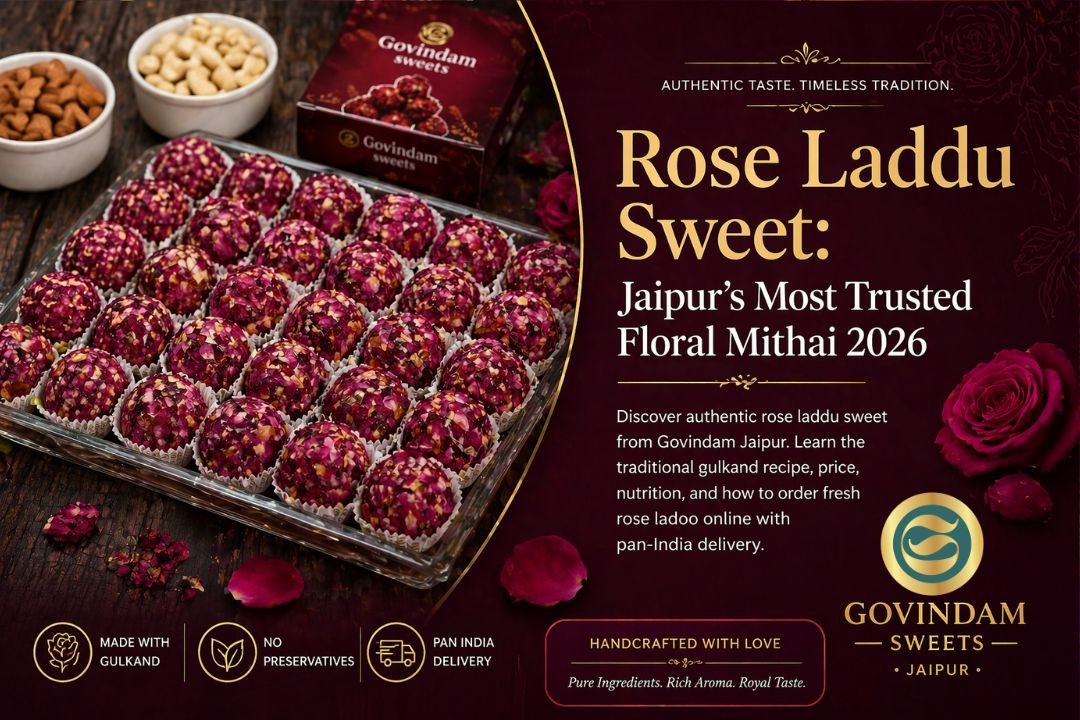
Rose laddu sweet is one of Jaipur’s most distinctive traditional mithai — a soft, fragrant ball made with gulkand, besan, pure desi ghee, and fresh rose petals. Govindam Sweets Jaipur has crafted authentic rose ladoo since 1985 near Govind Dev Ji Temple. Order online with pan-India delivery and 100% freshness guarantee.
Rose Laddu Sweet — Jaipur’s Most Trusted Floral Mithai
By Govindam Sweets | Master Confectioners | Near Govind Dev Ji Temple, Gangori Bazaar, Jaipur | FSSAI Certified | Est. 1985 Published: April 2026 | Reading Time: 11 Minutes

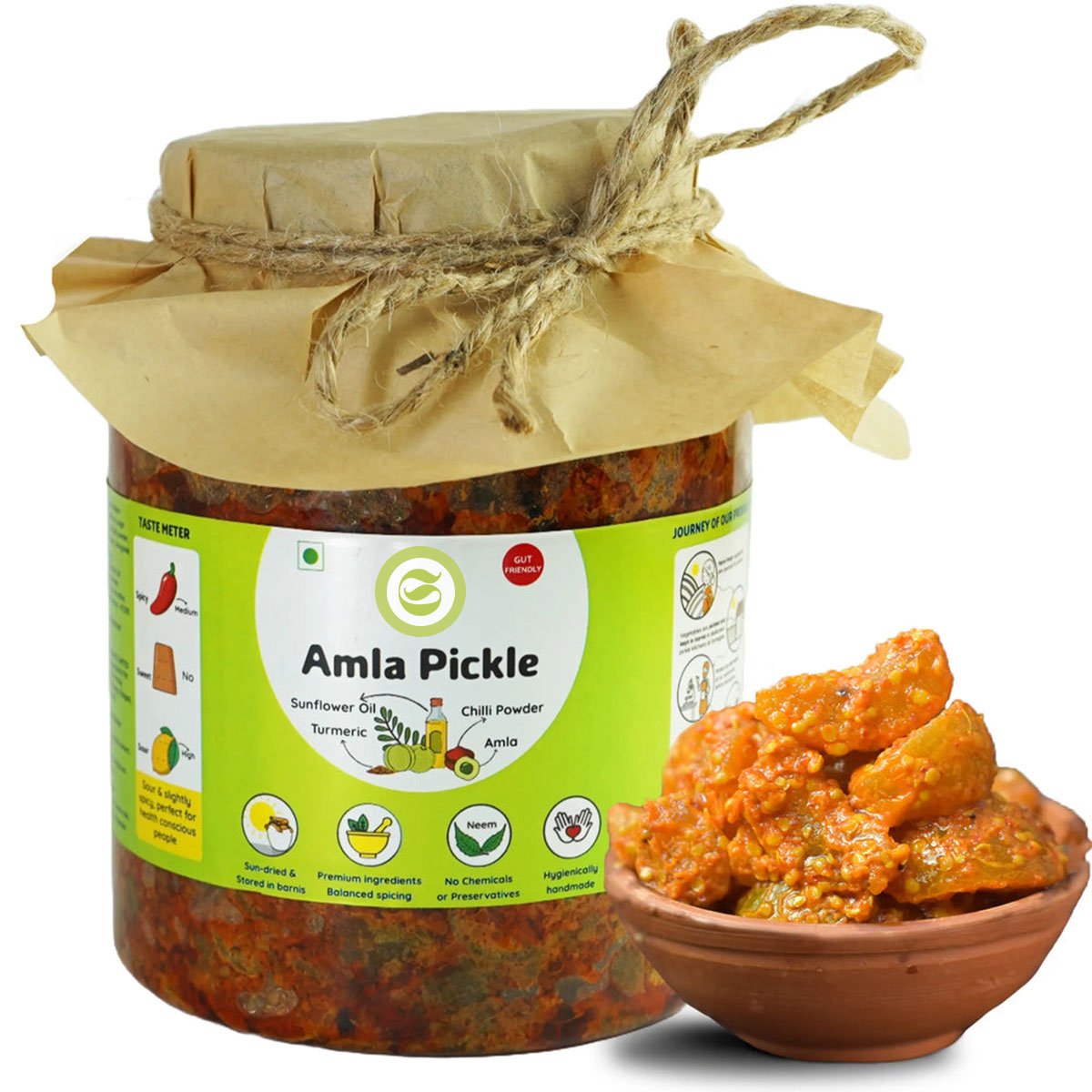



Table of Contents
- What Is Rose Laddu Sweet? The Fragrant Mithai Jaipur Made Famous
- The Story of Gulkand: The Heart of Every Rose Laddu
- What Makes Authentic Rose Laddu Different from Regular Ladoo?
- Rose Laddu Sweet Ingredients: Real Roses, Real Ghee, Real Craft
- Rose Laddu Nutrition: Gulkand Benefits and Calorie Guide
- Rose Laddu Sweet Price Guide: What Authentic Quality Costs
- How Govindam Jaipur Makes the Best Rose Ladoo in India
- How to Store Rose Laddu Sweet: Freshness and Shelf Life
- Best Occasions to Gift or Serve Rose Laddu Sweet
- Frequently Asked Questions About Rose Laddu Sweet
What Is Rose Laddu Sweet? The Fragrant Mithai Jaipur Made Famous
Some sweets you eat. And some sweets you experience before you even taste them.



Amla Chunda
Price range: ₹299.00 through ₹650.00
Amla Pickle
Price range: ₹299.00 through ₹650.00
Anardana Goli
Original price was: ₹200.00.₹150.00Current price is: ₹150.00.
Authentic Dodha Barfi – Traditional Milk Sweet Delight
Original price was: ₹650.00.₹500.00Current price is: ₹500.00.
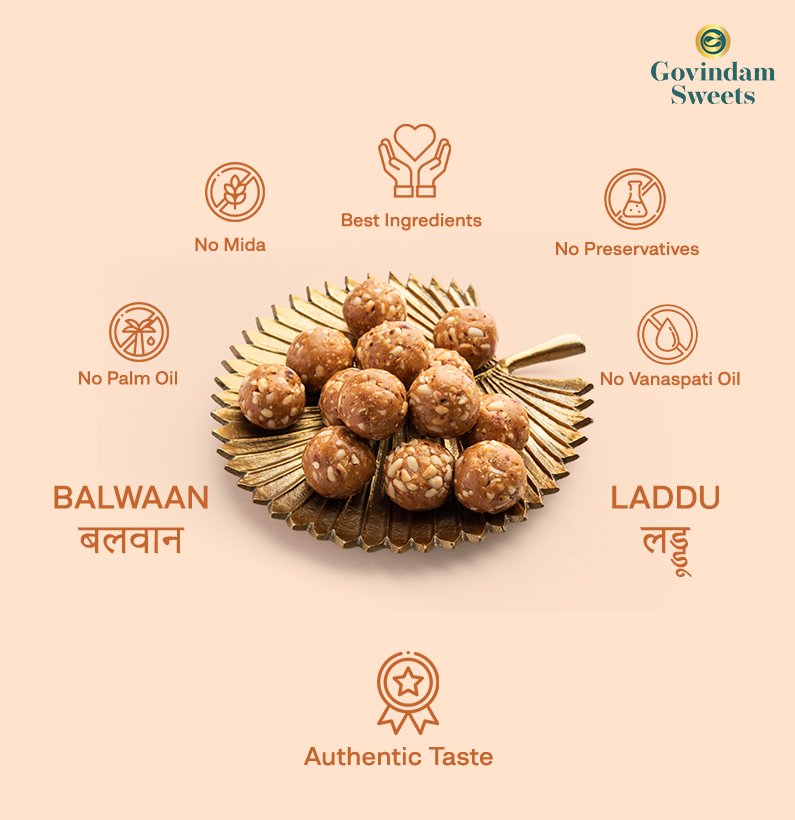
Balwan Laddu
Price range: ₹500.00 through ₹1,000.00
Besan Gatta
Original price was: ₹400.00.₹340.00Current price is: ₹340.00.
Besan Laddu
Price range: ₹270.00 through ₹540.00
Bikaneri Bhujia
Price range: ₹180.00 through ₹360.00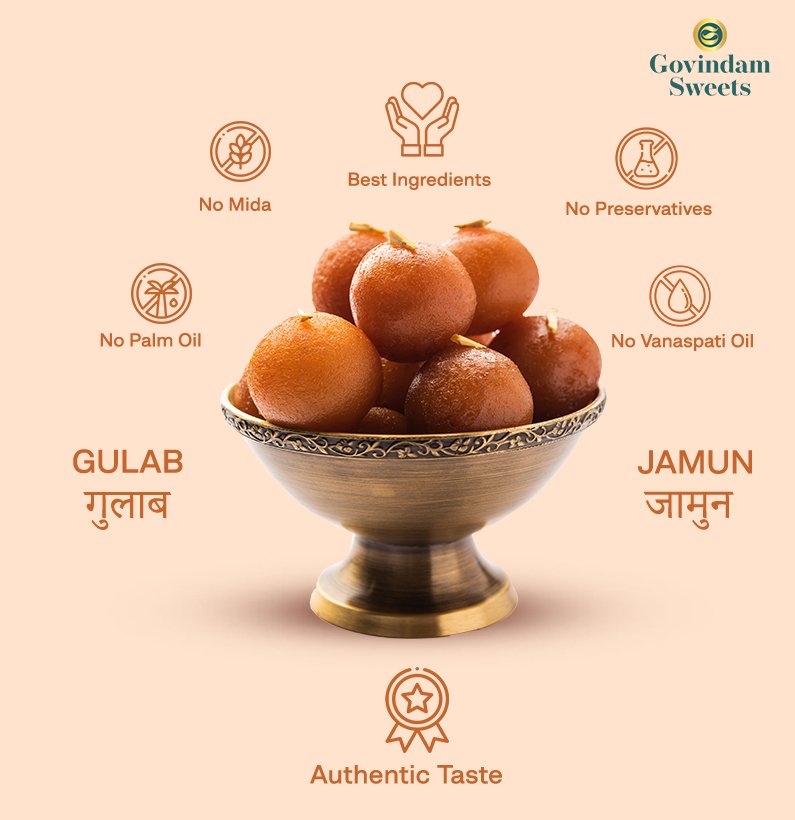
Black Gulab Jamun
Price range: ₹260.00 through ₹540.00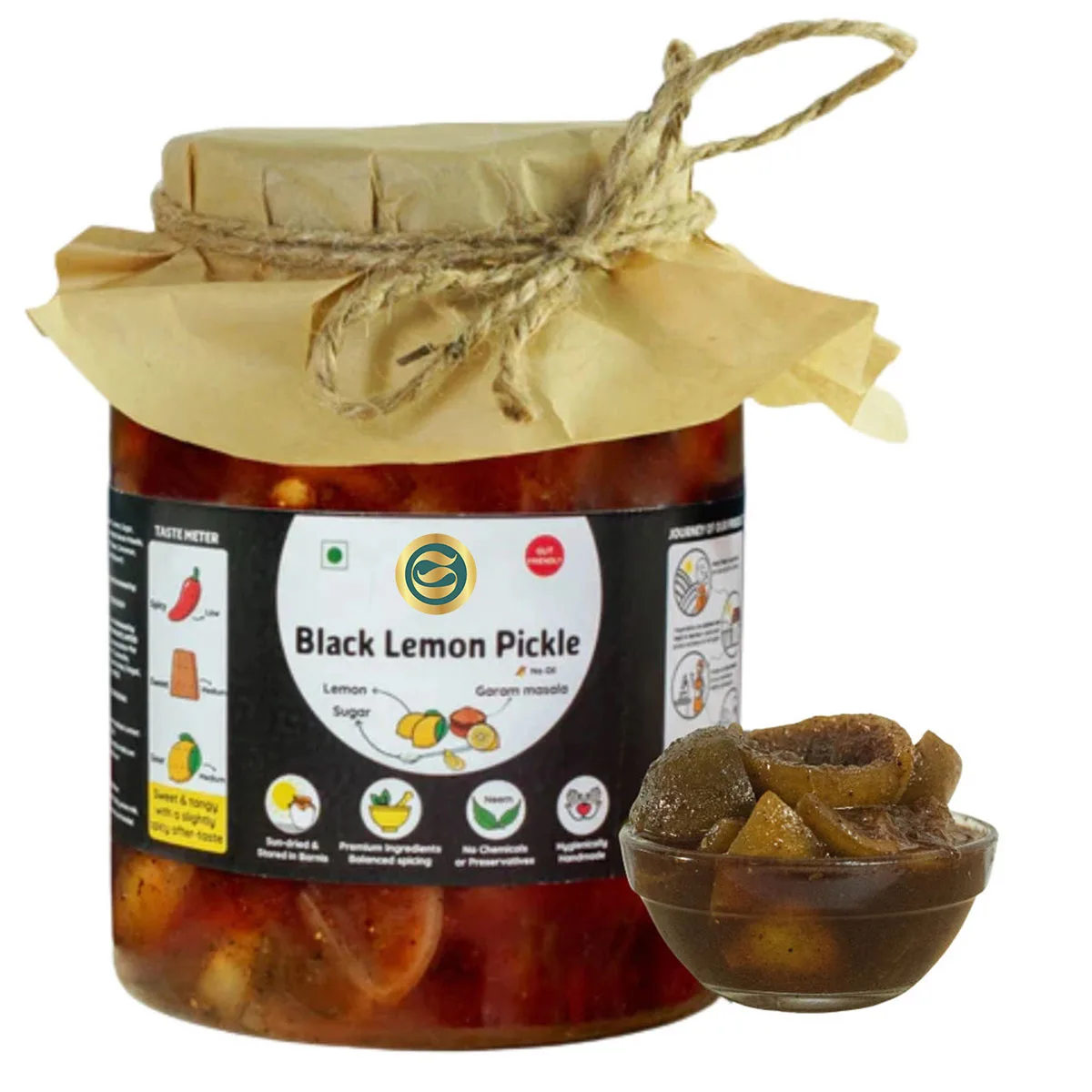
Black Lemon Pickle
Price range: ₹299.00 through ₹650.00Rose laddu sweet is the second kind. Pick one up and the fragrance reaches you first — a warm, layered floral sweetness that is not perfume and not fruit but something distinctly its own. The scent of gulkand, which is sun-cooked rose petal preserve, warming inside a besan-and-ghee ball. The faint green note of cardamom cutting through the sweetness. And underneath both of those, the particular dairy-rich warmth of pure desi ghee that has been worked into chickpea flour until the flour is completely saturated and begins to smell of something richer and more complex than either ingredient alone.
Then the taste. Soft. Giving. The exterior crumbles gently and the interior releases the concentrated sweetness of gulkand — rose petals reduced with sugar over weeks in the sun until the bitterness is completely gone and what remains is a smooth, intensely floral preserve that has no real equivalent in Western confectionery. There is nothing quite like it.

Rose laddu sweet occupies a specific and unusual position in Indian mithai culture. It is not a festival standard the way kaju katli or ghewar are. It is not a daily staple the way plain besan ladoo is. It is something more individual — a sweet that people seek out specifically because of its flavour, its colour, and the particular experience it delivers that no other mithai replicates.
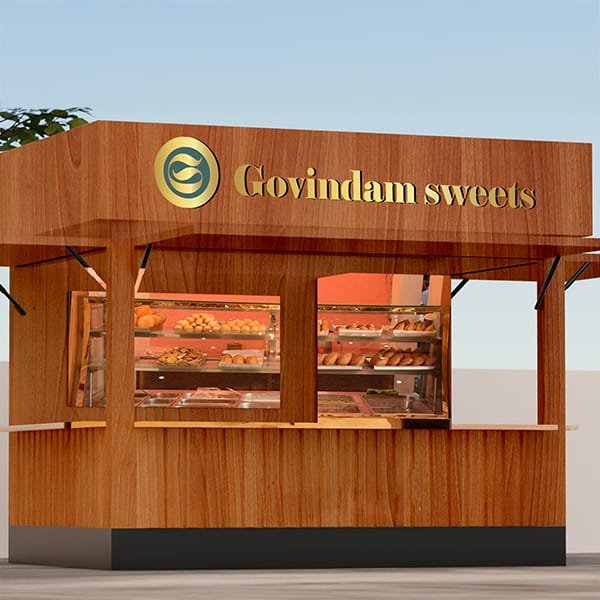
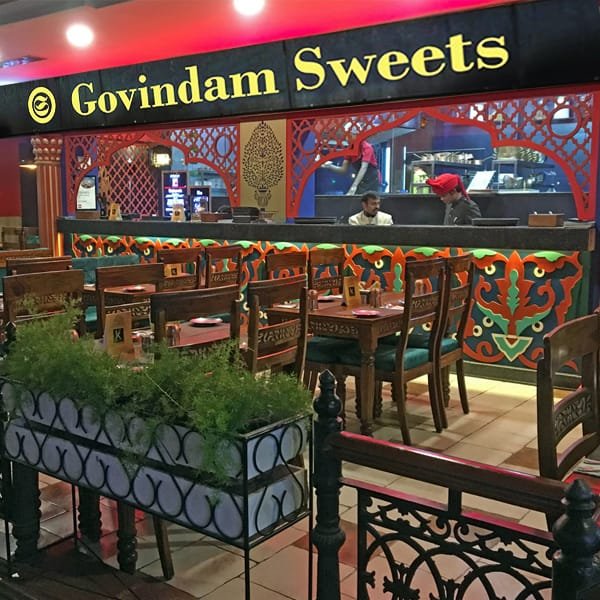
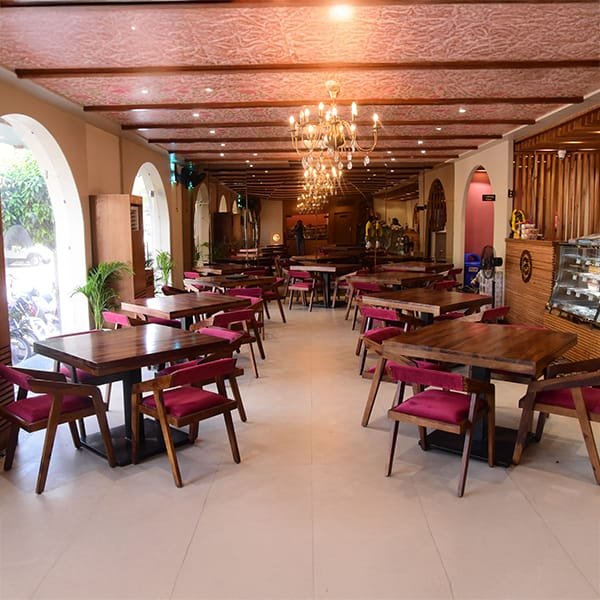
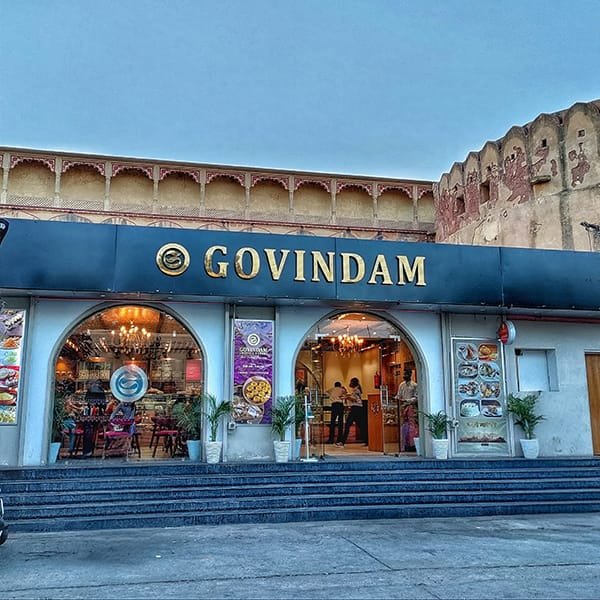
At Govindam Sweets, near Govind Dev Ji Temple, Gangori Bazaar, J.D.A. Market, Pink City, Jaipur, Rajasthan 302003, we have been making authentic rose laddu sweet since 1985. Our rose ladoo uses real gulkand, real rose water, and naturally obtained pink colour from rose petals — no synthetic rose essence, no artificial food colour, no flavour concentrate. Browse our complete sweets collection to see the full range we craft with the same standard.
The Story of Gulkand: The Heart of Every Rose Laddu
You cannot understand rose laddu sweet without understanding gulkand first. Because gulkand is not just an ingredient in this mithai — it is the reason this mithai exists.
Gulkand is a traditional Ayurvedic preserve made by layering fresh rose petals with pure sugar in a glass or earthen container and leaving the container in direct sunlight for 4 to 6 weeks, stirring daily. The sun’s warmth slowly draws the moisture from the petals, the petals slowly release their pigments and essential oils into the sugar, and the sugar slowly absorbs everything the petals have to give. The result is a thick, dark-pink, intensely fragrant preserve that looks like a rose-scented jam but tastes like nothing else in the pantry.
Gulkand has been used in Ayurvedic medicine for more than 2,000 years. The Ashtanga Hridayam — one of the foundational texts of classical Ayurveda — describes rose preparations as cooling, calming, and beneficial for digestive health, skin clarity, and mental wellbeing. Modern nutritional research has identified the high antioxidant content of rose petals, particularly flavonoids and polyphenols, as the likely basis for many of these traditional health claims.
In the context of rose laddu sweet, gulkand serves three simultaneous functions. It provides the primary flavour — that deep, warm, floral sweetness that cannot be replicated by rose essence or rose water alone. It provides the natural pink colour that makes rose ladoo visually distinctive among all traditional Indian mithai. And it provides genuine nutritional value — the antioxidant and digestive properties of the rose petals are transferred into the gulkand during the weeks of slow preservation, and then into the laddu during production.
The gulkand used in Govindam’s rose laddu sweet is sourced from traditional producers in Rajasthan who use the sun-cooking method exclusively. We do not use commercially processed gulkand, which is typically made with heat rather than sunlight and lacks the depth and complexity of the traditional preparation. The difference in the finished rose laddu sweet is significant enough to be noticeable on the first bite.
What Makes Authentic Rose Laddu Different from Regular Ladoo?
This question has a more interesting answer than most people expect. Because at first glance, a rose laddu sweet looks like a regular besan ladoo that has been coloured pink. Look closer and the differences become substantial.
The base of a genuine rose laddu sweet is still roasted besan and desi ghee — the same foundation as a traditional besan ladoo. But the integration of gulkand into this base changes the texture of the finished laddu in ways that matter considerably.
Gulkand is hygroscopic — it attracts and holds moisture. When incorporated into a roasted besan and ghee mixture, it prevents the laddu from becoming dry and crumbly the way a plain besan ladoo can over its shelf life. A properly made rose laddu sweet stays moister for longer, has a slightly softer bite, and releases flavour more immediately when eaten because the gulkand has distributed moisture evenly through the mass.
The colour difference is the most immediately visible distinction — but it is important to understand what the colour should look like in a genuine product. Authentic rose laddu sweet coloured with real gulkand and rose petals is not bright pink. It is pale to mid-dusty pink, sometimes edging toward mauve, with natural variation between batches because rose petal colour intensity varies by season and variety. Artificially coloured rose ladoo is consistently vivid pink — a uniform, primary-colour brightness that real rose petals never produce.
The fragrance difference is equally diagnostic. Real gulkand-based rose laddu sweet smells warm and floral — genuinely rose-like but with the depth and complexity of a preserved ingredient rather than the sharp, synthetic clarity of rose essence. If a rose ladoo smells like perfume counter rather than garden, it has been flavoured artificially.
At Govindam, we use no artificial colour and no synthetic rose essence in our rose laddu sweet. The pale pink you see and the warm rose fragrance you smell are both entirely from real gulkand and rose water. See our Rajasthani Special collection for the full range of traditionally crafted Rajasthani sweets we make with the same authenticity standard.
Rose Laddu Sweet Ingredients: Real Roses, Real Ghee, Real Craft
Every ingredient in Govindam’s rose laddu sweet is specific. Nothing is approximate. Nothing is substituted. And each ingredient contributes something the others cannot.
Besan — fine chickpea flour — is the structural base. At Govindam, we use double-sifted besan with a fine, even grain that roasts uniformly in ghee without clumping. The quality of the besan directly affects whether the finished rose laddu sweet has the smooth, cohesive interior texture or the grainy, inconsistent one that indicates poor-quality flour or insufficient roasting.
Pure desi ghee is roasted with the besan over a medium-low flame, stirred continuously, until the flour turns a deep golden colour and the kitchen fills with the nutty, rich aroma of perfectly roasted gram flour. This roasting process takes 20 to 25 minutes per batch and cannot be rushed. Under-roasted besan produces a raw, floury taste that no amount of gulkand or sugar can mask. Over-roasted besan produces a bitter, burned note that ruins the floral quality of the rose laddu sweet entirely. The correct end point is a specific shade of golden-amber and a specific smell — something between toasted nuts and caramel — and our karigars read it by eye and nose rather than by timer.
Gulkand is the defining flavouring ingredient — folded into the warm roasted besan-ghee mixture in a measured quantity that delivers full rose flavour without making the laddu too sticky to shape. The exact proportion of gulkand to besan is the central recipe parameter that distinguishes one producer’s rose laddu sweet from another’s.
Pure sugar or bura — fine powdered sugar — is added after the besan has cooled slightly from roasting. Adding sugar to hot ghee-besan causes it to partially melt and crystallise unevenly, producing a gritty texture. Adding it at the right cooled-but-still-warm temperature allows even incorporation.
Rose water, sourced from traditional Rajasthani distilleries in Pushkar, adds the top-note floral freshness that gulkand alone, being a cooked preserve, cannot contribute. The combination of cooked gulkand for depth and fresh rose water for brightness is what gives Govindam’s rose laddu sweet its layered fragrance.
Chopped pistachios and dried rose petals are the garnish — pressed lightly into the surface of each laddu before it sets. The dried rose petals are not decorative. They are a direct visual signal of the genuine rose ingredient inside.
No artificial colour. No synthetic rose essence. No binding agent. No preservative. The ingredients listed are the complete formula.
Rose Laddu Nutrition: Gulkand Benefits and Calorie Guide
Rose laddu sweet is not a low-calorie food. The besan, ghee, and sugar combination produces a calorie-dense product — which is appropriate for a mithai. But the presence of real gulkand gives this particular ladoo a genuine nutritional dimension that plain besan ladoo does not have.
| Nutrient | Per 100g Govindam Rose Laddu | Notes |
|---|---|---|
| Calories | 420 to 460 kcal | Besan, ghee, sugar, and gulkand base |
| Total Fat | 22 to 26 grams | Primarily from pure desi ghee |
| Saturated Fat | 14 to 18 grams | From dairy ghee, no trans fats |
| Carbohydrates | 48 to 55 grams | From besan, sugar, and gulkand |
| Protein | 9 to 12 grams | From chickpea flour base |
| Fibre | 3 to 5 grams | Higher than milk-based ladoos |
| Iron | 2 to 3 mg | From chickpea flour |
| Folate | 80 to 100 mcg | From chickpea flour |
| Trans Fat | 0 grams | No hydrogenated fat used |
| Artificial Colour | None | Colour from real gulkand and rose petals |
The gulkand in rose laddu sweet contributes antioxidant polyphenols from rose petals — specifically flavonoids including quercetin and kaempferol, which multiple peer-reviewed studies have linked to anti-inflammatory and digestive health effects. Traditional Ayurvedic use of gulkand as a cooling, digestive, and skin-supporting supplement is consistent with these modern findings.
The chickpea flour base provides meaningful protein — 9 to 12 grams per 100 grams — along with dietary fibre and iron that milk-based ladoos do not offer. A serving of two medium rose laddu sweet pieces, weighing approximately 60 to 70 grams, provides approximately 250 to 320 calories with 5 to 8 grams of protein.
Rose Laddu Sweet Price Guide: What Authentic Quality Costs
The price of rose laddu sweet varies significantly based on whether the producer is using real gulkand or synthetic rose flavouring, real ghee or refined oil, and natural colouring or food dye.
| Format | Price Range | Notes |
|---|---|---|
| 250g standard sweet shop | Rs 140 to 240 | Colour and aroma tell you whether it is real gulkand |
| 500g mid-range branded | Rs 280 to 420 | Check ingredient list for artificial colour and essence |
| 500g premium real gulkand | Rs 380 to 560 | Govindam and equivalent quality producers |
| Dry Fruit Rose Laddu 500g | Rs 480 to 700 | Premium pistachio and almond loading |
| Online delivery pan-India | Rs 420 to 680 per 500g | Cold-chain packaging included |
| Rose Laddu gift box | Rs 550 to 1100 | Presentation packaging with personalised message |
The rose laddu sweet price at Govindam reflects the cost of real sun-cooked gulkand, pure desi ghee, rose water from Pushkar, and dried rose petals — all of which cost meaningfully more than their synthetic and refined alternatives.
For bulk orders above 2kg — commonly requested for weddings, corporate Holi gifting, and Valentine’s Day hampers — contact Govindam directly at +91-7976304072 or email info@govindam.co.in. Orders above Rs 4000 receive a 20 percent discount automatically at checkout on our online shop.
How Govindam Jaipur Makes the Best Rose Ladoo in India
The most important decision Govindam made about rose laddu sweet is the one we made in 1985 and have not reconsidered since. Real gulkand. Not rose essence. Not food colour. Not flavoured syrup. Real sun-cooked gulkand made from actual rose petals, by traditional producers in Rajasthan, using the same method that Ayurvedic texts described two millennia ago.
This decision costs more. Genuine sun-cooked gulkand from Rajasthan’s rose-growing regions — primarily Pushkar and the districts around Ajmer — is significantly more expensive per kilogram than commercially processed gulkand or synthetic rose flavouring. It also has batch-to-batch variation in colour intensity and fragrance depth, which means the pink of one batch of rose laddu sweet may differ slightly from the previous batch depending on the rose variety and the season.
That variation is real. It is also exactly what distinguishes a genuine rose laddu sweet from an artificially produced one. Consistency is the mark of synthetic production. Slight, natural variation is the mark of real ingredients.
The besan roasting at Govindam takes place at our kitchen near Govind Dev Ji Temple, Gangori Bazaar every morning before 6 AM. The ghee is measured by weight, not by volume. The roasting is judged by the colour and smell of the mixture, not by a timer. And the gulkand is folded in at the precise temperature window where it incorporates smoothly without melting the sugar or making the mixture too soft to shape.
Each rose laddu sweet is shaped by hand — rolled between the palms with consistent pressure to form a smooth, uniform ball. The pistachio and dried rose petal garnish is pressed lightly into the surface before the laddu sets. And the finished pieces are arranged on trays, allowed to cool completely, and packed into cold-chain packaging for delivery within hours of production.
Our rose ladoo product page shows the current variants and pricing, with online ordering available for pan-India delivery.
How to Store Rose Laddu Sweet: Freshness and Shelf Life
Rose laddu sweet has a better shelf life than most dairy-based mithai, because the besan and ghee base is naturally more stable than milk-solid or chenna-based sweets. However, the gulkand content does introduce some moisture, which means storage conditions matter more than they would for a pure dry-ingredient ladoo.
At room temperature in a cool, dry place away from direct sunlight and under 25 degrees Celsius, rose laddu sweet stays fresh and fragrant for 7 to 10 days. The ghee acts as a natural preservative and the low moisture content of the besan base resists microbial growth effectively.
Refrigerated in an airtight container, rose laddu sweet maintains quality for 15 to 18 days. The fragrance intensifies slightly when the laddu is removed from the refrigerator and allowed to come to room temperature before eating — cold blunts the volatility of the rose compounds that carry the aroma.
Do not store rose laddu sweet in a humid environment. The gulkand content means the laddu will absorb ambient moisture more readily than a plain besan ladoo, which softens the exterior and makes the texture sticky rather than smooth. Airtight storage is essential.
All Govindam orders include a printed manufacture date and best-before date on the packaging. Our cold-chain packaging is rated for 48 to 72 hours of temperature maintenance during transit — sufficient for standard pan-India delivery windows.
Best Occasions to Gift or Serve Rose Laddu Sweet
Rose laddu sweet is one of the most visually striking mithai available in Jaipur — the naturally pink colour, the pressed rose petal garnish, and the distinctive fragrance make it immediately memorable as a gift in a way that most brown or cream-coloured sweets cannot match.
Valentine’s Day and romantic gifting is the most obvious contemporary application — and it works precisely because rose laddu sweet is genuinely romantic without being forced or kitsch. A box of real rose ladoo with a card communicates thoughtfulness, cultural awareness, and quality simultaneously. Our gifts section includes rose laddu sweet in curated gift boxes specifically assembled for romantic gifting occasions.
Holi festival gifting is the traditional primary context. Rose is Holi’s primary colour and primary fragrance — thandai is flavoured with rose water, gulal (colour powder) is traditionally rose-scented, and rose laddu sweet completes the festival palette in a way that no other mithai does. Govindam’s Holi gift boxes including rose ladoo are among our fastest-selling seasonal products. Our festival collection features curated Holi hampers built around rose and floral themes.
Wedding return gifts use rose laddu sweet effectively because the pink colour photographs beautifully in the context of wedding aesthetics and the fragrance leaves a strong sensory impression on guests — which is precisely what a thoughtful return gift should do.
Baby shower and naming ceremony gifting is another growing use case, particularly for baby girls. The rose colour association, the gentle floral fragrance, and the genuine Ayurvedic benefits of gulkand — long considered a healthy ingredient for women and new mothers — all make rose laddu sweet an appropriate and considered choice.
New Year, corporate festivals, and general premium gifting also work naturally for rose laddu sweet because it stands out in a market full of kaju katli and boondi ladoo. The recipient who opens a rose laddu gift box has almost certainly never received it before — which makes the impression it leaves considerably stronger.
Frequently Asked Questions About Rose Laddu Sweet
Q1. What exactly is rose laddu sweet made from?
Rose laddu sweet is made from double-sifted chickpea flour (besan) roasted in pure desi ghee until golden and nutty, then combined with real sun-cooked gulkand (rose petal preserve), fine powdered sugar, fresh rose water from Pushkar, and green cardamom. Each laddu is shaped by hand and garnished with chopped pistachios and dried rose petals. Govindam uses no artificial colour, no synthetic rose essence, and no preservatives.
Q2. What is gulkand and why is it used in rose laddu?
Gulkand is a traditional Ayurvedic rose petal preserve made by layering fresh rose petals with pure sugar and cooking them in sunlight for 4 to 6 weeks. The resulting preserve is thick, dark-pink, and intensely fragrant. In rose laddu sweet, gulkand provides the primary rose flavour, the natural pink colour, and genuine Ayurvedic benefits including antioxidant polyphenols, digestive support, and the cooling properties traditionally attributed to rose preparations in classical Indian medicine.
Q3. How is authentic rose laddu different from artificially flavoured rose ladoo?
Authentic rose laddu sweet coloured with real gulkand is pale to mid dusty-pink — never vivid primary pink. It smells warm, layered, and genuinely floral — not sharp or perfume-like. The texture is slightly softer than plain besan ladoo because gulkand introduces natural moisture. Artificially flavoured rose ladoo is consistently bright pink, smells of synthetic rose essence, and lacks the depth of flavour that real gulkand provides. At Govindam, the natural colour variation between batches is itself a guarantee of authenticity.
Q4. How long does rose laddu sweet stay fresh?
At room temperature in a cool, dry, airtight container, rose laddu sweet stays fresh for 7 to 10 days. Refrigerated, it maintains quality for 15 to 18 days. Store away from humidity, which softens the exterior. All Govindam orders include a printed best-before date and cold-chain packaging rated for 48 to 72 hours of transit. For any freshness query on receipt, call +91-7976304072 or email info@govindam.co.in.
Q5. Can rose laddu sweet be shipped internationally?
Yes. Govindam ships rose ladoo to the UK, USA, UAE, Canada, Singapore, Australia, and several European countries. The 7 to 10 day room-temperature shelf life makes rose laddu suitable for international shipping in standard insulated packaging. For destinations with customs inspection delays, we recommend our vacuum-packed rose laddu variant with an extended 18 to 20 day shelf life. Check our global shipping page or call +91-7976304072 for your country’s specific details.
Q6. Is rose laddu sweet suitable for children?
Yes, absolutely. Rose laddu sweet is made entirely from vegetarian, natural ingredients — real gulkand, pure ghee, chickpea flour, and natural rose water. There are no artificial colours, no synthetic flavours, and no preservatives. The gulkand in rose laddu has a long history of safe use for children in Ayurvedic tradition, where it is considered a gentle digestive and cooling supplement. As with any sweet, moderation is recommended for young children.
Q7. Does the colour of rose laddu vary between batches?
Yes, and this variation is a sign of quality, not inconsistency. Real gulkand made from sun-cooked rose petals varies in colour intensity depending on the rose variety, the season, and the duration of sun-cooking. Govindam’s rose laddu sweet is pale to mid dusty-pink — deeper in batches from darker gulkand, lighter in batches from a different rose variety. Artificially coloured rose ladoo is uniformly vivid pink in every batch because synthetic food colour does not vary. The natural variation in our rose laddu sweet is proof that the colour is real.
Visit or Contact Govindam Sweets
Govindam Sweets has been making authentic rose laddu sweet and traditional Rajasthani mithai from one address since 1985.
Near Govind Dev Ji Temple, Gangori Bazaar, J.D.A. Market, Pink City, Jaipur, Rajasthan 302003
Phone and WhatsApp: +91-7976304072
Email: info@govindam.co.in
Website: https://www.govindam.co.in/
Pan-India delivery is available on all orders with cold-chain packaging. Orders above Rs 4000 receive a 20 percent discount automatically at checkout. Same-day delivery within Jaipur city limits is available for orders placed before 11 AM. International shipping available — check the global shipping page for your country.
Shop Rose Laddu Now — Explore Festival Collection — View All Gift Options
