
Posts
Besan Ladoo Sweet — India’s Most Traditional Chickpea Flour Laddu Guide 2026

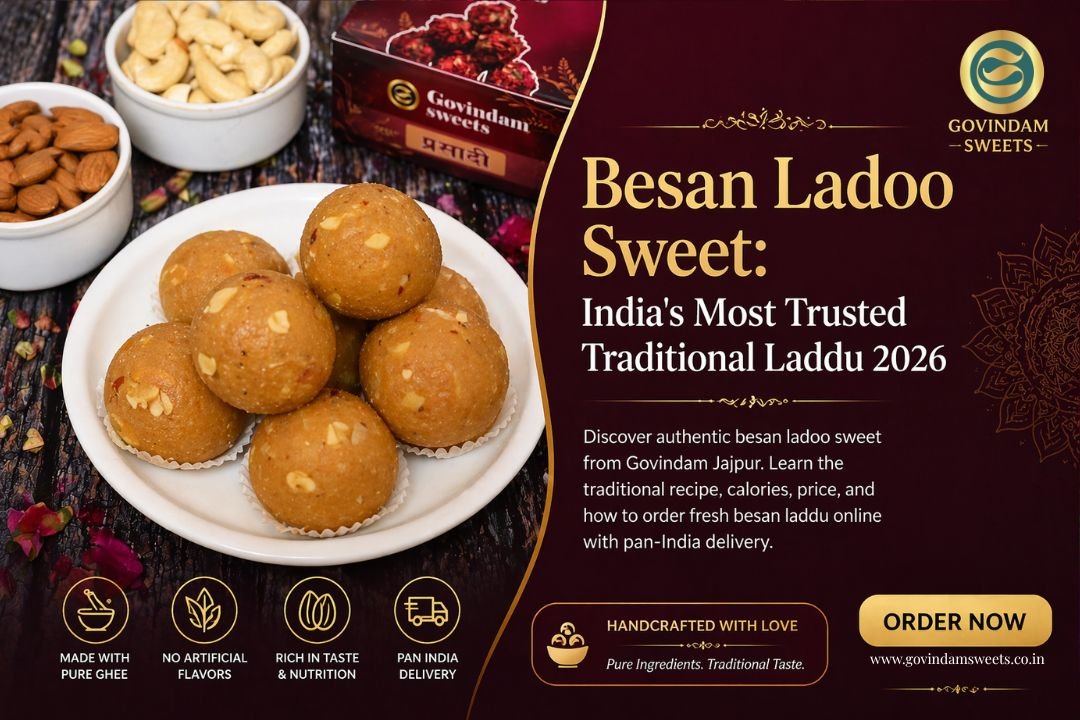
Besan ladoo sweet is India’s most comforting traditional mithai — golden balls of slow-roasted chickpea flour, pure desi ghee, sugar, and cardamom, shaped by warm hands into the round form that every Indian grandmother has made for generations. Govindam Sweets Jaipur crafts authentic besan laddu since 1985 near Govind Dev Ji Temple with pan-India delivery.
Besan Ladoo Sweet — India’s Most Trusted Traditional Laddu
By Govindam Sweets | Master Confectioners | Near Govind Dev Ji Temple, Gangori Bazaar, Jaipur | FSSAI Certified | Est. 1985 Published: April 2026 | Reading Time: 11 Minutes

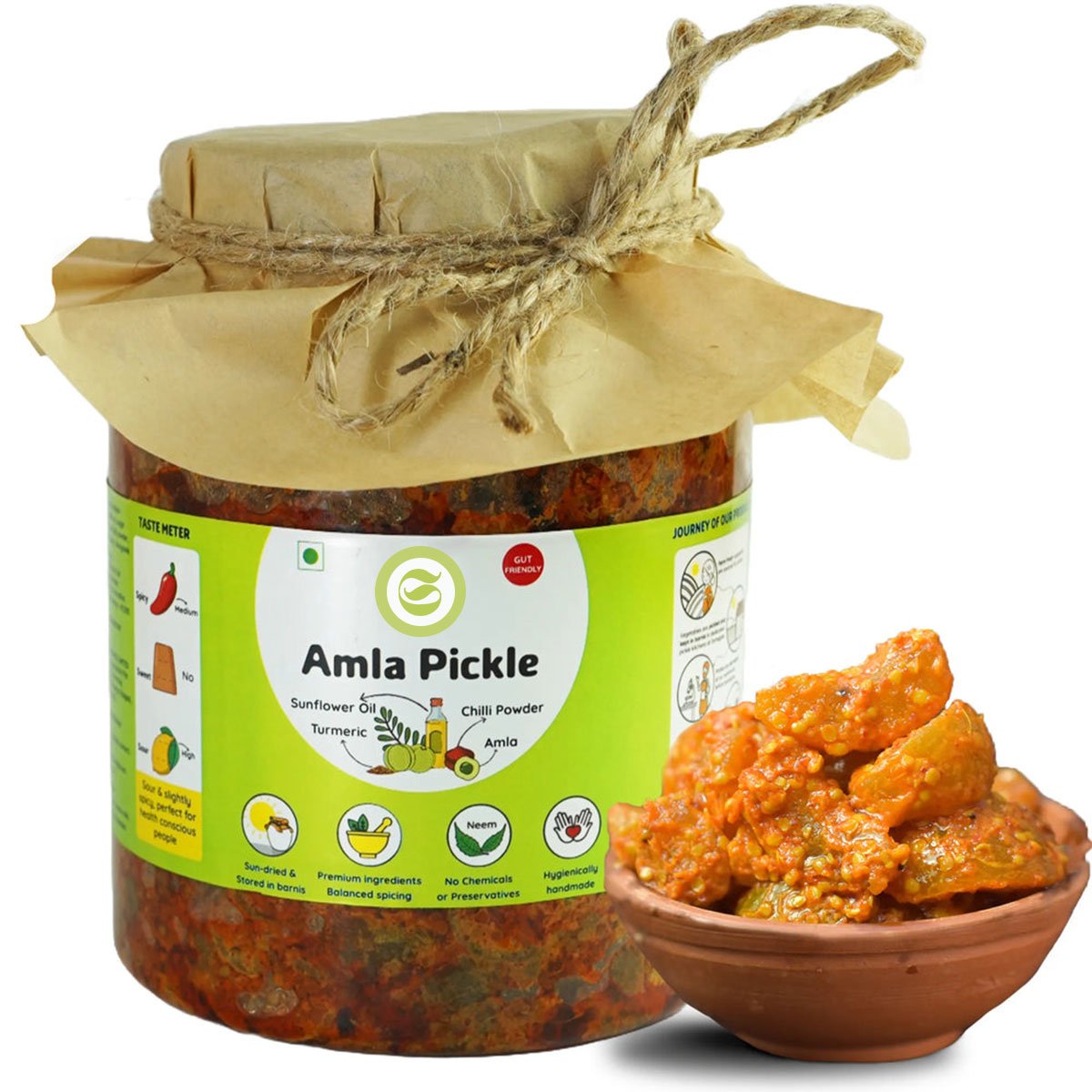
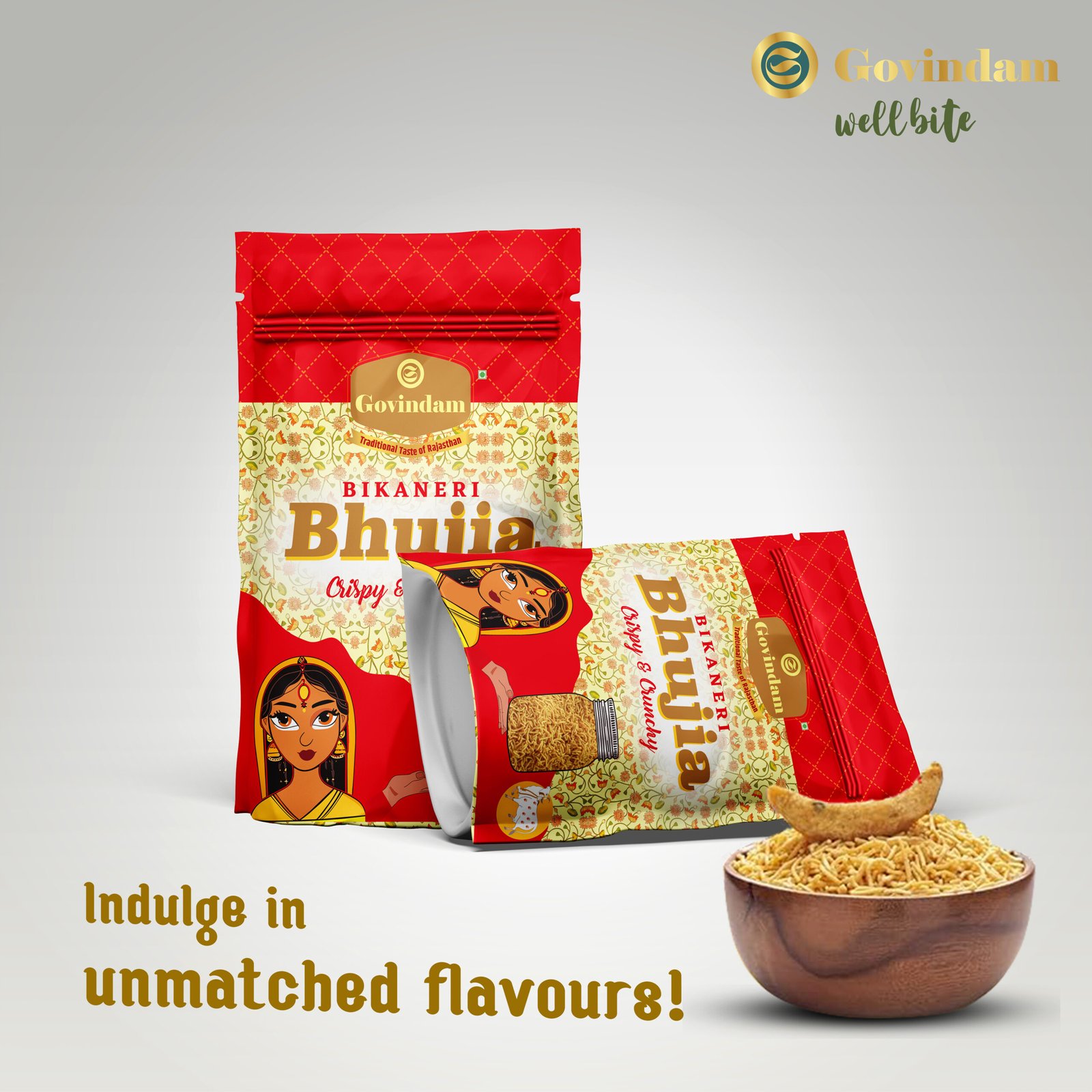
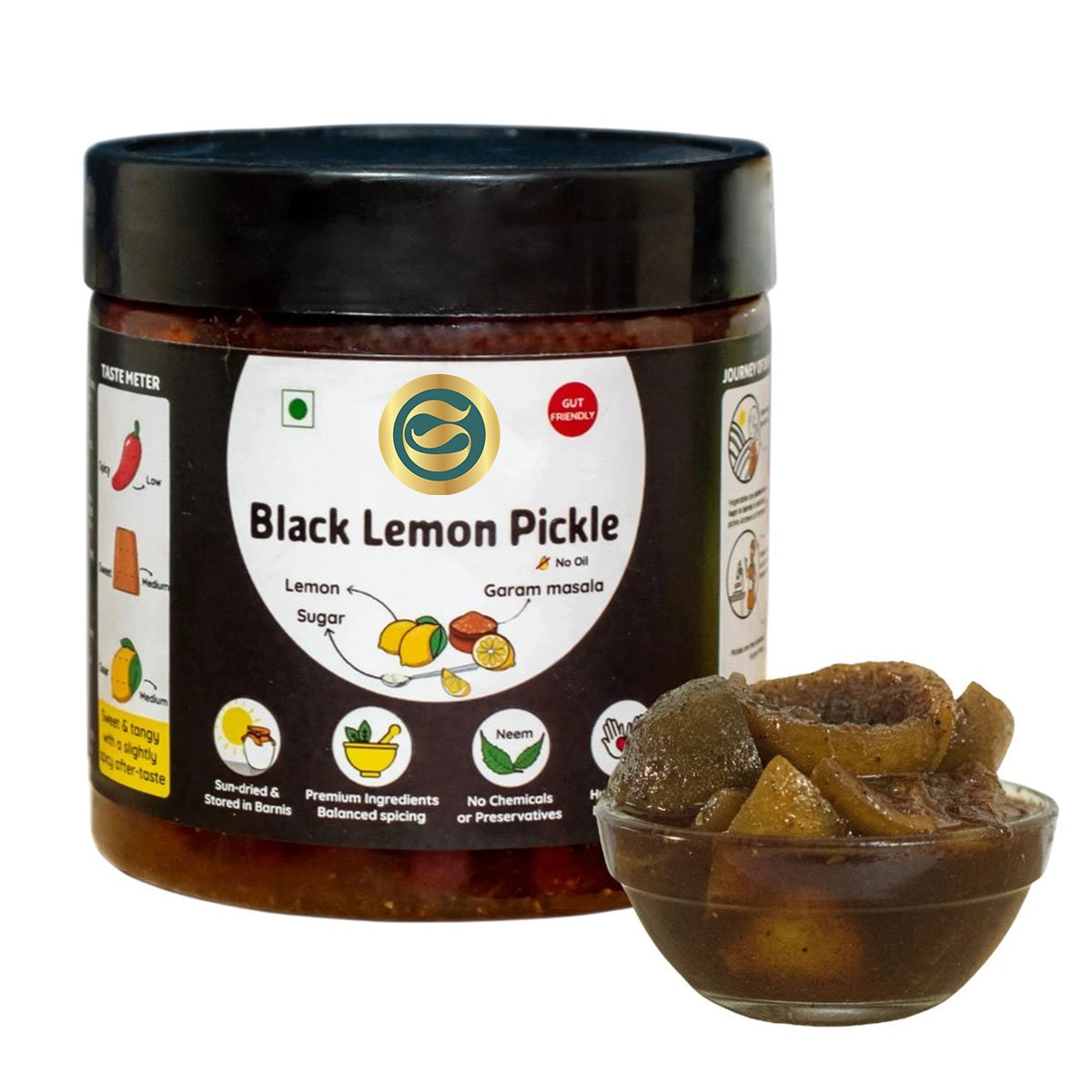



Table of Contents
- What Is Besan Ladoo Sweet? The Story of India’s Grandmother’s Mithai
- The History of Besan Ladoo: From Ancient Kitchens to Modern Tables
- What Makes Authentic Besan Ladoo Different from Poor Imitations?
- Besan Ladoo Sweet Ingredients: Simple List, Demanding Technique
- Besan Ladoo Nutrition: Calories, Protein, and Genuine Health Value
- Besan Ladoo Sweet Price Guide: What Fresh Quality Costs
- How Govindam Jaipur Makes the Best Besan Laddu in India
- How to Store Besan Ladoo Sweet: Shelf Life and Freshness Guide
- Best Occasions to Gift or Serve Besan Ladoo Sweet
- Frequently Asked Questions About Besan Ladoo Sweet
What Is Besan Ladoo Sweet? The Story of India’s Grandmother’s Mithai
Every Indian family has a version of this memory. A grandmother, or a mother, or an aunt, standing at the stove with a wooden ladle and a heavy-bottomed vessel. The kitchen filling with a smell that is unlike anything else — warm, nutty, slightly sweet, with the particular golden depth of chickpea flour roasting slowly in ghee. And when the balls are shaped and cooled and put into the dabba, the instruction is always the same. Two at a time. No more.



Amla Chunda
Price range: ₹299.00 through ₹650.00
Amla Pickle
Price range: ₹299.00 through ₹650.00
Anardana Goli
Original price was: ₹200.00.₹150.00Current price is: ₹150.00.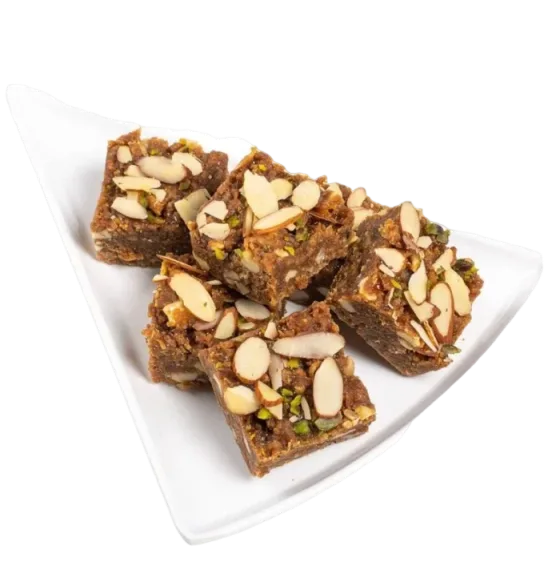
Authentic Dodha Barfi – Traditional Milk Sweet Delight
Original price was: ₹650.00.₹500.00Current price is: ₹500.00.
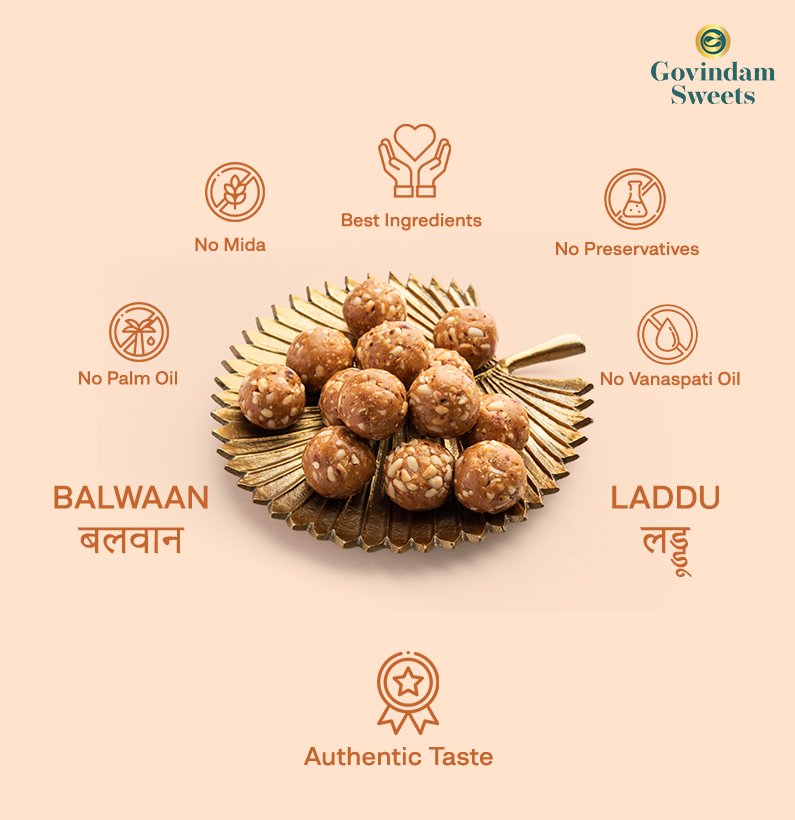
Balwan Laddu
Price range: ₹500.00 through ₹1,000.00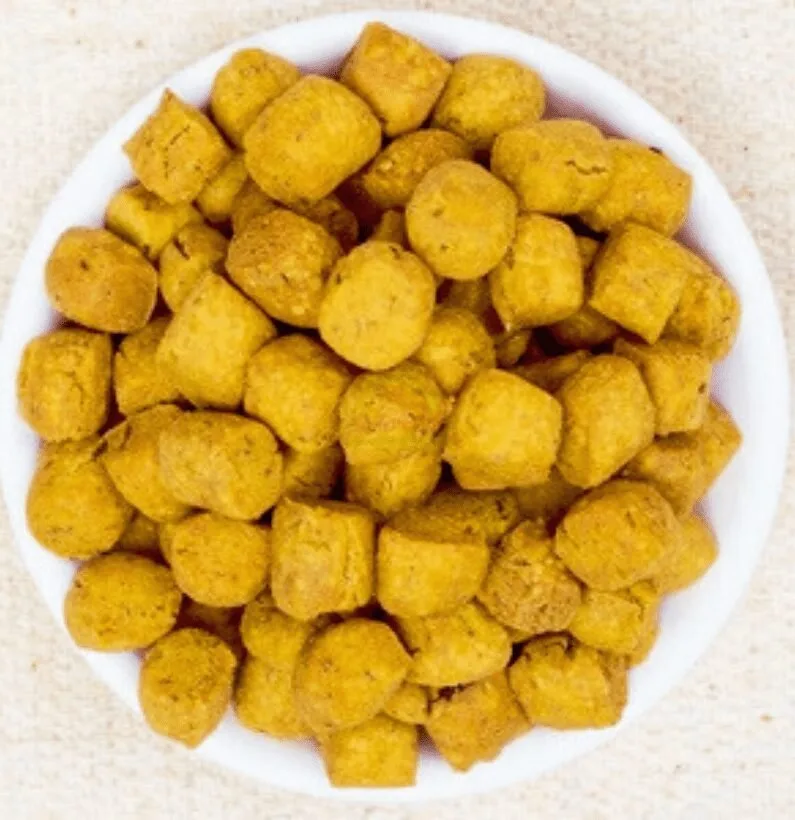
Besan Gatta
Original price was: ₹400.00.₹340.00Current price is: ₹340.00.
Besan Laddu
Price range: ₹270.00 through ₹540.00
Bikaneri Bhujia
Price range: ₹180.00 through ₹360.00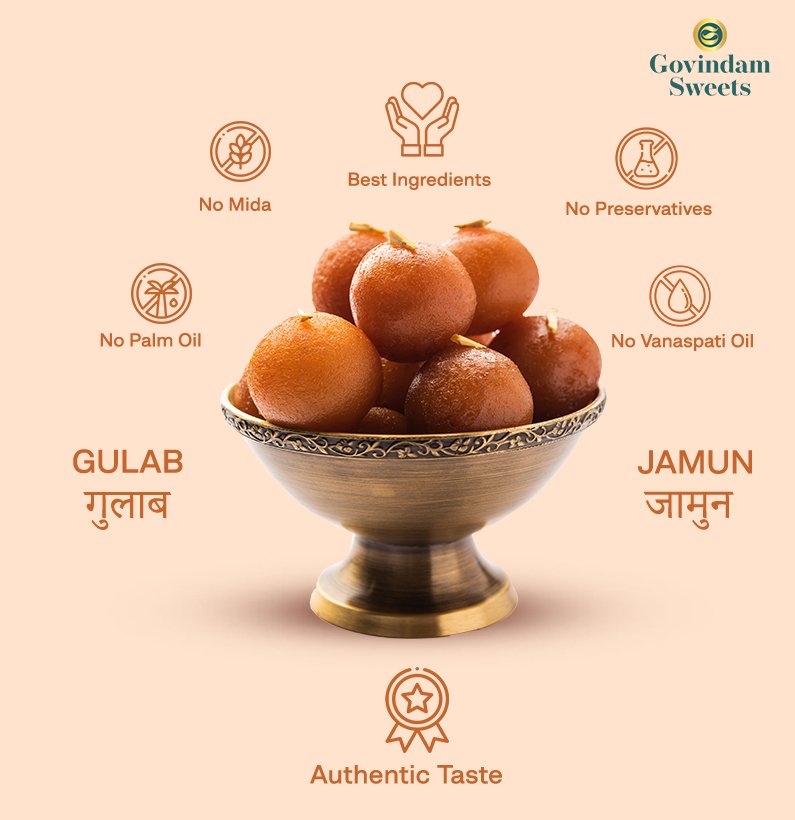
Black Gulab Jamun
Price range: ₹260.00 through ₹540.00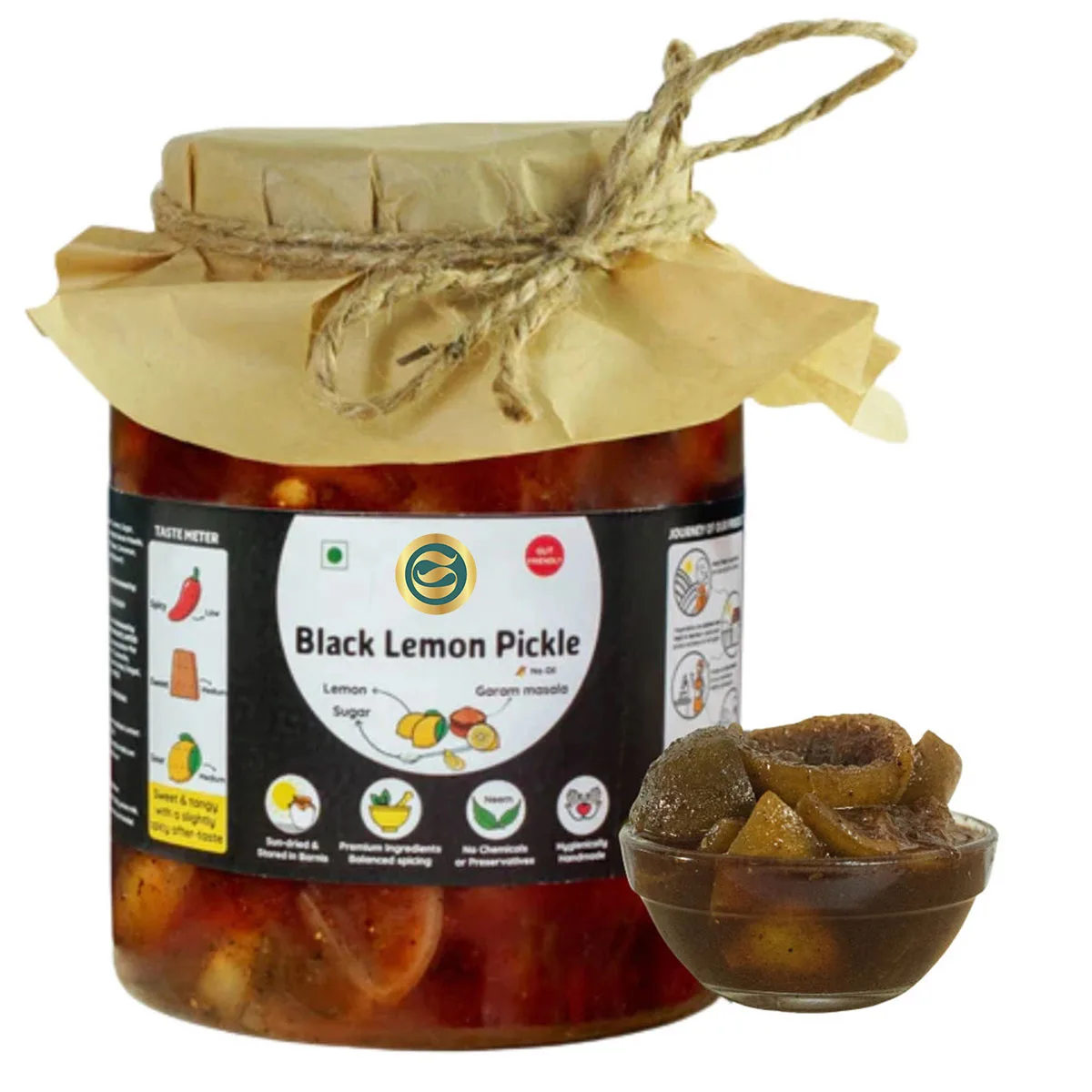
Black Lemon Pickle
Price range: ₹299.00 through ₹650.00That smell. That instruction. That dabba. They all belong to besan ladoo sweet.
Besan ladoo sweet is made from three primary ingredients — roasted chickpea flour, pure desi ghee, and powdered sugar — shaped by hand while still warm into round balls and allowed to set at room temperature. It is, by most measures, the simplest recipe in Indian mithai. And it is, by most measures, the most technically demanding to get completely right. Because the entire quality of the finished besan ladoo sweet depends on a single step — the roasting — that takes 25 to 35 minutes of continuous stirring, demands exact heat calibration, and has a correct end point that cannot be described precisely in words. It has to be learned.
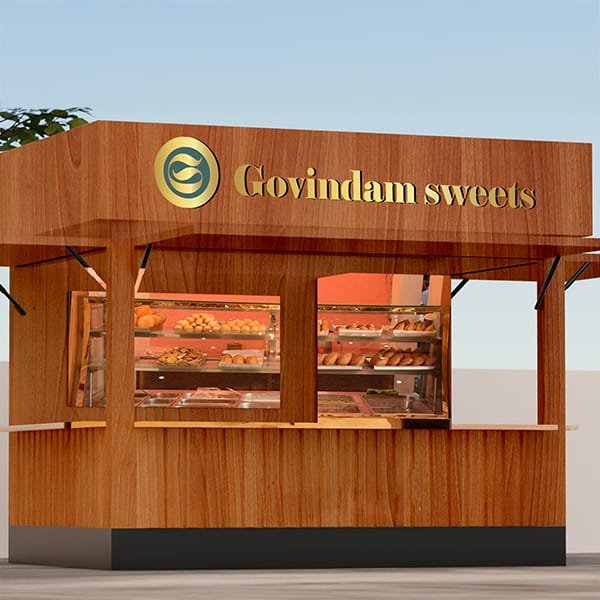

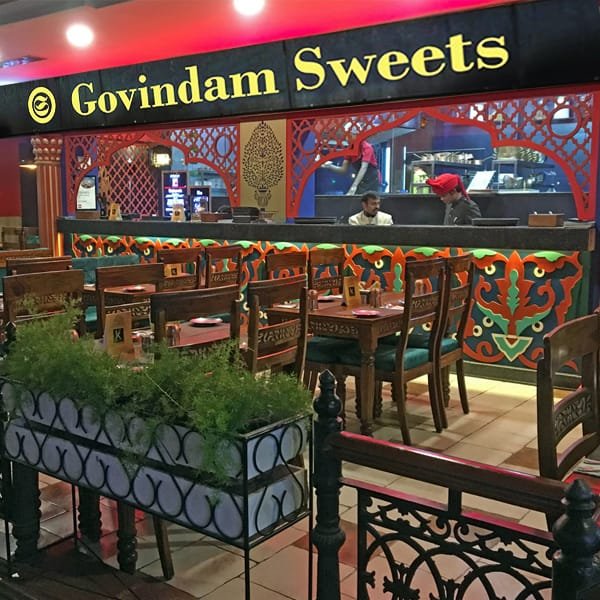
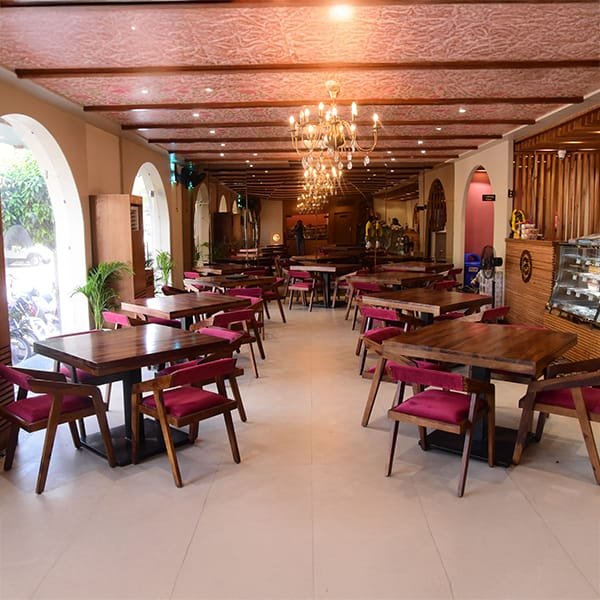
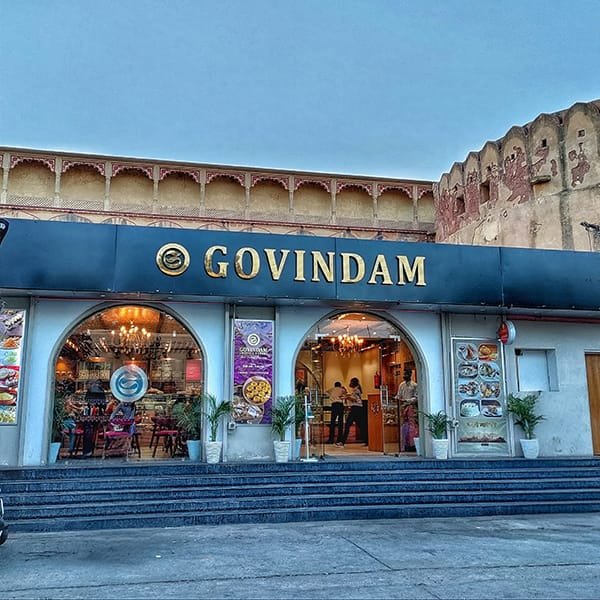
At Govindam Sweets, near Govind Dev Ji Temple, Gangori Bazaar, J.D.A. Market, Pink City, Jaipur, Rajasthan 302003, we have been making authentic besan ladoo sweet since 1985. The recipe is the simplest one in our kitchen. The craft required to execute it correctly is not simple at all. Browse our complete ladoo collection to see the full range we make with the same standard.
The History of Besan Ladoo: From Ancient Kitchens to Modern Tables
Chickpea flour — called besan in Hindi, gram flour in English — has been a staple of Indian cooking for at least 4,000 years. Archaeological evidence from the Indus Valley Civilisation includes carbonised chickpea remains, and chickpea cultivation is documented in Indian agricultural texts from the Vedic period onward.
The conversion of besan into a sweet confection — roasted in fat with sugar — was a natural development in a food culture that used roasting as a primary preservation and flavour-development technique. The fat used in ancient preparation was almost certainly clarified butter or animal fat, and the sweetener was most likely jaggery. The modern version, which uses refined sugar and the specific cardamom accent, is likely a Mughal-period refinement of an older, simpler preparation.
Besan ladoo sweet holds a position in Indian festival culture that goes significantly deeper than mere preference. According to research published by the Indian Institute of Food Science and Technology, besan — chickpea flour — was historically considered an auspicious ingredient in Hindu ritual cooking because chickpeas were associated with prosperity, fertility, and the divine in Vedic texts. This association made besan ladoo sweet the natural choice for temple prasad distributions and religious ceremony offerings — a role it continues to fill in temples across Rajasthan, UP, Maharashtra, and beyond.
The specific association of besan ladoo sweet with Dussehra — the festival celebrating the victory of good over evil — is particularly strong in North India and Rajasthan. On Dussehra, families traditionally offer besan ladoo as prasad during the Ram Lila celebration and distribute it to visitors. This is not a recent custom. Historical accounts from the Jaipur royal court describe besan laddu distributions during Dussehra festivals as far back as the 18th century, administered by the court halvais of whose tradition the sweet shops of Gangori Bazaar are the living successors.
What Makes Authentic Besan Ladoo Different from Poor Imitations?
The range of quality in besan ladoo sweet is wider than in almost any other Indian mithai. This is partly because the recipe is so simple that every household and every sweet shop makes it, and partly because the single critical step — the roasting — is so easy to get wrong without immediately obvious signs.
Under-roasted besan is the most common failure. When chickpea flour is not roasted long enough in ghee, it retains a raw, slightly bitter, starchy taste that no amount of sugar or cardamom can mask. The colour of under-roasted besan is pale yellow, and the texture of the finished besan ladoo sweet is slightly dense and pasty rather than crumbly-tender. This is what makes a ladoo feel heavy and leaves you thirsty after eating — the raw starch in under-roasted flour acts like cornstarch in the digestive system.
Over-roasted besan is less common but equally ruinous. When the flour is taken too dark in the ghee, it develops a bitter, almost coffee-like character that overwhelms the sweetness of the finished besan ladoo sweet. Over-roasted ladoo also tends to be drier than ideal, because excessive heat drives off too much of the moisture in the ghee before the flour has absorbed it properly.
Correctly roasted besan turns a deep, even golden-amber colour — not pale yellow, not brown — and the kitchen fills with a smell that is genuinely reminiscent of roasted hazelnuts. The mixture becomes noticeably more fluid as the roasting progresses, because the starch granules in the flour are gelatinising and releasing their internal moisture into the ghee. And at the correct end point, the mixture holds a slight impression when pressed briefly with the back of a spoon.
That end point. Nobody can describe it perfectly. It has to be learned. At Govindam, the karigar who makes besan ladoo sweet has been doing exactly this preparation for seventeen years. He knows the smell, the colour, the feel of the ladle resistance in the mixture, and the sound the roasting besan makes in the vessel at the correct moment. All four senses simultaneously. That is expertise.
Our besan ladoo sweet uses no artificial colour, no flavouring, no binding agent, and no preservative. The golden colour is entirely from proper roasting. Explore our desi ghee sweets collection to see how this same standard of pure-ingredient production extends across our ghee-based range.
Besan Ladoo Sweet Ingredients: Simple List, Demanding Technique
Four ingredients. The same four that have made besan ladoo sweet India’s most universal mithai for thousands of years. Each one chosen with precision at Govindam.
Besan — fine chickpea flour — is the structural and flavour foundation. At Govindam, we use double-sifted fine besan, not coarse besan, because fine grain roasts more evenly and produces a smoother, more homogeneous texture in the finished besan ladoo sweet. The besan is sourced from verified suppliers who process chickpeas without artificial bleaching or chemical treatment — which affects both the natural colour of the flour and the purity of its roasting aroma.
Pure desi ghee is the roasting medium. Besan ladoo sweet made with refined oil or vanaspati simply does not taste the same — the roasting chemistry that produces the characteristic hazelnut-like aroma requires the specific fatty acid composition of clarified butter. At Govindam, the ghee is clarified in-house from farm-sourced butter, consistent with our production standard across all ghee-based mithai. The ghee quantity in our besan ladoo sweet is not reduced to cut costs — the correct ghee-to-flour ratio is what makes the difference between a ladoo that holds together perfectly when rolled and one that crumbles or feels dry.
Bura — fine powdered sugar — is added after the roasted besan-ghee mixture has cooled to a specific temperature. This temperature timing is critical. Added too hot, the sugar partially melts and creates crystalline hardness in the finished besan ladoo sweet. Added too cool, it does not integrate properly and the ladoo feels sandy on the tongue. The correct temperature is warm-but-not-hot — approximately the temperature at which you can hold your palm comfortably against the side of the vessel.
Green cardamom, freshly ground each morning at our kitchen near Govind Dev Ji Temple, Gangori Bazaar, is the aromatic finish. The quantity per standard batch at Govindam is measured precisely — enough to accent the roasted besan flavour without competing with it. Cardamom in besan ladoo sweet should be the grace note, not the lead melody.
No starch. No binding agent. No artificial colour. No synthetic flavour. No preservative. The four ingredients listed are the complete formula. And the result — a properly made besan ladoo sweet that holds its shape, crumbles gently on biting, melts cleanly on the tongue, and leaves no starchy residue or artificial aftertaste — justifies every minute of the roasting process.
Besan Ladoo Nutrition: Calories, Protein, and Genuine Health Value
Besan ladoo sweet is nutritionally richer than most Indians realise. The chickpea flour base provides protein, fibre, and iron in quantities that are genuinely meaningful, not trace amounts. Understanding the full profile helps contextualise why besan ladoo has traditionally been given to new mothers, convalescents, and athletes as a sustenance food rather than merely an indulgence.
| Nutrient | Per 100g Govindam Besan Ladoo | Notes |
|---|---|---|
| Calories | 440 to 480 kcal | Ghee, sugar, and roasted chickpea base |
| Total Fat | 20 to 24 grams | Primarily from pure desi ghee |
| Saturated Fat | 12 to 16 grams | From dairy ghee, no trans fats |
| Carbohydrates | 52 to 60 grams | From chickpea flour and powdered sugar |
| Protein | 10 to 14 grams | From chickpea flour — significantly high |
| Dietary Fibre | 4 to 6 grams | From chickpea flour — highest among ladoo types |
| Iron | 3 to 4 mg | Approximately 20 to 25% of daily requirement |
| Folate | 100 to 130 mcg | From chickpea flour — important for women |
| Magnesium | 60 to 80 mg | From chickpea flour |
| Trans Fat | 0 grams | No hydrogenated fat used |
| Artificial Additives | None | No preservatives, colours, or flavours |
The protein content — 10 to 14 grams per 100 grams — is the most nutritionally significant credential. Chickpea flour is a high-protein legume flour, and when roasted in ghee, the protein becomes more digestible because the heat partially breaks down the anti-nutritional factors in raw chickpea that reduce protein absorption. This is why besan ladoo sweet has been traditional for new mothers specifically — not because of cultural convention alone, but because of the genuine nutritional logic of a high-protein, high-calorie, easy-to-eat food during postpartum recovery.
The folate content is equally meaningful for women. Chickpea flour is among the richest common food sources of folate, the B-vitamin essential for cell division and particularly important during pregnancy and breastfeeding. A serving of two medium besan ladoo sweet pieces provides approximately 50 to 70 mcg of folate — a meaningful contribution toward the elevated folate requirement during reproductive years.
One standard Govindam besan ladoo sweet piece weighs approximately 40 to 50 grams, providing 175 to 240 calories per piece. Two pieces as a serving gives 350 to 480 calories with 8 to 12 grams of protein — a genuinely sustaining, nutritionally complete snack.
Besan Ladoo Sweet Price Guide: What Fresh Quality Costs
Besan ladoo sweet pricing varies significantly based on ghee quality, flour grade, and whether the product is made fresh in small batches or produced industrially in large volumes.
| Format | Price Range | Notes |
|---|---|---|
| 250g standard sweet shop | Rs 120 to 200 | Ghee type and flour grade are the key variables |
| 500g mid-range branded | Rs 240 to 380 | Check whether fresh ghee or vanaspati is used |
| 500g premium fresh desi ghee | Rs 350 to 520 | Govindam and equivalent quality producers |
| 1kg bulk order | Rs 650 to 950 | For Diwali gifting, religious distribution, new mothers |
| Online delivery pan-India | Rs 380 to 580 per 500g | Cold-chain packaging included |
| Prasad special packaging | Rs 500 to 900 | Religious occasion boxes with traditional presentation |
| Diwali gift box | Rs 650 to 1400 | Mixed mithai presentation with besan ladoo featured |
The besan ladoo sweet price at Govindam reflects the use of pure desi ghee clarified in-house, premium double-sifted chickpea flour from verified suppliers, and entirely hand-rolled production in small batches from our kitchen near Govind Dev Ji Temple.
For bulk orders — commonly 5kg or more for temple prasad, family functions, or corporate Diwali distribution — contact us at +91-7976304072 or email info@govindam.co.in. Advance notice of 48 hours minimum is required for large batches. Orders above Rs 4000 receive a 20 percent discount automatically at checkout on our online shop.
How Govindam Jaipur Makes the Best Besan Laddu in India
The roasting begins at 5 AM. Not because 5 AM is a spiritually significant hour, but because besan ladoo sweet cannot be rushed, and the morning production window at our kitchen near Govind Dev Ji Temple, Gangori Bazaar begins with the most time-consuming preparations first.
The ghee is measured into the heavy-bottomed brass vessel. The double-sifted besan goes in. The flame is set to medium — not high, not low, medium. And the stirring begins. Continuous, constant, even-pressured stirring that prevents any part of the flour from settling on the hot metal surface and burning while the rest is still raw.
At the five-minute mark, the mixture is pale and grainy. At ten minutes, it begins to loosen — the starch in the flour is absorbing the ghee and the mixture becomes more fluid. At fifteen minutes, the first colour appears — a deepening of the natural yellow toward gold. At twenty minutes, the smell changes. This is the moment our karigar pays the closest attention. The hazelnut note begins to emerge from underneath the raw flour smell, growing stronger minute by minute.
At twenty-five to thirty minutes, depending on the batch, the roasting is done. The mixture is deep amber-golden, fragrant, fluid, and leaves a clean impression when pressed. It is removed from the heat immediately. Not one minute later. The residual heat in the vessel continues cooking the besan for several minutes after the flame is off — which is why experienced karigars remove besan from heat slightly before the ideal end point, accounting for the carry-over cooking that happens in a hot brass vessel.
The mixture cools to the correct temperature for sugar incorporation — warm but not hot. The bura is added and folded in carefully, not stirred vigorously. Then the cardamom. Then the shaping.
Rolling besan ladoo sweet by hand requires a specific technique — cupped palms, even pressure, rotating motion — that takes practice to develop. Each laddu must be perfectly round, smooth-surfaced, and consistent in size. Our karigar shapes each piece with the same motion he has used for seventeen years of daily production. The result is identical piece to piece. Not because of a mould. Because of a person.
Our Rajasthani Special collection brings this same discipline to every traditional Rajasthani sweet we make — production quality as a constant, not a variable.
How to Store Besan Ladoo Sweet: Shelf Life and Freshness Guide
Besan ladoo sweet has one of the best natural shelf lives of any traditional Indian mithai — better than dairy-based sweets, better than chenna-based sweets, and comparable to kaju katli. The pure ghee base, the low moisture content of the roasted flour, and the absence of any perishable dairy in the formulation all contribute to extended keeping quality.
At room temperature in a cool, dry, airtight container away from direct sunlight and humidity, besan ladoo sweet stays fresh for 12 to 15 days. In refrigerated storage, quality is maintained for 25 to 30 days. This shelf life is why besan ladoo sweet is the natural choice for Diwali gifting — boxes prepared a week before the festival arrive in perfect condition at recipients who live anywhere in India.
In Rajasthan’s summer months — when temperatures frequently exceed 40 degrees Celsius — room-temperature storage should be limited to 7 to 8 days maximum. High ambient temperatures accelerate ghee oxidation, which produces an off-flavour that develops subtly at first and becomes more pronounced over time.
The most important storage instruction is the simplest. Keep the container sealed. Besan ladoo sweet exposed to open air absorbs ambient humidity and develops a slightly sticky surface within 24 to 48 hours in most Indian climates. Airtight is not optional — it is the difference between a ladoo that tastes the same on day 12 as it did on day 1, and one that has noticeably deteriorated by day 4.
Do not refrigerate and then bring to room temperature repeatedly. Each temperature cycle introduces condensation risk. Remove the quantity you want to serve, reseal the container, and return it to the refrigerator. All Govindam orders include a printed manufacture date and best-before date on the packaging. Our cold-chain packaging is rated for 48 to 72 hours of transit without refrigeration.
Best Occasions to Gift or Serve Besan Ladoo Sweet
Besan ladoo sweet does not belong to any single festival. It belongs to all of them — and to the spaces between festivals that matter just as much.
Diwali prasad and gifting is the highest-volume occasion for besan ladoo sweet in North India and Rajasthan. During Diwali, besan ladoo is among the five traditional sweets that appear on every festival thali — offered to the goddess Lakshmi as prasad, then distributed to family and visitors. Our festival collection includes besan ladoo in Diwali boxes at multiple price tiers, with personalised message cards and festive packaging.
Dussehra religious distribution is specifically associated with besan ladoo sweet in Rajasthan — an association rooted in historical royal court practice that continues today in temples, neighbourhoods, and homes across the state. The traditional distribution of besan ladoo as prasad during Ram Lila and Raavan dahan ceremonies is documented in Jaipur’s festival records dating back to the 18th century.
New mother care is one of the most practically meaningful uses of besan ladoo sweet — the same high-protein, high-folate, easily digestible nutritional profile that made it the traditional postpartum food in Rajasthani households is still valid today. Govindam receives regular orders for this purpose from families seeking an authentic, preservative-free product with known ingredients.
Religious and temple prasad distribution works naturally for besan ladoo because it meets all purity requirements — made from plant-based chickpea flour, pure ghee, and sugar, with no animal product, no preservative, and no artificial additive. Many temple trusts in Jaipur source besan laddu from Govindam specifically for this purpose.
Corporate Diwali gifting is a growing category. Companies seeking to move away from chocolate boxes and generic sweet hampers increasingly choose premium traditional mithai — besan ladoo sweet in a well-presented box communicates quality and cultural awareness simultaneously. Our gifts section includes corporate Diwali options featuring besan ladoo prominently.
Everyday gifting as a visiting-gift, a thank-you, or a simple expression of care works well for besan ladoo sweet because of its universal familiarity. Everyone has a memory of this mithai. Bringing someone a box of genuinely well-made besan ladoo sweet is giving them back a memory — which is a more meaningful gift than most purchased items.
Frequently Asked Questions About Besan Ladoo Sweet
Q1. What is besan ladoo sweet made from?
Besan ladoo sweet is made from four ingredients: fine chickpea flour (besan) roasted slowly in pure desi ghee until golden-amber and fragrant, then combined with fine powdered sugar (bura) and freshly ground green cardamom. At Govindam, we use double-sifted besan, desi ghee clarified in-house, and no starch, binding agent, artificial colour, or preservative. Each laddu is shaped by hand while the mixture is still warm.
Q2. How many calories are in one besan ladoo sweet?
One standard Govindam besan ladoo sweet piece weighs approximately 40 to 50 grams and contains 175 to 240 calories. Per 100 grams, the calorie count is 440 to 480 kcal. The protein content — 10 to 14 grams per 100 grams from chickpea flour — is notably high for a mithai. Two pieces as a serving provides 350 to 480 calories with 8 to 12 grams of protein, making besan ladoo a nutritionally sustaining rather than merely indulgent sweet.
Q3. How long does besan ladoo sweet stay fresh?
At room temperature in a cool, dry, airtight container, besan ladoo sweet stays fresh for 12 to 15 days. Refrigerated, it maintains quality for 25 to 30 days. Keep the container sealed at all times — open-air exposure causes surface stickiness within 24 to 48 hours in most Indian climates. All Govindam orders include a printed best-before date and cold-chain packaging rated for 48 to 72 hours of transit without refrigeration.
Q4. Is besan ladoo sweet good for new mothers?
Yes, absolutely. Besan ladoo sweet has been the traditional postpartum food in Rajasthani households for generations, and the nutritional logic behind this practice is sound. Chickpea flour provides high protein for recovery, high folate for cell repair and nursing, and significant iron for blood replenishment. Pure desi ghee provides essential fatty acids. The form — a ladoo — is easy to eat without preparation, which matters in the exhausting early postpartum period. Govindam makes besan ladoo with no preservatives or artificial additives, making it safe for new mothers and nursing infants.
Q5. Can I order besan ladoo sweet online with delivery outside Jaipur?
Yes. Govindam ships besan ladoo sweet pan-India with cold-chain packaging rated for 48 to 72 hours of transit without refrigeration. We also ship internationally to the UK, USA, UAE, Canada, Singapore, Australia, and several European countries. The 12 to 15 day room-temperature shelf life makes besan ladoo one of the most reliable mithai for long-distance delivery. Check our global shipping page or call +91-7976304072 for your country’s specific details.
Q6. What is the difference between besan ladoo and motichur ladoo?
Both begin with chickpea flour and ghee, but the preparation is entirely different. Besan ladoo sweet is made by dry-roasting fine chickpea flour directly in ghee, then shaping the mixture into balls. Motichur ladoo is made by frying fine besan batter drops in ghee or oil to form tiny balls (boondi), soaking the boondi in sugar syrup, and then shaping the sugar-soaked boondi into ladoos. Besan ladoo has a homogeneous, crumbly-tender texture and a roasted-flour flavour. Motichur ladoo has a grainy, syrup-saturated texture and a fried-batter flavour. Both are genuinely excellent and serve similar festive purposes, but they are not the same product.
Q7. How should I serve besan ladoo sweet for the best experience?
Serve besan ladoo sweet at room temperature. If stored in the refrigerator, remove 20 to 30 minutes before serving — cold besan ladoo is firmer than ideal and the cardamom aroma is somewhat muted when cold. At room temperature, the ghee softens slightly and the ladoo develops its full crumbly-tender texture and full aromatic profile. Arrange on a plate or thali alongside other festival mithai. One or two pieces per person is the traditional serving size, which is also practically satisfying given the caloric density.
Visit or Contact Govindam Sweets
Govindam Sweets has been making authentic besan ladoo sweet and traditional Rajasthani mithai from one address since 1985.
Near Govind Dev Ji Temple, Gangori Bazaar, J.D.A. Market, Pink City, Jaipur, Rajasthan 302003
Phone and WhatsApp: +91-7976304072
Email: info@govindam.co.in
Website: https://www.govindam.co.in/
Pan-India delivery is available on all orders with cold-chain packaging. Orders above Rs 4000 receive a 20 percent discount automatically at checkout. Same-day delivery within Jaipur city limits is available for orders placed before 11 AM. International shipping available — check the global shipping page for your country.
Shop Besan Ladoo Now — Explore Festival Collection — View All Gift Options
