
Posts
Gujiya Sweet — Holi’s Most Loved Traditional Mithai Complete Guide 2026


Gujiya sweet is India’s most beloved Holi mithai — a golden, crescent-shaped pastry filled with khoya, sugar, dry fruits, and cardamom, deep-fried to a perfect crisp in pure desi ghee. Govindam Sweets Jaipur has crafted authentic gujiya since 1985. Order fresh homemade gujiya online with pan-India delivery and 100% freshness guarantee.
Gujiya Sweet — India’s Most Trusted Holi Mithai
By Govindam Sweets | Master Confectioners | Near Govind Dev Ji Temple, Gangori Bazaar, Jaipur | FSSAI Certified | Est. 1985 Published: April 2026 | Reading Time: 12 Minutes

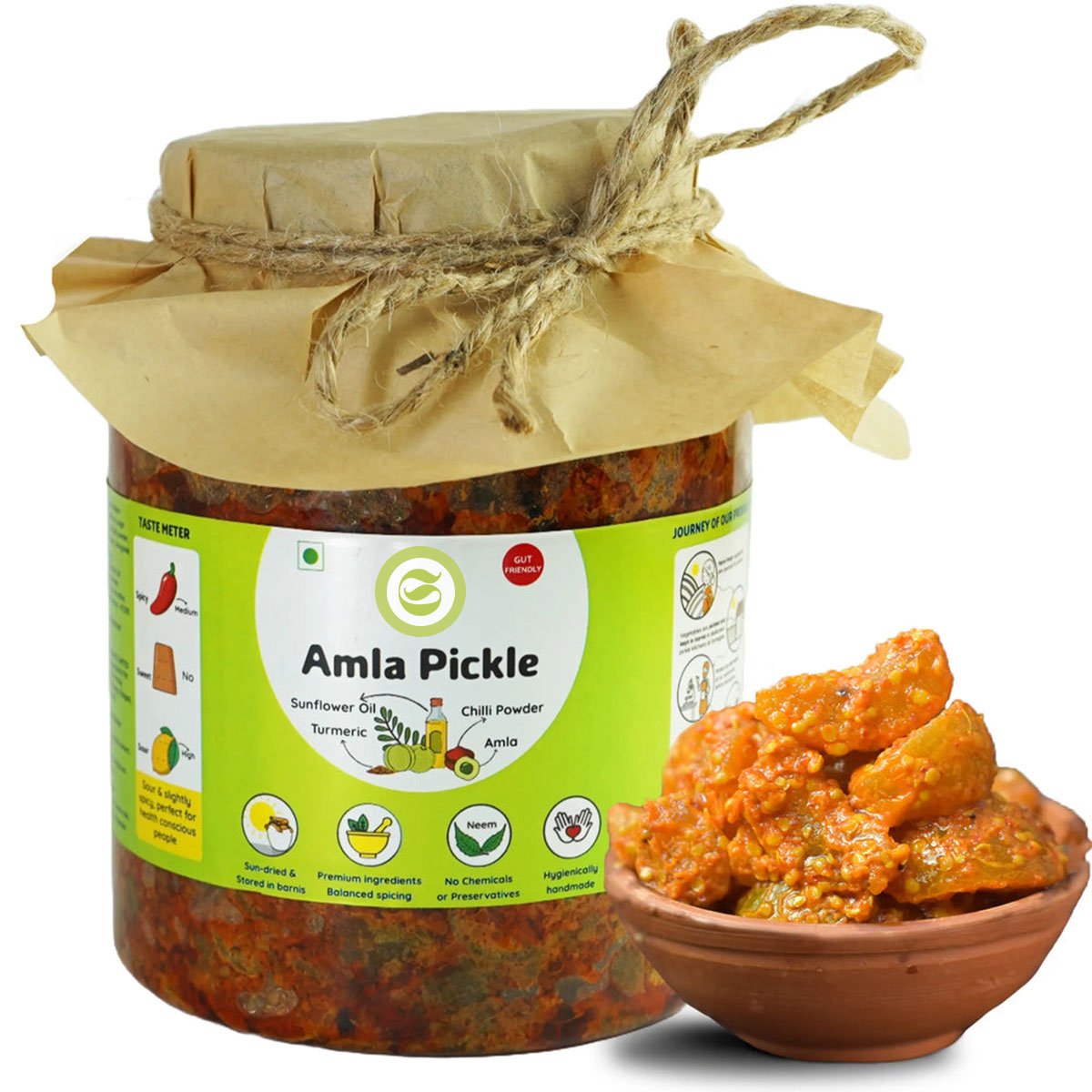
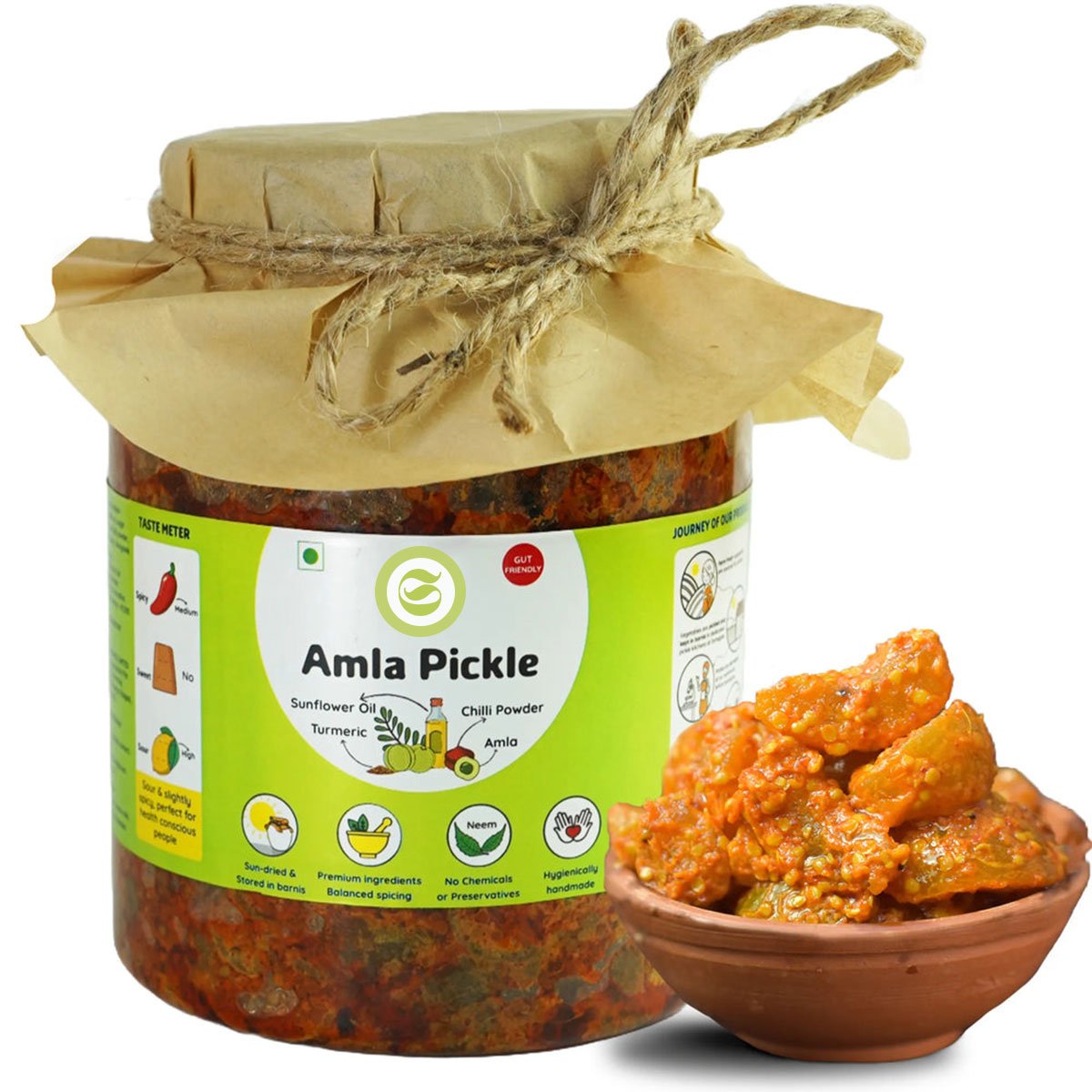



Table of Contents
- What Is Gujiya Sweet? India’s Most Beloved Holi Mithai
- The History of Gujiya: From Ancient Kitchens to Every Home
- Types of Gujiya Sweet: Khoya, Dry Fruit, Coconut, and Baked
- What Goes into Authentic Gujiya: Ingredients and Process
- Gujiya Sweet Nutrition: Calories and What You Should Know
- Gujiya Sweet Price Guide: What Freshness Actually Costs
- How Govindam Makes the Best Gujiya Sweet in Jaipur
- How to Store Gujiya Sweet: Shelf Life and Freshness Tips
- Best Occasions and Gifting Ideas for Gujiya Mithai
- Frequently Asked Questions About Gujiya Sweet
What Is Gujiya Sweet? India’s Most Beloved Holi Mithai
Once a year, across North India, the same smell fills every kitchen at the same time.



Amla Chunda
Price range: ₹299.00 through ₹650.00
Amla Pickle
Price range: ₹299.00 through ₹650.00
Anardana Goli
Original price was: ₹200.00.₹150.00Current price is: ₹150.00.
Authentic Dodha Barfi – Traditional Milk Sweet Delight
Original price was: ₹650.00.₹500.00Current price is: ₹500.00.
Balwan Laddu
Price range: ₹500.00 through ₹1,000.00
Besan Gatta
Original price was: ₹400.00.₹340.00Current price is: ₹340.00.
Besan Laddu
Price range: ₹270.00 through ₹540.00
Bikaneri Bhujia
Price range: ₹180.00 through ₹360.00
Black Gulab Jamun
Price range: ₹260.00 through ₹540.00
Black Lemon Pickle
Price range: ₹299.00 through ₹650.00It is the smell of ghee reaching its frying temperature. The smell of maida pastry hitting hot oil and immediately beginning to colour. The smell of khoya and cardamom sealed inside a crescent of dough, warming and expanding as the heat works through the shell. And underneath all of it, the particular warmth of a kitchen that has been working since before sunrise because today is Holi — and there is no Holi without gujiya sweet.
Gujiya sweet is one of the most universally recognised Indian festival foods. A crescent-shaped pastry made from fine wheat flour dough, filled with a mixture of reduced milk solids, dry fruits, desiccated coconut, and fragrant spices, crimped shut by hand along the curved edge, and deep-fried in pure desi ghee until the shell turns a deep, even golden and the filling cooks into a single, cohesive, aromatic mass inside.

The first bite is always the same experience. The shell gives a clean, satisfying snap. The filling is soft, warm, and dense — sweet without being cloying, rich without being heavy, aromatic with cardamom and something that is almost but not quite like mawa barfi, because the filling has been cooked inside the pastry rather than separately. Nobody who eats a properly made gujiya sweet ever needs it explained to them again.
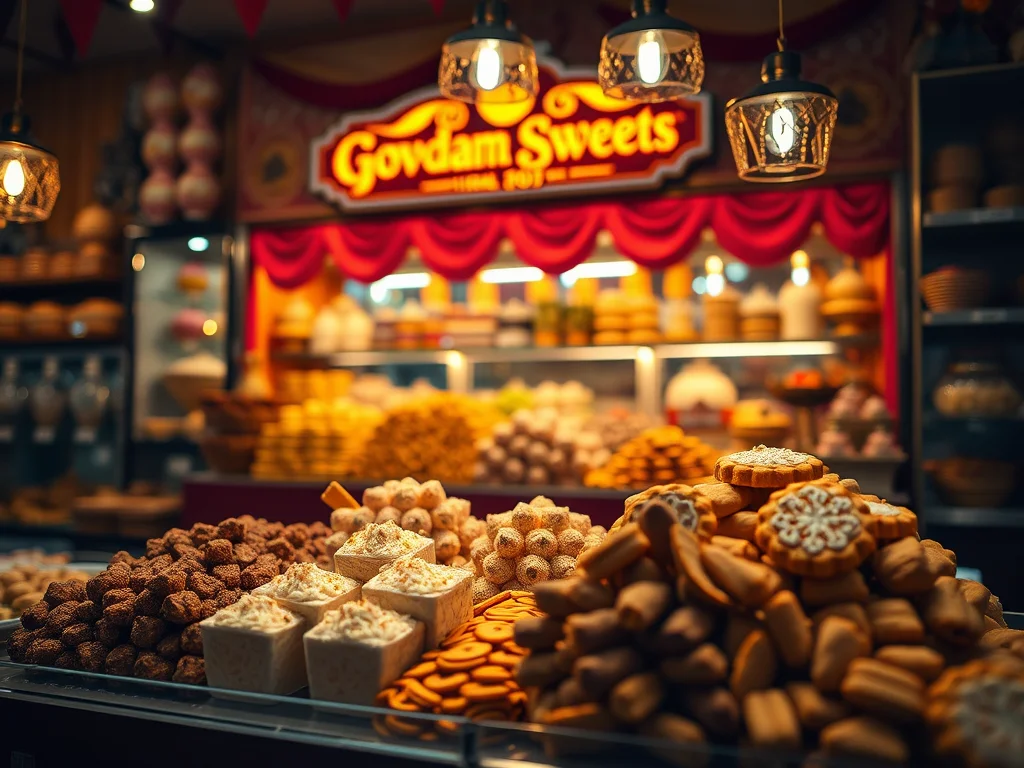
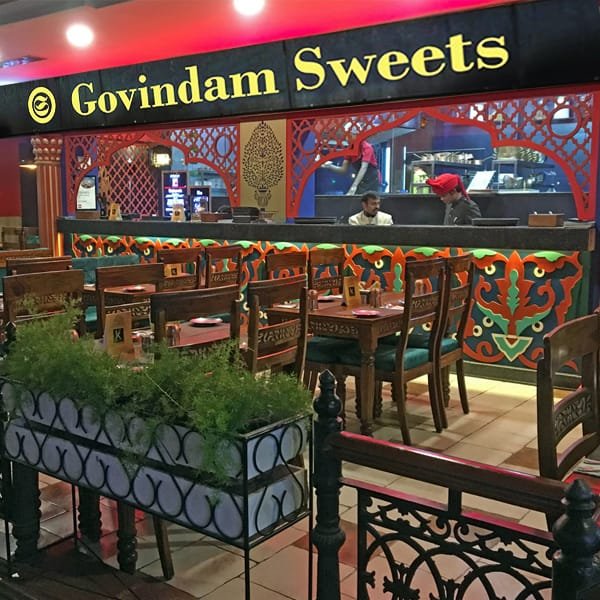
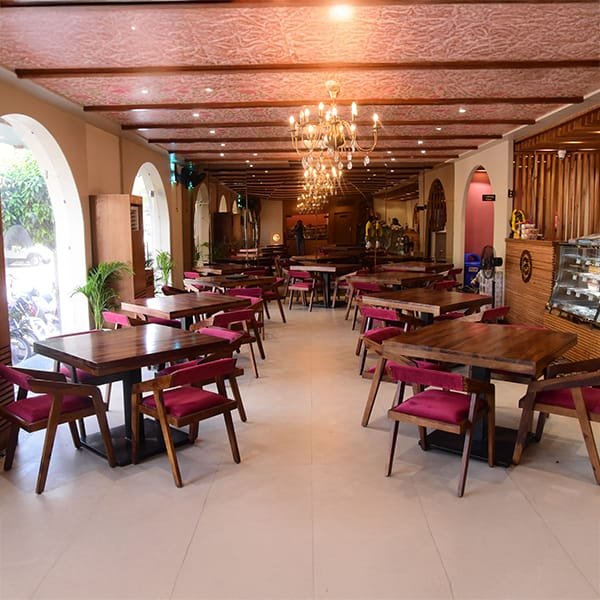
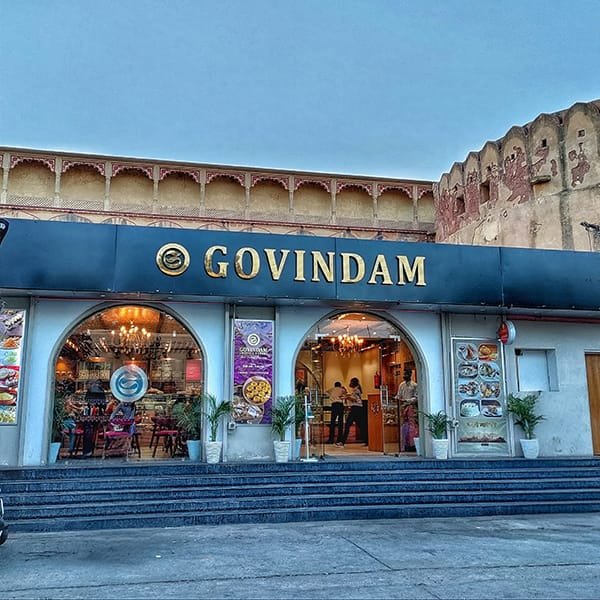
At Govindam Sweets, near Govind Dev Ji Temple, Gangori Bazaar, J.D.A. Market, Pink City, Jaipur, Rajasthan 302003, we have been making authentic gujiya sweet every Holi season since 1985. Every piece is shaped and crimped by hand. The filling is made fresh each morning. And the ghee is clarified in-house from farm butter sourced from our cooperative dairy the same morning it is used. Explore our festival collection to see everything we prepare for the season.
The History of Gujiya: From Ancient Kitchens to Every Home
Gujiya sweet has deep roots in the culinary and religious history of North India, and those roots go significantly further back than most people realise.
The earliest documented references to a gujiya-like confection appear in texts from the 13th century, where a sweet described as a half-moon shaped pastry filled with jaggery and coconut is mentioned in the context of temple offerings. By the Mughal period, the recipe had evolved considerably — khoya replaced jaggery as the dominant filling ingredient, and the practice of deep-frying in ghee became standard across the royal kitchens of Rajasthan and UP.
The association of gujiya sweet specifically with Holi — the festival of colour celebrated on the full moon day of Phalgun — developed gradually and became absolute by the 18th century. Food historians at the Indira Gandhi National Centre for the Arts have documented that gujiya was listed among the mandatory festival sweets for Holi in the royal household accounts of several Rajput courts, alongside malpua and thandai. It was not merely a popular sweet during Holi — it was a required one.
This royal association matters because it explains the geographical concentration of the best gujiya sweet production in Rajasthan and UP. The sweet shops of Jaipur, Agra, Mathura, and Vrindavan developed their gujiya recipes under the influence of royal court standards, and those standards — larger size, richer filling, more precise crimping — became the benchmark that serious halvais across India still aim for today.
At Govindam, near Govind Dev Ji Temple in Jaipur’s Gangori Bazaar, our gujiya recipe was formalised in 1985 and has remained unchanged since. The filling ratios, the dough thickness, the frying time — all of it was set in that first year and has been followed precisely ever since, by every karigar who has worked in our kitchen.
Types of Gujiya Sweet: Khoya, Dry Fruit, Coconut, and Baked
Not all gujiya sweet is the same. There are four distinct variants that experienced customers understand before they order — and each one serves a different purpose and suits a different preference.
Khoya Gujiya is the traditional standard and the most widely made variant across Rajasthan and UP. The filling is a mixture of freshly made khoya — reduced whole milk solids — lightly roasted with sugar, desiccated coconut, semolina, cardamom, and a small proportion of chopped almonds and raisins. This is the gujiya sweet that most people mean when they say gujiya without qualification. The khoya filling is rich, soft, and aromatic — it melts when the pastry shell cracks open. At Govindam, our khoya gujiya uses khoya made in-house from farm-fresh milk reduced daily at our kitchen.
Dry Fruit Gujiya goes further. The khoya base remains, but the filling is substantially loaded with premium dry fruits — finely chopped cashews, almonds, pistachios, and dates pressed together with khoya and cardamom into a denser, more textured filling than the standard variant. This is the natural choice for premium gifting — more visually impressive when cut open, more complex in flavour, and more expensive to produce because the dry fruit quantity is significant. See our dry fruits sweets collection for the same dry fruit philosophy applied to other mithai.
Coconut Gujiya replaces the khoya entirely with a filling based on freshly grated desiccated coconut, sugar, cardamom, and sometimes a small proportion of fine semolina for texture. The result is lighter than khoya gujiya — less fatty, less dense, with a clean coconut fragrance that works particularly well for customers who find khoya too rich. This variant is especially popular in Maharashtra and South India, where it is sometimes called karanji or ghughra.
Baked Gujiya is the contemporary variant, developed for customers who want the full gujiya sweet experience without deep-frying. The shell is made thinner than the fried version — to compensate for the lack of oil absorption that fried dough depends on — and baked in a preheated oven until golden and crisp. The filling is identical to the standard khoya variant. At Govindam, the baked gujiya is available on request for customers with specific dietary preferences around oil consumption.
What Goes into Authentic Gujiya: Ingredients and Process
The gujiya sweet at Govindam is made from two separate preparations — the pastry shell and the filling — each of which requires its own distinct process and its own quality standard.
The pastry shell uses maida — fine wheat flour — mixed with pure desi ghee in a precise ratio that creates a dough firm enough to hold its shape during filling and crimping but tender enough to fry evenly and develop the characteristic flaky crispness on the outside. Too much ghee and the dough is too soft to crimp cleanly. Too little and the shell becomes hard and chewy rather than crisp. The ratio is not written down at Govindam — it is measured by the feel of the dough, which is something that takes years of daily practice to calibrate correctly.
The filling begins with khoya made in-house. Full-fat farm milk is reduced in a heavy-bottomed vessel over a medium flame, stirred continuously, until it reaches the solid, slightly grainy consistency of fresh khoya. This reduction takes approximately 90 minutes per batch. The fresh khoya is then lightly roasted in a separate vessel with pure ghee — just enough roasting to deepen the flavour slightly without making it taste burned — before being mixed with fine sugar, desiccated coconut, semolina, freshly ground green cardamom, and chopped almonds and raisins.
Assembly of the gujiya sweet is entirely by hand at Govindam. A small portion of dough is rolled into a thin disc. A measured quantity of filling is placed at the centre. The disc is folded into a half-moon, the edges pressed firmly together, and then crimped — the characteristic decorative rope pattern along the curved edge — using a gentle but precise rolling motion of the thumb and forefinger. This crimping is not decorative. It is structural. A properly crimped gujiya sweet does not burst open during frying. An improperly crimped one does.
The assembled gujiya is then fried in pure desi ghee, heated to the precise temperature that produces an even golden colour without burning the shell before the filling inside has time to heat through. Frying time is approximately 8 to 10 minutes per batch at medium heat. No thermometer. The karigar watches the colour and listens to the sound of the frying — both change at the correct moment.
The ghee used for frying at Govindam is clarified in-house each morning from fresh butter. It is not purchased pre-clarified, not recycled from previous days, and not blended with any refined oil. Pure ghee frying is what gives a Govindam gujiya sweet its characteristic golden colour, its clean finish on the palate, and the absence of the greasy after-feel that oil-fried substitutes always leave.
Gujiya Sweet Nutrition: Calories and What You Should Know
Gujiya sweet is a festival food and should be understood as one. It is deep-fried in ghee and filled with khoya and sugar — two of the most calorie-dense ingredients in Indian confectionery. A realistic understanding of the nutritional profile helps you enjoy it appropriately rather than guiltily.
| Nutrient | Per 100g Govindam Khoya Gujiya | Notes |
|---|---|---|
| Calories | 430 to 480 kcal | Pastry shell plus ghee absorption during frying |
| Total Fat | 24 to 28 grams | Primarily from ghee frying and khoya filling |
| Saturated Fat | 15 to 19 grams | From dairy ghee and khoya, no trans fats |
| Carbohydrates | 48 to 55 grams | From maida shell, sugar, semolina, coconut |
| Protein | 7 to 10 grams | From khoya filling and wheat flour shell |
| Calcium | 120 to 160 mg | From khoya milk solids |
| Dietary Fibre | 1 to 2 grams | From coconut and almonds in filling |
| Trans Fat | 0 grams | No hydrogenated fat used at Govindam |
| Artificial Colour | None | Natural golden colour from pure ghee frying |
A standard Govindam gujiya sweet piece weighs approximately 60 to 75 grams, giving approximately 260 to 360 calories per piece. During Holi, most people eat one or two pieces across the day — which is entirely within a normal festival caloric intake.
The dry fruit gujiya variant adds approximately 20 to 30 calories per 100 grams from the increased nut content, along with meaningfully higher protein and healthy fat from almonds, cashews, and pistachios.
The baked gujiya variant reduces total fat by approximately 30 to 35 percent compared to the fried version, while maintaining comparable protein and carbohydrate content.
Gujiya Sweet Price Guide: What Freshness Actually Costs
Gujiya sweet pricing across India ranges significantly — and the price difference between the cheapest and the most expensive reflects real differences in ingredient quality and production method.
| Format | Price Range | Notes |
|---|---|---|
| 250g standard sweet shop | Rs 120 to 200 | Khoya quality is the key variable |
| 500g mid-range branded | Rs 240 to 400 | Check whether khoya is fresh or powder-based |
| 500g premium fresh khoya | Rs 380 to 560 | Govindam and equivalent quality producers |
| Dry Fruit Gujiya 500g | Rs 480 to 700 | Premium nut loading adds cost significantly |
| Baked Gujiya 500g | Rs 320 to 480 | Slightly lower than fried due to no ghee absorption |
| Online delivery pan-India | Rs 420 to 680 per 500g | Cold-chain packaging included |
| Festival gift box | Rs 600 to 1400 | Presentation box, mix of variants, personalised message |
The gujiya sweet price at Govindam reflects fresh khoya made in-house each morning, pure desi ghee for frying, and entirely hand-assembled production. A gujiya produced with milk powder-based khoya and refined vegetable oil can be sold at Rs 80 to 120 per 250g. Ours cannot, because ours is not made that way.
For bulk and festival orders above 2kg — commonly required for Holi celebrations, corporate gifting, and wedding return gifts — contact Govindam at +91-7976304072 or email info@govindam.co.in. Advance notice of 48 hours minimum is required. Orders above Rs 4000 receive a 20 percent discount automatically at checkout on our online shop.
How Govindam Makes the Best Gujiya Sweet in Jaipur
The season matters. That is the first thing to understand about a properly made gujiya sweet.
Govindam produces gujiya sweet primarily during the Holi season — a concentrated window of approximately 10 to 14 days when the demand is highest, the production rhythm is at its sharpest, and the karigars are working at the peak of their seasonal form. We do produce gujiya outside this window for special orders and weddings, but the institutional knowledge that comes from making hundreds of batches in a concentrated period is genuinely reflected in the quality of the product during peak season.
Our kitchen at Gangori Bazaar near Govind Dev Ji Temple starts gujiya production at 4 AM during Holi season. The khoya reduction begins first — it takes the longest and must be ready before the dough is prepared. The dough is mixed while the khoya is roasting. The filling assembly happens as the dough rests. And the frying begins by approximately 7 AM, which means the first fresh gujiya sweet of the day is ready before most of Jaipur has woken up.
The crimping is the part that takes the longest to learn. A karigar who is new to gujiya production can shape the pastry and fill it correctly within a few days of practice. But the crimping — the tight, even, decorative edge that runs along the curved seam — takes much longer to develop the muscle memory for. At Govindam, we do not put a karigar on gujiya crimping until they have practiced on unfilled dough for at least two full weeks. The standard is not negotiable because the aesthetic and structural quality of the crimped edge is the most visible indicator of a properly made gujiya sweet.
Fresh product from our kitchen ships same-day within Jaipur through our local delivery network. For pan-India orders, gujiya ships in insulated cold-chain packaging within 2 to 4 hours of production, maintaining freshness through the standard transit window. See our Rajasthani Special collection for the full range of traditional Rajasthani festival sweets we produce with the same standard.
How to Store Gujiya Sweet: Shelf Life and Freshness Tips
Gujiya sweet has a reasonably forgiving shelf life compared to fresh dairy sweets — the frying process removes most of the moisture from both the shell and the outer surface of the filling, which naturally extends keeping time.
At room temperature in a cool, dry place — away from direct sunlight and under 25 degrees Celsius — gujiya sweet stays fresh for 5 to 7 days. During Holi season in North India, when temperatures begin climbing in March, 3 to 4 days at room temperature is the practical upper limit before quality begins to decline.
Refrigerated in an airtight container, gujiya sweet maintains its quality for 10 to 12 days. Remove from the refrigerator 20 to 30 minutes before serving — cold gujiya loses the crispness of the shell, which is one of the primary pleasures of eating it.
Do not seal hot gujiya sweet in a closed container. Allow the freshly fried pieces to cool completely on a wire rack — a full 30 to 45 minutes at minimum — before packing them. Sealing while hot traps steam, which condenses into moisture and makes the shell soft and unpleasant within hours.
All Govindam gujiya sweet orders include a printed manufacture date and best-before date on the outer packaging. Our cold-chain packaging is designed to maintain internal temperature for 48 to 72 hours of standard transit — sufficient for pan-India delivery under normal conditions.
Best Occasions and Gifting Ideas for Gujiya Mithai
Gujiya sweet is Holi. That is the primary association and it is essentially total. No other festival in the Indian calendar has the same ownership of a single sweet the way Holi owns gujiya. But the picture is richer than just one festival occasion.
Holi gifting is the primary and most obvious use. A box of gujiya sweet is the standard Holi gift across North India and Rajasthan — given between families, between colleagues, between neighbours, and between extended family members who visit during the festival. The presentation box from Govindam includes a personalised message card and festive packaging appropriate for gifting without additional wrapping. Our gifts section includes curated Holi gift options built around gujiya sweet and complementary festival mithai.
Wedding return gifts work beautifully for gujiya sweet when the wedding falls in the February to April window that overlaps with Holi season. A box of premium dry fruit gujiya in branded packaging communicates both the festive spirit and the quality of the host family’s taste simultaneously.
Corporate Holi gifting is a growing category at Govindam. Many companies send sweet boxes to employees, clients, and vendors as part of Holi celebrations — and gujiya sweet, being so specifically and recognisably associated with the festival, communicates cultural awareness in a way that a generic mixed sweet box does not. Contact +91-7976304072 to discuss bulk corporate Holi gifting requirements.
Religious and prasad use is also meaningful for gujiya sweet. In many Hindu households across Rajasthan, gujiya is offered as prasad during Holi pooja before being distributed to family members. Govindam’s gujiya is made without artificial colour, synthetic preservative, or any non-vegetarian ingredient — making it appropriate for all religious offering contexts.
Outside Holi, gujiya sweet is also commonly made during Diwali and Ganesh Chaturthi in certain regional traditions — particularly in Maharashtra, where the coconut karanji variant is traditional. Our complete sweets collection is available year-round for these occasion-specific needs.
Frequently Asked Questions About Gujiya Sweet
Q1. What is gujiya sweet made of?
Gujiya sweet is made from two components. The shell is prepared from fine wheat flour (maida) and pure desi ghee, kneaded into a firm dough. The filling is a mixture of freshly made khoya (reduced whole milk solids), desiccated coconut, fine semolina, pure cane sugar, freshly ground green cardamom, and chopped almonds and raisins. The filled crescent is crimped by hand and deep-fried in pure desi ghee until golden.
Q2. What is the difference between gujiya and karanji?
Gujiya and karanji are essentially the same sweet with regional name variations. Gujiya is the term used across North India, Rajasthan, and UP, typically with a khoya-dominant filling. Karanji is the Marathi and South Indian name for the same crescent-shaped pastry, more commonly filled with coconut and sugar rather than khoya. Ghughra is the Gujarati name. All three are variations of the same ancient crescent pastry tradition with region-specific filling adaptations.
Q3. How long does gujiya sweet stay fresh after delivery?
At room temperature in a cool, dry place under 25 degrees Celsius, gujiya sweet stays fresh for 5 to 7 days. Refrigerated in an airtight container, it maintains quality for 10 to 12 days. All Govindam orders include a printed manufacture and best-before date. Our cold-chain packaging maintains internal temperature for 48 to 72 hours of transit — sufficient for pan-India delivery. Contact +91-7976304072 if you have any questions about freshness on receipt.
Q4. Can I order gujiya sweet online outside the Holi season?
Yes. Govindam produces gujiya sweet year-round for special orders — weddings, religious occasions, corporate events, and individual requests. During the primary Holi season, standard orders are fulfilled within 24 hours. Outside the season, a minimum advance notice of 72 hours is required. Contact our team at +91-7976304072 or info@govindam.co.in to confirm availability and arrange your order.
Q5. Is baked gujiya as good as fried gujiya?
Baked gujiya sweet is a genuine and enjoyable alternative — not inferior, simply different. The shell is slightly thinner and drier than the fried version, with a different texture on biting — more of a snap than the flaky give of fried pastry. The filling is identical. The calorie reduction from eliminating ghee frying is approximately 30 to 35 percent. For customers who prefer a lighter option or have specific dietary preferences around oil, baked gujiya is a thoroughly satisfying alternative.
Q6. Can gujiya sweet be shipped internationally from Govindam?
Yes. Govindam ships to the UK, USA, UAE, Canada, Singapore, Australia, and several European countries. For international gujiya orders, we recommend packing gujiya sweet in vacuum-sealed packaging — which extends shelf life to 15 to 18 days and facilitates customs clearance in most receiving countries. Check our global shipping page for your country’s specific details or call +91-7976304072.
Q7. How should I serve gujiya sweet for the best experience?
Serve gujiya sweet at room temperature — if refrigerated, remove 20 to 30 minutes before eating to allow the shell to regain its crispness. Arrange on a plate or thali alongside thandai, malpua, or other Holi sweets for a complete festival presentation. Cut one open before serving to display the filling — the visual contrast between the golden shell and the warm, fragrant khoya filling inside is a significant part of the gujiya sweet experience that most people find as pleasing as the eating itself.
Visit or Contact Govindam Sweets
Govindam Sweets has been making authentic gujiya sweet and traditional Rajasthani mithai from one address since 1985.
Near Govind Dev Ji Temple, Gangori Bazaar, J.D.A. Market, Pink City, Jaipur, Rajasthan 302003
Phone and WhatsApp: +91-7976304072
Email: info@govindam.co.in
Website: https://www.govindam.co.in/
Pan-India delivery is available on all orders with cold-chain packaging. Orders above Rs 4000 receive a 20 percent discount automatically at checkout. Same-day delivery within Jaipur city limits is available for orders placed before 11 AM. International shipping available — check the global shipping page for your country.
Shop Gujiya Now — Explore Festival Collection — View All Gift Options
