
Posts
Ghewar Sweet — Rajasthan’s Most Iconic Festive Mithai Guide 2026

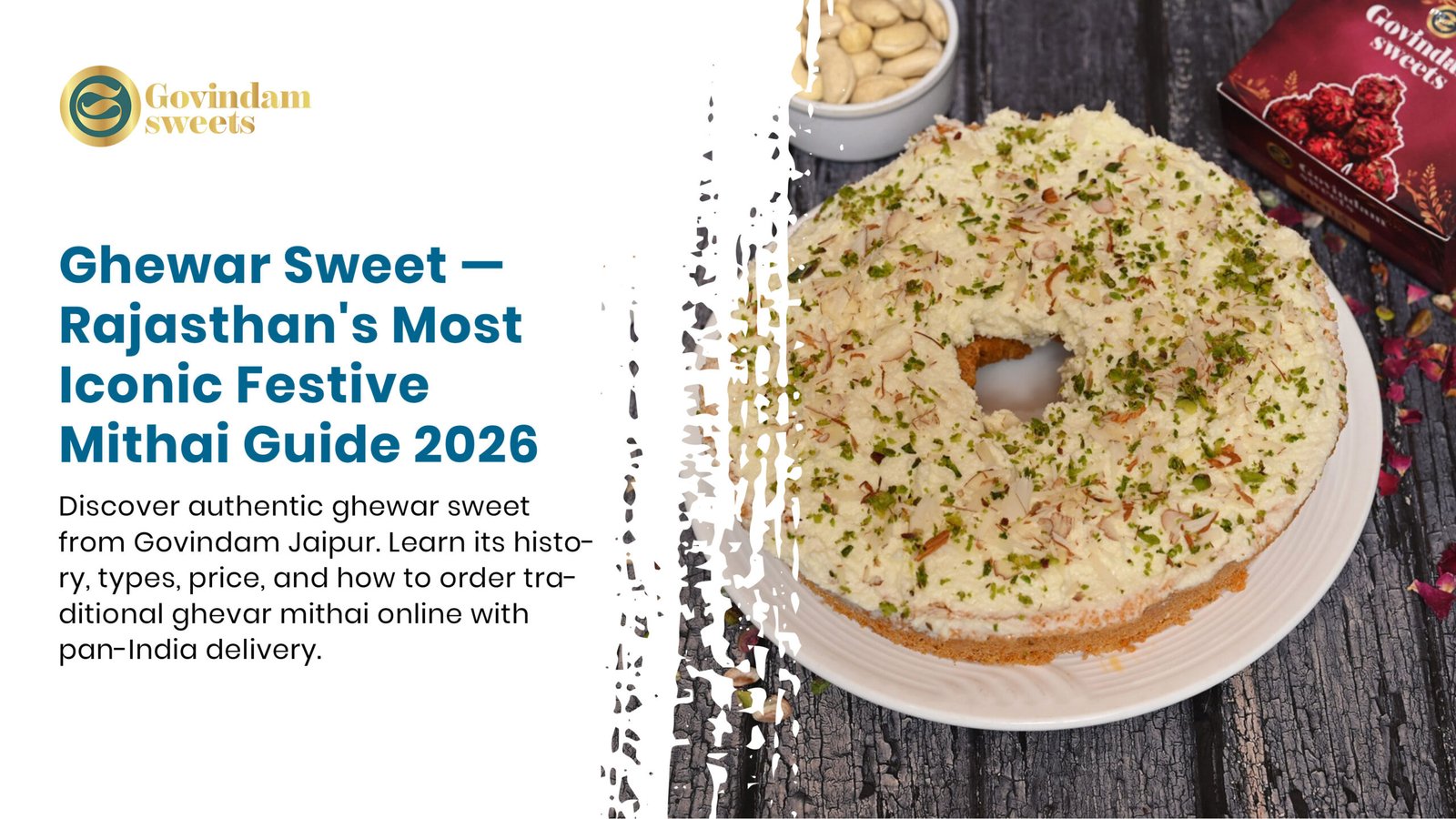
Ghewar sweet is Rajasthan’s most iconic festive confection — a golden, honeycomb disc of deep-fried flour soaked in sugar syrup and crowned with fresh malai, saffron, and crushed pistachios. Govindam Sweets Jaipur has crafted authentic ghewar since 1985. Order online with pan-India delivery and guaranteed same-day freshness on every batch.
Ghewar Sweet — Rajasthan’s Most Trusted Festive Mithai
By Govindam Sweets | Master Confectioners | Near Govind Dev Ji Temple, Gangori Bazaar, Jaipur | FSSAI Certified | Est. 1985 Published: April 2026 | Reading Time: 12 Minutes

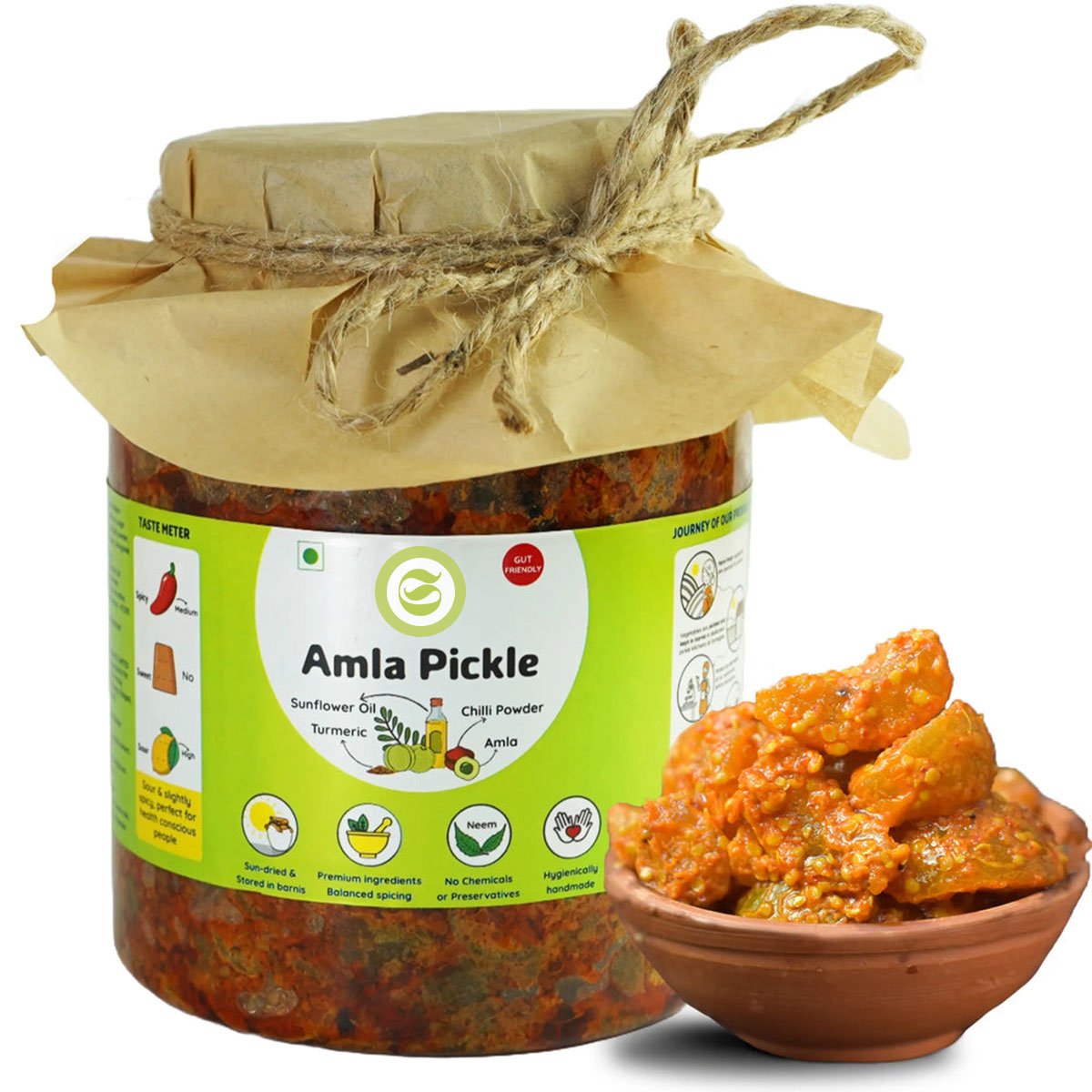
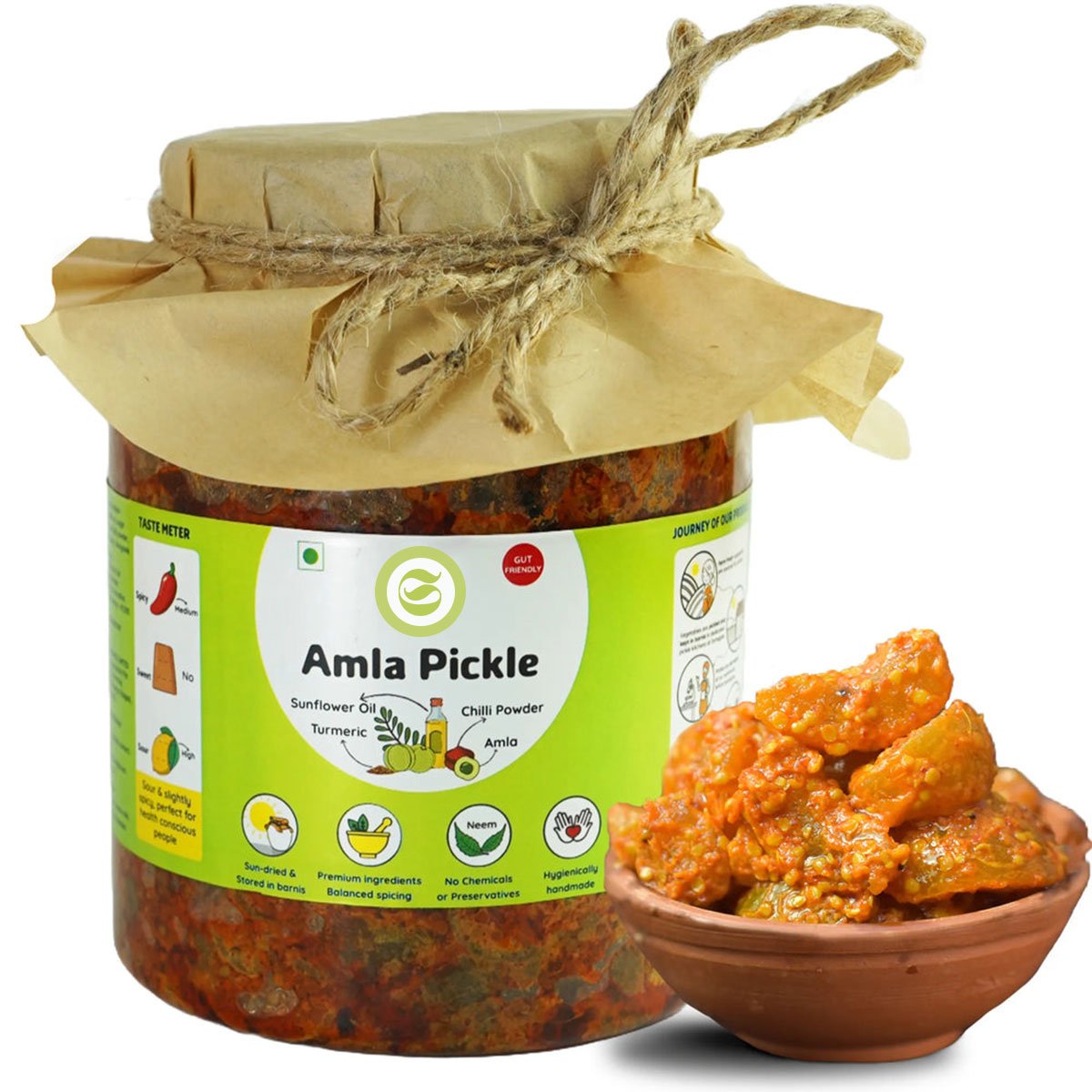
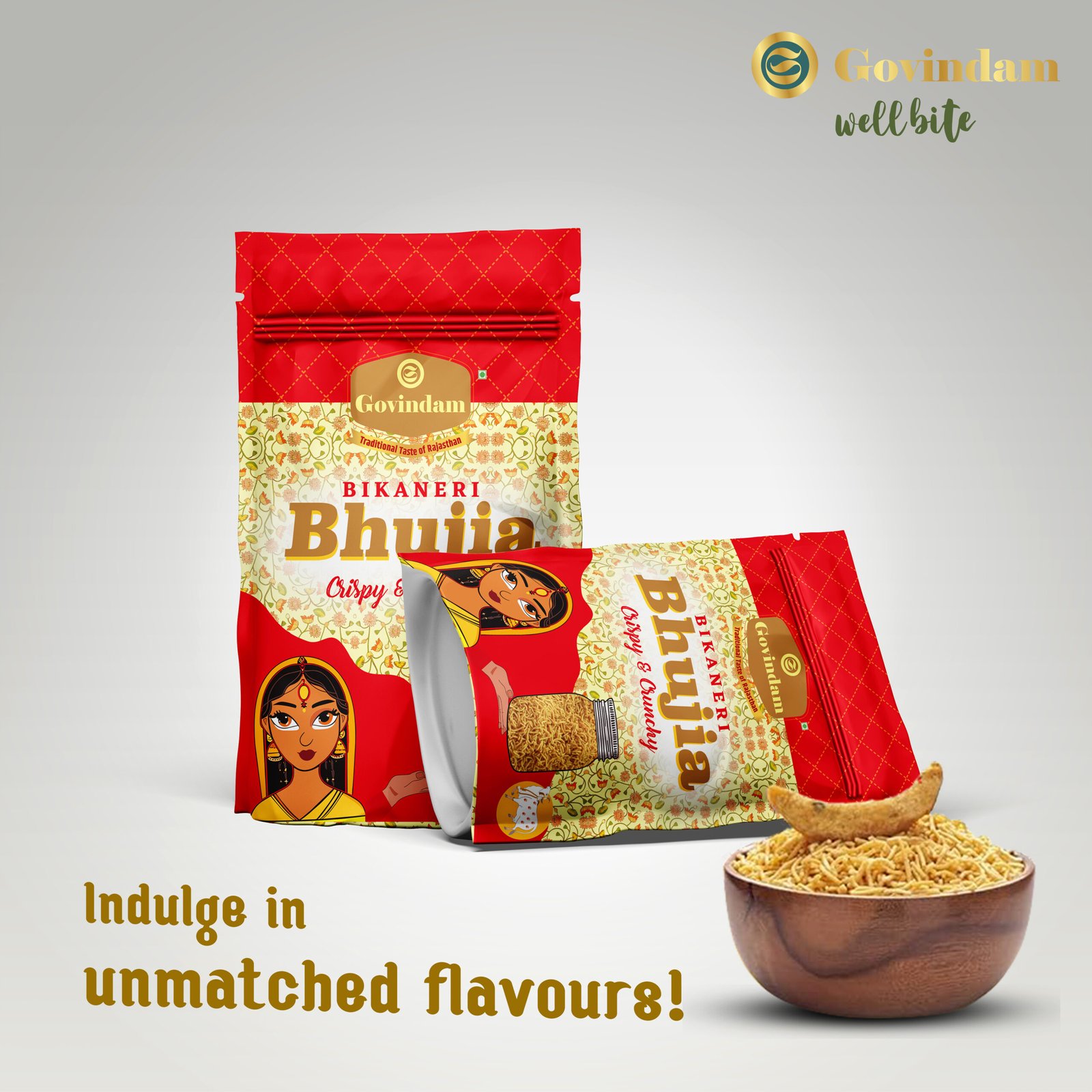



Table of Contents
- What Is Ghewar Sweet? Rajasthan’s Most Celebrated Mithai
- The History of Ghewar: From Royal Kitchens to Every Home
- Types of Ghewar Sweet: Classic, Malai, Mewa, and Paneer Variants
- What Goes into Authentic Ghewar: Ingredients and Process
- Ghewar Sweet Nutrition: Calories and What to Know
- Ghewar Sweet Price Guide: What It Should Actually Cost
- How Govindam Makes Jaipur’s Most Trusted Ghewar Sweet
- When to Buy Ghewar: Seasonal Guide and Festival Calendar
- How to Order Ghewar Sweet Online with Pan-India Delivery
- Frequently Asked Questions About Ghewar Sweet
What Is Ghewar Sweet? Rajasthan’s Most Celebrated Mithai
Some sweets exist in every state. And then there is ghewar sweet.



Amla Chunda
Price range: ₹299.00 through ₹650.00
Amla Pickle
Price range: ₹299.00 through ₹650.00
Anardana Goli
Original price was: ₹200.00.₹150.00Current price is: ₹150.00.
Authentic Dodha Barfi – Traditional Milk Sweet Delight
Original price was: ₹650.00.₹500.00Current price is: ₹500.00.
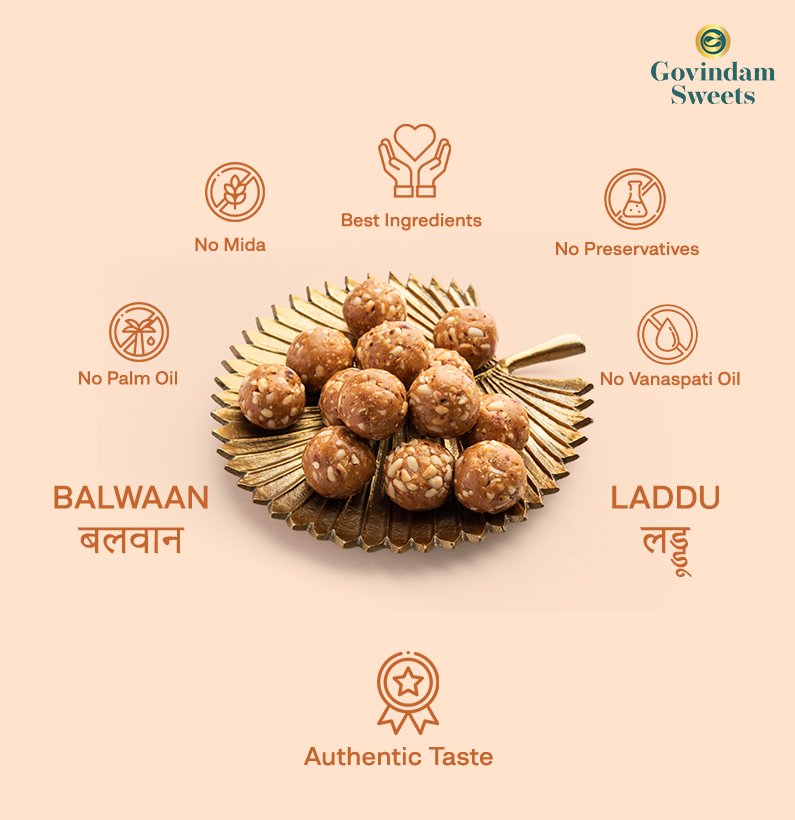
Balwan Laddu
Price range: ₹500.00 through ₹1,000.00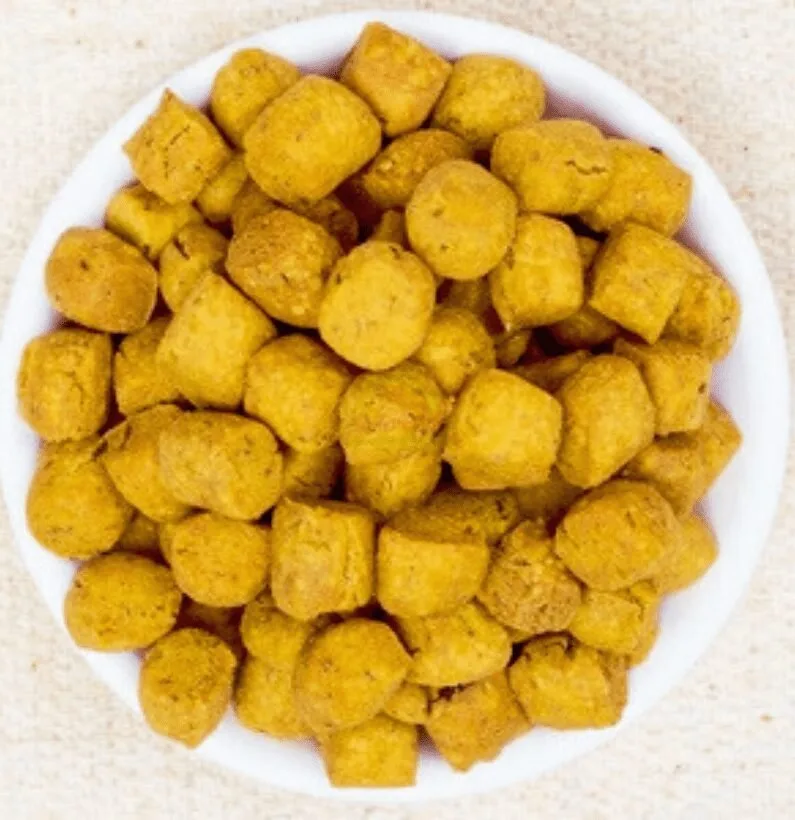
Besan Gatta
Original price was: ₹400.00.₹340.00Current price is: ₹340.00.
Besan Laddu
Price range: ₹270.00 through ₹540.00
Bikaneri Bhujia
Price range: ₹180.00 through ₹360.00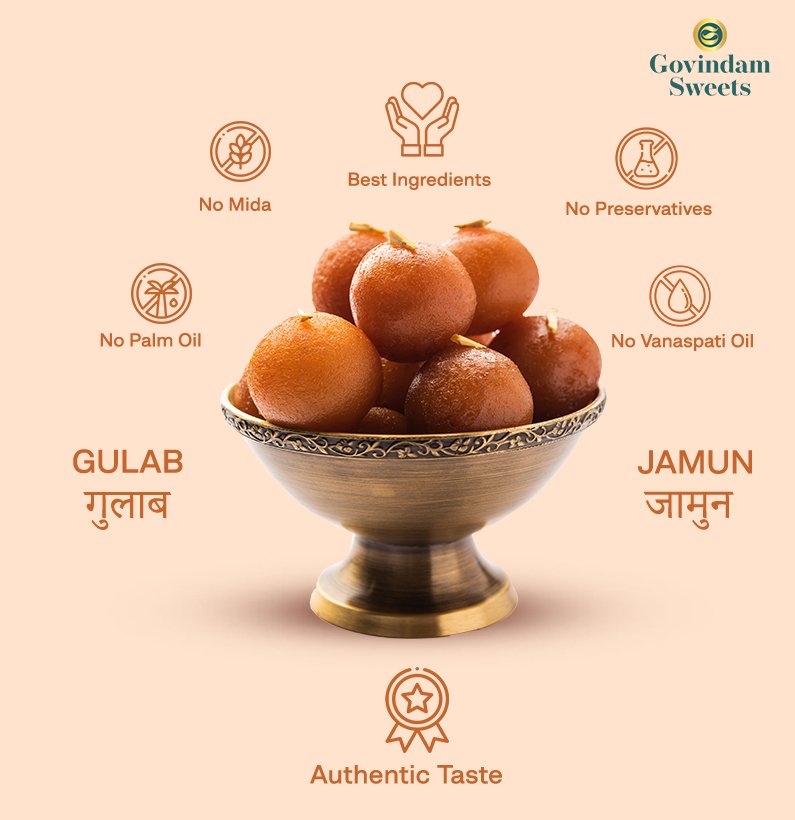
Black Gulab Jamun
Price range: ₹260.00 through ₹540.00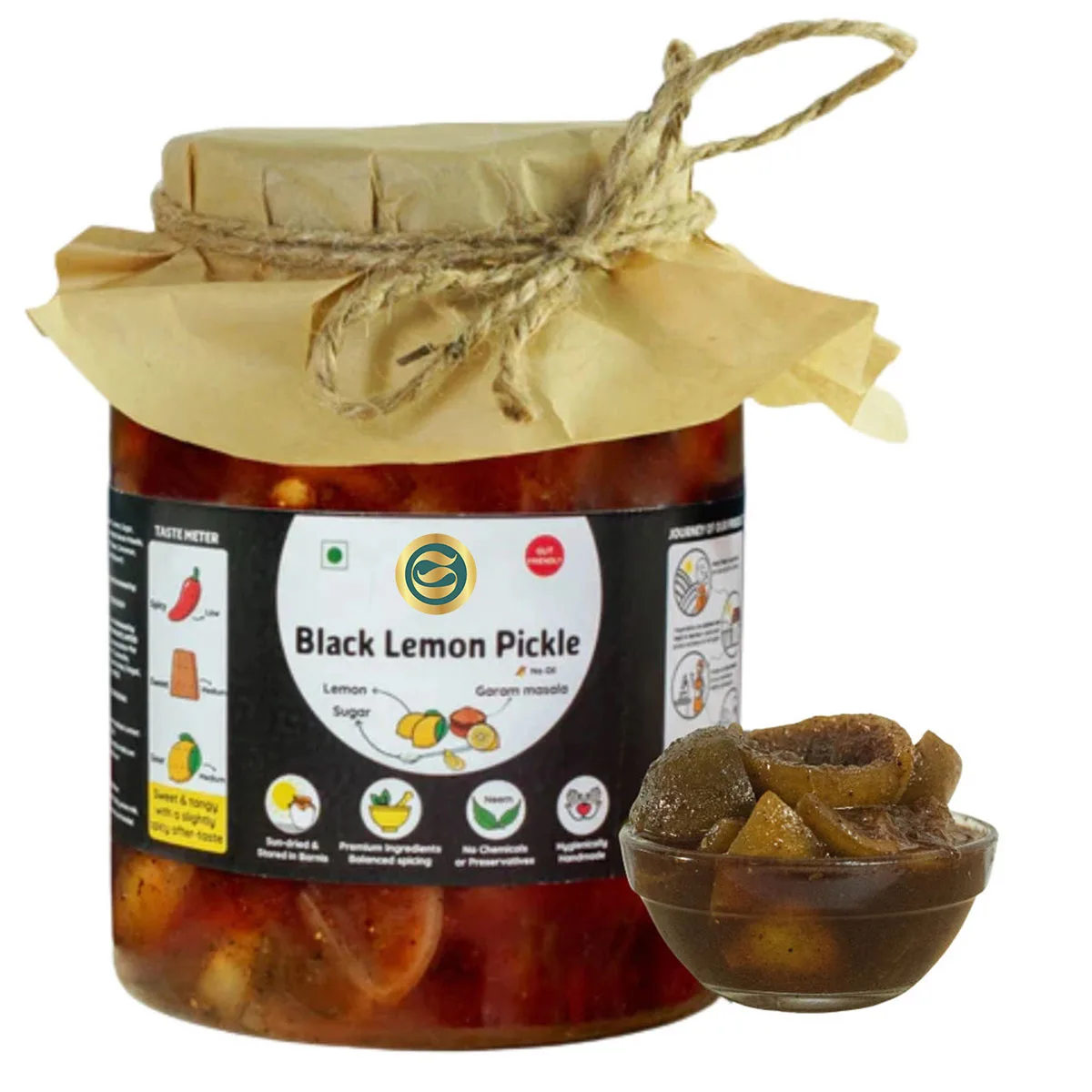
Black Lemon Pickle
Price range: ₹299.00 through ₹650.00It belongs specifically, almost stubbornly, to Rajasthan. You will find versions of it elsewhere in India — in UP sweet shops, in Delhi’s Chandni Chowk, in certain mithai stores across Punjab. But nobody who has tasted a proper Jaipur ghewar sweet will ever confuse it with any of those substitutes. The difference is not subtle. It is the difference between a photograph and the thing itself.
Ghewar sweet is a disc-shaped confection — typically 15 to 25 centimetres across — made by pouring a thin flour batter in a steady stream into pure ghee heated in a deep, narrow cylindrical vessel. The batter fries immediately and builds upward in layers, each one creating a porous, honeycomb structure that traps the ghee and later absorbs the sugar syrup that transforms the crisp golden disc into a dessert of quite extraordinary complexity. On top of this disc goes fresh malai — the thick cream skimmed from reduced full-fat milk — along with saffron strands, crushed pistachios, and sometimes rabri or finely chopped dry fruits.

The result is a sweet that manages to be simultaneously light and rich, crispy and syrup-saturated, golden and deeply aromatic. No other Indian mithai achieves this particular combination. And no sweet is more inseparably linked to the identity of Rajasthan’s festive culture.
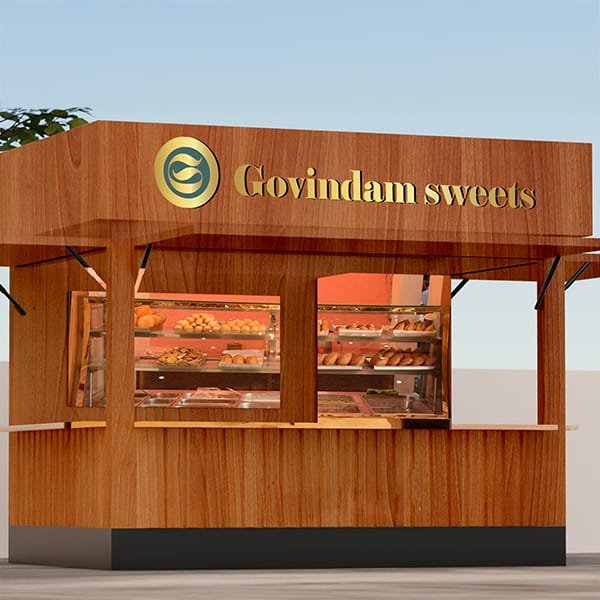
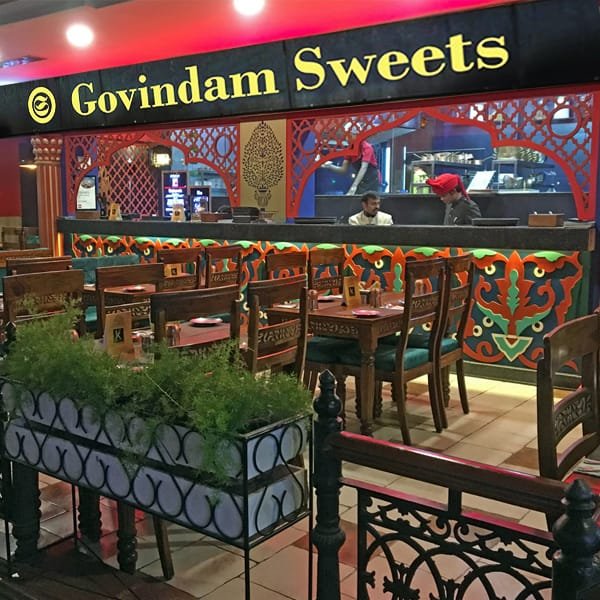
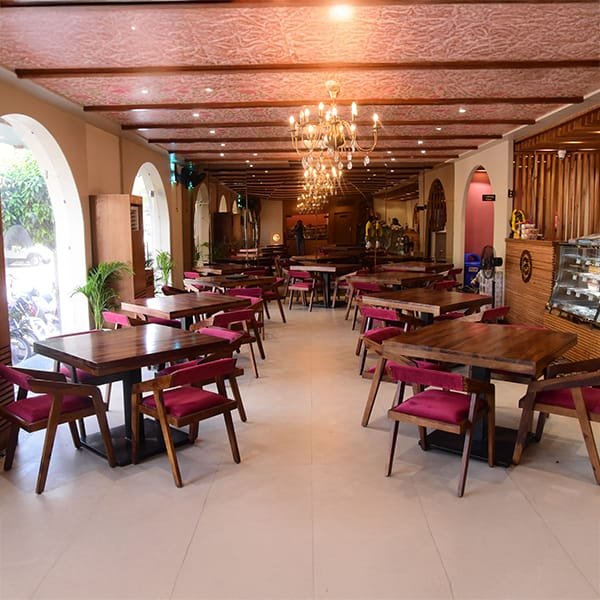
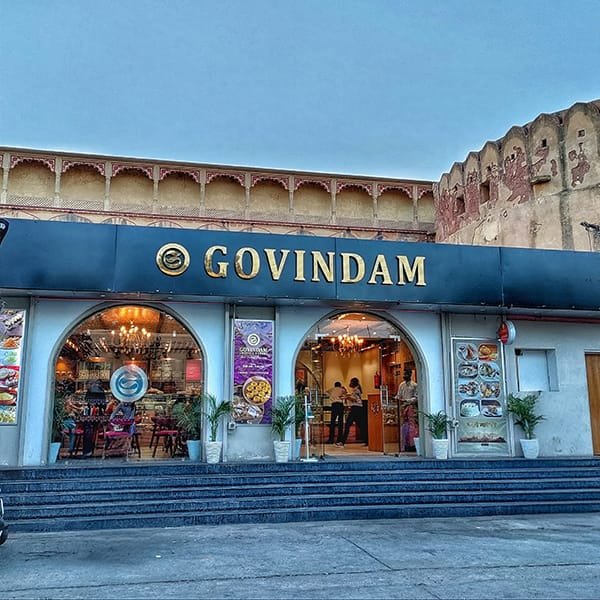
At Govindam Sweets, near Govind Dev Ji Temple, Gangori Bazaar, J.D.A. Market, Pink City, Jaipur, Rajasthan 302003, we have made ghewar sweet every morning during the Teej and Raksha Bandhan season since 1985. The technique our karigars use is unchanged from the method that made Jaipur’s halvais famous across the subcontinent three centuries ago. Browse our ghewar collection to see every variant we currently offer.
The History of Ghewar: From Royal Kitchens to Every Home
Ghewar sweet is one of the few Indian confections with a traceable royal lineage that does not feel invented for marketing purposes. The Rajput courts of medieval Rajasthan demanded sweets that could withstand the desert heat, be stored for days during military campaigns, and still emerge flavourful and impressive when served to guests. Ghewar met all three requirements.
The deep-frying process — which removes almost all moisture from the batter — creates a product that is naturally shelf-stable without any preservative intervention. The porous structure allows sugar syrup to penetrate deeply, providing sweetness and extending palatability. And the visual drama of the disc format — its size, its golden colour, its ornate topping — made it the natural centrepiece of royal sweet tables.
By the 17th century, ghewar sweet was firmly established as the royal sweet of Rajasthan. It appeared at weddings, coronations, and the great festival courts of Jaipur, Jodhpur, and Udaipur. The sweet shops of Jaipur’s old city — of which Govindam in Gangori Bazaar is today among the most celebrated — developed their own particular techniques for producing the perfect honeycomb texture. The uniformity of the pores, the thickness of the disc, the precise moment to remove it from the ghee — these were craft secrets passed from master to apprentice over generations.
The association with Teej and Raksha Bandhan came later but became absolute. According to records maintained by the Rajasthan Tourism Development Corporation, ghewar sweet production in Jaipur during the Teej season accounts for more than 60 percent of the annual ghewar output of the entire state. It is not merely a sweet during this period. It is a cultural statement. A brother gifts a ghewar to his sister during Raksha Bandhan. A family sends a ghewar thali to their married daughters during Teej. An absence of ghewar at a Rajasthani festival table is noticed — and commented upon.
Types of Ghewar Sweet: Classic, Malai, Mewa, and Paneer Variants
Not all ghewar sweet is the same. There are four distinct variants that serious customers understand before ordering — and the choice between them significantly affects both the taste experience and the appropriate gifting occasion.
Classic Ghewar is the foundation. A plain disc soaked in sugar syrup, topped with nothing beyond perhaps a light dusting of silver leaf or a few saffron strands. The flavour is entirely about the quality of the ghee and the skill of the frying. A well-made classic ghewar sweet has a clean, buttery crispness that needs nothing added. This is the variant that halvais are judged by — the one that has nowhere to hide a flaw.
Malai Ghewar is the most popular variant at Govindam and across Jaipur’s serious sweet shops. After soaking in sugar syrup, the disc is covered generously with fresh malai — the thick cream skimmed from slowly reduced whole milk. Saffron-infused milk is drizzled over the malai, and the entire surface is scattered with crushed pistachios and sometimes edible rose petals. The malai softens the disc slightly as it sits, creating a texture contrast between the crisp edges and the cream-softened centre that is genuinely difficult to describe to someone who has not eaten it. The malai ghewar price is slightly higher than classic, reflecting the cost of fresh dairy cream prepared daily.
Mewa Ghewar goes further. In addition to the malai topping, the disc is loaded with a mixture of finely chopped dry fruits — cashews, almonds, pistachios, dates — pressed gently into the cream surface. This is the most luxurious and visually impressive variant, the natural choice for premium gifting and wedding trays. Our dry fruits sweets collection reflects the same philosophy of dry fruit generosity.
Paneer Ghewar replaces or supplements the malai layer with fresh hand-made paneer, slightly sweetened and sometimes flavoured with cardamom or kewra. It is less common than the other three but has a devoted following among customers who prefer the cleaner, less fatty richness of fresh paneer over cream.
What Goes into Authentic Ghewar: Ingredients and Process
The ingredient list for ghewar sweet is short. The process, however, is not. Understanding both explains why genuinely good ghewar is harder to find than most people realise.
Maida — fine wheat flour — is the primary structural ingredient. The ratio of maida to water determines the consistency of the pour, which directly affects the density and uniformity of the honeycomb structure. Too thick and the ghewar will not fry properly. Too thin and it collapses. The exact consistency is learned over years of daily practice, not from a recipe card.
Pure desi ghee is the frying medium and the flavour carrier. Ghewar fried in vanaspati or refined oil is technically possible and commercially common in mass-produced versions. It is also immediately identifiable by its flat, slightly chemical taste. Pure ghee frying creates the characteristic golden colour and the rich, nutty depth that makes a proper ghewar sweet taste the way it is supposed to taste.
Fresh cold milk is added to the batter in our traditional recipe to increase tenderness. At Govindam, our karigars use a small proportion of fresh cold milk in the batter — which helps the honeycomb form more uniformly during frying.
Sugar syrup is prepared separately to a precise thread consistency and used to soak the fried disc immediately after it is removed from the ghee. The soaking time determines how deeply the syrup penetrates and how sweet and moist the final ghewar sweet will be.
Malai for the Malai Ghewar variant is skimmed fresh every morning from reduced whole milk at our kitchen near Govind Dev Ji Temple. Not commercially packaged cream, which is too thin and lacks depth. Hand-skimmed malai prepared before 6 AM and used within the same morning — that is the standard.
Ghewar Sweet Nutrition: Calories and What to Know
Ghewar sweet is a festive indulgence, not a daily nutrition strategy. It is worth being clear about that. The frying process — even in pure ghee — produces a calorie-dense product, and the sugar syrup adds substantial carbohydrate content. However, the picture is more nuanced than simply calling it unhealthy.
| Nutrient | Per 100g Classic Ghewar | Notes |
|---|---|---|
| Calories | 420 to 460 kcal | Frying in ghee plus sugar syrup absorbed |
| Total Fat | 22 to 26 grams | Primarily from desi ghee |
| Saturated Fat | 14 to 18 grams | From dairy ghee, no trans fats |
| Carbohydrates | 50 to 58 grams | Flour plus sugar syrup |
| Protein | 4 to 6 grams | From maida and milk in batter |
| Calcium | 40 to 60 mg | Modest; higher in malai variant |
| Trans Fat | 0 grams | No hydrogenated fat used |
| Artificial Colour | None | Natural golden colour from ghee frying |
A standard serving of ghewar sweet is typically a quarter of a medium disc, weighing approximately 60 to 80 grams, which gives 250 to 370 calories per serving. Consumed once or twice during a festival season — which is the traditional context — this is entirely within normal dietary parameters.
The malai ghewar variant adds approximately 40 to 60 calories per 100 grams from the cream topping, plus additional calcium and protein from fresh dairy.
Ghewar Sweet Price Guide: What It Should Actually Cost
Ghewar sweet pricing across India is highly variable — and the variation correlates almost perfectly with quality. Understanding what drives the price helps you identify whether you are paying for genuine product or a commercial imitation.
| Format | Price Range | Notes |
|---|---|---|
| Classic Ghewar 500g | Rs 280 to 450 | Quality depends entirely on ghee type used |
| Malai Ghewar 500g | Rs 380 to 600 | Fresh malai adds cost; check preparation date |
| Mewa Ghewar 500g | Rs 500 to 800 | Dry fruit quantity and quality determine value |
| Ghewar gift box | Rs 600 to 1500 | Presentation packaging, typically 2 to 4 pieces |
| Online delivery pan-India | Rs 450 to 750 per 500g | Cold-chain packaging included |
| Wedding bulk order per kg | Rs 900 to 1400 | Minimum 48 hours advance notice required |
The ghewar sweet price at Govindam reflects daily fresh production and pure ghee frying. We do not use partially hydrogenated fats. We do not pre-fry and store ghewar in bulk. Every batch is made fresh to order during the season — which means the price includes the full cost of same-morning preparation.
For bulk and wedding orders, contact Govindam directly. Call or WhatsApp +91-7976304072 or email info@govindam.co.in. Orders above Rs 4000 qualify for a 20 percent discount at checkout on our online shop.
How Govindam Makes Jaipur’s Most Trusted Ghewar Sweet
The making of a proper ghewar sweet starts at 4 AM. That is not a brand story. It is a production requirement.
The ghee must be at a specific temperature — not too hot, which burns the batter on contact, and not too cool, which prevents the honeycomb from forming. The cylindrical frying vessel must be narrow enough to shape the disc but deep enough to allow the batter to build upward in layers. And the pour — that steady, thin stream of batter that a karigar holds at exactly the right height above the vessel — must be continuous and even for a full two to three minutes per disc.
This is not a process that can be hurried. Or automated. Or delegated to someone who learned it last week.
At Govindam, near Govind Dev Ji Temple, Gangori Bazaar, our ghewar karigars have between 15 and 25 years of experience in this specific preparation. The head karigar for ghewar has been with us for 22 years. He trains new joiners for a minimum of one full festival season — approximately six weeks — before they are permitted to produce ghewar sweet for sale. The standard is not negotiable.
The ghee we use is clarified in-house from butter sourced from the same cooperative dairy that supplies our milk. It is not purchased pre-clarified and is not stored in bulk. Fresh ghee for each day’s production is clarified that morning at our kitchen. The result — the colour, the crispness, the flavour depth of a Govindam ghewar sweet — reflects this accumulated discipline at every stage.
Our Rajasthani Special collection brings this same production standard to every traditional Rajasthani sweet we make — not just ghewar.
When to Buy Ghewar: Seasonal Guide and Festival Calendar
Ghewar sweet is explicitly seasonal. This is not artificial scarcity — it is a production reality tied to two specific factors: the availability of right-quality full-fat milk and cream for malai in the monsoon season, and the cultural festivals that have anchored ghewar in the consciousness of every Rajasthani family for centuries.
The primary ghewar season runs from mid-July through mid-September. This window covers Teej — Hariyali Teej, Kajari Teej, and Hartalika Teej — Raksha Bandhan, and Janmashtami. These are the three festivals most directly associated with ghewar gifting across Rajasthan, UP, and the North Indian diaspora globally.
Teej is the most important occasion for ghewar sweet. Married women receive ghewar from their parents as a symbol of love and continued connection. Brothers gift ghewar to sisters alongside other festive items. The demand during the three-day Teej period in Jaipur is extraordinary — Govindam’s production during this window is typically five to seven times our non-festival daily output.
Raksha Bandhan follows immediately after Teej in the festival calendar, and the tradition of gifting ghewar continues through this occasion. Many families order a single large ghewar gift box to cover both occasions simultaneously when they fall within the same week.
Outside the primary season, Govindam produces ghewar sweet in limited quantities for special orders — weddings, corporate celebrations, and requests from customers who want to experience this mithai outside the conventional window. Contact us at +91-7976304072 or info@govindam.co.in to check off-season availability. Our festival collection also includes curated seasonal boxes updated throughout the year.
How to Order Ghewar Sweet Online with Pan-India Delivery
Ordering authentic ghewar sweet online from Govindam is designed to be as reliable as buying directly from our Jaipur store.
Visit our online shop and navigate to the Ghewars section or use the category filter. Select your variant — Classic, Malai, or Mewa — and your preferred pack size. Standard sizes are 500g and 1kg. Custom sizes for bulk orders are available on request.
Add your personalised gift message at checkout. Every Govindam order includes a handwritten-style gift card with your message at no additional charge.
Select your delivery date. Standard pan-India delivery takes 2 to 4 days. Express delivery is available in most pin codes within 24 to 48 hours. Same-day delivery within Jaipur city limits is available for orders placed before 11 AM — call +91-7976304072 to confirm.
Ghewar ships in insulated cold-chain packaging specifically designed for fragile disc-format sweets. Each disc is individually protected to prevent breakage during transit. For Malai Ghewar orders above 500km distance, the malai topping is packed separately — you add it before serving following our included instructions. This process guarantees freshness and structural integrity on arrival.
If your order arrives damaged or not meeting our freshness standard, contact us immediately at info@govindam.co.in or +91-7976304072. We replace it. No questions asked.
Frequently Asked Questions About Ghewar Sweet
Q1. What exactly is ghewar sweet made of?
Ghewar sweet is made from a thin batter of fine wheat flour (maida), water, and a small proportion of fresh cold milk, poured in a steady stream into pure desi ghee heated in a narrow cylindrical vessel. The batter fries immediately and builds into a porous honeycomb disc, which is then soaked in cardamom sugar syrup. The Malai Ghewar variant adds a fresh cream topping with saffron and pistachios.
Q2. Is ghewar sweet available outside the Teej and Raksha Bandhan season?
Yes, Govindam produces ghewar sweet in limited quantities outside the primary July to September season for special orders. Contact us directly at +91-7976304072 or info@govindam.co.in to confirm current availability. During the festival season, standard orders are fulfilled within 24 to 48 hours. Off-season orders require a minimum of 72 hours advance notice.
Q3. How long does ghewar sweet stay fresh after delivery?
Classic Ghewar stays fresh for 5 to 7 days at room temperature if kept in a cool, dry place. Malai Ghewar should be refrigerated and consumed within 3 to 4 days, as the cream topping is highly perishable. Mewa Ghewar, refrigerated, stays good for 4 to 5 days. All Govindam orders include a printed manufacture date and best-before date on the packaging.
Q4. Can I order ghewar sweet for a wedding with custom packaging?
Absolutely. Govindam provides custom branded packaging for bulk wedding and corporate ghewar orders, with a minimum order of 5kg and a minimum 72-hour advance notice. Custom ribbon, individual name tags, and personalised inserts are available for orders above Rs 10000. Contact our team at +91-7976304072 or info@govindam.co.in to discuss your requirements.
Q5. What is the difference between ghewar and ghevar?
Ghewar and ghevar are the same sweet spelled differently — a common confusion because Hindi and Rajasthani transliterations both appear in common usage. The spelling ghevar is more common in older Rajasthani texts and in some UP variations; ghewar is the more widely used spelling today. At Govindam, we use both terms interchangeably and they refer to the exact same product from our store near Govind Dev Ji Temple, Jaipur.
Q6. Can ghewar sweet be shipped internationally?
Yes. Govindam ships to the UK, USA, UAE, Canada, Singapore, Australia, and several European countries. For international ghewar orders, we recommend the Classic Ghewar variant without the malai topping — the disc itself ships well and can be enjoyed plain or with locally sourced cream. Check our global shipping page for country-specific details or call +91-7976304072.
Q7. How should I serve ghewar sweet for the best experience?
Serve ghewar sweet at room temperature — about 20 to 30 minutes out of the refrigerator if stored cold. For Malai Ghewar, allow the cream topping to come to slight room temperature before serving, as cold malai sits too firmly and does not flow into the disc the way it should. Slice into wedges like a cake or serve individual quarter-disc portions. A small garnish of fresh pistachio slivers added just before serving significantly improves the visual presentation.
Visit or Contact Govindam Sweets
Govindam Sweets has been making ghewar sweet and traditional Rajasthani mithai from one address since 1985.
Near Govind Dev Ji Temple, Gangori Bazaar, J.D.A. Market, Pink City, Jaipur, Rajasthan 302003
Phone and WhatsApp: +91-7976304072
Email: info@govindam.co.in
Website: https://www.govindam.co.in/
Pan-India delivery is available on all orders. Orders above Rs 4000 receive a 20 percent discount automatically at checkout. Same-day delivery within Jaipur city limits is available for orders placed before 11 AM. International shipping available — check the global shipping page for your country.
Shop Ghewar Now — Explore Rajasthani Special — View Festive Gift Boxes
